The Morning After: Analyzing Election Night’s Sharp Market Turnaround
Election night delivered exactly what traders crave and fear at the same time: volatility.
As results began rolling in, financial markets were hit with sharp swings as traders attempted to price in the potential economic, fiscal, regulatory, and geopolitical implications of the election outcome. Initial reactions sent several key markets in one direction, only to see a dramatic reversal as the night progressed and investors digested the broader picture.
Stock Index Futures: From Uncertainty to Optimism
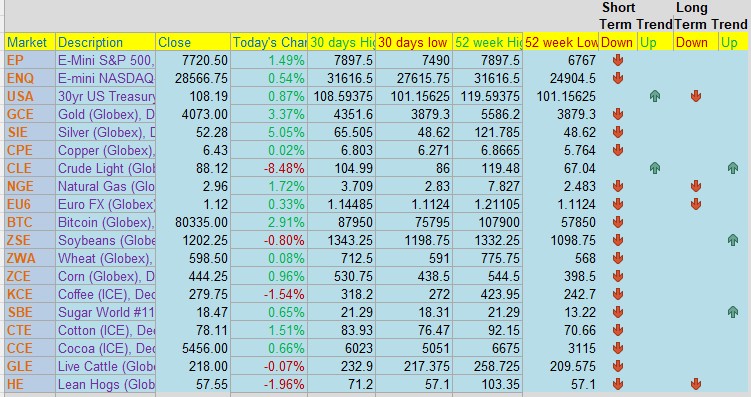
One of the biggest stories of the evening was the remarkable U-turn in stock index futures. Early election uncertainty prompted a risk-off tone, but as clarity increased, buyers returned aggressively.
Markets generally favor certainty over uncertainty. Once traders gained a clearer understanding of the likely political landscape, attention quickly shifted from election headlines back toward corporate earnings, economic growth, interest rates, and fiscal policy.
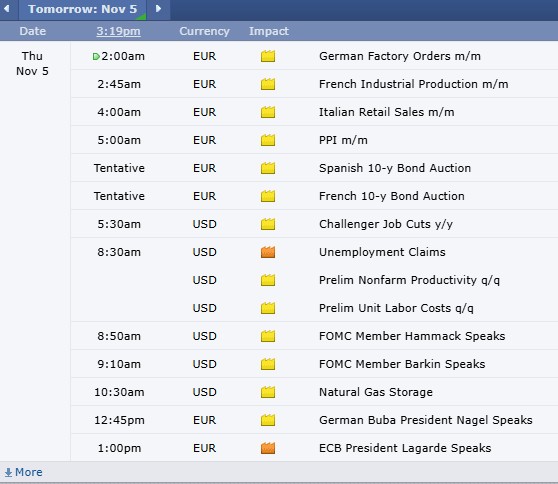
For S&P 500, Nasdaq, and Dow futures traders, the focus now returns to whether the post-election environment will support continued economic expansion and corporate profitability heading into year-end. The next major catalysts will likely be Federal Reserve commentary, inflation data, and upcoming employment reports.
Crude Oil: Caught Between Politics and Fundamentals
Crude oil traders face a somewhat different challenge.
While election outcomes can influence energy policy expectations, the crude market continues to be driven largely by global supply and demand dynamics. OPEC+ production decisions, U.S. shale output, global economic growth, and geopolitical tensions remain the primary drivers.
Recent price action suggests traders remain concerned about demand growth despite ongoing geopolitical uncertainty. If economic activity strengthens following the election and recession concerns continue to ease, crude could find support. However, any signs of slowing global growth may quickly shift attention back toward demand destruction concerns.
For now, traders should remain focused on inventory data, production numbers, and OPEC developments rather than political headlines alone.
Metals: Watching Inflation and the Dollar
The precious metals sector also experienced heightened volatility as election results unfolded.
Gold and silver often serve as safe-haven assets during periods of uncertainty. As election clarity improved, some of that defensive demand moderated. However, the bigger picture for metals remains closely tied to interest rates, inflation expectations, and the U.S. dollar.
If markets begin pricing in stronger economic growth and potentially higher inflation, precious metals could find renewed support despite occasional pressure from a stronger dollar. Conversely, if bond yields continue to rise aggressively, gold could face headwinds.
Industrial metals such as copper may benefit if traders anticipate increased infrastructure spending, manufacturing activity, and broader economic growth in the months ahead.
The Bottom Line
Election night reminded traders why risk management remains every trader’s most important tool. Initial market reactions are often emotional, while longer-term trends tend to develop as investors absorb the implications of new information.
The dramatic reversal witnessed overnight serves as another excellent example of why disciplined traders focus on managing risk, following their trading plans, and avoiding emotionally driven decisions during major news events.
As we move beyond election headlines, expect market attention to quickly return to the themes that have dominated much of the year: interest rates, inflation, economic growth, energy demand, and corporate earnings.
For active futures traders, those drivers may ultimately prove far more significant than the election itself.
Futures, options, and swaps trading involve substantial risk and are not suitable for all investors. Past performance is not necessarily indicative of future results.
|