The Chart Tells the Story
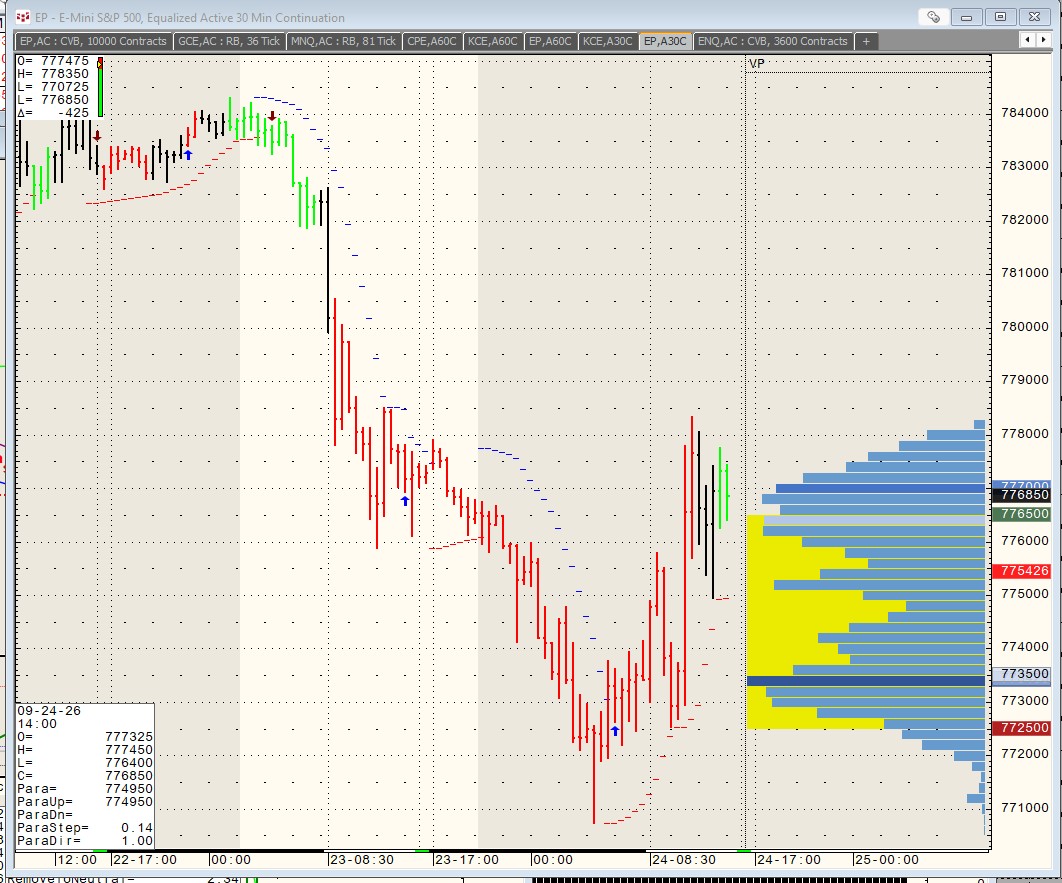
The accompanying 30-minute E-mini S&P chart is an excellent example of how quickly markets can react to news.
Before the headline, the market was firmly in a downtrend:
- Price declined from approximately 7840.00 to near 7720.00
- Sellers controlled the session.
- Lower highs and lower lows dominated price action.
Then the news hit.
The result was an explosive rally off the lows as traders rushed to reprice risk. Within a short period, the E-mini S&P surged fifty ( 50) points from the session low and pushed back toward the upper end of the day’s value area.
For traders watching only technical indicators, the move may have seemed surprising. For traders monitoring the news flow, the reaction made perfect sense.
What Traders Need to Do
1. Always Know the News Calendar
Economic releases, central bank announcements, geopolitical developments, and unexpected headlines can all move markets dramatically.
Technical setups can fail instantly when significant news enters the market.
2. Manage Risk Before the Headline
Many traders focus on profit potential but underestimate event risk.
Before major news events:
- Reduce position size if necessary.
- Know where your stop is located.
- Avoid overleveraging.
- Understand how much you are willing to risk.
3. Don’t Fight the Initial Reaction
One of the costliest mistakes traders make is trying to fade a news-driven move too early.
Large institutional participants often need time to reposition, meaning strong moves can continue longer than many expect.
4. Let the Market Confirm
The first reaction is not always the final reaction.
Professional traders watch for:
- Volume confirmation
- Acceptance above or below key levels
- Whether price holds the move after the initial volatility
5. Stay Flexible
The market doesn’t care about anyone’s opinion.
A trader may have entered the day bearish, but when new information changes the outlook, successful traders adapt rather than argue with price.
Final Thoughts
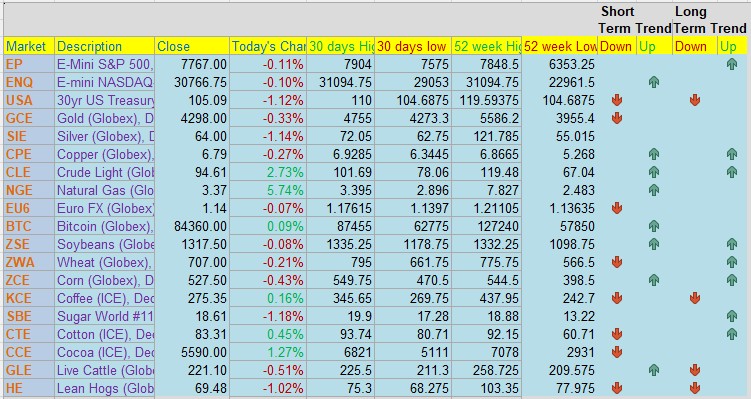
Today’s sharp rally in equities and simultaneous decline in crude oil serves as a reminder that markets are constantly repricing information. News can override technical patterns, trigger aggressive order flow, and create some of the largest opportunities, and risks, of the trading day.
The takeaway is simple: watch the charts, but never ignore the headlines. The traders who understand both technical analysis and the impact of breaking news are often the ones best positioned to navigate fast-moving markets.
Need help looking at different markets? get some insight from an experienced series 3 broker?
+310 859 9572
|