|
||||||||||||||||||||||||||||||||||||||||||||||||||||
|
||||||||||||||||||||||||||||||||||||||||||||||||||||
|
Support & Resistance Levels
This Blog provides futures market outlook for different commodities and futures trading markets, mostly stock index futures, as well as support and resistance levels for Crude Oil futures, Gold futures, Euro currency and others. At times the daily trading blog will include educational information about different aspects of commodity and futures trading.
- Bitcoin Futures (114)
- Charts & Indicators (310)
- Commodity Brokers (595)
- commodity futures (1)
- Commodity Trading (851)
- copper futures contract (3)
- Corn Futures (65)
- Crude Oil (243)
- Currency Futures (103)
- Day Trading (662)
- Day Trading Webinar (61)
- E-Mini Futures (165)
- Economic Trading (166)
- Energy Futures (130)
- Financial Futures (187)
- Future Trading News (3,199)
- Future Trading Platform (327)
- Futures Broker (666)
- Futures Exchange (347)
- Futures trade copier (1)
- Futures Trading (1,273)
- futures trading education (446)
- Gold Futures (114)
- Grain Futures (103)
- Index Futures (271)
- Indices (233)
- Metal Futures (146)
- Nasdaq (79)
- Natural Gas (40)
- Options Trading (193)
- S&P 500 (146)
- trading futures (4)
- Trading Guide (447)
- Trading Webinar (60)
- Trading Wheat Futures (46)
- tradingview trading platform (1)
- Uncategorized (26)
- Weekly Newsletter (232)
Tradingview Trading Platform
Gold Futures: Trends and Trading Signals in 2026

Gold futures remain one of the most actively traded contracts in global commodities markets. In the first quarter of 2026, volatility in interest rates, geopolitical tensions, and inflation expectations drove significant price movement in gold.
For traders analyzing these shifts, combining technical tools, broker support, and structured strategies can help maximize opportunities. Tools such as the tradingview trading platform allow traders to visualize market momentum and identify trading signals.
Many traders also rely on the tradingview app to monitor positions in real time. Understanding tradingview pricing tiers helps determine which analytical features are available for futures traders seeking deeper market insight.
Gold futures listed on CME exchanges provide liquidity, transparency, and continuous price discovery, making them a cornerstone for both hedgers and speculators.
Major Gold Futures Trends in Q1 2026
The first quarter of 2026 saw gold respond to several macroeconomic developments. These created identifiable price patterns that traders could analyze.
Key drivers included:
- Central bank policy shifts
- Inflation expectations
- Currency volatility
- Global geopolitical tensions
Several market patterns emerged.
- Rate Cut Expectations
Lower interest rate expectations increased gold’s attractiveness. Since gold does not yield interest, declining rates reduce the opportunity cost of holding the metal.
Gold futures saw strong buying activity during January as traders anticipated Federal Reserve easing.
Using the tradingview trading platform, traders could identify breakouts above resistance zones created during late 2025 consolidation.
- Safe Haven Demand
Heightened geopolitical tensions in Eastern Europe and parts of the Middle East increased safe-haven flows.
The tradingview app allowed traders to track overnight price action during global sessions, particularly when Asian and European markets drove gold demand.
- Currency Weakness
The U.S. dollar weakened slightly during February.
Gold futures typically move inversely to the dollar, creating opportunities for momentum trades.
Understanding tradingview pricing allows traders to access advanced currency overlays that help correlate gold and dollar index movements.
Technical Signals Traders Used in Early 2026
Technical indicators played a significant role in identifying gold trading signals during the first quarter.
Gold futures traders often combine price structure with momentum indicators.
Common signals included:
- Moving average crossovers
- Volume surges
- Trend channel breakouts
- Fibonacci retracements
Several indicators proved particularly useful.
- 50-Day and 200-Day Moving Averages
When the 50-day average crossed above the 200-day average in early February, it confirmed bullish momentum.
Traders monitoring this signal on the tradingview trading platform were able to identify strong trend continuation opportunities.
- Volume Confirmation
Rising trading volume supported price breakouts above key resistance levels.
The tradingview app provides quick access to volume profile charts, helping traders see where institutional participation increases.
- Momentum Oscillators
Momentum tools such as RSI helped identify overbought and oversold zones.
With advanced charting features available under various tradingview pricing tiers, traders can overlay multiple oscillators simultaneously to refine entry points.
Trading Strategies for Gold Futures
Gold futures traders applied multiple strategies during Q1 2026 to capitalize on market trends.
Below are several commonly used approaches.
Trend Following Strategy
Many traders focused on trend continuation during the early 2026 rally.
Steps included:
- Identify major resistance breakouts.
- Confirm momentum with moving averages.
- Enter positions on pullbacks.
- Place stop-loss orders below prior support.
Using the tradingview trading platform, traders could visually mark trend channels and monitor retracement levels.
Intraday Momentum Trading
Gold futures also offered opportunities for short-term trading.
Intraday traders often used:
- 5-minute or 15-minute charts
- VWAP indicators
- session volume profiles
The tradingview app allowed traders to react quickly to sudden news-driven price moves.
Understanding tradingview pricing is important here because higher-tier plans include additional intraday data and indicator limits.
How Brokers Help Traders Maximize Gold Futures Trends
A professional futures broker provides more than just trade execution. Broker expertise can significantly enhance a trader’s ability to capitalize on market trends.
Cannon Trading Company has been supporting futures traders for decades by offering specialized services and market knowledge.
Key broker benefits include:
- Professional risk management guidance
- Access to multiple trading platforms
- Market insights and trading education
- Competitive commissions
For example:
- Market Intelligence
Cannon Trading Company regularly monitors CME gold futures activity and helps traders interpret price action.
This guidance can complement chart analysis done on the tradingview trading platform.
- Execution Efficiency
Fast order routing ensures that traders can enter and exit positions quickly.
Even when monitoring charts through the tradingview app, traders benefit from a broker capable of executing trades efficiently.
- Platform Flexibility
Cannon Trading supports multiple futures trading platforms.
Understanding tradingview pricing allows traders to decide whether to integrate TradingView analysis with their execution platform.
Risk Management When Trading Gold Futures
Gold futures can be volatile, especially during periods of macroeconomic uncertainty.
Successful traders combine analysis with disciplined risk management.
Key risk controls include:
- Position sizing
- Stop-loss placement
- diversification
- monitoring margin requirements
Professional brokers help reinforce these practices.
Effective Risk Management Steps
- Limit Position Size
Traders should avoid overexposure to a single trade.
Even when bullish signals appear strong on the tradingview trading platform, risk limits remain essential.
- Use Protective Stops
Stop-loss orders protect traders from sudden reversals.
The tradingview app allows traders to monitor support levels where stop placements may be logical.
- Monitor Market Correlations
Gold often correlates with interest rates, inflation data, and currency movements.
Advanced analytics available through various tradingview pricing tiers help traders track these relationships.
Why Cannon Trading Company Stands Out
Cannon Trading Company has built a reputation over decades as a trusted futures brokerage.
The firm supports traders across commodities, financial futures, and index products.
Several factors contribute to its reputation.
Experience
Cannon Trading has been serving traders for decades, navigating multiple market cycles.
This historical experience allows the firm to provide insight during volatile periods such as those seen in early 2026 gold markets.
Technology Access
Clients gain access to multiple professional trading platforms.
Traders analyzing gold charts on the tradingview trading platform can combine those insights with execution tools offered through Cannon Trading.
Client Support
Personalized broker support remains a defining feature.
Even traders using the tradingview app for chart analysis benefit from broker assistance when placing complex futures trades.
Transparent Costs
Clear commission structures help traders control costs.
Understanding tradingview pricing alongside brokerage fees allows traders to structure their overall trading budget efficiently.
Outlook for Gold Futures in 2026
Gold’s trajectory in 2026 will likely remain tied to several macroeconomic variables.
Traders should monitor:
- Central bank policy decisions
- inflation trends
- geopolitical developments
- global economic growth
Several scenarios could influence price direction.
- Interest Rate Cuts
If central banks move toward easing, gold could experience continued upward pressure.
- Persistent Inflation
Gold historically performs well during inflationary periods.
- Global Instability
Safe-haven demand could accelerate during geopolitical disruptions.
Using tools like the tradingview trading platform, traders can visualize long-term price channels.
The tradingview app helps monitor price changes in real time across global trading sessions.
Selecting appropriate tradingview pricing tiers ensures access to advanced technical tools that assist with decision making.
Working with an experienced broker such as Cannon Trading Company allows traders to convert these insights into structured trading strategies.
Frequently Asked Questions
What are gold futures?
Gold futures are standardized contracts traded on exchanges such as CME that allow traders to buy or sell gold at a predetermined price on a future date.
They provide opportunities for hedging, speculation, and portfolio diversification.
Why did gold trend upward in early 2026?
Gold’s Q1 2026 rally was influenced by rate cut expectations, geopolitical tensions, and currency fluctuations.
These macroeconomic forces increased demand for gold as a store of value.
How do traders analyze gold futures?
Traders commonly use charting tools, technical indicators, and macroeconomic analysis.
Many rely on the tradingview trading platform for technical analysis and signal identification.
Can gold futures be traded from mobile devices?
Yes. Traders frequently monitor markets using the tradingview app, which provides charting tools and real-time market data.
What should traders consider before choosing charting software?
Key factors include available indicators, data speed, and cost.
Evaluating tradingview pricing tiers helps traders determine which plan provides the analytical features needed for futures trading.
Why work with Cannon Trading Company?
Cannon Trading offers decades of futures brokerage experience, strong client support, and access to professional trading platforms.
The firm helps traders navigate complex markets such as gold futures with structured guidance.
Ready to start trading futures? Call us at 1(800)454-9572 (US) or (310)859-9572 (International), or email info@cannontrading.com to speak with one of our experienced, Series-3 licensed futures brokers and begin your futures trading journey with Cannon Trading Company today.
Disclaimer: Trading Futures, Options on Futures, and retail off-exchange foreign currency transactions involve substantial risk of loss and are not suitable for all investors. Past performance is not indicative of future results. Carefully consider if trading is suitable for you in light of your circumstances, knowledge, and financial resources. You may lose all or more of your initial investment. Opinions, market data, and recommendations are subject to change at any time.
“TradingView® is a third party charting and analytics platform that is not affiliated with Cannon Trading Co. Inc. Any references to or use of TradingView are provided solely as a technological tool for charting and market analysis. Cannon Trading Co. Inc. does not control, endorse, or guarantee the accuracy, completeness, or timeliness of information, data, tools, or content provided by TradingView or any other third party provider and assumes no responsibility for any loss arising from their use. The use of any third party tool does not constitute a recommendation by Cannon Trading Co. Inc. to engage in any trading strategy, nor does it constitute individualized investment advice. Futures and options trading involve substantial risk and are not suitable for all investors; you can lose more than your initial investment. Past performance, whether actual or indicated by historical tests of strategies, is not necessarily indicative of future results. Cannon Trading Co. Inc., not TradingView is the NFA Member and is responsible for compliance with NFA rules.”
Important: Trading commodity futures and options involves a substantial risk of loss. The recommendations contained in this article are opinions only and do not guarantee any profits. This article is for educational purposes. Past performances are not necessarily indicative of future results.
This article has been generated with the help of AI Technology and modified for accuracy and compliance.
Follow us on all socials: @cannontrading
The Week Ahead – FOMC Minutes, NVIDIA, Middle East PLUS: Trading Around Key Economic Reports FREE Online Course! Futures 102 – The Daily Briefing – What the Pros Know Before Trading, July Meal, Levels, Reports; Your 6 Important Can’t-Miss Need-To-Knows for Trading Futures the Week of May 18th, 2026
|
||||||||||||||||||||||||||||||||||||||||||||||||||||||||||||||||||||||||||||||||||||||||||||||||||||||||||||||||||||||||
|
||||||||||||||||||||||||||||||||||||||||||||||||||||||||||||||||||||||||||||||||||||||||||||||||||||||||||||||||||||||||
|
Memorial Day Weekend 2026 Trading Hours
(Click for larger image)
|
|
|
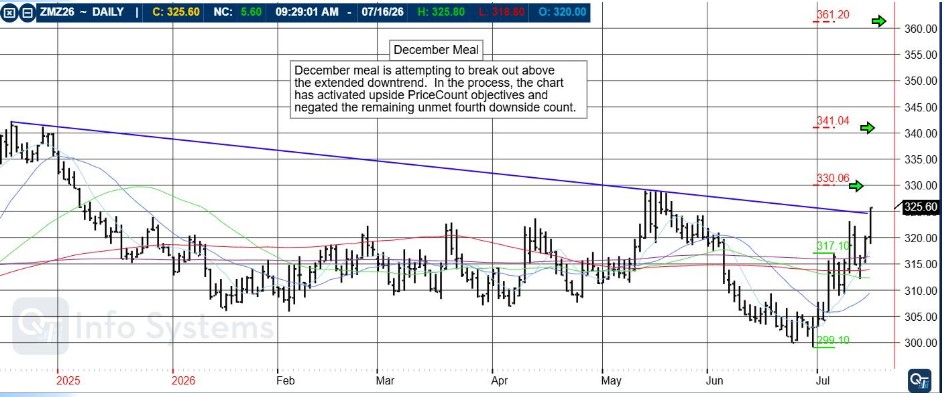
Copper Continues Advance on Tariff Concerns PLUS: July/November (N-X) Soybean Spread, CannonEdge Snapshot, Pre-Market Briefing PODCAST, Levels, Reports; Your 6 Important Can’t-Miss Need-To-Knows for Trading Futures on May 15th, 2026
|
|||||||||||||||||||||||||||||||||||||||||||||||||||||||||||||||||||||||||||||||||||||||||||||||||||||||||||||||
|
|||||||||||||||||||||||||||||||||||||||||||||||||||||||||||||||||||||||||||||||||||||||||||||||||||||||||||||||
|
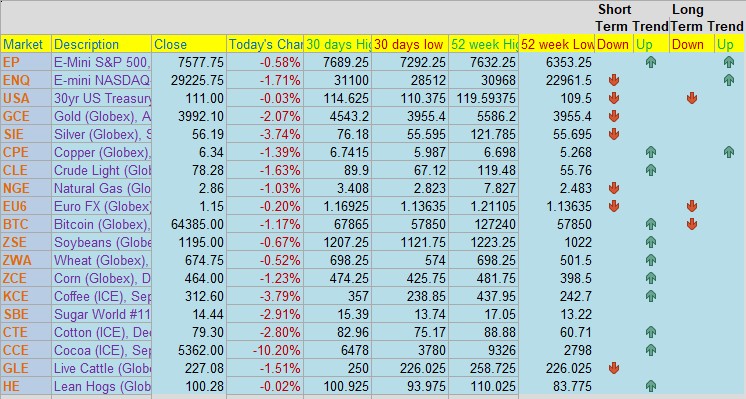
Day Trader Client Question of the Day PLUS: CannonEdge Snapshot, July KC Wheat, Levels, Reports; Your 5 Important Can’t-Miss Need-To-Knows for Trading Futures on May 13th, 2026
|
||||||||||||||||||||||||||||||||||||||||||||||||||||||||||||||||||||||||||||||||||||||||||||||||||||
|
||||||||||||||||||||||||||||||||||||||||||||||||||||||||||||||||||||||||||||||||||||||||||||||||||||
|
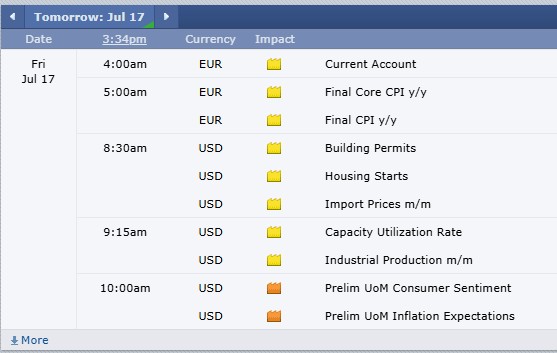
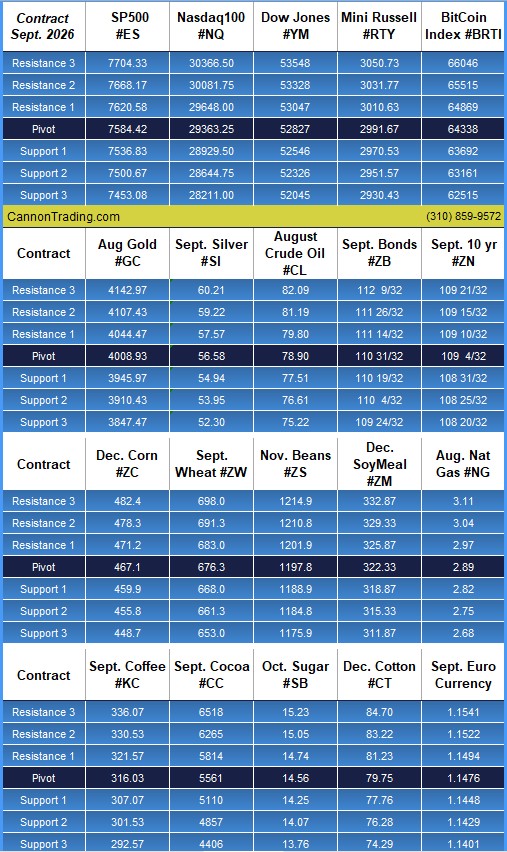
Add price confirmation workflow for signal-based intraday trading PLUS: July Copper, Pre-Market Briefing PODCAST, CannonEdge Snapshot, Levels, Reports; Your 6 Important Can’t-Miss Need-To-Knows for Trading Futures on May 13th, 2026
|
||||||||||||||||||||||||||||||||||||||||||||||||||||||||||||||||||||||||||||||||||||||||||||||||||||||
|

||||||||||||||||||||||||||||||||||||||||||||||||||||||||||||||||||||||||||||||||||||||||||||||||||||||
|
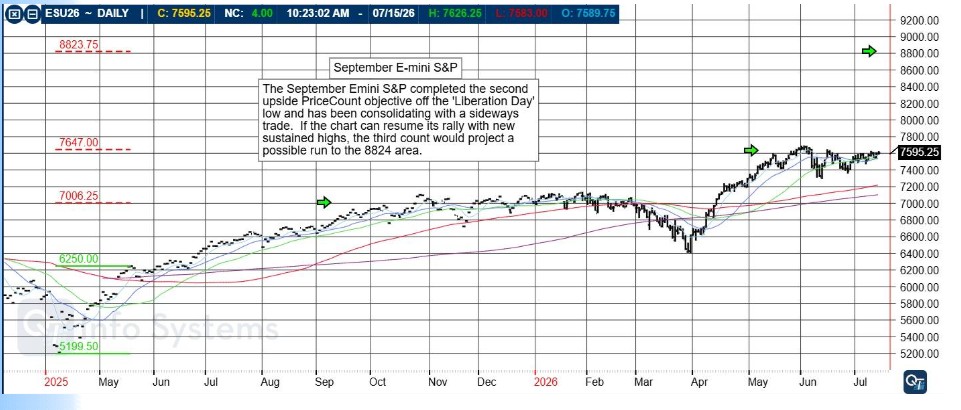
AI Stocks push higher, leading a bullish market PLUS: How to Place a Trailing Stop on CannonX VIDEO, Pre-Market Briefing PODCAST, CannonEdge Snapshot, Levels, Reports; Your 6 Important Can’t-Miss Need-To-Knows for Trading Futures on May 12th, 2026
|
||||||||||||||||||||||||||||||||||||||||||||||||||||||||||||||||||||||||||||||||||||||||||||||||
|
||||||||||||||||||||||||||||||||||||||||||||||||||||||||||||||||||||||||||||||||||||||||||||||||
|
crude oil futures Contracts
Crude Oil Futures Contracts

Crude oil remains one of the most actively traded commodities in the world. Traders, institutions, airlines, refiners, hedge funds, and governments all watch energy markets closely because oil affects inflation, transportation, manufacturing, and consumer spending.
In 2025, crude oil futures contracts continue attracting global attention. While geopolitical tensions involving Iran and the United States remain influential, many additional forces are shaping price direction across North America and worldwide.
Understanding those forces can help traders make more informed decisions while managing volatility effectively.
Global Supply Decisions Continue to Shape Energy Markets
OPEC and OPEC+ production policies remain among the largest pricing drivers in energy trading.
When Saudi Arabia, Russia, and other major producers reduce output, global supply tightens quickly. Reduced inventories usually support higher oil prices. Conversely, increased production can pressure markets lower.
Several major factors currently influence supply:
- OPEC+ quota reductions
- North American shale production
- Refinery maintenance schedules
- Export restrictions from producing nations
- Weather disruptions in the Gulf of Mexico
U.S. shale output has become especially important. American production growth during the last decade transformed global energy pricing dynamics.
Texas and North Dakota production increases have occasionally offset international supply disruptions. However, drilling costs, labor shortages, and financing constraints can slow expansion.
This creates uncertainty for traders involved with crude oil futures contracts.
Interest Rates and Inflation Are Influencing Oil Demand
Central bank policy has become another critical factor.
Higher interest rates often slow economic growth. When manufacturing activity weakens, energy demand typically declines. Lower demand can pressure oil prices downward.
Inflation also impacts transportation and industrial consumption.
Businesses facing elevated borrowing costs may reduce expansion plans. Consumers may drive less or delay travel spending.
Key inflation-sensitive sectors include:
- Airlines
- Trucking companies
- Manufacturing plants
- Construction firms
- Agricultural transportation
The Federal Reserve’s decisions therefore affect oil traders almost daily.
When markets anticipate lower rates, crude oil prices frequently rise because traders expect stronger future economic activity.
Currency Strength Is Affecting Commodity Prices
Oil trades globally in U.S. dollars.
A stronger dollar makes crude more expensive for foreign buyers. This can reduce international demand temporarily.
A weaker dollar often supports commodity prices because buyers using foreign currencies gain purchasing power.
Currency volatility has therefore become closely connected with crude oil futures contracts trading activity.
Emerging markets are especially sensitive to dollar movements because many developing economies rely heavily on imported energy.
Renewable Energy Growth Is Creating Long-Term Market Pressure
Renewable energy adoption continues expanding globally.
Electric vehicles, solar infrastructure, battery technology, and government clean-energy initiatives are influencing long-term oil demand expectations.
However, the transition remains gradual.
Commercial aviation, freight transportation, petrochemical manufacturing, and industrial shipping still depend heavily on petroleum products.
Several trends currently coexist:
- Rising EV adoption
- Continued airline fuel demand
- Petrochemical growth in Asia
- Expanding renewable infrastructure
- Strong diesel demand from logistics networks
This creates competing forces within energy markets.
Short-term oil demand remains substantial even as long-term transition narratives grow stronger.
What Were Oil Prices Averaging Before 2025?
North American oil prices experienced major volatility during the four years leading into 2025.
WTI crude prices averaged approximately:
- 2021: near $68 to $70 per barrel
- 2022: near $94 to $95 per barrel
- 2023: near $77 to $78 per barrel
- 2024: near $75 to $76 per barrel
Prices surged sharply in 2022 following global supply disruptions and economic reopening demand.
After peaking during that period, oil prices gradually moderated during 2023 and 2024.
Despite cooling from 2022 highs, average prices remained historically elevated compared to pre-pandemic norms.
This volatility kept crude oil futures contracts highly active among both institutional and retail traders.
Have Gasoline Prices Gone Up or Down?
Gasoline prices followed a similar pattern.
North American gasoline prices rose dramatically in 2022. U.S. consumers frequently paid over $4 per gallon nationally, with some states exceeding $6.
By late 2023 and throughout much of 2024, prices moderated.
However, gasoline costs still remained higher than historical long-term averages due to:
- Refining constraints
- Transportation costs
- Seasonal demand increases
- Environmental fuel regulations
- Supply chain disruptions
Consumers noticed that even when crude prices declined modestly, retail gasoline prices did not always fall equally fast.
This disconnect often frustrates drivers but reflects refining margins, distribution expenses, and taxes.
For traders, these pricing relationships create additional opportunities within energy markets.
Transportation Demand Continues Supporting Energy Consumption
Global transportation activity remains strong despite economic uncertainty.
Commercial trucking, aviation growth, cruise travel, and freight logistics continue supporting petroleum demand worldwide.
Several industries remain highly dependent on oil:
- Airlines
- Shipping companies
- Freight rail systems
- Delivery logistics firms
- Agricultural operations
Even with increased electric vehicle adoption, global oil demand has remained resilient.
Population growth and industrialization in developing nations continue contributing to energy consumption increases.
This ongoing demand keeps crude oil futures contracts central to global commodity trading activity.
How Can Your Futures Broker Improve Trading Performance?
Broker selection matters significantly in volatile commodity markets.
A strong futures broker provides far more than simple order execution.
Professional brokers help traders manage risk, access technology, analyze markets, and improve execution efficiency.
Important broker advantages include:
- Advanced trading platforms
- Fast order routing
- Risk management tools
- Educational resources
- Customer support accessibility
Execution quality becomes especially important during fast-moving energy markets.
Crude oil can move several dollars per barrel within hours following inventory reports, geopolitical developments, or economic data releases.
Reliable trade execution can therefore make a meaningful difference in trading outcomes.
Risk Management Is Essential for Energy Traders
Energy markets can experience extreme volatility.
Professional brokers help traders control exposure through tools such as:
- Bracket orders
- Stop-loss functionality
- Margin monitoring
- Real-time account reporting
- Position-sizing assistance
Many inexperienced traders underestimate oil volatility.
A sudden inventory surprise or unexpected geopolitical headline can move markets aggressively within minutes.
Risk controls help traders remain disciplined during unpredictable conditions.
This becomes especially important for traders involved with crude oil futures contracts during major economic announcements.
Technology and Market Access Matter More Than Ever
Modern futures trading increasingly depends on platform quality.
Professional traders often require:
- Real-time market depth
- Fast charting software
- Mobile access
- Automated strategy capability
- Reliable connectivity
Cannon Trading Company has remained competitive for decades partly because of its emphasis on technology access and personalized support.
The company offers multiple professional-grade trading platforms designed for active futures traders.
This flexibility allows traders to choose systems matching their experience level and strategy preferences.
Why Cannon Trading Company Remains a Leading Choice
Cannon Trading Company has built a long-standing reputation within the futures industry.
Many traders choose the firm because of its combination of experience, customer service, technology access, and competitive pricing.
Several strengths distinguish the brokerage globally:
- Decades of futures industry experience
- Multiple professional trading platforms
- Personalized broker support
- Competitive commission structures
- Strong educational resources
The company has served traders through multiple market cycles, including financial crises, commodity booms, inflationary periods, and rapid technological evolution.
That operational history matters in highly volatile markets.
E-Mini Traders Continue Seeking Professional Brokerage Support
E-mini futures traders often require rapid execution and dependable systems.
Volatility in indexes, commodities, and energy products can create substantial opportunity but also elevated risk.
Cannon Trading Company continues attracting global e-mini futures traders because the firm supports active trading styles while maintaining responsive customer service.
Many traders appreciate direct broker accessibility during fast-moving sessions.
This level of service can become especially valuable during periods of extreme volatility in crude oil futures contracts and broader commodity markets.
Education Still Separates Consistent Traders From Emotional Traders
Long-term trading success usually depends on discipline and preparation.
Strong brokerages help traders improve through:
- Webinars
- Platform training
- Market commentary
- Risk management education
- Trading support
Many new traders focus only on market direction.
Professional traders focus equally on capital preservation.
Educational support helps traders understand volatility, leverage, margin requirements, and disciplined execution.
This becomes increasingly important in leveraged products such as crude oil futures contracts.
FAQ Section
What are crude oil futures contracts?
Crude oil futures contracts are standardized agreements to buy or sell oil at a predetermined price and date through regulated futures exchanges.
Why are oil prices so volatile?
Oil prices react quickly to supply disruptions, geopolitical tensions, interest rates, refinery outages, economic growth expectations, and currency fluctuations.
Did oil prices rise before 2025?
Yes. Oil prices surged significantly during 2022 before moderating somewhat during 2023 and 2024.
Why do gasoline prices sometimes stay high even when oil falls?
Retail gasoline prices also include refining costs, transportation expenses, taxes, and distribution margins.
Why is broker selection important for futures trading?
A quality broker provides better execution, technology, education, and risk management tools that can improve trading efficiency.
Why do traders choose Cannon Trading Company?
Many traders value Cannon Trading Company for its decades of industry experience, platform variety, customer support, and strong reputation within the futures trading industry.
Are energy futures suitable for beginners?
Energy futures can be highly volatile. Beginners should use proper risk management, education, and disciplined position sizing before trading aggressively.
Ready to start trading futures? Call us at 1(800)454-9572 (US) or (310)859-9572 (International), or email info@cannontrading.com to speak with one of our experienced, Series-3 licensed futures brokers and begin your futures trading journey with Cannon Trading Company today.
Disclaimer: Trading Futures, Options on Futures, and retail off-exchange foreign currency transactions involve substantial risk of loss and are not suitable for all investors. Past performance is not indicative of future results. Carefully consider if trading is suitable for you in light of your circumstances, knowledge, and financial resources. You may lose all or more of your initial investment. Opinions, market data, and recommendations are subject to change at any time.
Important: Trading commodity futures and options involves a substantial risk of loss. The recommendations contained in this article are opinions only and do not guarantee any profits. This article is for educational purposes. Past performances are not necessarily indicative of future results.
This article has been generated with the help of AI Technology and modified for accuracy and compliance.
Follow us on all socials: @cannontrading
Copper Futures Contract

Why Copper Continues to Attract Serious Futures Traders
The global commodities market has always rewarded traders who understand economic cycles, industrial demand, and market psychology. Few instruments combine those elements better than the copper futures contract.
Copper is often called “the metal with a PhD in economics.” That nickname exists for a reason. Copper demand reflects activity in construction, electric vehicles, renewable energy, telecommunications, housing, manufacturing, and infrastructure spending.
When economic growth accelerates, copper demand often rises sharply. When economies slow, copper prices can weaken quickly. That creates volatility, and volatility creates opportunity for futures traders.
Copper trading also attracts market participants because price movement can be highly responsive to geopolitical events. Supply disruptions in Chile or Peru can rapidly affect global pricing.
At the same time, Chinese industrial demand frequently influences market direction. Traders closely watch Chinese manufacturing reports, import data, and infrastructure announcements.
This constant flow of economic information makes copper attractive to both technical and fundamental traders.
What Makes Copper Different from Traditional Metal Markets
A copper futures contract behaves differently from many traditional precious metal products because copper is primarily an industrial metal rather than a financial safe haven.
Gold and silver often respond to:
- Inflation fears
- Central bank policy
- Currency weakness
- Risk-off sentiment
Copper reacts more directly to industrial expansion and manufacturing activity.
For example:
- A large infrastructure bill in the United States may support copper prices.
- Increased electric vehicle production can boost long-term demand projections.
- Renewable energy projects require substantial copper wiring and components.
These industrial uses create a different market personality compared to gold or silver futures.
Copper also tends to experience stronger supply chain sensitivity. Mining disruptions, labor strikes, weather issues, and export restrictions can produce rapid price movement.
That responsiveness creates short-term trading opportunities many active traders seek.
Another major difference involves volatility structure.
Gold sometimes trades in extended consolidation ranges during quiet macroeconomic periods. Copper often maintains more directional movement because industrial demand constantly changes.
Experienced traders appreciate markets with sustained momentum.
Why Technical Traders Like the Copper Market
Many chart-based traders prefer copper because the market frequently respects technical levels.
Support and resistance zones can become highly visible during active trading periods. Trend continuation patterns also appear consistently during strong economic cycles.
Popular strategies include:
- Breakout trading
- Moving average trend systems
- Fibonacci retracement analysis
- Volume confirmation setups
- Momentum oscillators
Copper can also produce strong intraday movement during major economic releases.
For example, a surprising manufacturing report from China may trigger sharp market movement within minutes. Traders who specialize in momentum strategies often seek these conditions.
Liquidity is another important factor.
A properly traded copper futures contract usually provides enough volume for active participation while still delivering meaningful price movement.
That balance appeals to many short-term traders.
The Role of Global Electrification in Copper Demand
The energy transition has dramatically increased interest in industrial metals.
Electric vehicles require substantially more copper than traditional gasoline-powered vehicles. Renewable energy systems also rely heavily on copper wiring, transformers, and transmission infrastructure.
These long-term demand drivers have changed how many institutional traders approach the market.
Several major themes support copper demand:
- Grid modernization
- Electric transportation
- Data center expansion
- Artificial intelligence infrastructure
- Green energy investment
Because of those developments, many traders believe copper may remain strategically important for years ahead.
That perception creates stronger institutional participation and deeper market engagement.
A copper futures contract therefore offers exposure to one of the most important industrial trends in the modern economy.
How a Strong Futures Broker Can Improve Trading Performance
Broker selection matters significantly in commodities trading.
Execution speed, platform stability, risk management tools, and customer service can directly affect performance outcomes.
A professional broker helps traders in several important ways.
Platform Technology
Fast execution becomes essential during volatile market conditions.
Copper markets can move rapidly following:
- Inflation reports
- Employment data
- Chinese economic releases
- Federal Reserve announcements
A quality broker provides stable order routing and advanced trading tools.
These may include:
- DOM trading functionality
- Automated bracket orders
- Real-time market depth
- Mobile execution capability
- Integrated risk controls
Technology reliability becomes especially important during fast-moving commodity sessions.
Risk Management Support
Commodity markets can experience sharp swings.
Professional brokers help traders manage exposure using:
- Margin guidance
- Position sizing education
- Stop-loss functionality
- Daily risk controls
- Market analytics
For example, newer traders sometimes underestimate copper volatility during economic releases.
An experienced broker can help structure more disciplined risk parameters.
Market Education
Educational support remains extremely valuable.
Many traders improve performance through:
- Webinars
- Platform training
- Strategy discussions
- Market commentary
- One-on-one support
A broker that understands commodity markets can often help traders avoid common mistakes.
That support may shorten the learning curve significantly.
Why Experience Matters in Commodity Brokerage
Commodity trading is highly specialized.
Not every brokerage understands futures execution, margin mechanics, or industrial commodity behavior.
Traders often prefer firms with decades of experience because those companies have navigated multiple market cycles.
Experienced firms understand:
- Volatile commodity conditions
- Risk management standards
- Platform infrastructure
- Regulatory compliance
- Customer service expectations
Long-term operational history can provide confidence during uncertain market environments.
That reliability becomes especially important during periods of elevated volatility.
Why Cannon Trading Company Stands Out Globally
Cannon Trading Company has built a strong reputation among futures traders through decades of specialized service and market expertise.
The company focuses heavily on futures and commodity trading rather than trying to be a general retail brokerage.
That specialization matters.
Traders working with Cannon Trading Company gain access to:
- Professional futures platforms
- Responsive customer support
- Competitive commission structures
- Advanced execution technology
- Deep futures market knowledge
The firm also supports a wide range of trading styles.
Whether a trader focuses on short-term momentum trading or longer-term commodity positioning, platform flexibility remains available.
A major strength of Cannon Trading Company involves client service.
Many traders value direct access to knowledgeable support professionals who understand futures markets in detail.
That can be especially important when trading fast-moving industrial products.
Another important advantage is platform diversity.
Cannon Trading Company provides access to respected futures platforms that support advanced charting, automated trading tools, and sophisticated order management systems.
For active commodity traders, execution flexibility can become a meaningful competitive advantage.
The company’s long-standing reputation also helps distinguish it within the global futures industry.
Trust and operational consistency matter greatly in leveraged markets.
Strategic Advantages of Trading Industrial Metals
Industrial metals offer diversification benefits many traders seek.
Equity indexes and bond markets do not always move in sync with commodity markets.
Copper often reflects:
- Industrial growth expectations
- Infrastructure investment
- Supply chain conditions
- Manufacturing expansion
That creates opportunities for macroeconomic positioning.
Some traders also use industrial metals to hedge inflation exposure or diversify broader trading portfolios.
A copper futures contract can therefore play multiple strategic roles within an active trading approach.
Frequently Asked Questions
What influences copper prices the most?
Copper prices often react to global manufacturing demand, Chinese economic activity, mining supply disruptions, and infrastructure investment trends.
Interest rates and currency movement can also influence pricing behavior.
Is copper more volatile than gold?
Copper can experience stronger industrial-driven volatility than gold because supply chain disruptions and economic growth expectations directly affect demand.
That volatility attracts many active traders.
Why do traders use futures instead of buying physical copper?
Futures markets offer leverage, liquidity, and efficient price exposure without requiring physical storage or transportation of the underlying metal.
Is a copper futures contract suitable for short-term traders?
Yes. Many day traders and swing traders favor the market because of strong liquidity, technical movement, and reaction to economic news.
Why do traders choose Cannon Trading Company?
Many traders value the company’s decades of futures experience, strong customer support, platform flexibility, and specialization in commodity trading services.
Ready to start trading futures? Call us at 1(800)454-9572 (US) or (310)859-9572 (International), or email info@cannontrading.com to speak with one of our experienced, Series-3 licensed futures brokers and begin your futures trading journey with Cannon Trading Company today.
Disclaimer: Trading Futures, Options on Futures, and retail off-exchange foreign currency transactions involve substantial risk of loss and are not suitable for all investors. Past performance is not indicative of future results. Carefully consider if trading is suitable for you in light of your circumstances, knowledge, and financial resources. You may lose all or more of your initial investment. Opinions, market data, and recommendations are subject to change at any time.
Important: Trading commodity futures and options involves a substantial risk of loss. The recommendations contained in this article are opinions only and do not guarantee any profits. This article is for educational purposes. Past performances are not necessarily indicative of future results.
This article has been generated with the help of AI Technology and modified for accuracy and compliance.
Follow us on all socials: @cannontrading