|
|||||||||||||||||||||||||||||||||||||||||||||||||||||||||||||||||||||||||||||||||||||||||||||||||
|
|||||||||||||||||||||||||||||||||||||||||||||||||||||||||||||||||||||||||||||||||||||||||||||||||
|
Support & Resistance Levels
This Blog provides futures market outlook for different commodities and futures trading markets, mostly stock index futures, as well as support and resistance levels for Crude Oil futures, Gold futures, Euro currency and others. At times the daily trading blog will include educational information about different aspects of commodity and futures trading.
- automated futures trading (1)
- Bitcoin Futures (114)
- Charts & Indicators (310)
- Commodity Brokers (596)
- commodity futures (1)
- Commodity Trading (852)
- copper futures contract (3)
- Corn Futures (68)
- Crude Oil (248)
- Currency Futures (103)
- Day Trading (666)
- Day Trading Webinar (61)
- dow jones industrials futures (1)
- E-Mini Futures (165)
- Economic Trading (166)
- Energy Futures (132)
- Financial Futures (189)
- Future Trading News (3,230)
- Future Trading Platform (331)
- Futures Broker (666)
- futures brokers (1)
- Futures Exchange (347)
- Futures trade copier (1)
- Futures Trading (1,274)
- futures trading algo trading systems (1)
- futures trading education (449)
- futures trading indicators (2)
- Gold Futures (114)
- Grain Futures (106)
- Index Futures (271)
- Indices (233)
- institutional futures trading platforms (3)
- Metal Futures (146)
- Nasdaq (79)
- Natural Gas (40)
- Options Trading (196)
- S&P 500 (149)
- silver futures contract (1)
- trading futures (12)
- Trading Guide (468)
- Trading Webinar (60)
- Trading Wheat Futures (46)
- tradingview trading platform (2)
- Uncategorized (26)
- Weekly Newsletter (240)
- wheat futures (1)
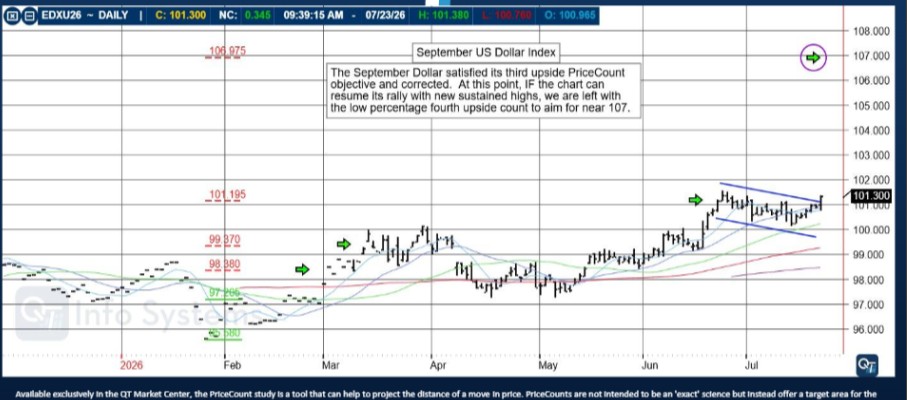
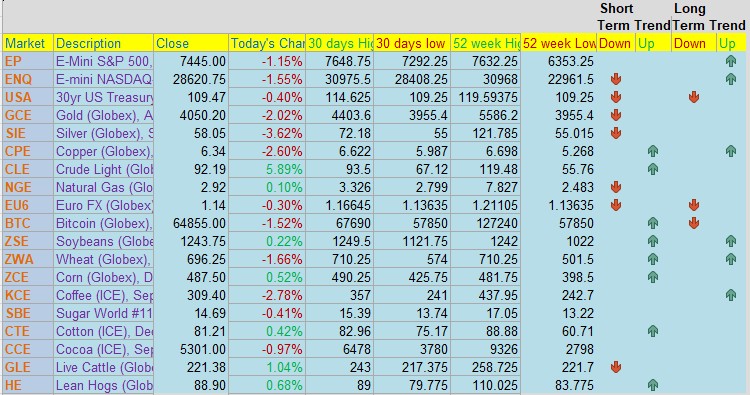
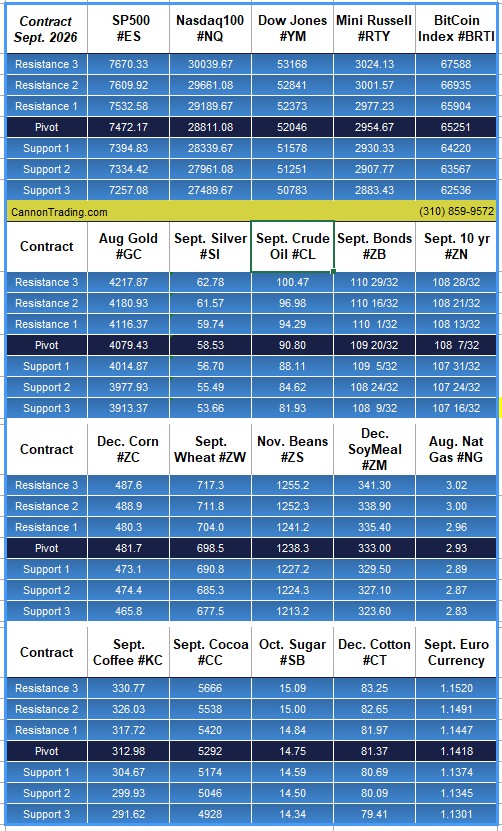
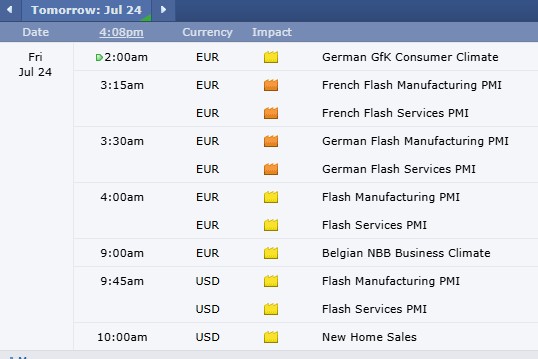






Reading the Dealer Gamma Map PLUS: Pre-Market Briefing, CannonEdge Snapshot, Levels, Reports; Your 5 Important Can’t-Miss Need-To-Knows for Trading Futures on July 23rd, 2026
|
|||||||||||||||||||||||||||||||||||||||||||||||||||||||||||||||||||||||||||||||||||||||||||||
|
|||||||||||||||||||||||||||||||||||||||||||||||||||||||||||||||||||||||||||||||||||||||||||||
|
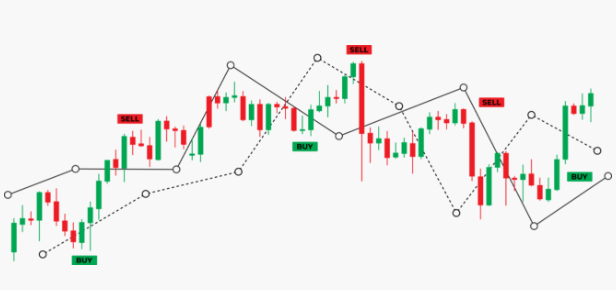
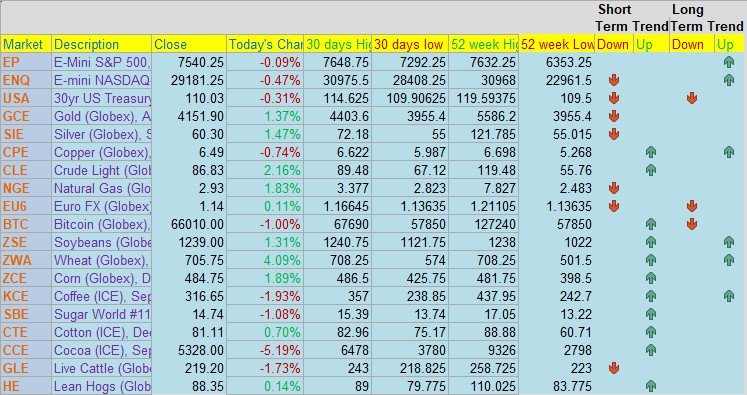
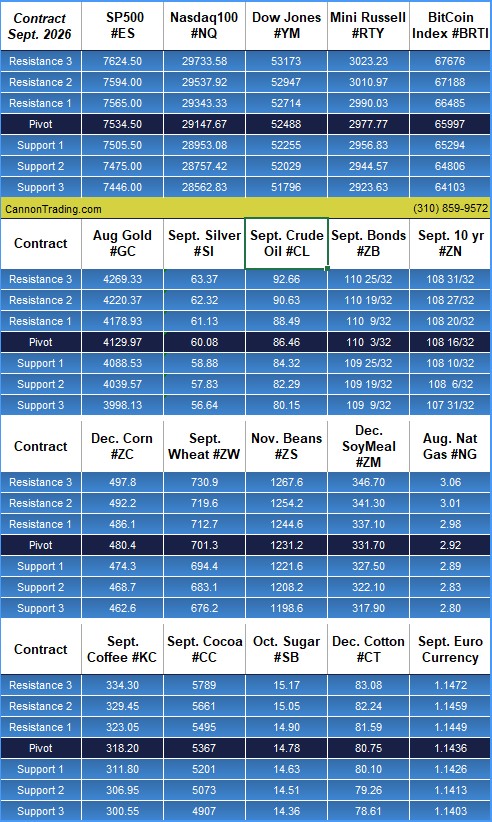
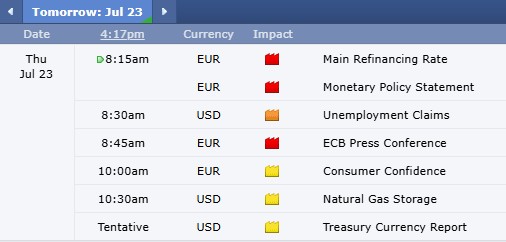
8 Steps to Successful Futures Trading PLUS: September Lumber, Pre-Market Briefing, CannonEdge Snapshot, Levels, Reports; Your 6 Important Can’t-Miss Need-To-Knows for Trading Futures on July 22nd, 2026
|
|||||||||||||||||||||||||||||||||||||||||||||||||||||||||||||||||||||||||||||||||||||||||||||||||
|
|||||||||||||||||||||||||||||||||||||||||||||||||||||||||||||||||||||||||||||||||||||||||||||||||
|
Silver Futures Contract
Silver Futures Contract
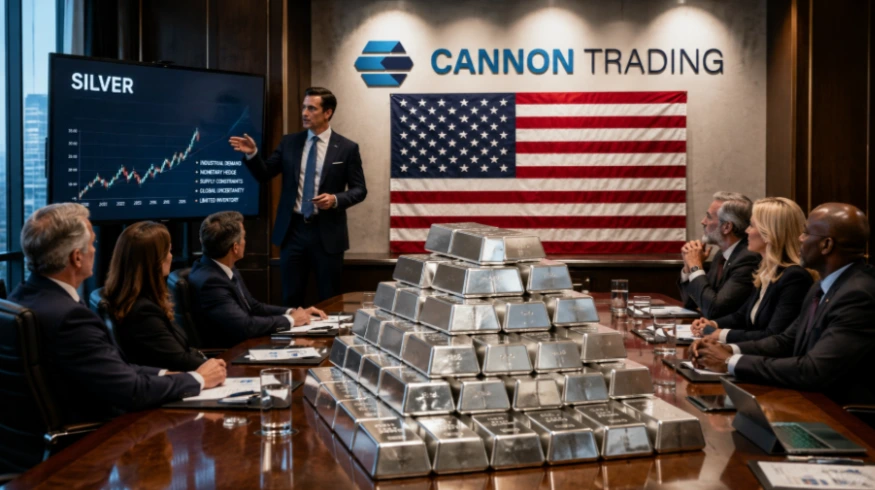
Top 10 Reasons Traders Choose Silver for Reliable Futures Trading with Cannon Trading Company
The silver futures contract has remained one of the most actively followed precious metals products in the global derivatives markets for decades. Whether the goal is speculation, portfolio diversification, or commercial hedging, traders continue returning to this market because of its liquidity, transparency, and broad participation.
The CME provides a centralized marketplace where traders can access standardized contracts, competitive price discovery, and nearly around-the-clock electronic trading. Combined with the brokerage services and technology available through Cannon Trading Company, traders have access to professional tools designed to accommodate every trading style.
Below are ten detailed reasons why traders consistently rely on the silver futures contract and why Cannon Trading Company continues to serve futures traders worldwide.
- Exceptional Liquidity Creates Consistent Trading Opportunities
Liquidity remains one of the greatest advantages of the silver market.
A highly liquid silver futures contract allows traders to enter and exit positions efficiently throughout the trading session. Increased participation generally results in tighter bid-ask spreads and smoother execution.
Institutional investors, mining companies, refiners, manufacturers, hedge funds, and retail traders all contribute to market depth.
Examples include:
- Active intraday scalping opportunities
- Swing trading over multiple days
- Longer-term macroeconomic positioning
- Commercial hedging activities
Because of this diverse participation, the market remains active across numerous global trading sessions.
2. Silver Responds to Multiple Economic Drivers
Unlike many commodities, silver responds to several major economic themes simultaneously.
These include:
- Inflation expectations
- Industrial manufacturing demand
- Monetary policy
- Currency movements
- Investor demand for precious metals
This creates numerous trading opportunities throughout the year.
For example, stronger manufacturing data may support industrial demand while declining interest rates may simultaneously increase investment demand for precious metals.
These overlapping influences help create regular price movement.
3. Excellent Volatility for Active Traders
Many traders appreciate silver because it often experiences larger percentage price movements than gold.
Meaningful price movement can provide opportunities for:
- Day traders
- Swing traders
- Position traders
The CME’s transparent marketplace allows traders to respond quickly as economic reports, Federal Reserve announcements, inflation releases, and geopolitical events influence prices.
Proper risk management remains essential, but experienced traders often appreciate silver’s ability to produce significant trading opportunities.
4. Nearly Around-the-Clock Trading Hours
Global electronic trading gives traders flexibility.
Rather than waiting for traditional stock market hours, traders can monitor positions during many international sessions.
Benefits include:
- Responding to overnight news
- Trading international developments
- Managing risk before U.S. market open
- Adjusting positions after economic reports
This flexibility makes the silver futures contract attractive for traders worldwide.
5. Transparent Pricing Through the CME
Price transparency builds confidence.
The CME provides centralized trading where buyers and sellers interact openly.
Every transaction contributes to real-time price discovery.
Instead of relying upon fragmented pricing, traders observe a centralized marketplace with standardized contract specifications.
This transparency helps improve confidence in market participation.
6. Useful for Both Speculation and Hedging
Silver serves many industries.
Manufacturers, jewelry producers, electronics companies, and mining operations may all utilize futures for hedging purposes.
Meanwhile, speculative traders seek opportunities based upon anticipated price movement.
Examples include:
- Hedging inventory costs
- Protecting production
- Trading inflation expectations
- Responding to economic releases
This wide user base contributes to healthy market participation throughout the year.
7. Technical Analysis Works Well
Technical traders often favor silver because chart patterns frequently attract widespread attention.
Popular tools include:
- Moving averages
- Fibonacci retracements
- RSI
- MACD
- Volume analysis
Support and resistance levels often become closely watched by professional traders.
Many participants combine technical analysis with economic fundamentals to improve decision making.
8. Numerous Educational Resources
The silver market has decades of educational material available.
Resources provided through the CME and Cannon Trading Company help traders better understand:
- Contract specifications
- Margin requirements
- Risk management
- Economic influences
- Trading strategies
Education allows newer traders to become increasingly comfortable before risking capital.
Experienced traders also benefit from continuing education as market conditions evolve.
9. Diversification Benefits
Silver behaves differently than many financial assets.
Although correlations change over time, precious metals may respond differently than stock indexes, bonds, or agricultural commodities.
Portfolio diversification remains one reason traders continue incorporating silver into broader futures portfolios.
Some traders combine:
- Stock index futures
- Energy futures
- Agricultural futures
- Precious metals
- Interest rate futures
Diversification may help reduce concentration within a trading portfolio.
10. Strong Historical Market Participation
The silver market has maintained global importance for decades.
Industrial demand continues expanding into electronics, solar technology, medical applications, and manufacturing.
Investment demand also remains significant during periods of economic uncertainty.
This combination of industrial and investment demand helps support long-term trader interest.
Many experienced futures traders continue returning to the silver futures contract because of this balanced market structure.
Cannon Trading Company’s Trading Platforms Support Every Style
Technology plays a significant role in successful futures trading.
Cannon Trading Company offers multiple professional trading platforms designed to meet varying trader preferences.
Examples include:
- CannonX
- CQG
- TradingView connectivity
- Mobile trading applications
- Advanced charting software
Whether a trader prefers one-click execution, DOM trading, chart trading, algorithmic strategies, or mobile access, multiple solutions are available.
Scalpers often appreciate fast order entry.
Swing traders frequently utilize advanced charting.
Position traders benefit from detailed technical studies and flexible order management.
Multiple platform choices allow traders to select technology matching their experience level and trading objectives.
Why Opening a Futures Account Is So Seamless
Beginning futures trading should not involve unnecessary complications.
Cannon Trading Company has refined its account opening process over many decades.
The process generally includes:
- Online application
- Identity verification
- Required compliance documentation
- Account approval
- Funding
- Platform setup
Knowledgeable brokerage professionals remain available throughout the process.
Rather than leaving applicants uncertain, experienced staff members answer questions regarding documentation, funding options, platform selection, and account configuration.
This personalized assistance helps many traders begin trading efficiently.
Why Traders Continue Choosing Cannon Trading Company
Experience matters in futures brokerage.
Cannon Trading Company has served futures traders since 1988 while maintaining strong relationships throughout the futures industry.
Several factors distinguish the firm.
- Decades of brokerage experience
- Wide platform selection
- Professional customer support
- Educational resources
- Competitive technology
- Global client service
- Responsive broker assistance
- Multiple futures market access
Many clients appreciate speaking directly with experienced brokerage professionals instead of navigating automated systems.
This personal service remains increasingly valuable during volatile market conditions.
The firm’s emphasis on education also benefits traders.
Clients gain access to market commentary, educational materials, platform assistance, and experienced guidance designed to help them better understand futures markets.
Positive customer feedback on Trustpilot further reflects Cannon Trading Company’s long-standing commitment to customer satisfaction.
Combined with access to CME-listed futures products and modern trading technology, Cannon Trading Company continues serving traders across numerous countries.
Its reputation has been built over decades through consistent customer service, reliable technology, and a commitment to helping traders navigate increasingly sophisticated futures markets.
The silver market continues attracting traders because it combines liquidity, transparency, meaningful volatility, global participation, and broad economic relevance.
The silver futures contract provides opportunities for active traders, longer-term investors, and commercial hedgers alike.
When paired with Cannon Trading Company’s broad platform selection, experienced brokerage support, streamlined account opening process, and decades of industry experience, traders receive access to professional tools designed for today’s competitive futures environment.
Whether someone is entering the futures markets for the first time or expanding an established trading portfolio, the combination of CME products and Cannon Trading Company’s customer-focused approach offers a strong foundation for participating in the global futures markets.
Frequently Asked Questions
What is a silver futures contract?
A silver futures contract is a standardized agreement traded on the CME to buy or sell a specified amount of silver at a future date under standardized contract specifications.
Why do traders choose silver instead of gold?
Silver often experiences greater percentage price movement than gold while also benefiting from both industrial demand and investment demand.
Is silver suitable for day trading?
Many active traders use silver because of its liquidity, regular price movement, and extended electronic trading hours.
What trading platforms does Cannon Trading Company offer?
Cannon Trading Company offers multiple professional trading platforms, including CannonX, CQG, TradingView connectivity, and mobile trading solutions designed for different trading styles.
How long does it take to open a futures account?
The timeline depends upon completing required documentation and verification. Cannon Trading Company assists applicants throughout the process to help facilitate efficient account setup.
Why has Cannon Trading Company remained successful for decades?
Its longevity reflects experienced brokerage professionals, multiple trading platforms, educational resources, personalized customer service, and a longstanding commitment to serving futures traders worldwide.
Ready to start trading futures? Call us at 1(800)454-9572 (US) or (310)859-9572 (International), or email info@cannontrading.com to speak with one of our experienced, Series-3 licensed futures brokers and begin your futures trading journey with Cannon Trading Company today.
Disclaimer: Trading Futures, Options on Futures, and retail off-exchange foreign currency transactions involve substantial risk of loss and are not suitable for all investors. Past performance is not indicative of future results. Carefully consider if trading is suitable for you in light of your circumstances, knowledge, and financial resources. You may lose all or more of your initial investment. Opinions, market data, and recommendations are subject to change at any time.
Important: Trading commodity futures and options involves a substantial risk of loss. The recommendations contained in this article are opinions only and do not guarantee any profits. This article is for educational purposes. Past performances are not necessarily indicative of future results.
This article has been generated with the help of AI Technology and modified for accuracy and compliance.
Follow us on all socials: @cannontrading
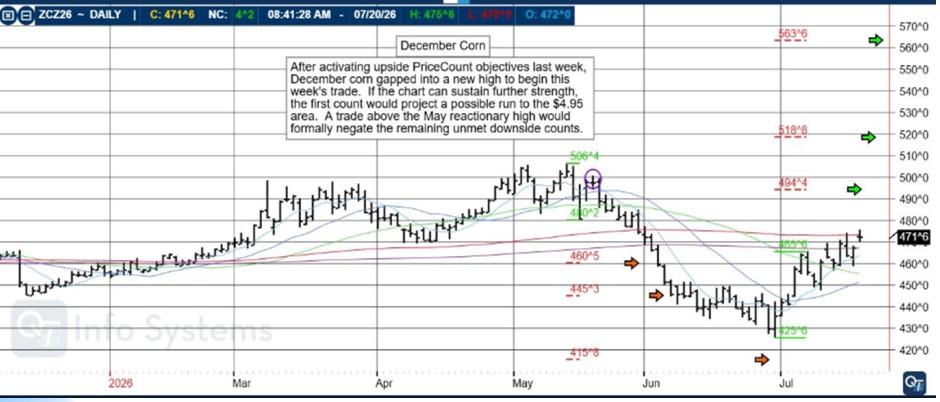
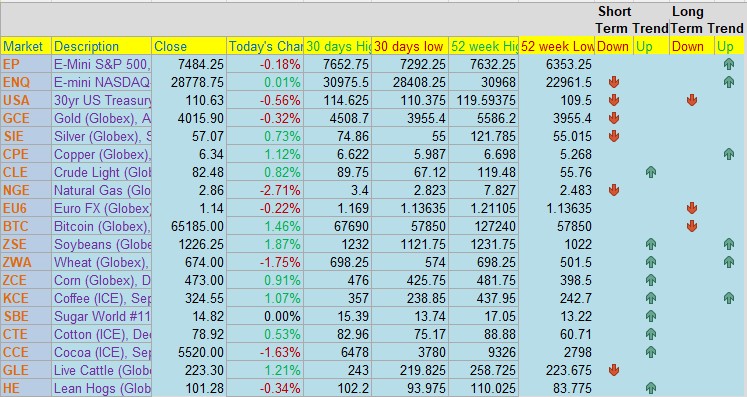
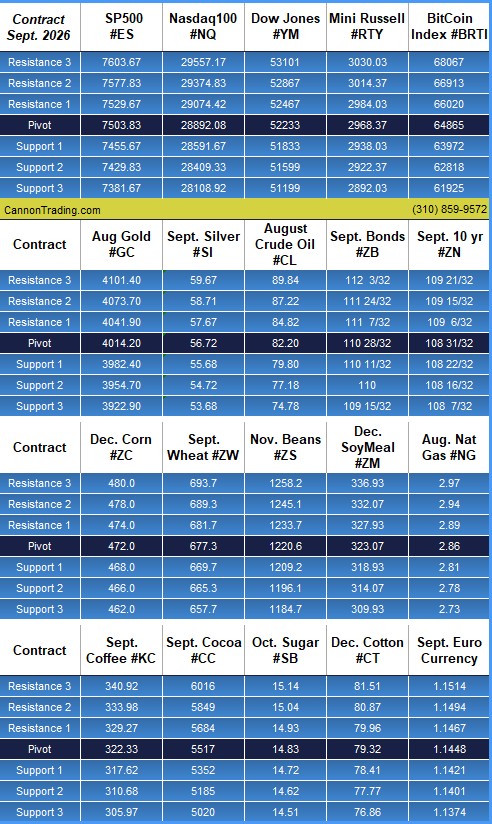
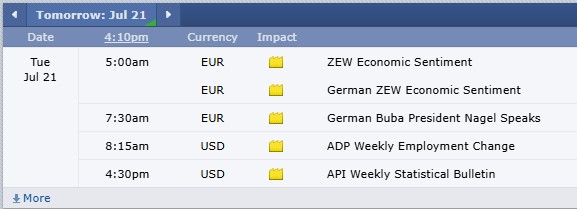
Complacency CRACK: A Semiconductor Scare Breaks the Calm PLUS: December Corn, CannonEdge Snapshot, Levels, Reports; Your 5 Important Can’t-Miss Need-To-Knows for Trading Futures on July 21st, 2026
|
|||||||||||||||||||||||||||||||||||||||||||||||||||||||||||||||||||||||||||||||||||||||||||||||||
|
|||||||||||||||||||||||||||||||||||||||||||||||||||||||||||||||||||||||||||||||||||||||||||||||||
|

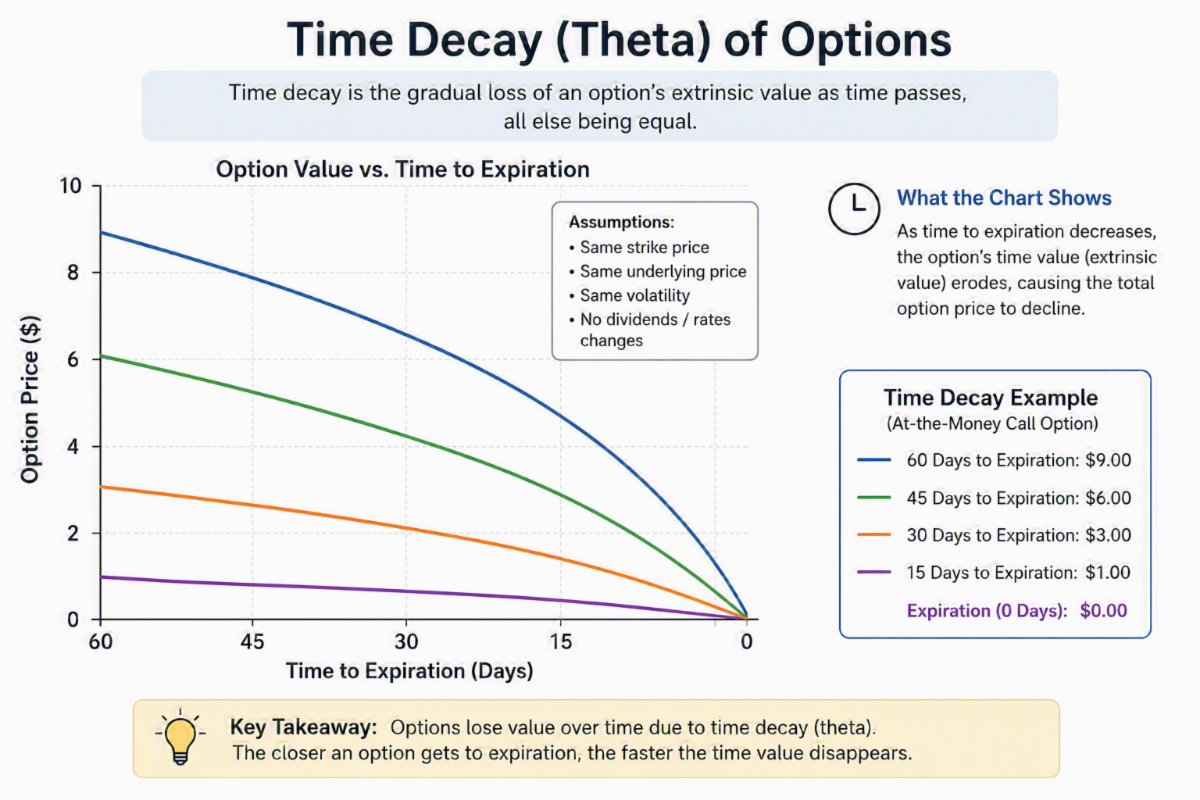
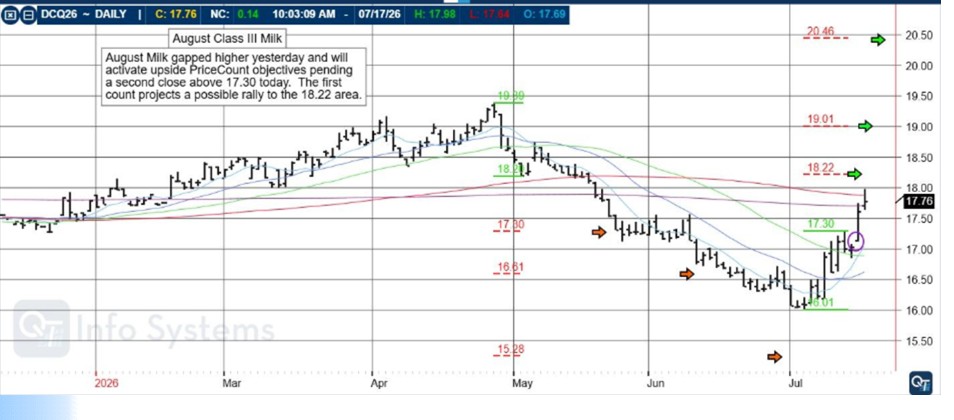
The Week Ahead – Bulls n’ Bears on the Futures Markets PLUS: Options 101 Cont’d, August Class III Milk, CannonEdge Snapshot, Levels, Reports; Your 6 Important Can’t-Miss Need-To-Knows before Trading Futures the Week of July 20th, 2026
|
|||||||||||||||||||||||||||||||||||||||||||||||||||||||||||||||||||||||||||||||||||||||||||||||||||||||||||||||||||||||||||||||
|
|||||||||||||||||||||||||||||||||||||||||||||||||||||||||||||||||||||||||||||||||||||||||||||||||||||||||||||||||||||||||||||||
|

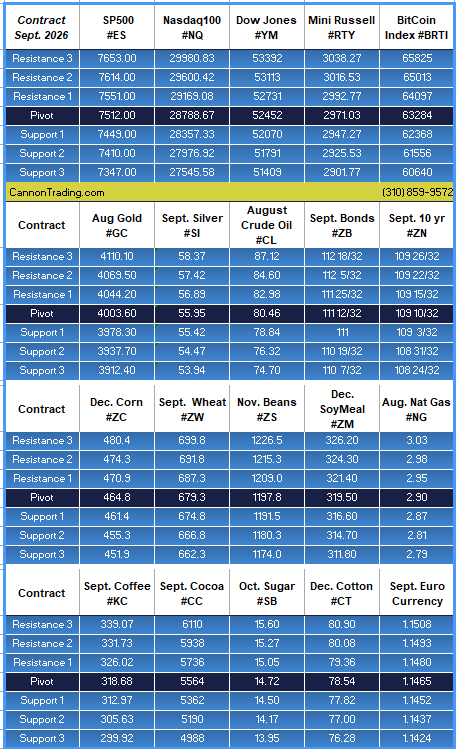
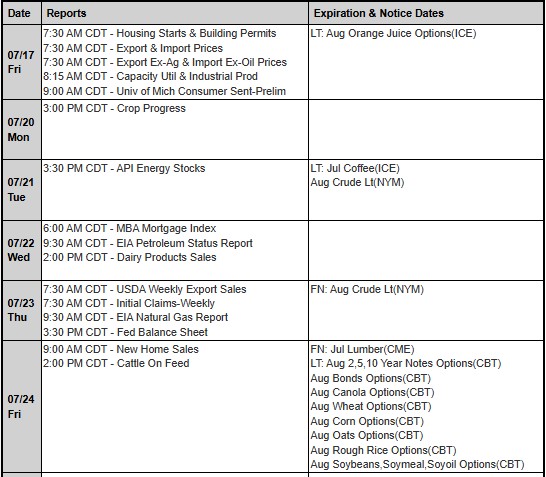
NEW VIDEO: Using Trade Signals with Price Confirmation PLUS: December Meal, CannonEdge Snapshot, Levels, Reports; Your 5 Important Can’t-Miss Need-To-Knows before Trading Futures on July 17th, 2026
|
|||||||||||||||||||||||||||||||||||||||||||||||||||||||||||||||||||||||||||||||||||||||||||||||||||
|
|||||||||||||||||||||||||||||||||||||||||||||||||||||||||||||||||||||||||||||||||||||||||||||||||||
|

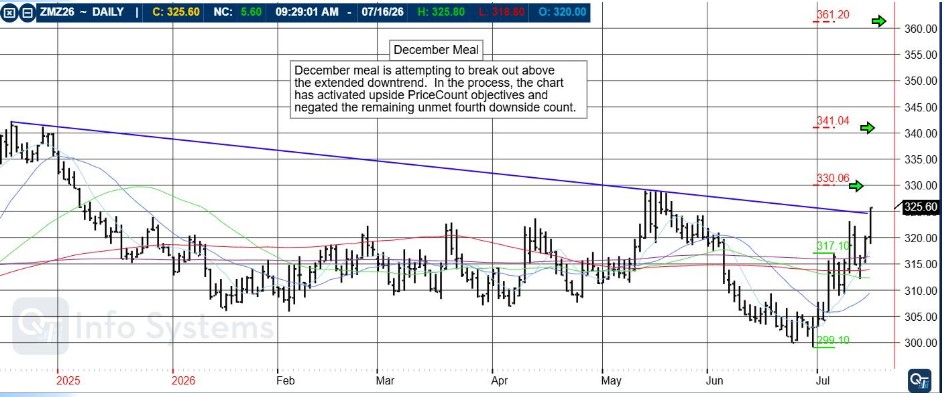
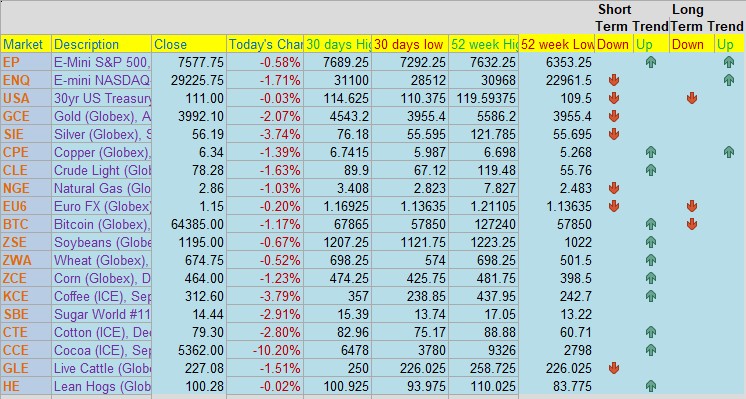
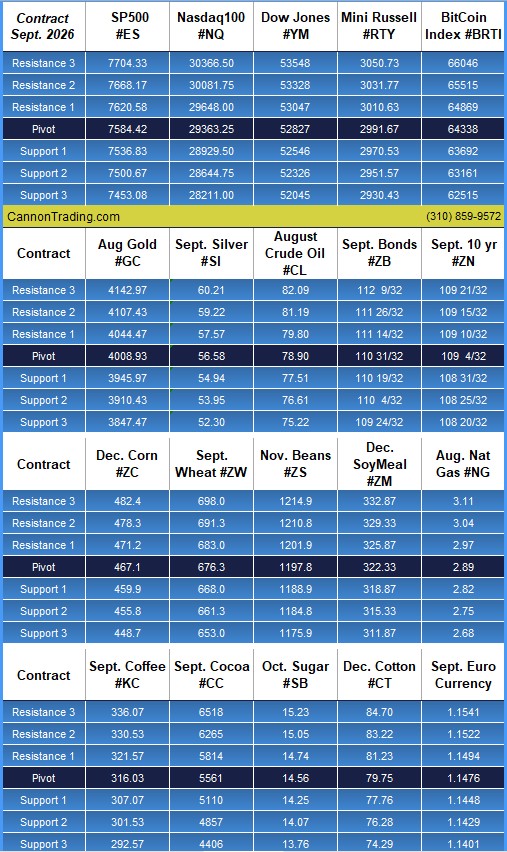
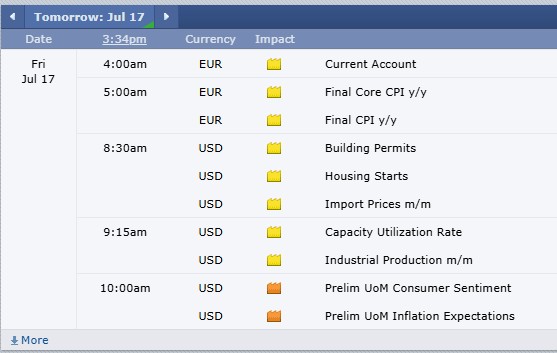
Futures: How to Better Manage Losing Days PLUS: September E-Mini S&P, CannonEdge Snapshot, Levels, Reports; Your 5 Important Can’t-Miss Need-To-Knows for Trading Futures on July 16th, 2026
|
|||||||||||||||||||||||||||||||||||||||||||||||||||||||||||||||||||||||||||||||||||||||||||||||||||
|
|||||||||||||||||||||||||||||||||||||||||||||||||||||||||||||||||||||||||||||||||||||||||||||||||||
|

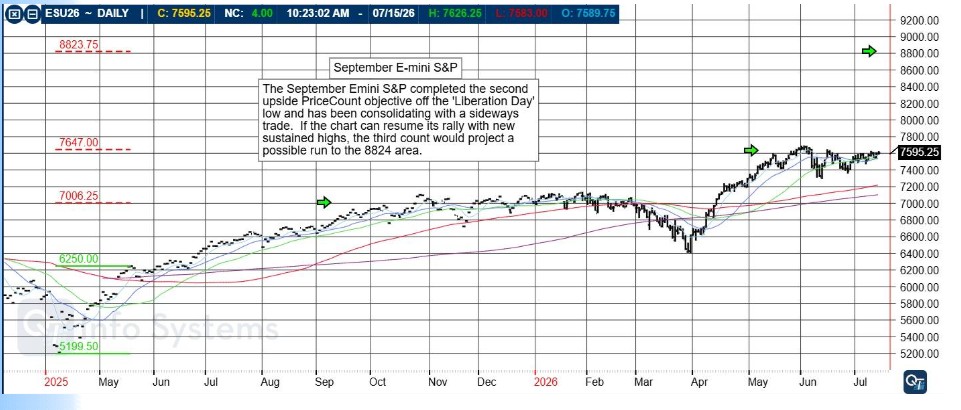
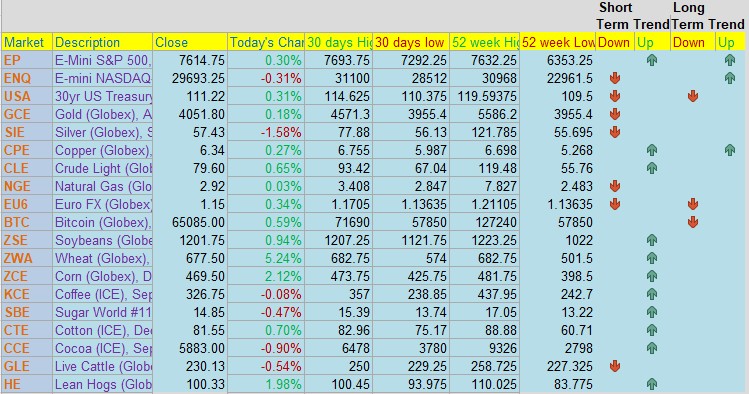
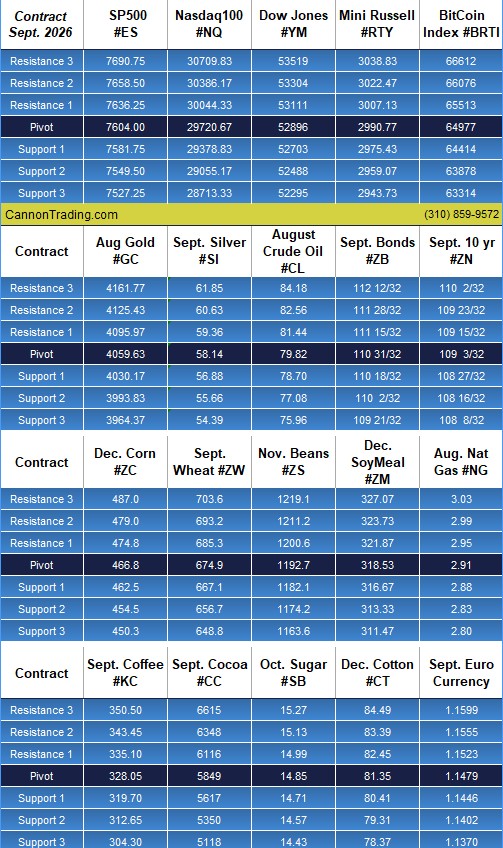
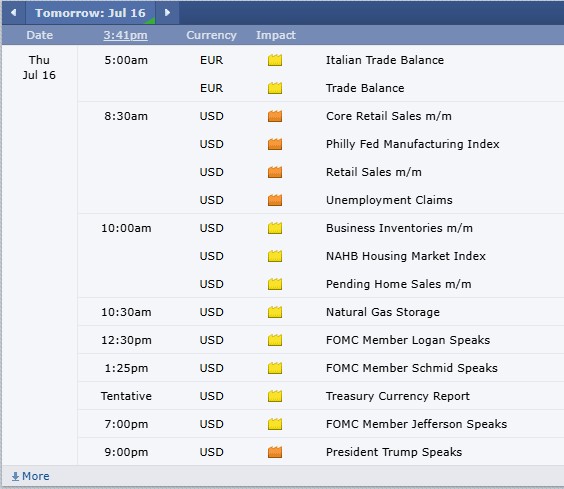
Futures: Some Days Are Simply Losing Days PLUS: September Wheat, Pre-Market Briefing, CannonEdge Snapshot, Levels, Reports; Your 6 Important Can’t-Miss Need-To-Knows for Trading Futures on July 15th, 2026
|
|||||||||||||||||||||||||||||||||||||||||||||||||||||||||||||||||||||||||||||||||||||||||||||||||
|
|||||||||||||||||||||||||||||||||||||||||||||||||||||||||||||||||||||||||||||||||||||||||||||||||
|

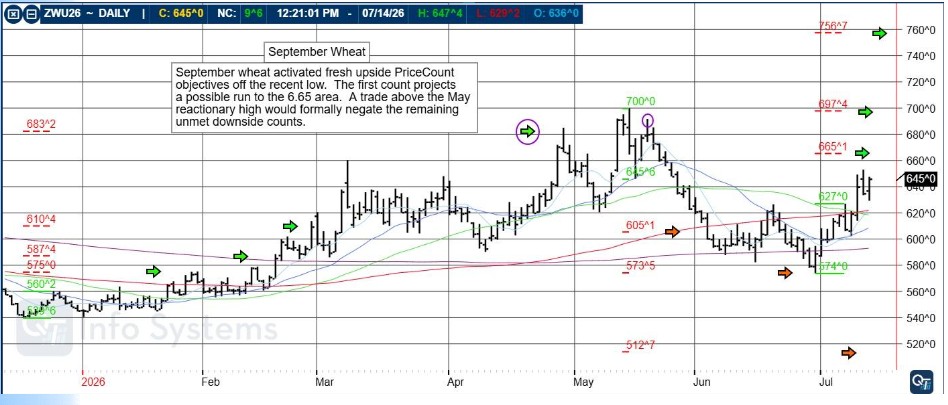
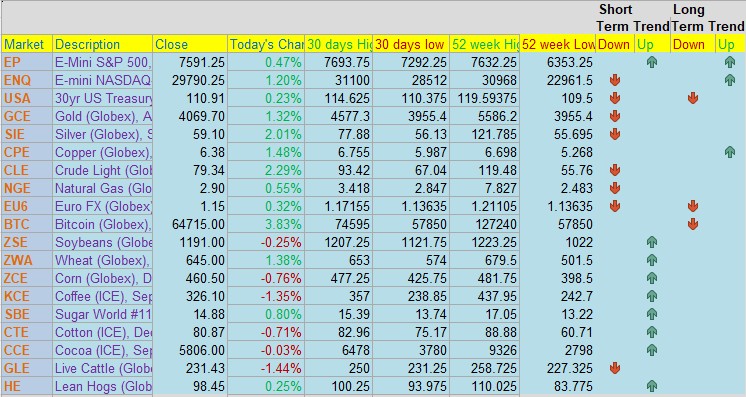
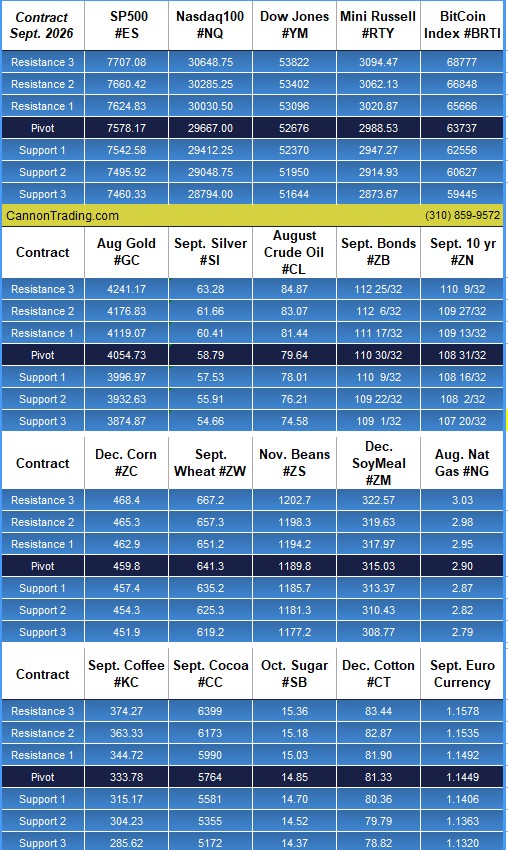
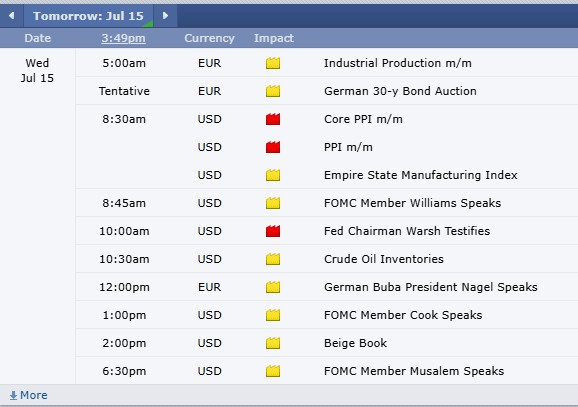
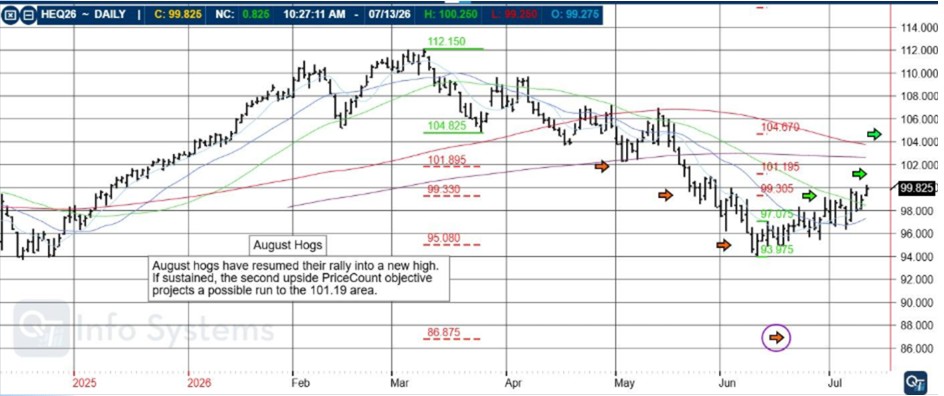
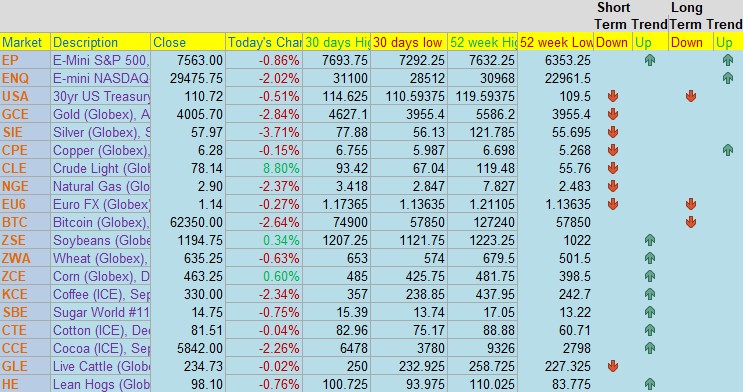
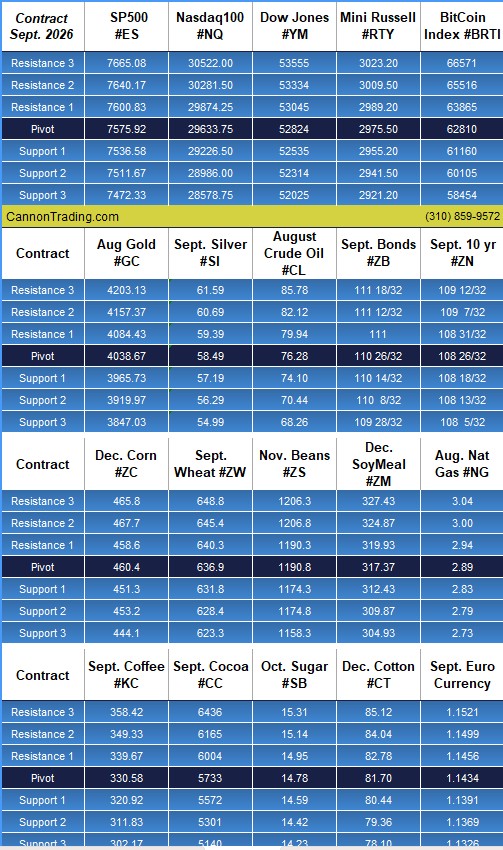
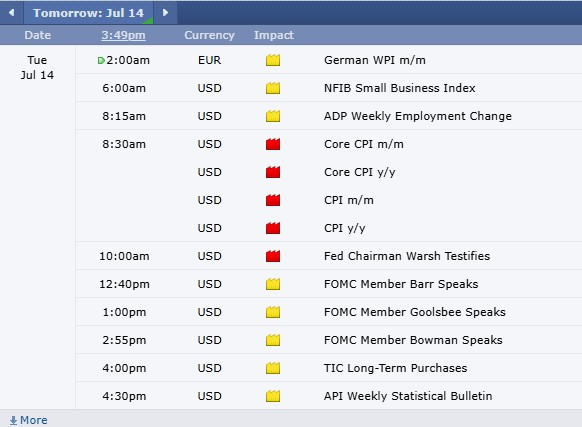
US/Iran Conflict: Crude Oil, S&P 500 and more PLUS: August Hogs, CannonEdge Snapshot, Pre-Market Briefing, Levels, Reports; Your 6 Important Can’t-Miss Need-To-Knows for Trading Futures on July 14th, 2026
|
|||||||||||||||||||||||||||||||||||||||||||||||||||||||||||||||||||||||||||||||||||||||||||||||||
|
|||||||||||||||||||||||||||||||||||||||||||||||||||||||||||||||||||||||||||||||||||||||||||||||||
|