|
|||||||||||||||||||||||||||||||||||||||||||||||||||||||||||||
|
|||||||||||||||||||||||||||||||||||||||||||||||||||||||||||||
|
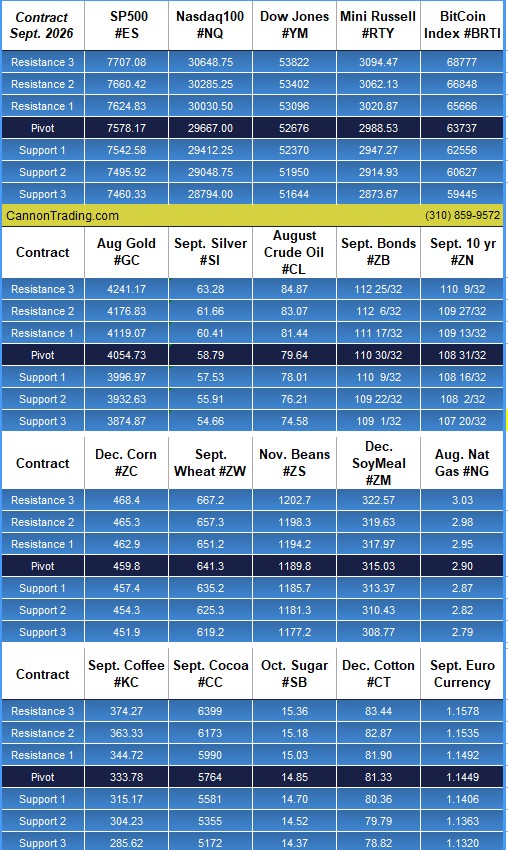
Support & Resistance Levels
This Blog provides futures market outlook for different commodities and futures trading markets, mostly stock index futures, as well as support and resistance levels for Crude Oil futures, Gold futures, Euro currency and others. At times the daily trading blog will include educational information about different aspects of commodity and futures trading.
- automated futures trading (1)
- Bitcoin Futures (114)
- Charts & Indicators (310)
- Commodity Brokers (595)
- commodity futures (1)
- Commodity Trading (851)
- copper futures contract (3)
- Corn Futures (65)
- Crude Oil (243)
- Currency Futures (103)
- Day Trading (664)
- Day Trading Webinar (61)
- E-Mini Futures (165)
- Economic Trading (166)
- Energy Futures (131)
- Financial Futures (187)
- Future Trading News (3,203)
- Future Trading Platform (328)
- Futures Broker (666)
- Futures Exchange (347)
- Futures trade copier (1)
- Futures Trading (1,273)
- futures trading education (446)
- futures trading indicators (2)
- Gold Futures (114)
- Grain Futures (103)
- Index Futures (271)
- Indices (233)
- institutional futures trading platforms (1)
- Metal Futures (146)
- Nasdaq (79)
- Natural Gas (40)
- Options Trading (193)
- S&P 500 (146)
- trading futures (4)
- Trading Guide (449)
- Trading Webinar (60)
- Trading Wheat Futures (46)
- tradingview trading platform (2)
- Uncategorized (26)
- Weekly Newsletter (233)
Futures Trading Signals
Technical Analysis Tools for Day Traders

Day trading in the futures markets requires speed, discipline, and access to powerful analytical tools. Traders rely on technical analysis to interpret price behavior, anticipate market movements, and execute trades efficiently. With modern platforms and brokerage technology evolving rapidly, traders now have access to highly advanced analytics that were once limited to institutional desks.
Understanding the best technical analysis tools can help traders make informed decisions while managing risk. When combined with strong brokerage infrastructure, these tools enable traders to identify opportunities, refine strategies, and deploy sophisticated futures algorithmic trading strategies.
Cannon Trading Company has been supporting traders for decades by providing cutting-edge platforms, advanced analytics, and direct access to futures markets. With a reputation built on reliability and technology, Cannon Trading Company continues to be a leading brokerage for traders seeking professional-grade trading tools.
Core Charting Platforms for Day Traders
Charting software remains the foundation of technical analysis. Futures traders rely on detailed charts to identify trends, entry points, and momentum shifts.
High-quality platforms allow traders to combine multiple indicators, overlays, and timeframes within a single workspace.
Top charting capabilities include:
- Multi-timeframe chart analysis
Traders can simultaneously view 1-minute, 5-minute, and hourly charts. This layered view improves accuracy when interpreting futures trading signals. - Custom indicator stacking
Modern platforms allow several futures trading indicators to run simultaneously without slowing execution speed. - Volume and liquidity visualization
Futures markets often show strong volume patterns. Visualizing volume alongside price action enhances decision making. - Template creation
Traders can build custom chart templates that automatically load preferred futures trading indicators.
Common charting tools used by professionals include:
- Depth-of-market chart overlays
- Volume profile charts
- Candlestick pattern recognition
- Order flow visualization
A brokerage like Cannon Trading Company ensures traders can access professional charting platforms with fast data feeds and reliable connectivity.
Moving Averages and Trend Detection Tools
Trend analysis is essential for day traders operating in fast-moving futures markets.
Moving averages help identify the prevailing direction of price movement while filtering out market noise.
Important moving average tools include:
- Simple Moving Average (SMA)
- Exponential Moving Average (EMA)
- Weighted Moving Average
- Moving Average Convergence Divergence (MACD)
These tools assist traders in confirming futures trading signals when price crosses key averages.
For example, when a short-term EMA crosses above a longer-term average, traders may interpret this as bullish momentum.
Many traders integrate moving averages into futures algorithmic trading strategies because they provide systematic rules for automated trading systems.
Advanced platforms allow traders to:
- Backtest moving average strategies
- Combine averages with momentum indicators
- Create automated triggers based on price crossover
These features are especially useful when traders want to convert discretionary strategies into automated systems.
Momentum Indicators for Intraday Opportunities
Momentum indicators help traders measure the speed and strength of price movements.
These tools are critical when identifying short-term opportunities in futures markets.
Popular momentum tools include:
- Relative Strength Index (RSI)
- Stochastic Oscillator
- Commodity Channel Index (CCI)
- Rate of Change indicator
These indicators are commonly used to detect overbought and oversold market conditions.
For example:
- RSI above 70 may indicate overbought conditions
- RSI below 30 may suggest oversold conditions
When paired with other futures trading indicators, these tools help confirm trade setups.
Professional traders often combine momentum tools with price action to filter unreliable futures trading signals.
Momentum indicators are also integrated into many futures algorithmic trading strategies because they produce quantifiable rules that can be programmed into trading systems.
Volume Analysis and Order Flow Tools
Volume is one of the most important metrics in futures trading.
According to data published by the CME Group, futures markets generate significant liquidity across global asset classes including equities, energy, agriculture, and interest rates.
Volume tools help traders understand where institutional activity is concentrated.
Key volume analysis tools include:
- Volume profile charts
- Footprint charts
- Time and sales analysis
- Order flow heat maps
These tools allow traders to see where large market participants are placing orders.
Advantages of order flow analysis include:
- Identifying support and resistance levels
- Detecting hidden liquidity
- Validating futures trading signals with real market activity
Many professional traders incorporate these insights into futures algorithmic trading strategies to capture short-term price inefficiencies.
Volume-based futures trading indicators also help traders avoid false breakouts.
Algorithmic Trading Tools for Advanced Traders
Algorithmic trading has become increasingly popular among futures traders.
Automated systems allow traders to execute strategies with speed and consistency.
Platforms supported by professional brokerages often include tools for designing and deploying automated strategies.
Key features include:
- Strategy backtesting engines
- Custom scripting languages
- Automated trade execution systems
- Historical data analysis
Common components used in futures algorithmic trading strategies include:
- Moving average crossovers
- Momentum-based entry signals
- Volatility filters
- Risk management rules
Algorithmic systems process market data continuously, generating futures trading signals based on predefined rules.
These systems rely heavily on reliable futures trading indicators to trigger trades.
Professional traders often use algorithms to remove emotional bias and maintain consistent execution.
With proper development, automated systems can operate across multiple futures contracts simultaneously.
Risk Management Tools and Technical Filters
Risk management is a critical component of successful day trading.
Even the most accurate futures trading signals cannot eliminate risk entirely.
Technical filters help traders control exposure while improving strategy reliability.
Important risk tools include:
- Average True Range (ATR) for volatility measurement
- Bollinger Bands for volatility expansion detection
- Support and resistance levels
- Position sizing calculators
These tools help traders determine optimal stop-loss levels and profit targets.
For example:
- ATR can determine logical stop distance based on current volatility
- Bollinger Bands highlight potential breakout conditions
- Support levels help confirm futures trading signals
Many traders incorporate these filters into futures algorithmic trading strategies to ensure consistent risk parameters.
This structured approach allows traders to maintain discipline even during volatile market conditions.
How Your Broker Enhances Technical Analysis Tools
A trader’s brokerage plays a major role in the effectiveness of technical analysis.
Even the best indicators require reliable market data and fast execution infrastructure.
Cannon Trading Company provides traders with professional-grade trading technology designed specifically for the futures markets.
Key advantages of working with a specialized futures broker include:
- Direct connectivity to futures exchanges
- Access to advanced trading platforms
- Institutional-level market data feeds
- Dedicated support from experienced brokers
Cannon Trading Company works closely with traders to ensure they can maximize their platform capabilities.
The brokerage also supports a wide range of futures trading indicators and technical tools across multiple trading platforms.
This flexibility allows traders to build customized workspaces tailored to their individual strategies.
For traders developing futures algorithmic trading strategies, having access to robust technology infrastructure is especially important.
Cannon Trading Company offers connectivity solutions that support automated trading environments and advanced analytics.
Why Cannon Trading Company Remains a Top Futures Broker
Cannon Trading Company has built a strong reputation in the futures industry over several decades.
The brokerage has consistently focused on providing traders with powerful tools, reliable technology, and personalized client support.
Several factors contribute to Cannon Trading Company’s reputation among professional futures traders.
Key strengths include:
- Decades of industry experience
Cannon Trading Company has supported traders through multiple market cycles. - Advanced trading technology
Traders can access sophisticated platforms designed for professional futures trading. - Competitive pricing and execution
Fast order routing helps traders capitalize on futures trading signals quickly. - Dedicated trader support
Experienced brokers assist clients in optimizing their technical analysis tools.
Platforms supported by Cannon Trading Company provide a wide range of futures trading indicators and advanced analytics.
This allows traders to experiment with both discretionary methods and futures algorithmic trading strategies.
Many traders also value the brokerage’s commitment to education and long-term client relationships.
For traders seeking a reliable partner in the futures markets, Cannon Trading Company remains a trusted choice.
Technical analysis tools are essential for modern day traders in the futures markets.
From charting platforms and momentum indicators to volume analysis and algorithmic trading systems, these tools help traders interpret price behavior and identify opportunities.
Successful traders combine multiple analytical methods to validate futures trading signals while maintaining strict risk management.
Futures trading indicators play a vital role in structuring disciplined strategies.
Meanwhile, futures algorithmic trading strategies allow traders to automate execution and scale their trading operations.
Equally important is the choice of brokerage.
Cannon Trading Company continues to stand out as a leading futures broker thanks to its technology, infrastructure, and long-standing commitment to traders.
By combining advanced tools with strong brokerage support, traders can better navigate the complexities of modern futures markets.
FAQ
What are technical analysis tools in futures trading?
Technical analysis tools help traders analyze price charts and market data to identify trends and trade opportunities. These tools include charting software, futures trading indicators, volume analysis tools, and algorithmic trading systems.
How do futures trading indicators help day traders?
Futures trading indicators help traders identify patterns, measure momentum, and detect trend changes. By combining several indicators, traders can generate reliable futures trading signals.
What are futures trading signals?
Futures trading signals are trade alerts generated by indicators, chart patterns, or automated systems. These signals guide traders on potential entry and exit points in the market.
What are futures algorithmic trading strategies?
Futures algorithmic trading strategies use automated systems that follow predefined trading rules. These strategies analyze market data and execute trades automatically when conditions are met.
Why choose Cannon Trading Company for futures trading?
Cannon Trading Company provides professional trading platforms, advanced technical tools, and decades of experience supporting futures traders. Their infrastructure helps traders efficiently deploy futures trading indicators and futures algorithmic trading strategies.
Ready to start trading futures? Call us at 1(800)454-9572 (US) or (310)859-9572 (International), or email info@cannontrading.com to speak with one of our experienced, Series-3 licensed futures brokers and begin your futures trading journey with Cannon Trading Company today.
Disclaimer: Trading Futures, Options on Futures, and retail off-exchange foreign currency transactions involve substantial risk of loss and are not suitable for all investors. Past performance is not indicative of future results. Carefully consider if trading is suitable for you in light of your circumstances, knowledge, and financial resources. You may lose all or more of your initial investment. Opinions, market data, and recommendations are subject to change at any time.
Important: Trading commodity futures and options involves a substantial risk of loss. The recommendations contained in this article are opinions only and do not guarantee any profits. This article is for educational purposes. Past performances are not necessarily indicative of future results.
This article has been generated with the help of AI Technology and modified for accuracy and compliance.
Follow us on all socials: @cannontrading
Institutional Futures Trading Platforms
Agriculture Commodities: Corn and Soybean Tips

Corn and soybean futures remain two of the most actively traded agricultural commodities in the global derivatives market. These contracts provide traders, farmers, and institutions with powerful tools to hedge risk, speculate on price movements, and manage agricultural exposure.
Successful agriculture trading requires knowledge, discipline, and access to reliable brokerage infrastructure. Working with a professional futures broker—especially one connected to advanced institutional futures trading platforms—can dramatically improve execution quality and trading insights.
At the same time, traders must manage costs carefully. Many experienced market participants prefer top-rated futures brokers with volume-based commission rebates, because reduced trading costs significantly improve long-term profitability.
Cannon Trading Company has built a reputation over decades as one of the most respected futures brokerages in the industry. Through its technology, client service, and experience in agricultural markets, the firm helps traders navigate corn and soybean futures with precision and confidence.
Corn and Soybean Futures Markets
Corn and soybean futures are traded primarily on the Chicago Board of Trade (CBOT), part of CME Group. These contracts allow traders to speculate on price changes or hedge physical agricultural exposure.
Several factors drive price volatility:
- Weather conditions across the U.S. Midwest
• Global demand for feed and biofuels
• Export policies and trade agreements
• Crop yield forecasts from USDA reports
• Currency fluctuations affecting exports
Because these variables constantly change, traders need strong analytics and execution tools. Access to institutional futures trading platforms allows market participants to monitor order flow, depth of market data, and liquidity conditions in real time.
Professional futures brokers help traders interpret these signals. They assist with understanding contract specifications, margin requirements, and seasonal trading patterns unique to corn and soybean markets.
Key Corn Trading Tips for Futures Traders
Corn futures have long been one of the most liquid agricultural contracts in the world. However, the market often reacts sharply to supply disruptions or government reports.
Consider these important strategies:
- Monitor USDA Reports Closely
Reports such as WASDE and Crop Progress frequently trigger volatility in corn futures. - Track Ethanol Demand
Corn demand is heavily tied to ethanol production levels. - Watch Weather Patterns
Droughts or excessive rainfall in the Midwest can dramatically impact supply expectations. - Understand Seasonal Patterns
Corn prices often move differently during planting, growing, and harvest seasons.
A professional broker can help traders implement these strategies efficiently using institutional futures trading platforms, which provide advanced charting, algorithmic tools, and fast order routing.
Experienced traders also appreciate working with top-rated futures brokers with volume-based commission rebates, because active corn trading often involves multiple entries and exits throughout a session.
Soybean Trading Strategies and Market Insights
Soybeans are another cornerstone of the agricultural futures market. Demand from livestock feed producers and global importers—particularly China—makes soybean futures highly responsive to global economic developments.
Successful soybean trading often involves combining several analytical approaches:
- Technical analysis of support and resistance levels
• Monitoring global soybean export flows
• Tracking crush margins and soybean oil demand
• Studying crop yield projections and acreage reports
High-quality market data plays a major role in identifying opportunities. Brokers that offer institutional futures trading platforms enable traders to analyze volume profiles, market depth, and institutional activity.
Professional brokers also guide clients through soybean spread strategies. For example, traders may trade soybean crush spreads or inter-commodity spreads involving soybean oil and soybean meal.
When implementing these strategies frequently, traders benefit from working with top-rated futures brokers with volume-based commission rebates, which lower transaction costs across multiple trades.
How a Futures Broker Helps Agriculture Traders
Many retail traders underestimate how much value a professional broker can add to agriculture trading.
A knowledgeable broker offers several advantages:
- Technology Access
Clients receive professional-grade trading software used across institutional futures trading platforms. - Execution Support
Brokers assist with trade routing, stop orders, and contingency planning during volatile markets. - Market Insights
Experienced brokers track developments from CME agricultural reports and provide timely updates. - Risk Management Guidance
Brokers help clients size positions appropriately and manage margin requirements. - Strategy Development
Traders can discuss ideas for spreads, hedging strategies, and seasonal patterns.
Lower commissions also play an important role. Many agriculture traders execute high volumes, so working with top-rated futures brokers with volume-based commission rebates helps maintain consistent profitability.
Cost Efficiency and Commission Advantages
Transaction costs accumulate quickly in futures trading.
Corn and soybean traders may execute dozens—or even hundreds—of trades per month. Without competitive pricing, these costs significantly impact performance.
This is why experienced traders seek top-rated futures brokers with volume-based commission rebates.
These programs reward active traders by reducing per-contract costs as trading volume increases.
For agriculture traders, cost savings create multiple advantages:
- Greater flexibility to scale trading strategies
• Improved profitability on short-term trades
• Lower barriers for hedging multiple crop positions
By partnering with a broker offering strong rebate programs, traders maintain competitive cost structures while accessing professional trading tools.
Why Cannon Trading Company Stands Out
Cannon Trading Company has supported futures traders for decades. The firm has earned recognition from traders across the industry for reliability, transparency, and technology access.
Several factors contribute to Cannon Trading’s reputation.
- Advanced Technology
Clients gain access to some of the most powerful institutional futures trading platforms, including systems used by professional and institutional market participants.
- Deep Agricultural Market Expertise
The brokerage has long experience assisting traders with corn, soybean, wheat, and other agricultural futures listed through CME markets.
- Client-Focused Service
Unlike many large brokerage firms, Cannon Trading offers personalized support. Traders can speak directly with knowledgeable brokers who understand agriculture markets.
- Competitive Pricing
Cannon Trading ranks among top-rated futures brokers with volume-based commission rebates, offering competitive pricing for active traders.
- Trusted Industry Reputation
Reviews across platforms such as Trustpilot highlight the firm’s long-standing commitment to trader success.
For traders seeking a brokerage that combines experience, service, and advanced technology, Cannon Trading continues to stand out.
Risk Management Tips for Corn and Soybean Traders
Agriculture markets can experience sudden volatility due to weather events, geopolitical developments, or supply shocks.
Effective risk management is essential.
Consider these key practices:
- Always use stop-loss orders when trading futures.
• Avoid over-leveraging positions relative to account size.
• Track margin requirements carefully during volatile periods.
• Diversify strategies across different agricultural contracts.
Professional brokers assist traders in implementing these protections through institutional futures trading platforms, which allow advanced order management and automated risk controls.
Active traders also reduce financial pressure by working with top-rated futures brokers with volume-based commission rebates, ensuring costs remain manageable even during high-volume trading periods.
Corn and soybean futures remain among the most dynamic markets in agriculture. Their liquidity, global importance, and volatility provide both hedging opportunities and speculative potential.
However, success requires more than simply predicting price direction.
Traders must combine:
- Reliable market data
• Efficient trade execution
• Effective cost management
• Professional broker support
Working with a brokerage that offers institutional futures trading platforms gives traders access to the same advanced tools used by professional market participants.
At the same time, selecting top-rated futures brokers with volume-based commission rebates ensures that trading costs remain competitive.
For decades, Cannon Trading Company has delivered these advantages to traders worldwide, helping clients navigate agricultural markets with confidence and precision.
FAQ: Corn and Soybean Futures Trading
What exchange lists corn and soybean futures?
Corn and soybean futures are listed on the Chicago Board of Trade (CBOT), which operates under CME Group.
Why are corn and soybean futures so actively traded?
These commodities are central to global agriculture and food production, making them essential for hedging and speculation.
How can a futures broker help agriculture traders?
A broker provides access to trading technology, market insights, and execution support while helping traders manage risk and margin requirements.
What platforms do professional traders use?
Many professionals rely on institutional futures trading platforms that provide advanced charting, order routing, and market data tools.
Why do commission rebates matter in futures trading?
Active traders benefit from working with top-rated futures brokers with volume-based commission rebates, because reduced transaction costs significantly improve overall profitability.
Ready to start trading futures? Call us at 1(800)454-9572 (US) or (310)859-9572 (International), or email info@cannontrading.com to speak with one of our experienced, Series-3 licensed futures brokers and begin your futures trading journey with Cannon Trading Company today.
Disclaimer: Trading Futures, Options on Futures, and retail off-exchange foreign currency transactions involve substantial risk of loss and are not suitable for all investors. Past performance is not indicative of future results. Carefully consider if trading is suitable for you in light of your circumstances, knowledge, and financial resources. You may lose all or more of your initial investment. Opinions, market data, and recommendations are subject to change at any time.
Important: Trading commodity futures and options involves a substantial risk of loss. The recommendations contained in this article are opinions only and do not guarantee any profits. This article is for educational purposes. Past performances are not necessarily indicative of future results.
This article has been generated with the help of AI Technology and modified for accuracy and compliance.
Follow us on all socials: @cannontrading
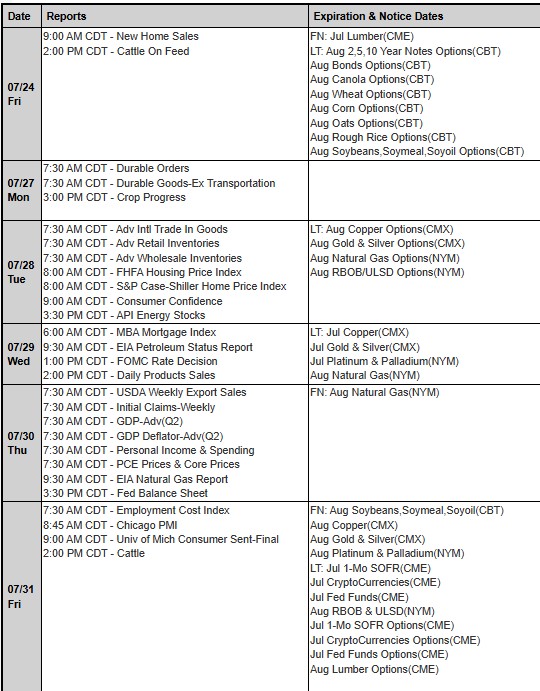
The Week Ahead – CRUDE OIL, Memorial Day, Earnings, Middle East Smoke Clearing? PLUS: Memorial Day Trading Schedule, Futures 102 – The Daily Briefing – What the Pros Know Before Trading, December Cotton Chart & Outlook, Cannon Edge Snapshot, Levels, Reports; Your 8 Important Cant’-Miss Need-To-Knows Before Trading Futures the Week of May 25th, 2026
|
|||||||||||||||||||||||||||||||||||||||||||||||||||||||||||||||||||||||||||||||||||||||||||||||||||||||||||||||||||||||||||
|
|||||||||||||||||||||||||||||||||||||||||||||||||||||||||||||||||||||||||||||||||||||||||||||||||||||||||||||||||||||||||||
|
Memorial Day 2026 Modified Trading Hours PLUS: July Hogs, CannonEdge Snapshot, Levels, Reports; Your 5 Important Can’t-Miss Need-To-Knows for Trading Futures on May 22nd, 2026
|
|||||||||||||||||||||||||||||||||||||||||||||||||||||||||||||||||||||||||||||||||||||||||||||||||||||||
|
|||||||||||||||||||||||||||||||||||||||||||||||||||||||||||||||||||||||||||||||||||||||||||||||||||||||
|
Automated Futures Trading
Automated Algo Trading Systems Explained

Automated trading technology has transformed the futures markets. Sophisticated software now executes trades in milliseconds, processes enormous datasets, and removes emotional bias from decision-making. For many traders and institutions, algorithmic automation has become a cornerstone of modern futures trading.
This guide explains the science behind automated systems, how automated futures trading works in practice, and how experienced brokers help traders deploy robust automation strategies. It also explores why Cannon Trading Company has become a trusted name among futures traders over decades of industry leadership.
The Core Concept of Algorithmic Trading
Algorithmic trading refers to using computer programs that follow defined rules to place and manage trades automatically. These rules are derived from statistical models, technical indicators, or quantitative research.
At its core, automated futures trading relies on a structured sequence:
- Market Data Collection
- Signal Generation
- Trade Execution
- Risk Management
- Performance Monitoring
Each step occurs automatically once the algorithm is activated.
These systems operate across modern futures trading platforms, where data feeds and execution engines communicate in real time. Platforms integrate historical data, technical analysis tools, and order routing technology.
In many cases, traders deploy commodity futures trading systems that focus on specific markets such as energy, metals, agriculture, or index futures.
Common algorithmic approaches include:
- Trend-following models
- Mean reversion strategies
- Statistical arbitrage
- Market making
- Machine learning predictive models
According to information provided by the CME Group, futures markets are particularly suited to algorithmic trading because of their transparency, liquidity, and standardized contracts.
The Science Behind Automated Trading Algorithms
The foundation of automated futures trading lies in quantitative finance. Traders use mathematics, statistics, and computing to analyze price behavior and build predictive trading models.
The scientific process typically follows these stages.
Data Modeling
Algorithms begin with historical market data. Developers analyze price patterns, volatility structures, and order flow dynamics.
Key variables include:
- price momentum
- volatility expansion
- liquidity levels
- seasonal behavior
- intermarket correlations
These datasets feed into mathematical models.
Strategy Design
Developers translate research findings into structured rule sets used by commodity futures trading systems.
Examples include:
- A breakout system entering trades when prices exceed a 20-day high.
- A volatility model adjusting position size based on risk metrics.
- A spread strategy comparing price relationships between correlated contracts.
Each rule is coded and tested within futures trading platforms capable of simulating historical trading conditions.
Backtesting
Backtesting allows traders to evaluate strategies against historical data.
Key performance metrics include:
- win rate
- maximum drawdown
- profit factor
- Sharpe ratio
- trade frequency
Backtesting ensures that automated futures trading models remain statistically valid before capital deployment.
Forward Testing
Before live trading begins, traders often test algorithms in simulated environments offered by modern futures trading platforms.
This process confirms the algorithm performs as expected under real-time conditions.
Key Components of a Professional Algo Trading System
Professional automation requires several integrated components.
Each component contributes to the reliability and precision of automated futures trading.
- Market Data Feeds
High-quality market data provides real-time price updates and historical information. Reliable feeds allow commodity futures trading systems to react instantly to price changes.
These feeds often include:
- Level 1 price quotes
- Level 2 order book depth
- time and sales data
Many institutional-grade futures trading platforms connect directly to exchange feeds provided through the CME infrastructure.
- Strategy Engine
The strategy engine executes algorithmic logic.
It determines:
- when to enter trades
- when to exit positions
- how large positions should be
Efficient strategy engines are essential for automated futures trading, particularly when dealing with fast-moving markets such as index or energy futures.
- Execution Technology
Execution systems transmit orders to exchanges.
Low latency execution matters because delays may reduce profitability.
Many advanced commodity futures trading systems are integrated with smart order routing features available within modern futures trading platforms.
- Risk Controls
Risk management is critical in algorithmic trading.
Systems typically include safeguards such as:
- daily loss limits
- position size limits
- volatility filters
- trade throttles
These features protect traders using automated futures trading from unexpected market shocks.
Examples of Popular Automated Futures Strategies
Algorithmic models operate across many futures markets. Below are practical examples commonly implemented in commodity futures trading systems.
Trend Following Systems
Trend models identify sustained price movements.
For example:
- A crude oil strategy buys when price closes above a 50-day moving average.
- The system exits when price falls below a 20-day average.
This approach allows automated futures trading models to capture longer directional moves.
Mean Reversion Strategies
Mean reversion models assume prices return to historical averages.
Typical setups include:
- short positions after rapid price spikes
- long positions during extreme short-term selloffs
These strategies are often deployed through specialized futures trading platforms capable of high-frequency execution.
Spread Trading Algorithms
Spread algorithms trade relationships between contracts.
Examples include:
- calendar spreads between contract months
- intermarket spreads between correlated commodities
Many professional commodity futures trading systems use spread trading to reduce directional risk.
Volatility Breakout Models
Volatility breakout systems trigger trades during periods of expanding price movement.
These models are particularly popular within automated futures trading systems used by systematic funds.
Futures Trading Platforms That Support Automation
Technology infrastructure plays a major role in successful algorithmic trading.
Professional futures trading platforms offer automation tools including:
- API integrations
- custom scripting languages
- strategy testing environments
- advanced order management
Common automation features include:
- Strategy automation tools
- Backtesting environments
- real-time market data feeds
- automated order execution modules
These capabilities allow traders to deploy automated futures trading strategies with precision.
Many commodity futures trading systems operate directly within these platforms, enabling traders to monitor positions while algorithms run continuously.
How Futures Brokers Support Algo Trading Setup
Algorithmic trading requires more than software.
Professional broker support plays a major role in implementation.
A futures broker assists traders using automated futures trading in several ways.
Infrastructure Setup
Brokers provide connectivity between futures trading platforms and exchange routing networks.
This ensures:
- stable data feeds
- reliable order routing
- exchange compliance
Platform Integration
Many brokers help traders integrate their commodity futures trading systems into approved trading platforms.
This may involve:
- API configuration
- order routing setup
- latency optimization
Risk Monitoring
Brokers monitor trading activity to ensure automated strategies operate within regulatory and risk parameters.
Such oversight helps traders maintain stability when running automated futures trading systems.
Education and Strategy Guidance
Experienced brokers often provide guidance on:
- platform selection
- automation tools
- strategy testing
These insights improve the reliability of commodity futures trading systems used by both retail and institutional traders.
Why Cannon Trading Company Is a Trusted Futures Broker
Cannon Trading Company has served futures traders for decades. The firm has built its reputation by combining industry expertise with cutting-edge trading technology.
Cannon offers access to several professional futures trading platforms, enabling traders to implement advanced algorithmic strategies.
Reasons many traders choose Cannon include:
- extensive futures brokerage experience
- competitive commission structures
- strong technology partnerships
- dedicated client support
These features make the firm particularly attractive to traders exploring automated futures trading strategies.
Cannon also assists traders developing commodity futures trading systems by helping them connect automation tools to compatible platforms.
According to reviews published on Trustpilot, clients frequently highlight Cannon’s responsive support and technology offerings.
Additionally, Cannon provides educational resources that help traders understand the mechanics of automated futures trading and platform-based automation tools.
For traders seeking a broker capable of supporting algorithmic infrastructure, Cannon Trading Company remains a respected industry participant.
The Future of Automated Trading in Futures Markets
Automation continues to evolve as technology advances.
New developments include:
- machine learning prediction models
- artificial intelligence signal detection
- ultra-low latency execution systems
These innovations will likely expand the use of automated futures trading across institutional and retail markets.
Future commodity futures trading systems may incorporate deeper analytics, alternative datasets, and advanced pattern recognition.
Meanwhile, modern futures trading platforms continue improving automation tools that make algorithmic trading accessible to a broader range of traders.
As markets grow increasingly data-driven, algorithmic automation will remain central to the futures trading ecosystem.
FAQ
What is automated futures trading?
Automated futures trading refers to using computer algorithms to place and manage futures trades automatically based on predefined rules and statistical models.
These systems operate through specialized futures trading platforms that execute orders without manual intervention.
Are automated trading systems profitable?
Profitability depends on the strategy design, market conditions, and risk management.
Well-developed commodity futures trading systems undergo extensive testing before live deployment to ensure they maintain statistical validity.
Do I need programming skills to use algorithmic trading?
Not always.
Some futures trading platforms provide visual strategy builders that allow traders to create automated strategies without coding.
However, advanced automated futures trading strategies often require programming expertise.
Why use a futures broker for algo trading?
A professional broker helps traders connect commodity futures trading systems to reliable infrastructure.
Brokers provide platform access, data connectivity, risk oversight, and technical guidance.
Why is Cannon Trading Company popular among futures traders?
Cannon Trading Company offers decades of brokerage experience, access to advanced futures trading platforms, competitive pricing, and strong customer support.
These features make the firm a strong choice for traders interested in automated futures trading and systematic strategies.
Ready to start trading futures? Call us at 1(800)454-9572 (US) or (310)859-9572 (International), or email info@cannontrading.com to speak with one of our experienced, Series-3 licensed futures brokers and begin your futures trading journey with Cannon Trading Company today.
Disclaimer: Trading Futures, Options on Futures, and retail off-exchange foreign currency transactions involve substantial risk of loss and are not suitable for all investors. Past performance is not indicative of future results. Carefully consider if trading is suitable for you in light of your circumstances, knowledge, and financial resources. You may lose all or more of your initial investment. Opinions, market data, and recommendations are subject to change at any time.
Important: Trading commodity futures and options involves a substantial risk of loss. The recommendations contained in this article are opinions only and do not guarantee any profits. This article is for educational purposes. Past performances are not necessarily indicative of future results.
This article has been generated with the help of AI Technology and modified for accuracy and compliance.
Follow us on all socials: @cannontrading
Futures Trading Indicators
Market Volatility and Hedging Strategies
Market volatility is a defining characteristic of global financial markets. For futures traders, volatility represents both opportunity and risk. Sudden price swings in commodities, stock index futures, energy markets, and currencies can create powerful profit potential, but without a well-structured hedging plan, volatility can also magnify losses.
Understanding how to identify volatility and deploy structured protection methods is essential for sustainable trading. By combining professional risk management, advanced futures trading indicators, and disciplined execution of futures algorithmic trading strategies, traders can respond to rapid market shifts with greater confidence.
This article explains how to recognize volatility signals, deploy practical hedging techniques, and work effectively with a professional brokerage like Cannon Trading Company to maximize risk management during turbulent market environments.
Market Volatility in Futures Markets
Market volatility refers to the speed and magnitude of price movement within a specific market. Futures contracts frequently experience volatility due to economic data releases, geopolitical events, supply shocks, or shifts in monetary policy.
Traders often monitor price activity through a combination of futures trading indicators and macroeconomic context.
Common volatility triggers include:
- Interest rate announcements
- Inflation data releases
- Energy supply disruptions
- Global conflict or geopolitical tension
- Corporate earnings impacting index futures
Rapid changes in these conditions can produce sharp price movement in markets such as crude oil futures, E-mini S&P 500 futures, Treasury futures, and agricultural contracts.
Professional traders frequently use futures trading signals to detect the early stages of volatility. These signals are generated through price momentum analysis, volume spikes, and volatility index movements.
For example, a sudden increase in trading volume combined with expanding price ranges can indicate that institutional participants are entering the market.
When volatility rises, traders often turn to futures algorithmic trading strategies that can respond automatically to price movements faster than manual trading methods.
Key Signs That Market Volatility Is Increasing
Recognizing volatility early allows traders to prepare defensive strategies before major market moves occur.
Several technical signals often appear before volatility accelerates.
- Expanding price ranges
- Rising trading volume
- Breakouts from consolidation patterns
- Increasing correlation across asset classes
Many of these conditions can be monitored using futures trading indicators designed to measure market momentum and price dispersion.
Common volatility monitoring tools include:
- Average True Range (ATR)
- Bollinger Bands
- Volatility Index (VIX)
- Volume profile analysis
- Order flow imbalance
When these futures trading indicators begin expanding simultaneously, traders often receive reliable futures trading signals that volatility is increasing.
Professional desks frequently integrate futures algorithmic trading strategies to automatically respond to these changes. Algorithms can adjust position sizing, stop-loss levels, and hedging exposure within milliseconds.
For example, during major economic announcements, automated models can detect volatility spikes and trigger protective trades.
Core Hedging Strategies Used by Futures Traders
Hedging is the process of reducing risk exposure by taking offsetting positions in related markets. Futures contracts are particularly effective for hedging because they allow traders to lock in prices and manage risk efficiently.
Below are common hedging techniques used during volatile markets.
Directional Hedging
Traders offset existing exposure with futures contracts.
Example:
A portfolio holding technology stocks may short NASDAQ futures to reduce downside exposure during market uncertainty.
Cross-Market Hedging
This strategy uses correlated markets.
Examples include:
- Hedging airline fuel costs with crude oil futures
- Hedging bond portfolios with Treasury futures
- Hedging currency exposure with FX futures
These strategies rely heavily on futures trading indicators to measure correlation strength and hedge effectiveness.
Options-Based Hedging
Some traders combine futures with options.
Common approaches include:
- Protective puts
- Covered calls
- Collars
- Volatility spreads
Options allow traders to define maximum risk while maintaining upside exposure.
These structures often rely on futures trading signals to determine optimal entry timing.
Dynamic Hedging with Algorithms
Large trading firms often rely on futures algorithmic trading strategies to dynamically adjust hedge ratios as markets move.
Algorithms continuously monitor futures trading indicators and rebalance positions when volatility thresholds are triggered.
This automated approach allows traders to maintain consistent risk levels even during extreme market swings.
How Futures Trading Indicators Support Hedging Decisions
Technical analysis plays a crucial role in determining when to initiate or adjust hedges.
Futures trading indicators help traders quantify market conditions rather than relying solely on intuition.
Examples of commonly used indicators include:
- Moving averages
- Relative strength index
- Volume-weighted average price
- Momentum oscillators
- Market breadth indicators
When multiple futures trading indicators align, they generate higher confidence futures trading signals that a hedge should be initiated or modified.
For example:
A trader observing a bearish divergence on RSI while price breaks below a major moving average may interpret this as a signal to increase downside protection.
Professional risk desks frequently integrate futures algorithmic trading strategies that monitor dozens of these indicators simultaneously.
Algorithms can automatically execute hedge adjustments when pre-programmed conditions are met.
Facilitating Your Broker to Maximize Hedging Efficiency
Working closely with a professional brokerage significantly improves hedging performance during volatile market periods.
Traders can assist their broker by providing clear strategy frameworks and risk parameters.
Key steps include:
- Defining maximum risk tolerance
- Specifying acceptable hedge ratios
- Providing preferred contract markets
- Establishing algorithm execution rules
Providing this structure allows brokers to assist in implementing futures algorithmic trading strategies that align with a trader’s objectives.
Effective communication also helps brokers identify appropriate futures trading signals and market conditions that may require rapid adjustments.
Professional brokers frequently monitor institutional flows, margin requirements, and liquidity conditions that may not be visible on retail platforms.
Traders who combine their own futures trading indicators with broker expertise gain a significant advantage during unstable markets.
Why Cannon Trading Company Is a Top Choice for Futures Traders
For decades, Cannon Trading Company has built a reputation as one of the most respected futures brokerages in the industry.
The firm provides access to global futures markets through advanced trading technology and experienced brokerage support.
Several factors distinguish Cannon Trading Company from many competitors.
Industry Experience
Cannon Trading Company has served futures traders for decades, navigating multiple market cycles and economic environments.
Their long-standing experience helps clients understand volatility management and professional hedging strategies.
Advanced Trading Technology
Traders receive access to professional platforms supporting advanced charting, futures trading indicators, and automated execution tools.
These technologies enable traders to integrate sophisticated futures algorithmic trading strategies directly into their trading workflow.
Personalized Broker Support
Unlike many discount platforms, Cannon Trading Company provides direct access to experienced brokers.
This personalized service helps traders interpret futures trading signals and adapt strategies during rapidly changing markets.
Strong Industry Reputation
Cannon Trading Company consistently receives strong client feedback through platforms such as Trustpilot. The firm’s commitment to service, transparency, and professional support has built long-term trust with futures traders.
Access to CME Futures Markets
Clients can trade a wide range of CME products, including:
- E-mini equity index futures
- Energy contracts
- Interest rate futures
- Agricultural commodities
- Currency futures
This access allows traders to deploy diversified hedging strategies across multiple asset classes.
By combining broker expertise with sophisticated futures trading indicators and futures algorithmic trading strategies, traders can manage volatility more effectively.
Practical Example: Hedging During Equity Market Turbulence
Consider a portfolio heavily exposed to U.S. equities.
A sudden inflation report triggers a market sell-off.
A trader monitoring futures trading indicators notices expanding volatility bands and rising volume. These conditions generate strong futures trading signals indicating downside momentum.
To hedge the portfolio, the trader could:
- Short E-mini S&P 500 futures
- Purchase protective put options
- Use algorithmic orders to scale into hedge positions
Firms employing futures algorithmic trading strategies may automatically adjust hedge sizes as volatility changes.
Working with a broker like Cannon Trading Company ensures access to execution tools and professional guidance during these rapid market shifts.
Market volatility is unavoidable in futures markets. However, traders who understand volatility signals and implement structured hedging strategies can transform uncertainty into opportunity.
Combining disciplined risk management with futures trading indicators allows traders to identify early signs of instability.
Interpreting these tools generates reliable futures trading signals that guide protective positioning.
In modern markets, many traders enhance these methods through futures algorithmic trading strategies capable of responding instantly to price movement.
When paired with the expertise and infrastructure of Cannon Trading Company, traders gain a powerful framework for managing volatility and executing professional hedging strategies.
FAQ
What causes volatility in futures markets?
Volatility often results from economic announcements, geopolitical developments, interest rate changes, supply disruptions, or unexpected market events. Futures trading indicators often detect these shifts early through changes in volume, price momentum, and volatility measurements.
How do traders identify volatility early?
Traders rely on futures trading signals generated by technical indicators such as ATR, Bollinger Bands, and volume analysis. These tools highlight expanding price movement and potential market instability.
What role do algorithms play in hedging?
Futures algorithmic trading strategies automatically adjust hedge positions based on predefined rules. These systems analyze multiple futures trading indicators simultaneously and execute trades faster than manual traders.
Why are futures useful for hedging?
Futures contracts allow traders to offset price risk efficiently. They provide standardized contracts, deep liquidity, and access to global markets such as those offered by CME.
Why choose Cannon Trading Company for futures trading?
Cannon Trading Company offers decades of industry experience, advanced trading platforms, access to CME markets, and personalized brokerage support. These features help traders implement sophisticated hedging strategies and interpret futures trading signals effectively.
Ready to start trading futures? Call us at 1(800)454-9572 (US) or (310)859-9572 (International), or email info@cannontrading.com to speak with one of our experienced, Series-3 licensed futures brokers and begin your futures trading journey with Cannon Trading Company today.
Disclaimer: Trading Futures, Options on Futures, and retail off-exchange foreign currency transactions involve substantial risk of loss and are not suitable for all investors. Past performance is not indicative of future results. Carefully consider if trading is suitable for you in light of your circumstances, knowledge, and financial resources. You may lose all or more of your initial investment. Opinions, market data, and recommendations are subject to change at any time.
Important: Trading commodity futures and options involves a substantial risk of loss. The recommendations contained in this article are opinions only and do not guarantee any profits. This article is for educational purposes. Past performances are not necessarily indicative of future results.
This article has been generated with the help of AI Technology and modified for accuracy and compliance.
Follow us on all socials: @cannontrading
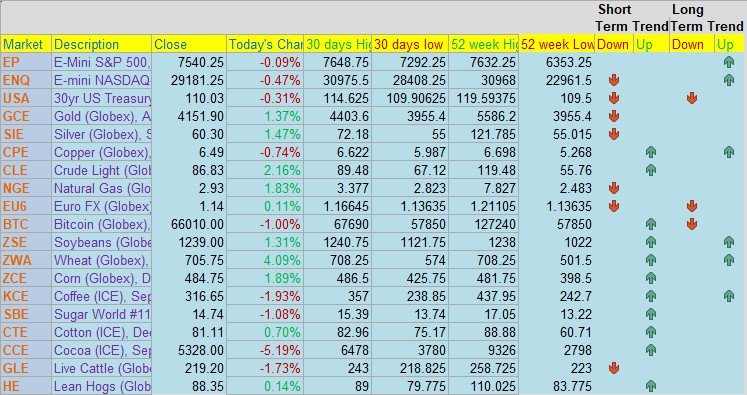
How Day Traders Can Use Our CannonEdge Snapshot PLUS: July KC – Chicago Wheat Spread, CannonEdge Snapshot, Levels, Reports; Your 5 Important Can’t-Miss Need-To-Knows for Trading Futures on May 21st, 2026
|
|||||||||||||||||||||||||||||||||||||||||||||||||||||||||||||||||||||||||||||||||||||||||||||||||||||
|
|||||||||||||||||||||||||||||||||||||||||||||||||||||||||||||||||||||||||||||||||||||||||||||||||||||
|
Tradingview App
Daily Futures Trading Levels and Reports

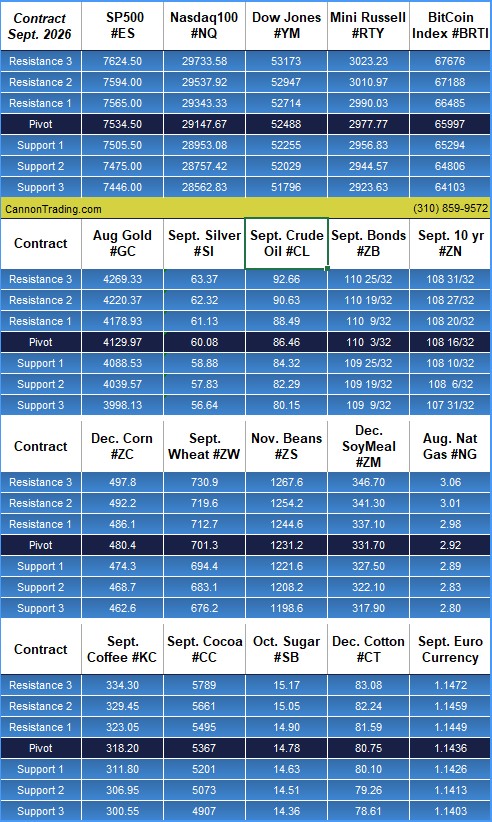
Daily futures trading revolves around preparation, discipline, and interpretation of market structure. Among the most important tools traders rely on are daily support and resistance levels. These levels act as decision points where price behavior can reveal opportunities for entries, exits, and risk management.
Professional futures traders rarely begin their session without reviewing daily trading levels and reports. These reports help identify potential turning points, trend continuation zones, and breakout areas before the trading day begins.
Using modern charting tools such as the tradingview app and the tradingview trading platform, traders can visualize these levels clearly and integrate them into structured daily plans. Understanding tradingview pricing structures also allows traders to choose the best subscription tier for their level of analysis.
This guide explains how traders use daily trading levels, how broker relationships enhance execution, and why Cannon Trading Company continues to be one of the most respected futures brokerages in the industry.
Support and Resistance in Futures Markets
Support and resistance represent the foundation of technical analysis in futures trading.
Support is a price level where buying pressure historically prevents prices from falling further. Resistance is a level where selling pressure stops price from rising.
These zones form because traders repeatedly react at the same price levels.
Common sources of daily levels include:
- Previous session highs and lows
- Overnight trading ranges
- Pivot points
- Volume profile levels
- Institutional order flow zones
Using the tradingview trading platform, traders can easily mark these levels before the market opens.
Many traders review charts through the tradingview app during pre-market preparation to map their potential trade scenarios. Monitoring tradingview pricing plans helps traders determine whether advanced charting features such as multi-chart layouts or alerts fit their strategy.
How Daily Trading Reports Improve Trade Preparation
Daily trading reports organize critical market information into a structured outlook.
These reports often include:
- Key support levels
- Key resistance levels
- Overnight price behavior
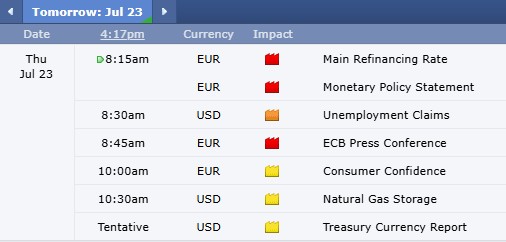
- Economic events affecting futures markets
- Institutional positioning
Professional futures traders often review reports from brokers like Cannon Trading Company before the trading session begins.
By combining structured reports with tools like the tradingview trading platform, traders gain a clearer picture of where market reactions are likely to occur.
The tradingview app allows traders to monitor these reports and chart levels from mobile devices, ensuring preparation remains consistent even when away from the desk.
Understanding tradingview pricing tiers also allows traders to integrate advanced indicators and data feeds that support daily level analysis.
Practical Examples of Using Support and Resistance
Support and resistance levels become valuable when applied within specific trading scenarios.
Below are several common strategies used by futures traders.
Support Bounce Strategy
Traders watch for price approaching a known support level.
Possible signals include:
- Decreasing selling volume
- Bullish candlestick formations
- Momentum divergence
When these signals occur near support, traders may enter long positions with stops placed slightly below the level.
Using the tradingview trading platform, traders can track these patterns across multiple futures markets simultaneously.
The tradingview app allows traders to monitor price behavior at these levels even during fast-moving sessions.
Monitoring tradingview pricing plans may also help traders determine whether real-time data packages are required for their strategy.
Resistance Rejection Strategy
Resistance rejections occur when price attempts to break higher but fails.
Common confirmation signals include:
- Reversal candlesticks
- Sharp volume spikes
- Order flow imbalance
These signals may indicate sellers entering the market.
Traders often place short positions near resistance with defined stop-loss levels above the zone.
Platforms such as the tradingview trading platform help traders observe rejection patterns with precision.
Using the tradingview app ensures traders remain connected to markets when price approaches critical resistance levels.
Evaluating tradingview pricing ensures traders have access to indicators needed for these setups.
Breakout Trading Using Daily Levels
Breakouts occur when price moves beyond support or resistance with strong momentum.
Unlike bounce strategies, breakout trading assumes the level will fail.
Breakout confirmation often includes:
- Increased trading volume
- Strong momentum candles
- Follow-through buying or selling
Traders frequently use these signals to enter trades in the direction of the breakout.
The tradingview trading platform provides tools like volume profile and momentum indicators that help validate breakout conditions.
Traders monitoring markets through the tradingview app can quickly react when breakout conditions occur.
Understanding tradingview pricing options helps traders unlock features such as custom alerts for breakout levels.
The Role of Brokers in Maximizing Daily Trading Reports
A knowledgeable futures broker plays an essential role in helping traders interpret daily levels.
Cannon Trading Company has decades of experience assisting traders with market analysis and execution strategies.
A strong brokerage partnership provides benefits such as:
- Access to professional market commentary
- Real-time market data
- Risk management guidance
- Platform integration support
When traders combine broker insight with tools like the tradingview trading platform, they gain a powerful decision-making framework.
The tradingview app allows traders to track broker-provided levels throughout the trading day.
Understanding tradingview pricing plans ensures traders maintain access to the charting tools necessary to monitor those levels effectively.
Structuring a Daily Futures Trading Plan
Successful traders structure their entire day around support and resistance levels.
A typical preparation process may look like this:
- Review overnight futures activity
- Identify key support and resistance zones
- Compare broker-provided levels with personal analysis
- Mark levels on charts
- Prepare trade scenarios
This routine helps traders approach the market with discipline rather than emotion.
Using the tradingview trading platform allows traders to overlay multiple indicators while marking levels.
The tradingview app ensures those levels remain accessible during the session.
Reviewing tradingview pricing options can help traders determine whether multi-device synchronization features are beneficial.
Risk Management Around Key Trading Levels
Support and resistance levels are not guarantees.
They represent probability zones.
Risk management must always accompany level-based trading.
Key principles include:
- Always placing stop-loss orders
- Avoiding oversized positions
- Confirming levels with volume or momentum
- Respecting major economic news releases
The tradingview trading platform offers risk visualization tools that help traders estimate reward-to-risk ratios before entering trades.
Traders monitoring positions through the tradingview app can adjust stops quickly when market conditions change.
Exploring tradingview pricing tiers may also reveal advanced backtesting features useful for refining level-based strategies.
Why Cannon Trading Company Is a Trusted Futures Broker
Cannon Trading Company has built its reputation over decades of serving futures traders with professionalism and transparency.
Founded in 1988, the brokerage has continuously adapted to changes in technology and market structure.
Key advantages include:
- Deep experience in futures markets
- Access to leading trading platforms
- Personalized broker support
- Competitive commission structures
Many traders rely on Cannon Trading Company not only for execution but also for market insights and daily trading reports.
The brokerage works closely with clients to ensure they have the tools needed to implement strategies based on support and resistance levels.
Combining broker expertise with charting technology such as the tradingview trading platform helps traders execute with greater precision.
Traders frequently use the tradingview app alongside broker-provided reports to monitor evolving market conditions.
Understanding tradingview pricing allows traders to choose charting capabilities that align with their futures trading strategies.
How Technology Enhances Futures Trading Analysis
Technology has dramatically improved how traders interpret market levels.
Modern charting tools allow traders to analyze:
- Multi-timeframe price structures
- Volume clusters
- Institutional order flow
- Market sentiment indicators
Using the tradingview trading platform, traders can overlay these analytics with daily support and resistance levels.
The tradingview app provides mobility, enabling traders to stay connected to markets throughout the day.
Evaluating tradingview pricing helps traders determine whether premium features such as automated alerts or expanded indicator libraries fit their workflow.
When paired with a broker like Cannon Trading Company, these technologies create a powerful trading ecosystem.
Daily futures trading levels and reports remain essential tools for traders navigating volatile markets. Support and resistance levels provide clear reference points where traders can plan entries, exits, and risk management.
Combining disciplined preparation with professional broker guidance increases the probability of consistent decision-making.
Modern platforms like the tradingview trading platform and the tradingview app make it easier than ever to analyze price behavior around these levels. Understanding tradingview pricing helps traders access the features necessary to support their strategy.
When these tools are combined with the expertise and reliability of Cannon Trading Company, futures traders gain a significant advantage in interpreting market structure and executing trades effectively.
FAQ
What are daily futures trading levels?
Daily futures trading levels refer to important support and resistance prices identified before the trading session begins. These levels help traders anticipate potential reversals, breakouts, or consolidation zones.
Why are support and resistance levels important in futures trading?
Support and resistance levels represent areas where buyers or sellers historically enter the market. These zones help traders identify potential entry points, stop placements, and profit targets.
How does Cannon Trading Company help traders with daily reports?
Cannon Trading Company provides market insights, professional guidance, and platform support that help traders interpret key trading levels. This assistance helps traders make informed decisions based on market structure.
Can charting platforms improve level-based trading strategies?
Yes. Platforms such as the tradingview trading platform allow traders to mark levels, monitor price behavior, and integrate indicators that confirm trading signals.
Is mobile monitoring important for futures traders?
Yes. Many traders rely on the tradingview app to monitor markets throughout the trading day. This ensures they can react quickly when price approaches key levels.
Ready to start trading futures? Call us at 1(800)454-9572 (US) or (310)859-9572 (International), or email info@cannontrading.com to speak with one of our experienced, Series-3 licensed futures brokers and begin your futures trading journey with Cannon Trading Company today.
Disclaimer: Trading Futures, Options on Futures, and retail off-exchange foreign currency transactions involve substantial risk of loss and are not suitable for all investors. Past performance is not indicative of future results. Carefully consider if trading is suitable for you in light of your circumstances, knowledge, and financial resources. You may lose all or more of your initial investment. Opinions, market data, and recommendations are subject to change at any time.
“TradingView® is a third party charting and analytics platform that is not affiliated with Cannon Trading Co. Inc. Any references to or use of TradingView are provided solely as a technological tool for charting and market analysis. Cannon Trading Co. Inc. does not control, endorse, or guarantee the accuracy, completeness, or timeliness of information, data, tools, or content provided by TradingView or any other third party provider and assumes no responsibility for any loss arising from their use. The use of any third party tool does not constitute a recommendation by Cannon Trading Co. Inc. to engage in any trading strategy, nor does it constitute individualized investment advice. Futures and options trading involve substantial risk and are not suitable for all investors; you can lose more than your initial investment. Past performance, whether actual or indicated by historical tests of strategies, is not necessarily indicative of future results. Cannon Trading Co. Inc., not TradingView is the NFA Member and is responsible for compliance with NFA rules.”
Important: Trading commodity futures and options involves a substantial risk of loss. The recommendations contained in this article are opinions only and do not guarantee any profits. This article is for educational purposes. Past performances are not necessarily indicative of future results.
This article has been generated with the help of AI Technology and modified for accuracy and compliance.
Follow us on all socials: @cannontrading
FOMC Minutes + Energy Numbers + NVIDIA earnings tomorrow PLUS: July KC – Chicago Wheat Spread, CannonEdge Snapshot, Pre-Market Briefing PODCAST, Levels, Reports; Your 6 Important Can’t-Miss Need-To-Knows for Trading Futures on May 20th, 2026
|
||||||||||||||||||||||||||||||||||||||||||||||||||||||||||||||||||||||||||||||||||||||||||||||||||||||
|
||||||||||||||||||||||||||||||||||||||||||||||||||||||||||||||||||||||||||||||||||||||||||||||||||||||
|