|
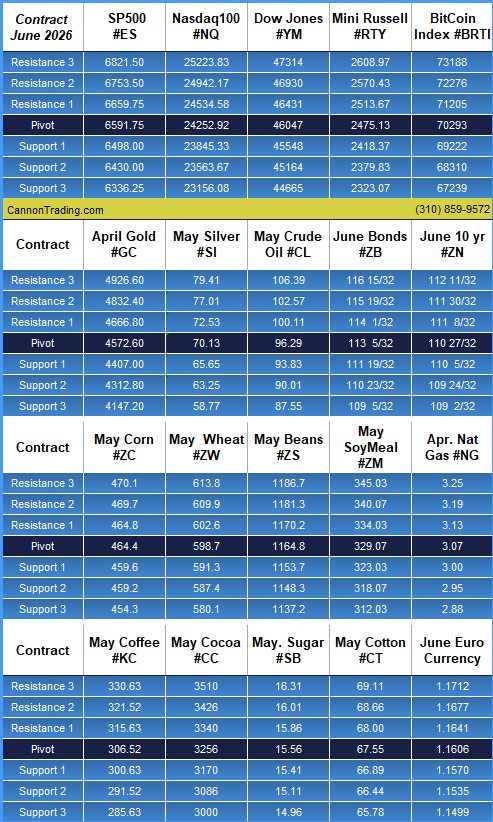
||||||||||||||||||||||||||||||||||||||||||||||||||||||||||||||||||||||||||||||||||||||||||||||||
|
||||||||||||||||||||||||||||||||||||||||||||||||||||||||||||||||||||||||||||||||||||||||||||||||
|
Support & Resistance Levels
This Blog provides futures market outlook for different commodities and futures trading markets, mostly stock index futures, as well as support and resistance levels for Crude Oil futures, Gold futures, Euro currency and others. At times the daily trading blog will include educational information about different aspects of commodity and futures trading.
- Bitcoin Futures (114)
- Charts & Indicators (310)
- Commodity Brokers (594)
- Commodity Trading (849)
- Corn Futures (64)
- Crude Oil (234)
- Currency Futures (103)
- Day Trading (659)
- Day Trading Webinar (61)
- E-Mini Futures (164)
- Economic Trading (166)
- Energy Futures (128)
- Financial Futures (185)
- Future Trading News (3,174)
- Future Trading Platform (327)
- Futures Broker (666)
- Futures Exchange (347)
- Futures trade copier (1)
- Futures Trading (1,270)
- futures trading education (446)
- Gold Futures (113)
- Grain Futures (102)
- Index Futures (271)
- Indices (233)
- Metal Futures (144)
- Nasdaq (79)
- Natural Gas (40)
- Options Trading (192)
- S&P 500 (145)
- trading futures (2)
- Trading Guide (436)
- Trading Webinar (60)
- Trading Wheat Futures (45)
- Uncategorized (26)
- Weekly Newsletter (227)

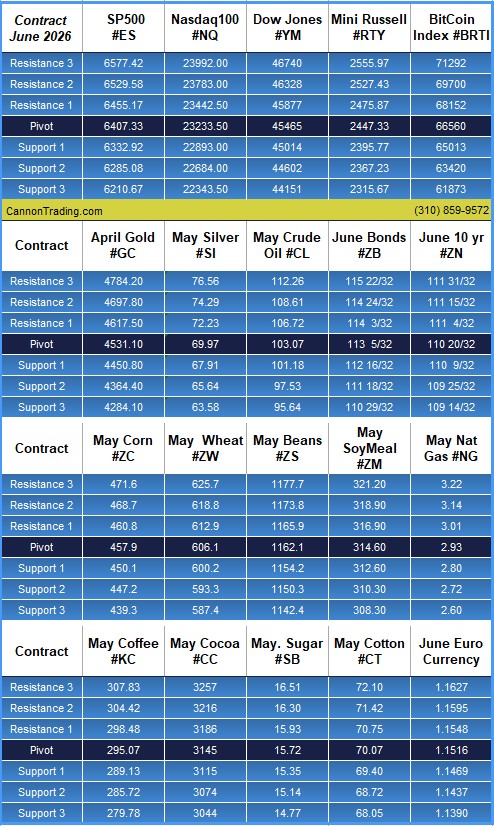
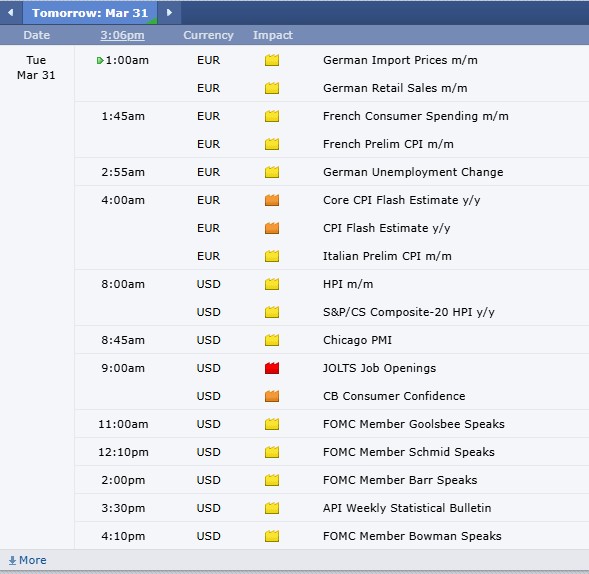





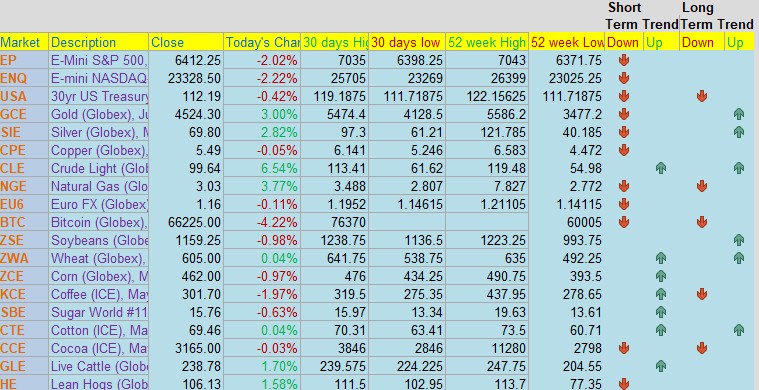
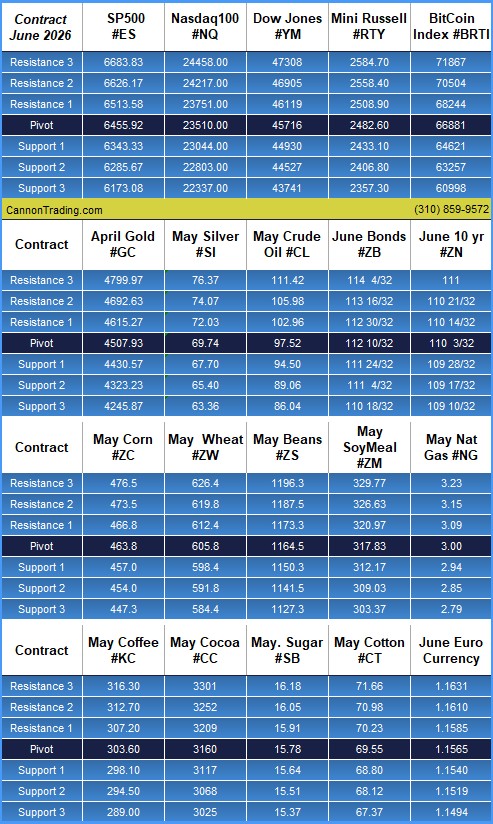
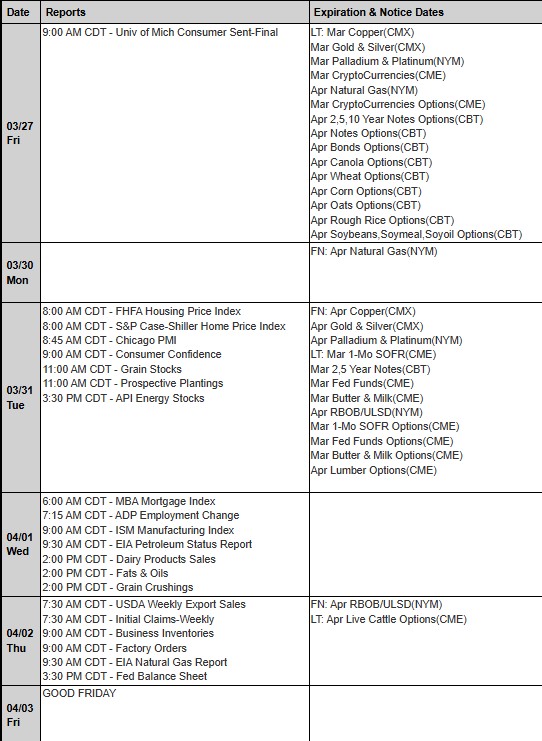
Trading during War PLUS: NFP, Do Retreating Precious Metals Prices Offer a Buying Opportunity? CannonEdge Snapshot, Levels, Reports; Your 6 Important Can’t-Miss Need-To-Knows for Trading Futures the Week of March 30th, 2026
|
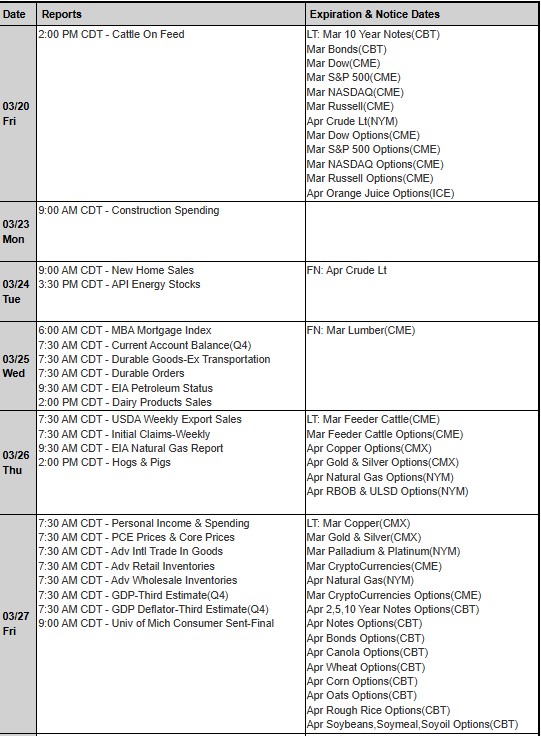
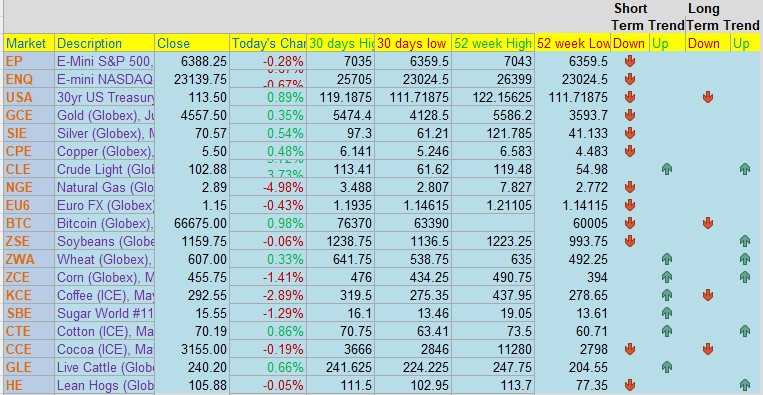
||||||||||||||||||||||||||||||||||||||||||||||||||||||||||||||||||||||||||||||||||||||||||||||||||||||||||||||||||||||||
|
||||||||||||||||||||||||||||||||||||||||||||||||||||||||||||||||||||||||||||||||||||||||||||||||||||||||||||||||||||||||
|



Good Friday 2026 Trading Hours!!!!
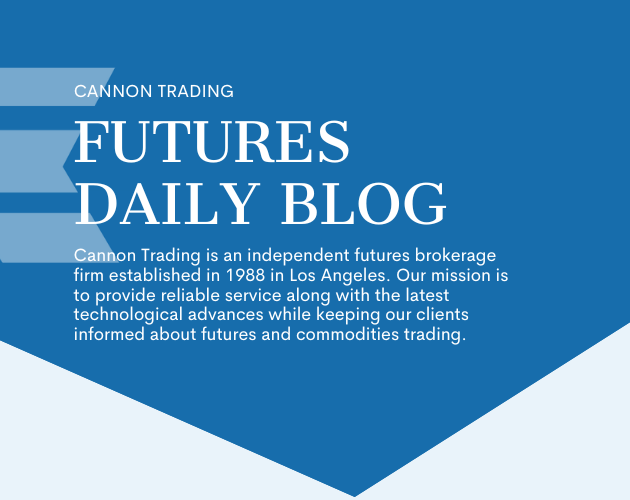
Good Friday 2026 Trading Hours
(click for larger image)
|
||||||||||||||||||||||||||||
|
||||||||||||||||||||||||||||
|
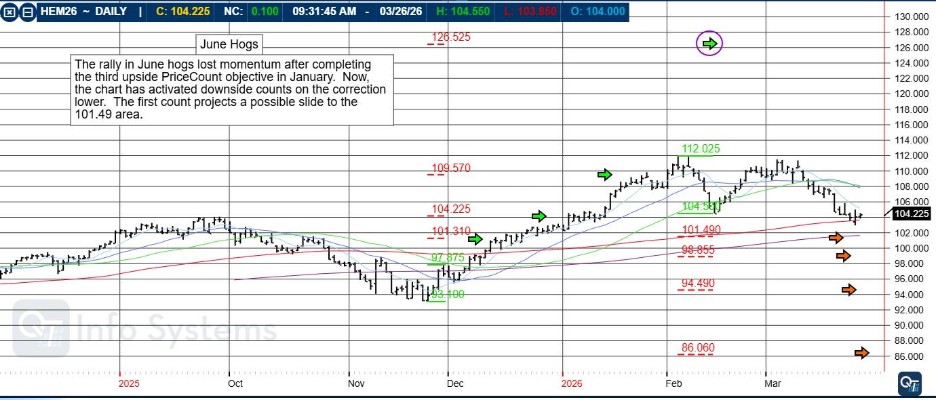
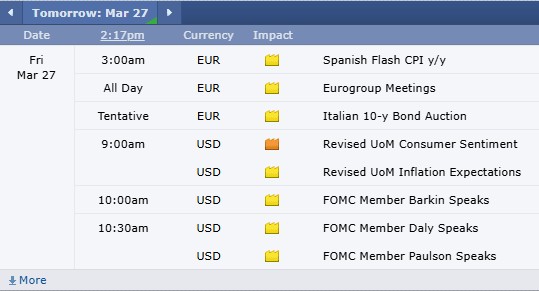
Our New & Improved Blog PLUS: June Hogs, CannonEdge Snapshot, Levels, Reports; Your 5 Important Can’t Miss Need-To-Knows for Trading Futures on March 27th, 2026
|
||||||||||||||||||||||||||||||||||||||||||||||||||||||||||||||||||||||||||||||||||||||||||||||||||||||||
|
||||||||||||||||||||||||||||||||||||||||||||||||||||||||||||||||||||||||||||||||||||||||||||||||||||||||
|

Trading Futures

Trading Futures
The Evolution of Trading Futures with Artificial Intelligence
Trading futures has entered a new era where data-driven decision-making dominates traditional intuition. Artificial intelligence now empowers traders to process vast datasets in seconds, uncovering patterns that would otherwise remain hidden.
Futures trading has always required speed, discipline, and access to information. Today, AI enhances all three by delivering predictive insights, real-time analytics, and automated execution strategies.
Modern traders are no longer limited to charts and news feeds. Instead, they rely on machine learning models, natural language processing, and algorithmic systems to gain a competitive edge in trading futures.
AI-Powered Market Analysis and Predictive Modeling
AI tools excel at identifying trends across massive datasets. These systems analyze historical price movements, macroeconomic indicators, and volatility patterns to forecast potential market behavior.
- Machine learning models detect correlations between asset classes.
- Predictive analytics estimate price ranges and probability scenarios.
- Neural networks refine forecasts as new data becomes available.
For example, an AI model might analyze years of crude oil price data alongside geopolitical events. It can then predict how similar conditions may impact future prices, improving decision-making in futures trading.
These tools reduce emotional bias. Instead of reacting impulsively, traders rely on statistical probabilities when trading futures.
Natural Language Processing for News and Sentiment Analysis
Market sentiment plays a crucial role in futures trading. AI-driven natural language processing (NLP) tools scan thousands of news articles, earnings reports, and social media posts in real time.
- Identify bullish or bearish sentiment shifts instantly.
- Detect breaking news that impacts commodities or indices.
- Quantify sentiment scores for actionable insights.
For instance, if AI detects rising negative sentiment around agricultural supply disruptions, traders can anticipate potential price spikes. This enhances timing and accuracy in trading futures.
By integrating sentiment analysis, traders gain a broader perspective beyond technical charts.
Algorithmic Trading and Automation
Algorithmic systems are among the most impactful AI applications in futures trading. These systems execute trades based on predefined rules, eliminating human hesitation.
Key advantages include:
- Faster execution speeds than manual trading.
- Consistent strategy implementation.
- Reduced emotional interference.
An algorithm might be programmed to enter a position when volatility crosses a threshold and exit when profit targets are met. This automation is particularly useful in fast-moving markets where timing is critical.
For those trading futures, automation ensures strategies are followed precisely, even during periods of high volatility.
AI-Driven Risk Management Systems
Risk management is essential in trading futures due to leverage and market volatility. AI tools help traders monitor and control exposure more effectively.
- Dynamic position sizing based on market conditions.
- Real-time risk alerts when thresholds are exceeded.
- Portfolio diversification analysis.
These systems continuously evaluate risk metrics such as drawdown and correlation. If a portfolio becomes too concentrated, AI can recommend adjustments.
This proactive approach significantly improves long-term outcomes in futures trading.
Advanced Charting and Pattern Recognition
AI enhances technical analysis by identifying complex chart patterns that may not be visible to the human eye.
- Recognize head-and-shoulders, wedges, and breakouts automatically.
- Highlight support and resistance levels with precision.
- Detect anomalies that signal potential reversals.
For example, AI can scan multiple markets simultaneously and alert traders when a pattern forms. This allows for faster reaction times when trading futures.
These tools transform charting from a manual process into a highly efficient analytical system.
Personalized Trading Insights and Strategy Optimization
AI platforms now offer personalized recommendations based on individual trading behavior.
- Analyze past trades to identify strengths and weaknesses.
- Suggest strategy adjustments tailored to performance history.
- Optimize entry and exit points using adaptive algorithms.
This level of customization helps traders refine their approach over time. Instead of relying on generic strategies, they develop data-driven methods for trading futures.
As a result, traders become more consistent and disciplined.
Why Cannon Trading Company Stands Out for Futures Traders
Cannon Trading Company has built a reputation over decades as a trusted partner for futures traders. Their longevity reflects reliability, innovation, and commitment to client success.
Key strengths include:
- Deep industry experience supporting all levels of traders.
- Access to advanced trading platforms and tools.
- Competitive pricing and transparent fee structures.
Cannon Trading Company understands the evolving landscape of futures trading. They provide access to platforms that integrate AI-driven analytics, helping clients stay competitive.
Additionally, their customer support is highly regarded. Traders receive personalized guidance, ensuring they can effectively use modern tools when trading futures.
The firm also prioritizes education. Through webinars, resources, and one-on-one support, clients gain the knowledge needed to succeed in futures trading.
Integrating AI Tools with Professional Brokerage Support
While AI tools provide powerful insights, combining them with a reputable brokerage enhances results. Cannon Trading Company bridges this gap by offering both technology and expertise.
Benefits of this integration include:
- Seamless access to cutting-edge trading platforms.
- Expert guidance on strategy implementation.
- Reliable execution infrastructure.
This combination allows traders to maximize the potential of AI while maintaining professional oversight. It creates a balanced approach to trading futures.
The Future of Trading Futures with AI
The role of AI in futures trading will continue to expand. Emerging technologies such as deep learning and real-time data streaming will further enhance predictive accuracy.
Traders who adopt these tools early gain a significant advantage. They can process information faster, react more efficiently, and manage risk more effectively.
As markets become increasingly complex, AI will remain a critical component of successful trading futures strategies.
Frequently Asked Questions (FAQ)
- How does AI improve trading futures decisions?
AI analyzes large datasets quickly, identifies patterns, and provides predictive insights. This helps traders make more informed and objective decisions. - Are AI tools suitable for beginners in futures trading?
Yes. Many platforms offer user-friendly interfaces and automated features, making it easier for beginners to start trading futures with guidance. - Can AI eliminate risk in futures trading?
No. AI improves risk management but cannot eliminate market risk. Traders should still use proper risk controls. - Why choose Cannon Trading Company for futures trading?
Cannon Trading Company offers decades of experience, advanced platforms, strong customer support, and educational resources tailored to futures traders. - What is the biggest advantage of using AI in trading futures?
The ability to process and analyze vast amounts of data in real time, leading to faster and more accurate decision-making.
Ready to start trading futures? Call us at 1(800)454-9572 (US) or (310)859-9572 (International), or email info@cannontrading.com to speak with one of our experienced, Series-3 licensed futures brokers and begin your futures trading journey with Cannon Trading Company today.
Disclaimer: Trading Futures, Options on Futures, and retail off-exchange foreign currency transactions involve substantial risk of loss and are not suitable for all investors. Past performance is not indicative of future results. Carefully consider if trading is suitable for you in light of your circumstances, knowledge, and financial resources. You may lose all or more of your initial investment. Opinions, market data, and recommendations are subject to change at any time.
Important: Trading commodity futures and options involves a substantial risk of loss. The recommendations contained in this article are opinions only and do not guarantee any profits. This article is for educational purposes. Past performances are not necessarily indicative of future results.
This article has been generated with the help of AI Technology and modified for accuracy and compliance.
Follow us on all socials: @cannontrading
The Future of Your Favorite Futures Trading Blog PLUS: CannonEdge Snapshot, May Coffee, Levels, Reports; Your 5 Important Can’t-Miss Need-To-Knows for Trading Futures on May 26th, 2026
|
||||||||||||||||||||||||||||||||||||||||||||||||||||||||||||||||||||||||||||||||||||||||||||||||||||||||
|
||||||||||||||||||||||||||||||||||||||||||||||||||||||||||||||||||||||||||||||||||||||||||||||||||||||||
|
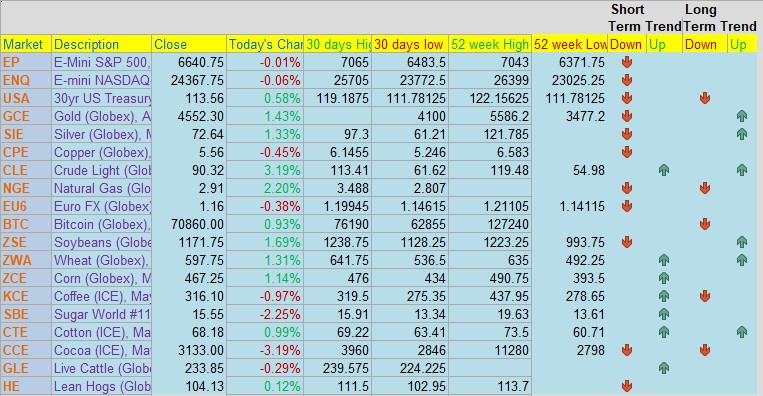
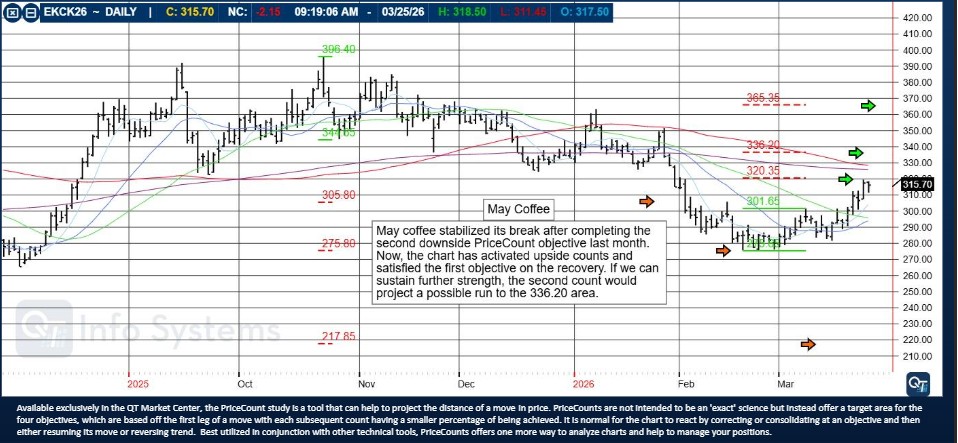
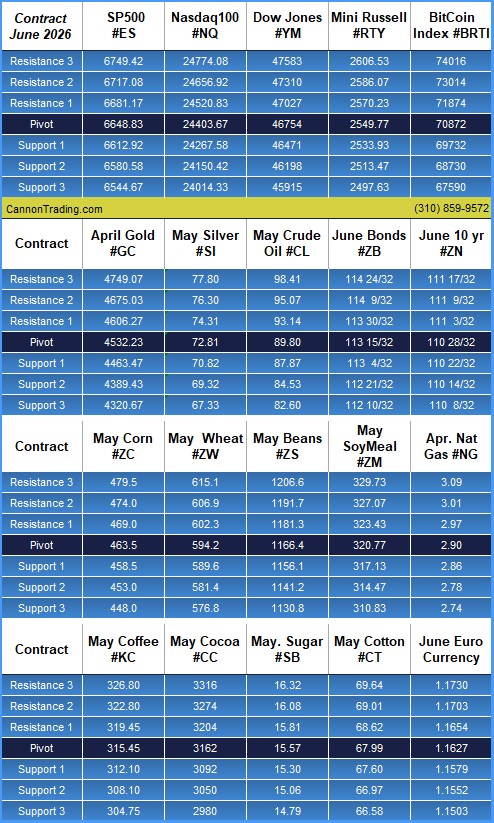
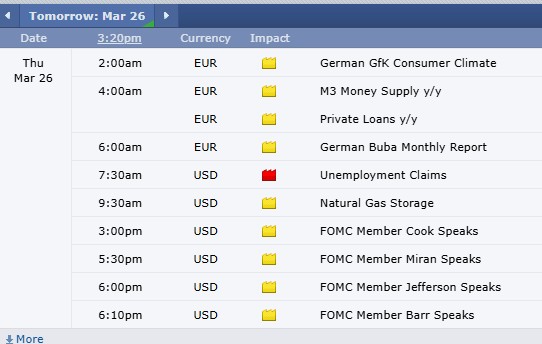
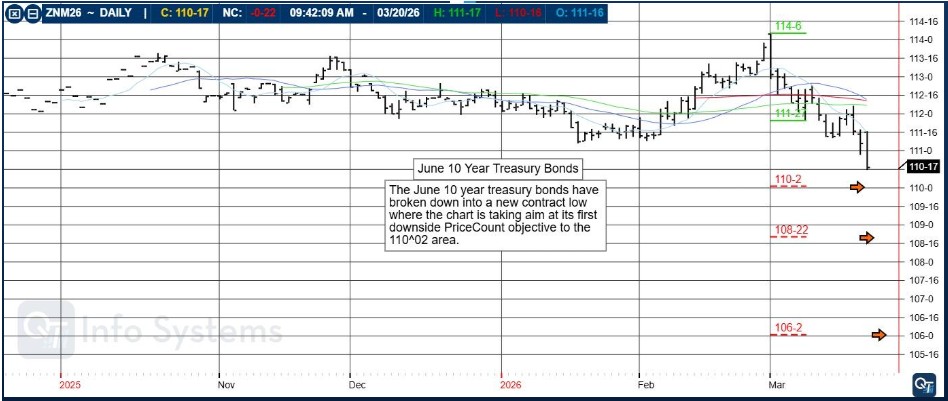
Options on Futures vs. Outright Futures Contracts PLUS: June 10 Year Bonds, CannonEdge Snapshot, Market Briefing, Levels, Reports; Your 6 Important Can’t-Miss Need-To-Knows for Trading Futures on March 25th, 2026
|
Why Trade Options on Futures Rather Than Outright Futures Contracts?By John Thorpe, Senior Broker |
|
|
|||||||||||||||||||||||||||||||||||||||||||||||||||||||||||
|
|||||||||||||||||||||||||||||||||||||||||||||||||||||||||||
|

Futures Trading Algo Trading Systems

Futures Trading Algo Trading Systems
The Rise of Algorithmic Intelligence in Futures Markets
The futures industry has undergone a dramatic transformation as futures trading algo trading systems have evolved from niche tools into core infrastructure. In the first quarter of 2026, algorithmic execution dominates a significant portion of global futures volume.
These systems are no longer limited to institutional desks. Retail traders now access sophisticated automation through broker-integrated platforms and APIs. The democratization of technology has made trading futures more data-driven and precise than ever.
Modern algorithms analyze order flow, liquidity, volatility, and macroeconomic signals in real time. This enables faster decision-making than human traders can achieve manually.
The result is a market environment where speed, efficiency, and adaptability define success.
Learn more about Futures Trading Algo Trading Systems HERE
Key Trends Shaping Futures Trading Algo Trading Systems in 2026
Several powerful trends define the current landscape of futures trading algo trading systems.
- AI-Driven Strategy Optimization
Machine learning models are now widely used to refine trading strategies. These systems adapt dynamically based on new market data, improving performance over time. - Order Flow and Microstructure Analysis
Algorithms increasingly focus on depth of market (DOM) data. By interpreting liquidity shifts, traders gain a predictive edge in trading futures. - Low-Latency Infrastructure
Speed remains critical. Firms invest heavily in co-location and ultra-fast execution systems to reduce slippage. - Multi-Asset Integration
Modern platforms allow algorithms to trade across futures, options, and spreads simultaneously, enhancing diversification.
- Increased use of cloud computing for scalability
- Integration with real-time economic data feeds
- Expansion of retail-friendly algo interfaces
These developments show how futures trading algo trading systems are becoming more intelligent and accessible.
Most Popular Futures Trading Algo Trading Systems in Q1 2026
Several platforms and systems stand out as leaders in the current market.
- CQG Integrated Algorithms
CQG, widely used through brokers like Cannon Trading Company, offers advanced execution tools. These include VWAP, TWAP, and iceberg algorithms.
These tools are essential for traders managing large orders while minimizing market impact.
- Rithmic API-Based Systems
Rithmic provides ultra-low latency connectivity. Traders build custom strategies using its API, making it a favorite among quantitative developers. - Trading Technologies (TT) Autospreader
TT’s Autospreader remains dominant for spread trading. It automates complex multi-leg strategies with precision. - Quantower Algorithmic Suite
Quantower supports custom scripting and integration with multiple data feeds. Its flexibility appeals to both discretionary and systematic traders.
- MotiveWave strategy builder for technical automation
- NinjaTrader for retail-focused algorithm development
- Bookmap for order flow-driven algorithms
Each of these platforms enhances trading futures by combining execution speed with analytical depth.
How These Systems Work in Practice
Understanding how futures trading algo trading systems operate is essential for effective use.
Algorithms typically follow a structured workflow:
- Data Input
Market data, including price, volume, and order book depth, is continuously analyzed. - Signal Generation
The system identifies trading opportunities based on predefined rules or machine learning models. - Execution Logic
Orders are placed using optimized execution strategies to reduce slippage and costs. - Risk Management
Stop-loss parameters, position limits, and volatility filters are automatically enforced.
- Example: A VWAP algorithm breaks a large order into smaller trades
- Example: A momentum algorithm enters trades during breakout conditions
These processes allow traders to engage in trading futures with discipline and consistency.
The Future of Algorithmic Trading Systems Heading into 2027
Looking ahead, futures trading algo trading systems are expected to become even more advanced.
- Deeper AI Integration
Algorithms will increasingly use deep learning to identify complex market patterns. This will improve predictive accuracy. - Autonomous Trading Systems
Fully automated systems will require minimal human intervention. Traders will focus more on strategy design than execution. - Enhanced Regulatory Oversight
As algorithmic trading grows, exchanges like CME are expected to implement stricter monitoring and compliance standards. - Personalized Algorithmic Solutions
Retail traders will gain access to customizable algorithms tailored to their risk profiles.
- Expansion of no-code and low-code strategy builders
- Greater use of alternative data sources
- Increased collaboration between brokers and fintech firms
The evolution of trading futures will be defined by intelligence, automation, and accessibility.
How Traders Can Work with Brokers to Learn Algorithmic Systems
Brokers play a crucial role in helping traders adopt futures trading algo trading systems effectively.
- Platform Training and Education
Leading brokers provide tutorials, webinars, and one-on-one support. This helps traders understand both basic and advanced features. - Demo Environments
Simulated trading environments allow users to test algorithms without financial risk. - API Access and Technical Support
For advanced users, brokers offer API documentation and developer support. - Strategy Consultation
Experienced brokers guide traders in selecting appropriate algorithms based on their goals.
- Regular platform walkthrough sessions
- Access to market research and analytics
- Personalized onboarding for new traders
Working closely with a broker simplifies the transition into trading futures using automated systems.
Why Cannon Trading Company Stands Out
Cannon Trading Company has built a reputation over decades as a trusted futures brokerage.
Several factors contribute to its leadership:
- Deep Industry Experience
With decades of service, Cannon Trading understands market cycles and trader needs. - Access to Leading Platforms
Clients can use CQG, Rithmic, Trading Technologies, and more. This ensures compatibility with top futures trading algo trading systems. - Personalized Client Support
Unlike many brokers, Cannon emphasizes direct relationships. Traders receive tailored guidance and fast responses. - Competitive Pricing
Transparent commission structures make trading futures cost-effective.
- Strong Trustpilot reputation reflecting client satisfaction
- Direct access to CME-listed products
- Advanced tools through CannonX powered by CQG
Cannon Trading Company combines technology, service, and reliability, making it a top choice for both new and experienced traders.
Practical Steps to Get Started with Algorithmic Futures Trading
For traders ready to explore futures trading algo trading systems, a structured approach is essential.
- Choose the Right Platform
Select a platform that aligns with your strategy and technical skill level. - Learn the Basics
Understand order types, execution methods, and risk management principles. - Start with Simple Strategies
Begin with basic algorithms like moving averages or VWAP before advancing. - Test Extensively
Use demo environments to refine strategies before deploying real capital.
- Monitor performance metrics regularly
- Adjust parameters based on market conditions
- Maintain strict risk controls
By following these steps, traders can confidently engage in trading futures with algorithmic tools.
The rapid advancement of futures trading algo trading systems has reshaped the futures industry. From AI-driven strategies to ultra-fast execution, these systems offer powerful advantages.
As technology continues to evolve into 2027, traders who embrace automation will be better positioned for success. By working closely with experienced brokers like Cannon Trading Company, traders can unlock the full potential of algorithmic trading.
FAQ Section
What are futures trading algo trading systems?
They are automated programs that execute trades based on predefined rules, data analysis, and market conditions.
Are algorithmic systems suitable for beginners?
If the user has risk capital and risk appetite along with technical know-how then yes, especially with broker support and demo environments. Many platforms now offer user-friendly interfaces.
Which platforms are best for algorithmic futures trading?
Popular choices include CQG, Rithmic, Trading Technologies, Quantower, and NinjaTrader.
How do brokers help with algorithmic trading?
Brokers provide training, technical support, platform access, and strategic guidance.
Is algorithmic trading risky?
Like all trading, it carries risk. Proper risk management and testing are essential.
Why choose Cannon Trading Company?
They offer advanced platforms, personalized service, competitive pricing, and decades of industry expertise.
Learn more about Futures Trading Algo Trading Systems HERE
Ready to start trading futures? Call us at 1(800)454-9572 (US) or (310)859-9572 (International), or email info@cannontrading.com to speak with one of our experienced, Series-3 licensed futures brokers and begin your futures trading journey with Cannon Trading Company today.
Disclaimer: Trading Futures, Options on Futures, and retail off-exchange foreign currency transactions involve substantial risk of loss and are not suitable for all investors. Past performance is not indicative of future results. Carefully consider if trading is suitable for you in light of your circumstances, knowledge, and financial resources. You may lose all or more of your initial investment. Opinions, market data, and recommendations are subject to change at any time.
Important: Trading commodity futures and options involves a substantial risk of loss. The recommendations contained in this article are opinions only and do not guarantee any profits. This article is for educational purposes. Past performances are not necessarily indicative of future results.
This article has been generated with the help of AI Technology and modified for accuracy and compliance.
Follow us on all socials: @cannontrading
Gold Posts its Worst Week since 1983 PLUS: S&P Breaks Below 200-Day MA, AI & Crypto Updates, Levels, Reports; Your 6 Can’t-Miss Market Updates for Trading Futures on March 24th, 2026
|
|
||||||||||||||||||||||||||||||||||||||||||||||||||||||||||||||||||||||||||||||||||||||||||||
|
||||||||||||||||||||||||||||||||||||||||||||||||||||||||||||||||||||||||||||||||||||||||||||
|

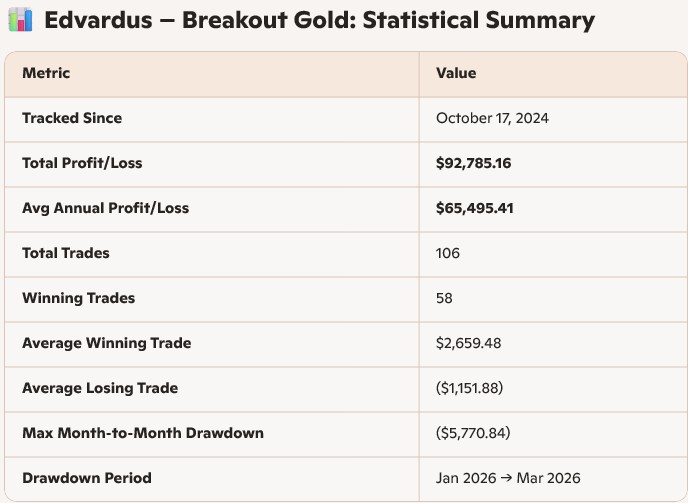
What Futures Traders Should Watch This Week PLUS: Cannon Edge Snapshot, June 10 Year Treasury Bonds, Edvardus Breakout Gold Trading System, Levels, Reports; Your 6 Important Can’t-Miss Need-To-Knows for Trading Futures the Week of March 23rd, 2026
|
||||||||||||||||||||||||||||||||||||||||||||||||||||||||||||||||||||||||||||||||||||||||||||||||||||||||||||||||||||||||||||||||||||||
|
||||||||||||||||||||||||||||||||||||||||||||||||||||||||||||||||||||||||||||||||||||||||||||||||||||||||||||||||||||||||||||||||||||||
|