|
|||||||||||||||||||||||||||||||||||||||||||||||||||||||||||||||||||||||||||||||||||||||||||||||||||||||||||||||||||||||||||||||
|
|||||||||||||||||||||||||||||||||||||||||||||||||||||||||||||||||||||||||||||||||||||||||||||||||||||||||||||||||||||||||||||||
|
Support & Resistance Levels
This Blog provides futures market outlook for different commodities and futures trading markets, mostly stock index futures, as well as support and resistance levels for Crude Oil futures, Gold futures, Euro currency and others. At times the daily trading blog will include educational information about different aspects of commodity and futures trading.
- automated futures trading (1)
- Bitcoin Futures (114)
- Charts & Indicators (310)
- Commodity Brokers (596)
- commodity futures (1)
- Commodity Trading (852)
- copper futures contract (3)
- Corn Futures (67)
- Crude Oil (248)
- Currency Futures (103)
- Day Trading (665)
- Day Trading Webinar (61)
- dow jones industrials futures (1)
- E-Mini Futures (165)
- Economic Trading (166)
- Energy Futures (132)
- Financial Futures (189)
- Future Trading News (3,229)
- Future Trading Platform (331)
- Futures Broker (666)
- futures brokers (1)
- Futures Exchange (347)
- Futures trade copier (1)
- Futures Trading (1,274)
- futures trading algo trading systems (1)
- futures trading education (449)
- futures trading indicators (2)
- Gold Futures (114)
- Grain Futures (106)
- Index Futures (271)
- Indices (233)
- institutional futures trading platforms (3)
- Metal Futures (146)
- Nasdaq (79)
- Natural Gas (40)
- Options Trading (196)
- S&P 500 (149)
- trading futures (10)
- Trading Guide (465)
- Trading Webinar (60)
- Trading Wheat Futures (46)
- tradingview trading platform (2)
- Uncategorized (26)
- Weekly Newsletter (240)
- wheat futures (1)

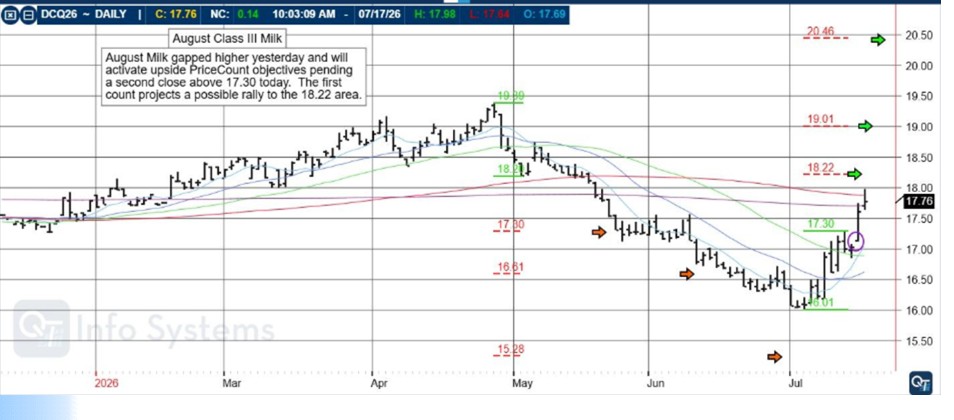
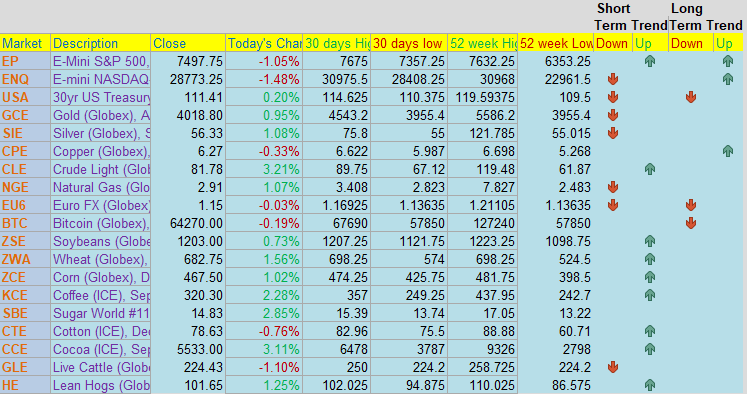
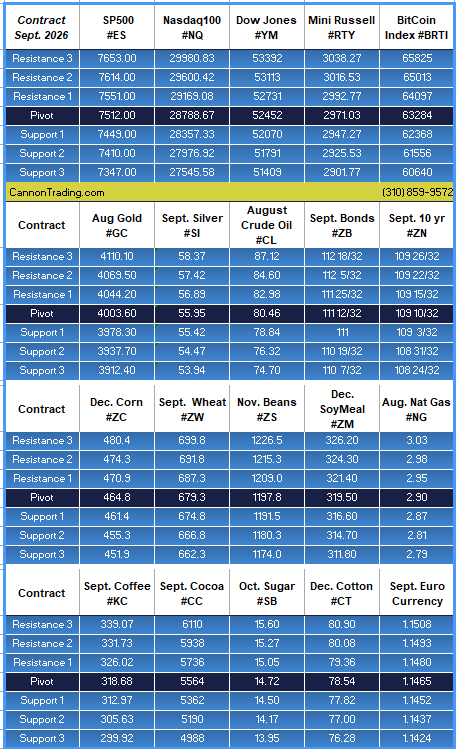
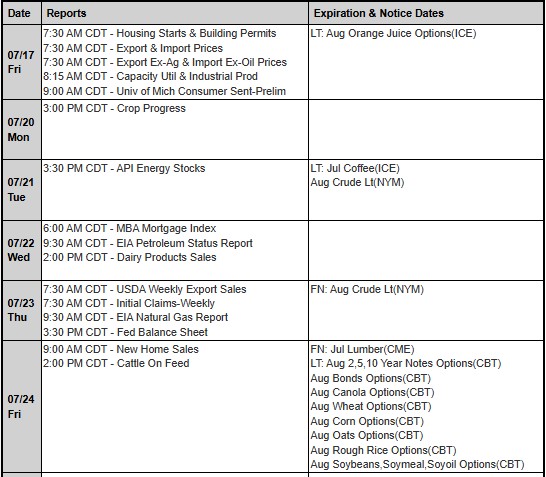





NEW VIDEO: Using Trade Signals with Price Confirmation PLUS: December Meal, CannonEdge Snapshot, Levels, Reports; Your 5 Important Can’t-Miss Need-To-Knows before Trading Futures on July 17th, 2026
|
|||||||||||||||||||||||||||||||||||||||||||||||||||||||||||||||||||||||||||||||||||||||||||||||||||
|
|||||||||||||||||||||||||||||||||||||||||||||||||||||||||||||||||||||||||||||||||||||||||||||||||||
|

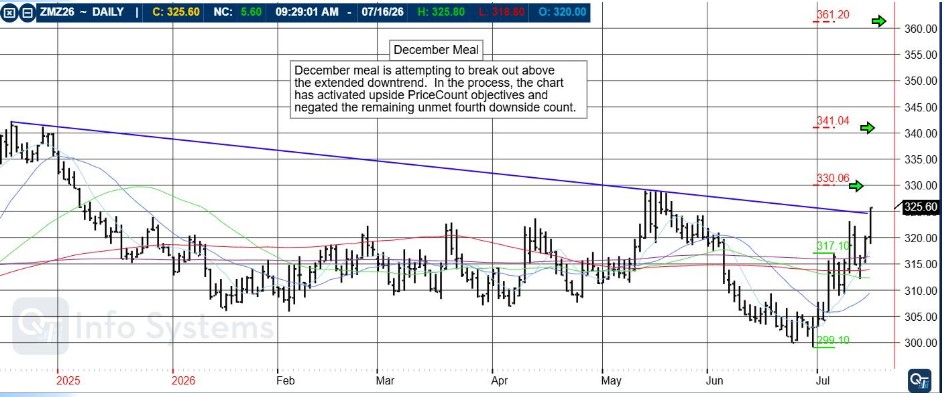
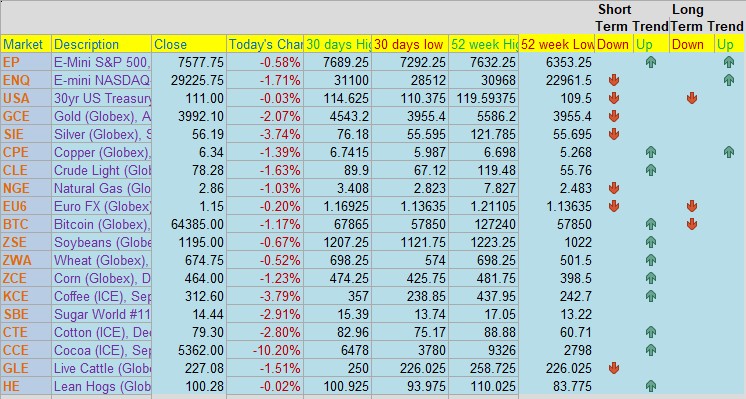
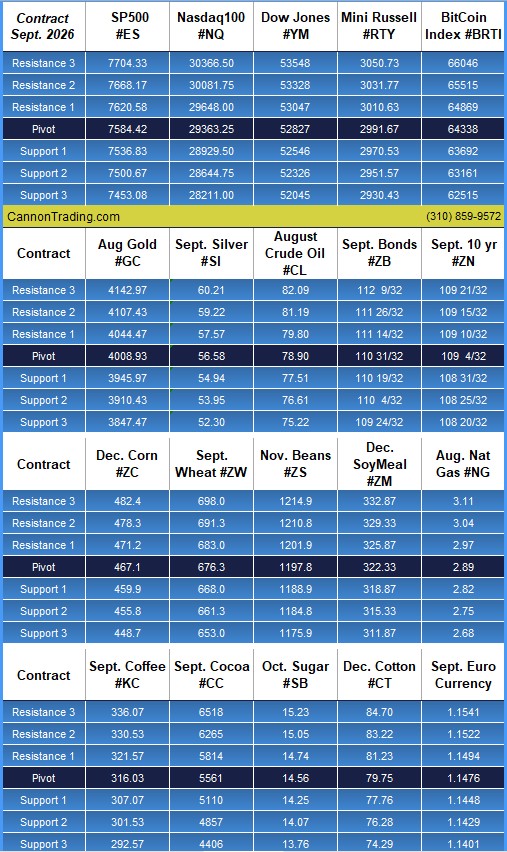
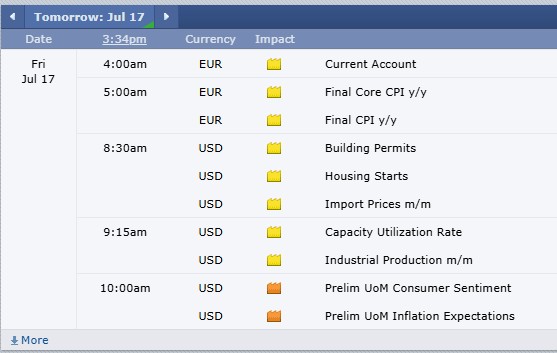
Futures: How to Better Manage Losing Days PLUS: September E-Mini S&P, CannonEdge Snapshot, Levels, Reports; Your 5 Important Can’t-Miss Need-To-Knows for Trading Futures on July 16th, 2026
|
|||||||||||||||||||||||||||||||||||||||||||||||||||||||||||||||||||||||||||||||||||||||||||||||||||
|
|||||||||||||||||||||||||||||||||||||||||||||||||||||||||||||||||||||||||||||||||||||||||||||||||||
|

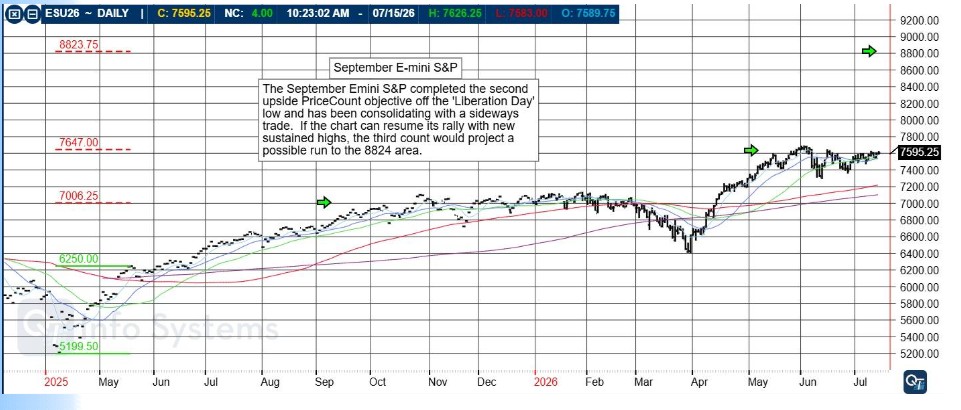
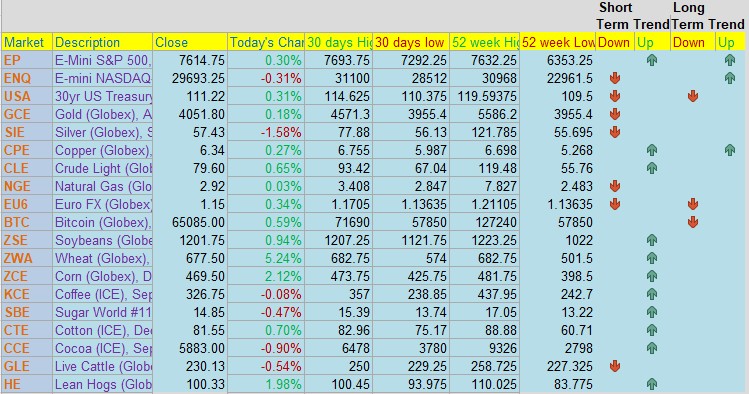
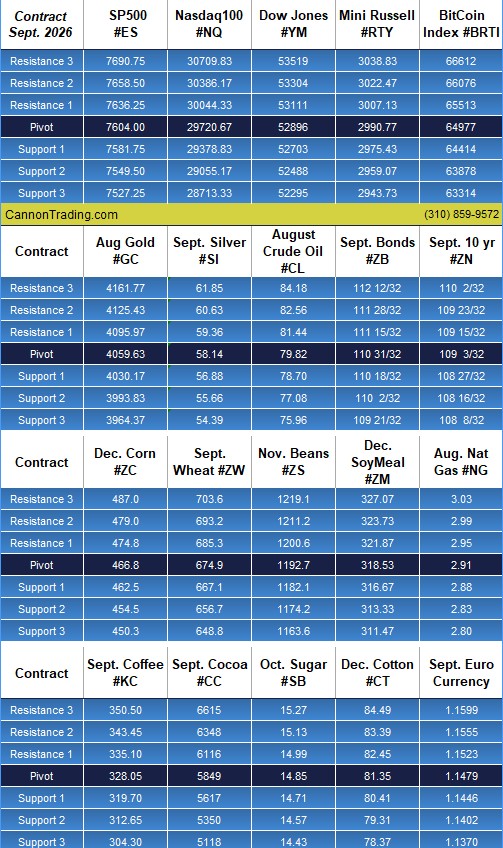
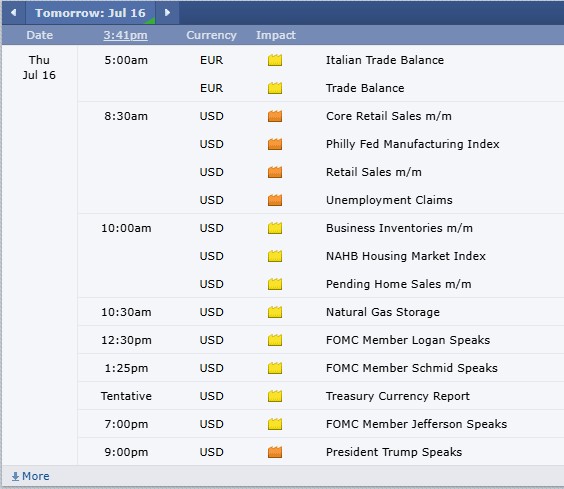
Futures: Some Days Are Simply Losing Days PLUS: September Wheat, Pre-Market Briefing, CannonEdge Snapshot, Levels, Reports; Your 6 Important Can’t-Miss Need-To-Knows for Trading Futures on July 15th, 2026
|
|||||||||||||||||||||||||||||||||||||||||||||||||||||||||||||||||||||||||||||||||||||||||||||||||
|
|||||||||||||||||||||||||||||||||||||||||||||||||||||||||||||||||||||||||||||||||||||||||||||||||
|

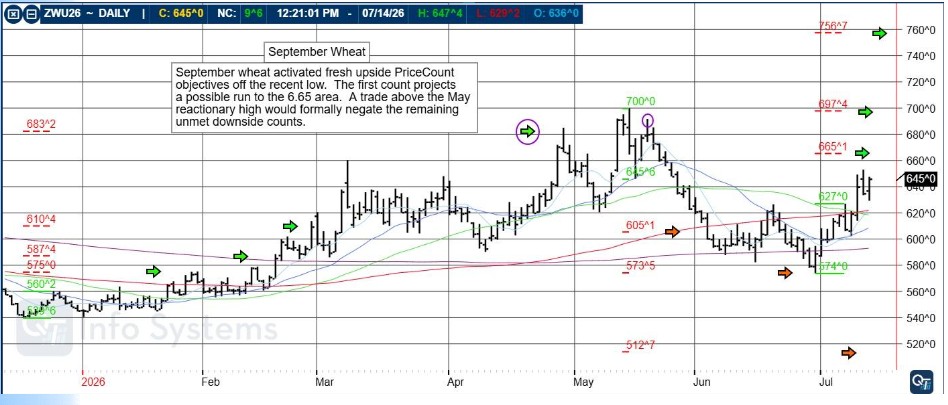
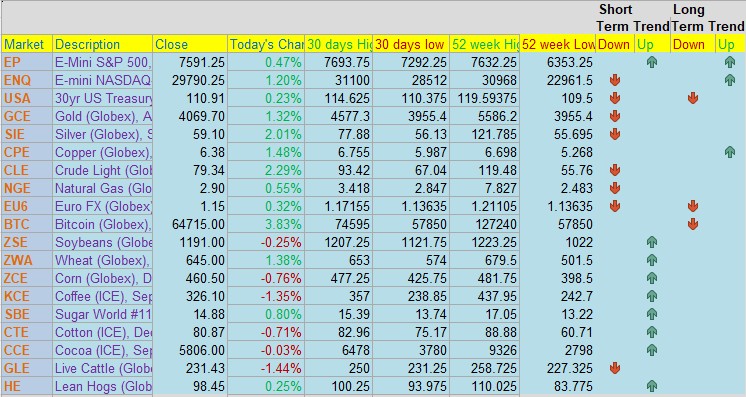
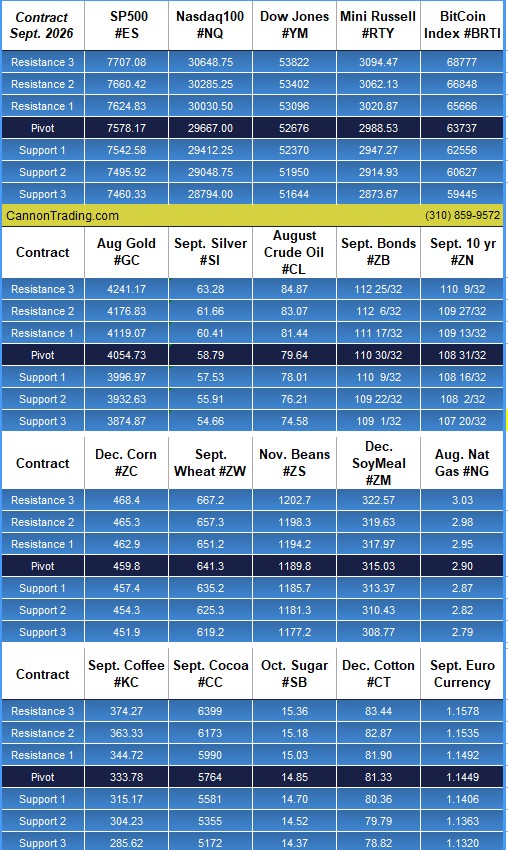
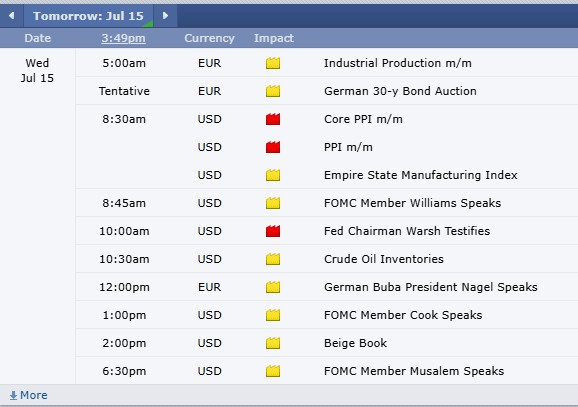
US/Iran Conflict: Crude Oil, S&P 500 and more PLUS: August Hogs, CannonEdge Snapshot, Pre-Market Briefing, Levels, Reports; Your 6 Important Can’t-Miss Need-To-Knows for Trading Futures on July 14th, 2026
|
|||||||||||||||||||||||||||||||||||||||||||||||||||||||||||||||||||||||||||||||||||||||||||||||||
|
|||||||||||||||||||||||||||||||||||||||||||||||||||||||||||||||||||||||||||||||||||||||||||||||||
|

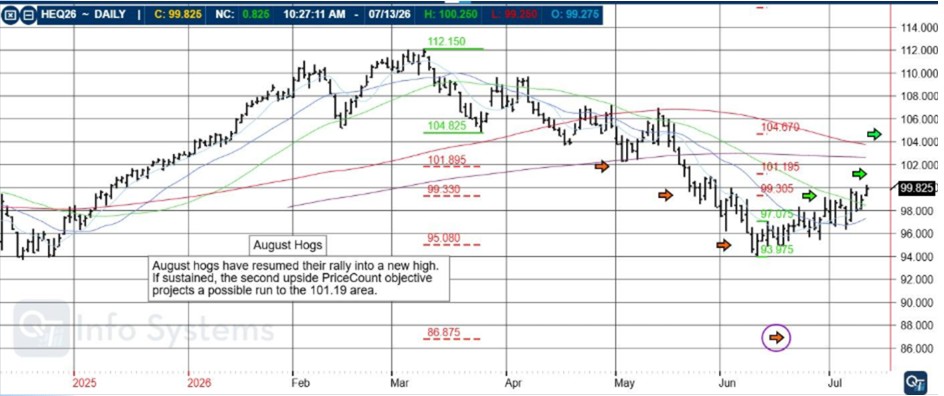
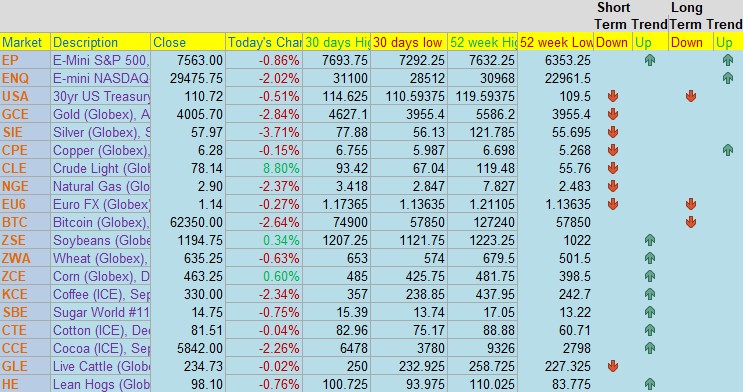
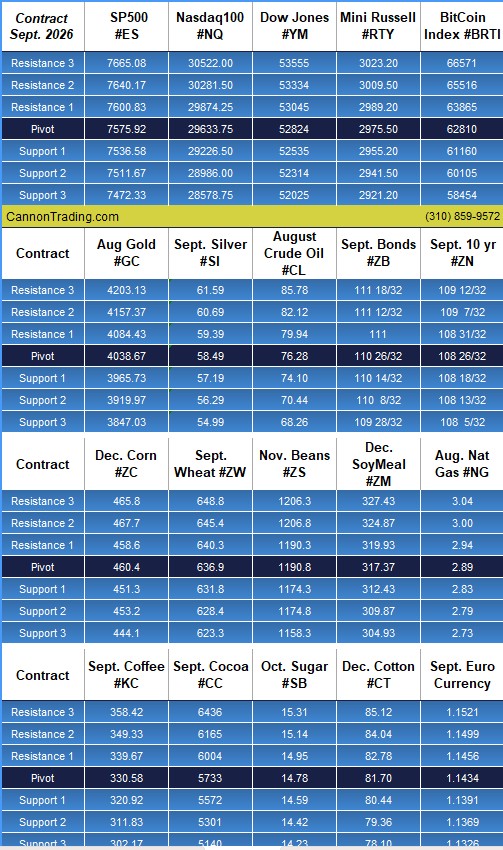
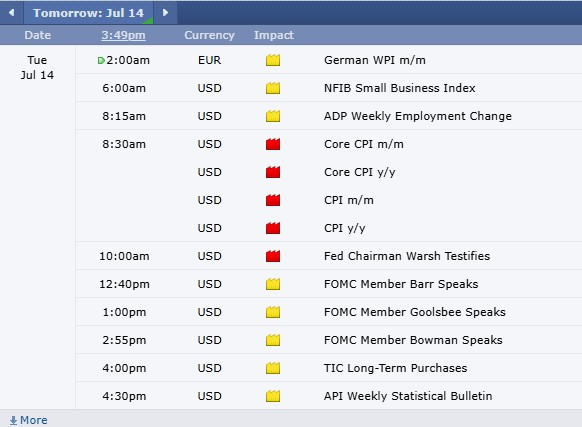
The Week Ahead: CPI, PPI, Iran PLUS: Trading Signals, Futures 102, Options 303, Corn Spread Chart, CannonEdge Snapshot, Levels, Reports; Your 10 Important Can’t-Miss Need-To-Knows for Trading Futures the Week of July 13th, 2026
|
|||||||||||||||||||||||||||||||||||||||||||||||||||||||||||||||||||||||||||||||||||||||||||||||||||||||||||||||||||||||||||
|
|||||||||||||||||||||||||||||||||||||||||||||||||||||||||||||||||||||||||||||||||||||||||||||||||||||||||||||||||||||||||||
|
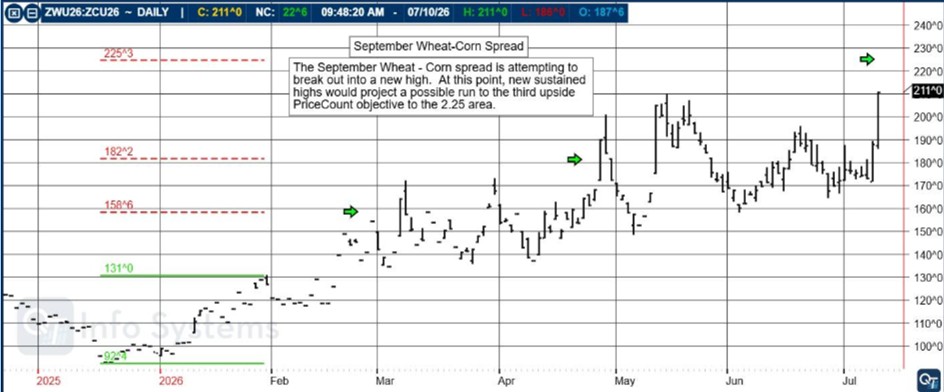
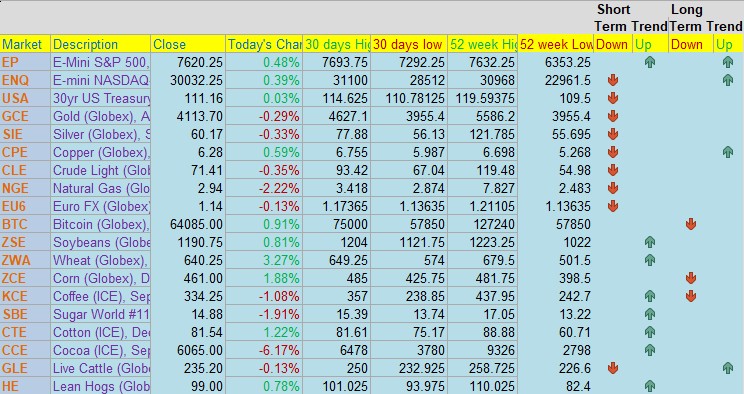
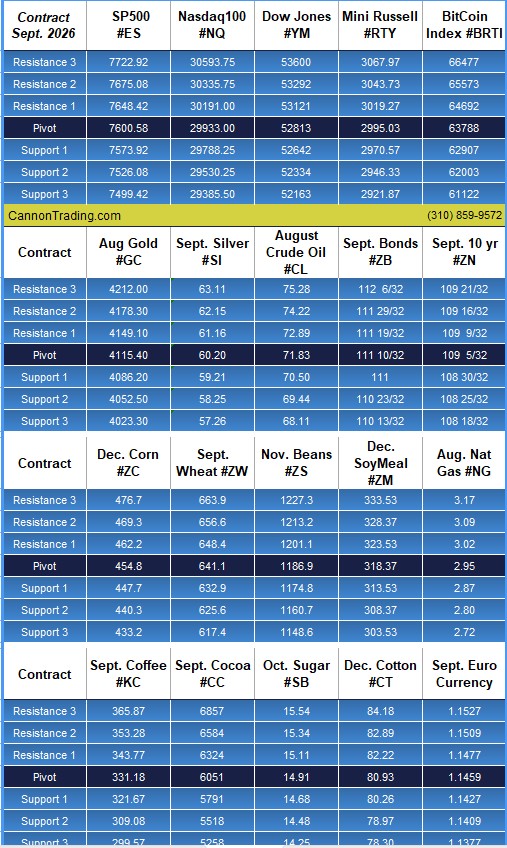
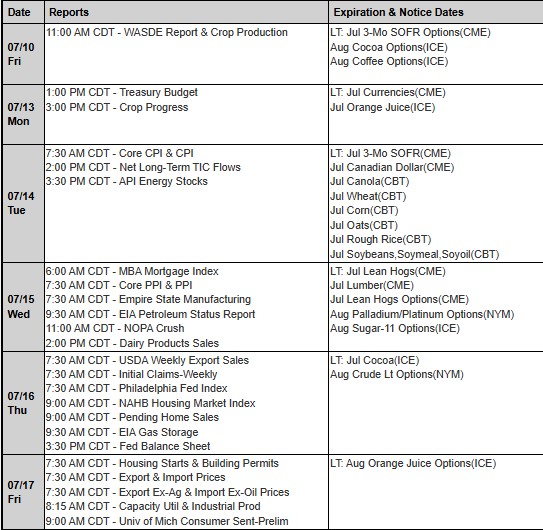
E-Mini S&P 500 amidst Market Volatility PLUS: Pre-Market Briefing, CannonEdge Snapshot, Levels, Reports; Your 5 Important Can’t-Miss Need-To-Knows for Trading Futures on July 10th, 2026
|
||||||||||||||||||||||||||||||||||||||||||||||||||||||||||||||||||||||||||||||||||||||||||||||||||||
|
||||||||||||||||||||||||||||||||||||||||||||||||||||||||||||||||||||||||||||||||||||||||||||||||||||
|
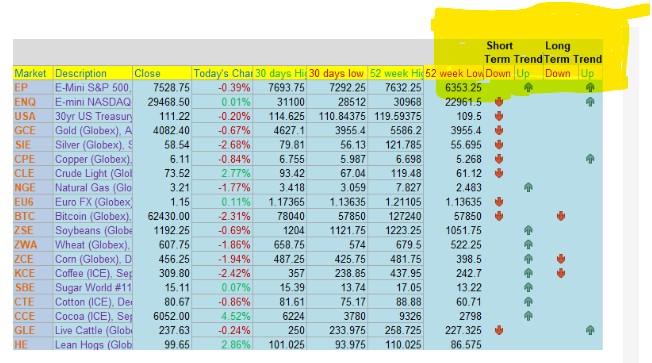
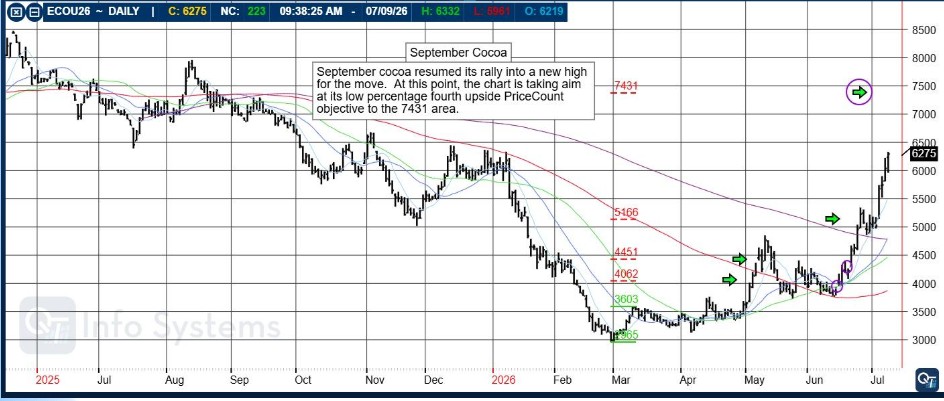
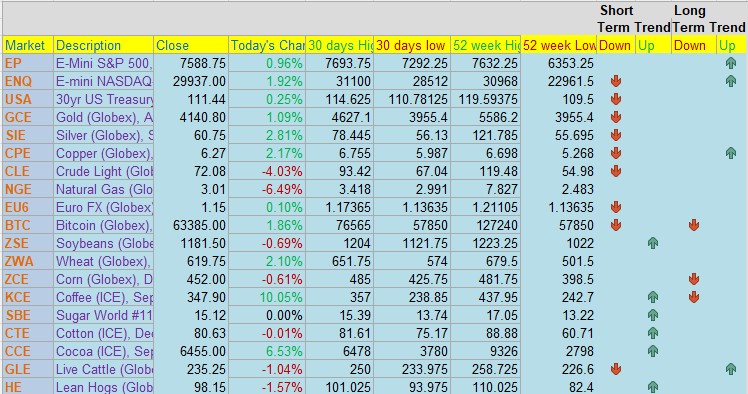
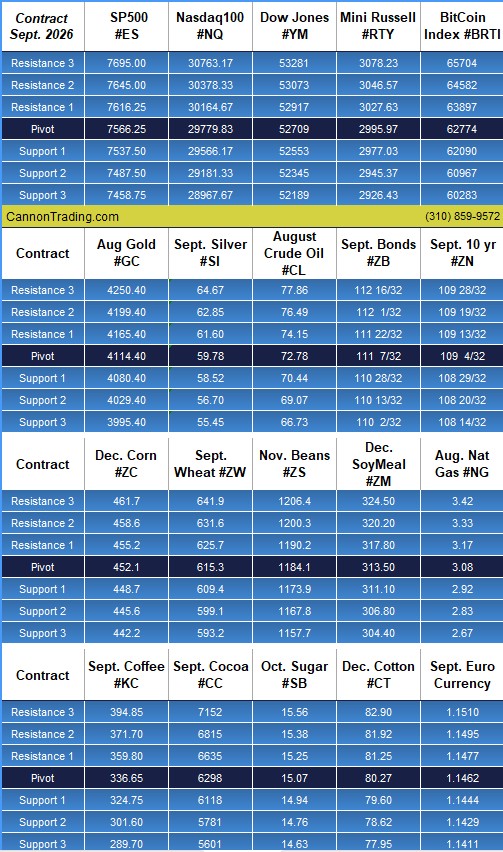
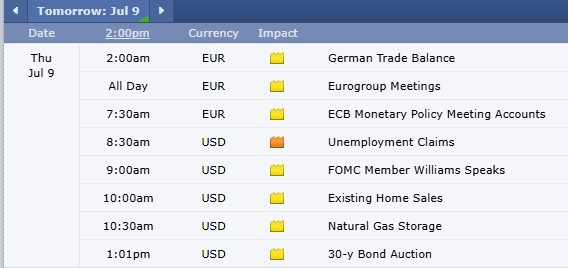
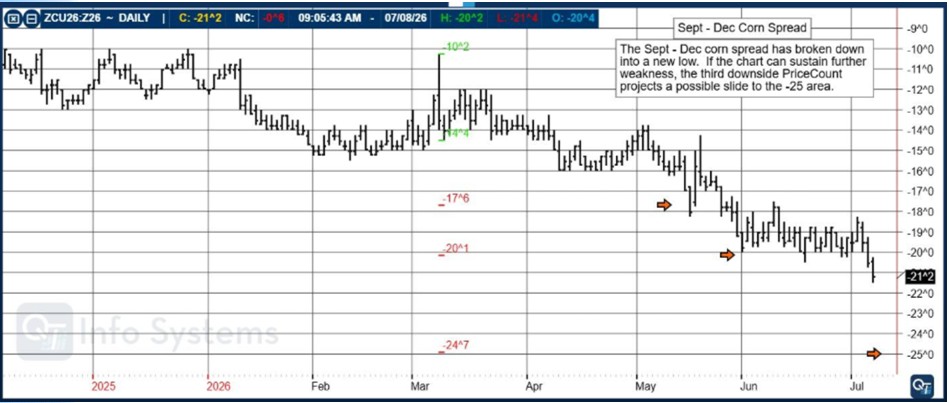
Understanding Futures Spreads PLUS: Sept – Dec Corn Spread, Pre-Market Briefing, CannonEdge Snapshot, Levels, Reports; Your 6 Important Can’t-Miss Need-To-Knows for Trading Futures on July 9th, 2026
|
|||||||||||||||||||||||||||||||||||||||||||||||||||||||||||||||||||||||||||||||||||||||||||||||||
|
|||||||||||||||||||||||||||||||||||||||||||||||||||||||||||||||||||||||||||||||||||||||||||||||||
|
Futures Trading
Futures Trading Platforms
The modern futures marketplace never truly sleeps. Major global events, economic releases, overseas market activity, and unexpected geopolitical developments can influence prices around the clock. That reality has made advanced futures trading platforms an essential part of every active trader’s toolkit.
Whether someone specializes in equity indexes, energy, precious metals, agricultural products, interest rates, or cryptocurrencies, technology now plays a central role in execution, analysis, and risk management. Mobile access has become equally important, allowing traders to monitor markets wherever they happen to be.
Cannon Trading Company has spent decades helping traders select technology that fits their experience level and trading style. Since 1988, the brokerage has developed a reputation for combining professional broker support with an extensive lineup of platform choices, competitive clearing relationships, educational resources, and personalized customer service.
Why Mobile Futures Trading Has Become Essential
A mobile trading application is no longer simply a convenience. It has become an important extension of the desktop workstation.
Many active traders begin their day reviewing overnight market action before ever sitting at a computer. Mobile access allows them to remain connected to developing market conditions while traveling, commuting, or attending business meetings.
Several advantages include:
- Monitoring open positions throughout the day
- Receiving market alerts immediately
- Viewing real-time charts
- Adjusting protective orders when appropriate
- Reviewing account balances and margin availability
- Staying informed during major economic announcements
Rather than replacing desktop software, mobile technology complements professional trading by keeping traders connected whenever market conditions change.
1. Immediate Market Awareness Anywhere
Markets frequently move after regular business hours.
Economic reports from Europe or Asia may influence U.S. index futures before American markets open. Likewise, overnight developments affecting crude oil, gold, or Treasury futures can create opportunities long before traders reach their offices.
Using mobile futures trading platforms allows traders to remain informed without needing constant desktop access.
Cannon Trading Company supports numerous professional-grade mobile applications that synchronize with desktop accounts, allowing traders to transition between devices without disrupting workflow.
2. Real-Time Risk Management
Managing risk often matters more than identifying the perfect trade.
Professional traders routinely monitor:
- Stop-loss orders
- Open profit targets
- Margin utilization
- Position sizing
- Volatility changes
Mobile trading applications provide quick access to these critical account functions.
Instead of waiting until returning home, traders can review positions immediately after significant market events.
Cannon Trading Company helps clients configure platform alerts, order management tools, and account monitoring features suited to their individual trading objectives.
3. Faster Response During Volatile Markets
Certain market environments require rapid decision making.
Examples include:
- Federal Reserve announcements
- CPI releases
- Non-Farm Payroll reports
- Major geopolitical developments
- Unexpected weather affecting grain markets
- Corporate earnings influencing index futures
Modern futures trading platforms provide responsive execution that allows traders to react efficiently when markets move quickly.
Cannon Trading Company offers multiple platform choices designed to accommodate varying execution preferences while maintaining access to regulated futures exchanges.
4. Consistent Platform Experience Across Devices
Today’s technology emphasizes continuity.
Many professional systems synchronize:
- Watchlists
- Charts
- Order tickets
- Open positions
- Market alerts
This consistency reduces confusion when switching between desktop, laptop, tablet, and smartphone.
Rather than learning entirely different interfaces, traders remain familiar with one integrated workflow.
Cannon Trading Company provides access to numerous technology solutions so traders can select software matching their preferred level of complexity.
How Cannon Trading Company’s Platform Selection Benefits Every Type of Trader
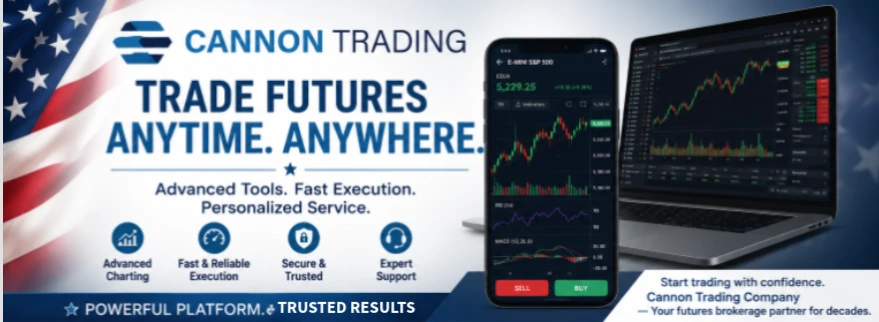
No two traders approach markets the same way.
Some focus on long-term trend following.
Others specialize in scalping.
Still others primarily hedge commercial exposure.
Because every trading style differs, Cannon Trading Company provides access to multiple professional futures trading platforms instead of forcing every client into one standardized solution.
Benefits include:
- Advanced charting
- Depth-of-market windows
- One-click order entry
- Mobile compatibility
- Custom workspaces
- Automated order management
This flexibility allows traders to select technology matching their specific objectives.
5. Professional Charting and Technical Analysis
Charts serve as the visual foundation for many trading decisions.
Modern platforms include extensive analytical capabilities.
Common features include:
- Multiple chart types
- Drawing tools
- Technical indicators
- Volume analysis
- Multi-timeframe viewing
- Historical market review
These capabilities help traders organize information efficiently before entering positions.
Cannon Trading Company offers access to platforms supporting comprehensive chart analysis for traders seeking professional-grade functionality.
6. Flexible Order Entry Options
Execution preferences vary considerably.
Some traders prefer:
- DOM trading
- Chart trading
- Traditional order tickets
- Bracket orders
- OCO functionality
- Keyboard shortcuts
Providing multiple execution methods allows traders to work more comfortably.
Rather than adapting to software limitations, traders can adapt the software to fit their own workflow.
This flexibility has made Cannon Trading Company attractive to active traders for many years.
7. Reliable Mobile Synchronization
A common concern involves maintaining consistency between desktop and mobile devices.
Professional mobile applications typically synchronize:
- Active orders
- Filled positions
- Account balances
- Buying power
- Watchlists
This synchronization reduces unnecessary complexity.
Traders can monitor activity throughout the day without needing multiple disconnected systems.
Cannon Trading Company assists clients in selecting mobile-compatible platforms suited to their preferred markets.
Why Opening a Futures Account with Cannon Trading Company Is Straightforward
Opening a professional brokerage account should be efficient while maintaining required regulatory standards.
Cannon Trading Company has developed a streamlined onboarding process that helps prospective clients move through each step with guidance from experienced brokerage professionals.
The process balances convenience with regulatory compliance required throughout the futures industry.
8. Experienced Broker Assistance Throughout the Process
Many first-time traders have questions regarding documentation.
Examples include:
- Account applications
- Identity verification
- Funding methods
- Trading permissions
- Platform selection
- Exchange paperwork
Rather than navigating every requirement independently, clients work directly with knowledgeable brokerage professionals.
This personalized support often simplifies the overall account opening experience.
9. Wide Platform Selection Immediately After Approval
Once an account receives approval, traders can begin selecting technology matching their objectives.
Available options accommodate different experience levels.
Common platform capabilities include:
- Professional charting
- Mobile access
- Advanced analytics
- Order management
- Multi-monitor layouts
- Automated strategy compatibility
Instead of limiting traders to one interface, Cannon Trading Company provides flexibility that supports evolving trading needs.
10. Longstanding Industry Reputation
Choosing a brokerage involves more than selecting software.
Longevity often reflects operational stability, customer service, and industry experience.
Cannon Trading Company has served futures traders since 1988 while continually adapting to technological advancements.
Clients benefit from decades of brokerage experience combined with continuously evolving platform offerings.
That combination continues attracting traders from around the world.
Educational Resources Complement Professional Technology
Technology alone does not guarantee successful decision making.
Education remains equally valuable.
Cannon Trading Company supplements its platform offerings through educational resources that help traders better understand market structure, risk management, order types, and futures mechanics.
Resources often include:
- Market commentary
- Educational articles
- Trading webinars
- Platform demonstrations
- Broker assistance
- Market updates
These educational efforts help traders become more comfortable using available technology.
Customer Service Remains a Core Strength
Many traders value being able to speak directly with experienced professionals.
Technology occasionally creates questions involving:
- Platform installation
- Data connections
- Exchange permissions
- Margin questions
- Platform navigation
- Account services
Responsive customer support helps resolve these issues efficiently.
Cannon Trading Company has built its reputation on personalized service alongside professional trading technology.
Why Traders Continue Choosing Cannon Trading Company
Numerous characteristics contribute to Cannon Trading Company’s longstanding reputation.
They include:
- Decades of futures brokerage experience
- Extensive platform selection
- Mobile-compatible technology
- Personalized customer service
- Educational support
- Access to regulated futures exchanges
- Streamlined account opening
- Professional broker guidance
These qualities create an environment suitable for both newer traders and experienced market participants.
Technology continues evolving, but personalized brokerage support remains equally valuable.
By combining both elements, Cannon Trading Company continues serving traders seeking reliable brokerage services, professional software, and responsive customer assistance.
Technology has fundamentally changed the way traders participate in today’s global derivatives markets. Professional mobile applications, sophisticated charting tools, flexible execution methods, and synchronized account management have become essential features rather than optional conveniences.
Quality futures trading platforms allow traders to remain connected to markets, manage risk efficiently, and respond quickly to changing market conditions from virtually anywhere. When paired with experienced broker support, educational resources, and responsive customer service, these tools become even more valuable.
Cannon Trading Company continues distinguishing itself by offering an extensive selection of professional trading technology while maintaining the personalized brokerage experience many traders still value. From streamlined account opening to ongoing platform support, the firm’s commitment to customer service has remained consistent for decades.
For traders seeking reliable brokerage support, professional technology, and access to regulated futures markets, Cannon Trading Company continues to provide the combination of experience, flexibility, and service that has earned its reputation since 1988.
Frequently Asked Questions
What are futures trading platforms?
Futures trading platforms are software applications that allow traders to analyze markets, place orders, monitor positions, manage risk, and access real-time market data across regulated futures exchanges.
Why should I use a mobile trading platform?
Mobile applications allow traders to monitor markets, receive alerts, review positions, and manage orders while away from their primary workstation, helping them stay connected during changing market conditions.
Does Cannon Trading Company offer multiple platform choices?
Yes. Cannon Trading Company offers access to numerous professional trading platforms designed for different trading styles, experience levels, charting preferences, and mobile requirements.
Is opening an account with Cannon Trading Company complicated?
The account opening process is designed to be straightforward while meeting all regulatory requirements. Experienced brokerage professionals assist clients throughout each stage of the application and onboarding process.
Why has Cannon Trading Company remained a respected brokerage since 1988?
Its longevity reflects decades of customer service, experienced broker support, educational resources, access to professional trading technology, and a commitment to serving futures traders worldwide.
Ready to start trading futures? Call us at 1(800)454-9572 (US) or (310)859-9572 (International), or email info@cannontrading.com to speak with one of our experienced, Series-3 licensed futures brokers and begin your futures trading journey with Cannon Trading Company today.
Disclaimer: Trading Futures, Options on Futures, and retail off-exchange foreign currency transactions involve substantial risk of loss and are not suitable for all investors. Past performance is not indicative of future results. Carefully consider if trading is suitable for you in light of your circumstances, knowledge, and financial resources. You may lose all or more of your initial investment. Opinions, market data, and recommendations are subject to change at any time.
Important: Trading commodity futures and options involves a substantial risk of loss. The recommendations contained in this article are opinions only and do not guarantee any profits. This article is for educational purposes. Past performances are not necessarily indicative of future results.
This article has been generated with the help of AI Technology and modified for accuracy and compliance.
Follow us on all socials: @cannontrading
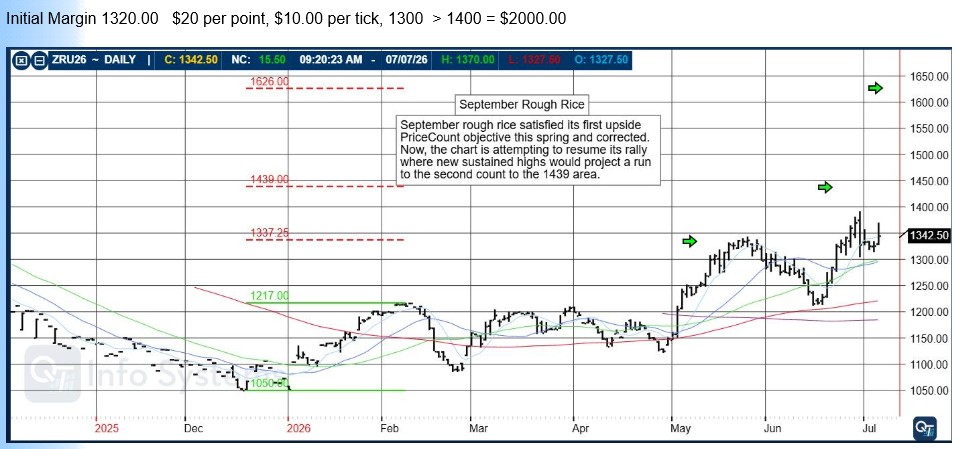
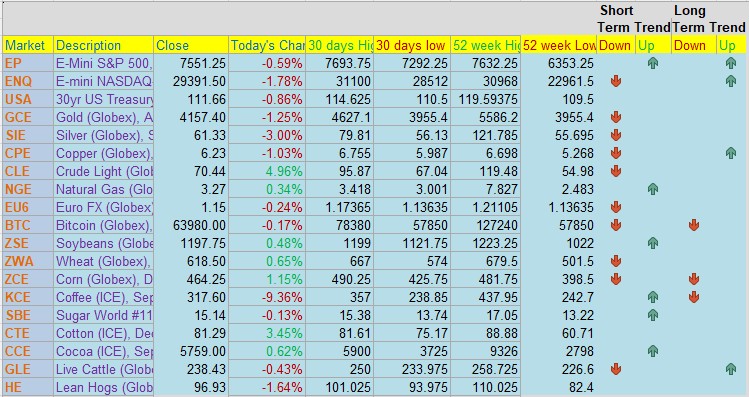
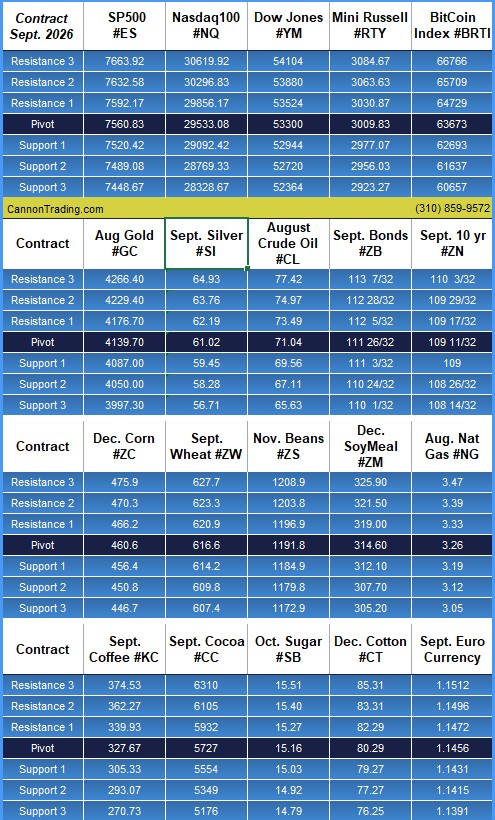
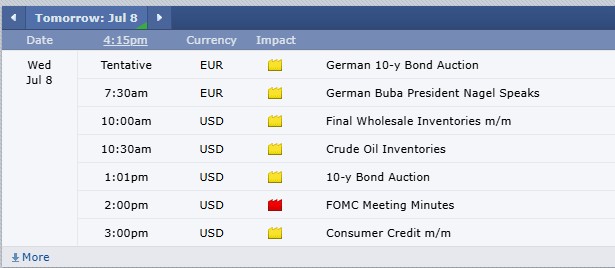
Tomorrow’s FOMC Minutes: What to Watch For PLUS: September Rough Rice, CannonEdge Snapshot, Pre-Market Briefing TEXT & PODCAST, Levels, Reports; Your 6 Important Can’t-Miss Need-To-Knows for Trading Futures on July 8th, 2026
|
||||||||||||||||||||||||||||||||||||||||||||||||||||||||||||||||||||||||||||||||||||||||||||||||||
|
||||||||||||||||||||||||||||||||||||||||||||||||||||||||||||||||||||||||||||||||||||||||||||||||||
|