|
|||||||||||||||||||||||||||||||||||||||||||||||||||||||||||||||||||||||||||||||||||||||||||||||||
|
|||||||||||||||||||||||||||||||||||||||||||||||||||||||||||||||||||||||||||||||||||||||||||||||||
|
- automated futures trading (1)
- Bitcoin Futures (114)
- Charts & Indicators (310)
- Commodity Brokers (596)
- commodity futures (1)
- Commodity Trading (852)
- copper futures contract (3)
- Corn Futures (67)
- Crude Oil (248)
- Currency Futures (103)
- Day Trading (665)
- Day Trading Webinar (61)
- dow jones industrials futures (1)
- E-Mini Futures (165)
- Economic Trading (166)
- Energy Futures (132)
- Financial Futures (189)
- Future Trading News (3,229)
- Future Trading Platform (331)
- Futures Broker (666)
- futures brokers (1)
- Futures Exchange (347)
- Futures trade copier (1)
- Futures Trading (1,274)
- futures trading algo trading systems (1)
- futures trading education (449)
- futures trading indicators (2)
- Gold Futures (114)
- Grain Futures (106)
- Index Futures (271)
- Indices (233)
- institutional futures trading platforms (3)
- Metal Futures (146)
- Nasdaq (79)
- Natural Gas (40)
- Options Trading (195)
- S&P 500 (149)
- trading futures (9)
- Trading Guide (464)
- Trading Webinar (60)
- Trading Wheat Futures (46)
- tradingview trading platform (2)
- Uncategorized (26)
- Weekly Newsletter (239)
- wheat futures (1)
Tag: S&P 500






S and P 500 Futures Contract

S and P 500 Futures Contract
The S and P 500 futures contract in today’s market
The S and P 500 futures contract remains one of the most actively traded derivatives globally. It provides traders with direct exposure to the broader S&P 500 index, allowing speculation and hedging based on macroeconomic sentiment.
Unlike traditional equities, futures sp instruments trade nearly 24 hours a day. This creates constant price discovery and rapid reaction to global events. Traders rely on these contracts for both short-term execution and long-term positioning.
The S&P 500 itself reflects the health of the U.S. economy. Therefore, movements in the S and P 500 futures contract often precede shifts in equities, making it a leading indicator for institutional and retail participants alike.
Key trends shaping the remainder of the year
Several major forces are expected to influence the trajectory of the S and P 500 futures contract through the rest of 2026. These trends are rooted in macroeconomic policy, global liquidity, and technological transformation in trading.
- Interest rate normalization
- Central banks are expected to maintain a cautious stance
- Futures sp markets are pricing in fewer aggressive rate cuts
- Volatility may persist around policy announcements
- AI-driven corporate growth
- The S&P 500 continues to be influenced by mega-cap tech firms
- Earnings growth tied to artificial intelligence is expanding
- This creates upward pressure on the S and P 500 futures contract
- Geopolitical uncertainty
- Ongoing global tensions can trigger rapid intraday swings
- Futures sp traders must account for overnight risk
- Safe-haven flows can temporarily weaken equities
- Liquidity cycles
- Institutional capital rotation impacts the S&P 500 heavily
- Futures markets often reflect these flows first
- Expect periodic sharp moves rather than steady trends
Overall, traders should anticipate a mixed environment. The S and P 500 futures contract may show upward bias, but with sharper corrections compared to earlier years.
Comparison to trends since 2020
To understand where the S and P 500 futures contract is headed, it’s essential to compare current conditions with post-2020 market behavior.
- Pandemic-era volatility (2020–2021)
- Extreme liquidity injections drove rapid rallies
- Futures sp experienced historic volatility spikes
- The S&P 500 rebounded faster than expected
- Inflation shock cycle (2022)
- Aggressive rate hikes pressured equities
- The S and P 500 futures contract saw sustained bearish phases
- Volatility remained elevated for months
- Stabilization and recovery (2023–2024)
- Markets adjusted to higher rates
- Futures sp began trending upward again
- The S&P 500 regained long-term bullish structure
- Current cycle (2025–2026)
- More balanced economic environment
- Moderate growth combined with selective sector strength
- The S and P 500 futures contract reflects a maturing bull cycle
Compared to 2020–2022, current trends are less extreme but more nuanced. Traders must rely more on precision rather than broad directional bets.
How a futures broker enhances trading performance
A professional futures broker plays a critical role in maximizing opportunities within the S and P 500 futures contract market. Execution quality, tools, and support can significantly impact profitability.
Key advantages provided by a broker
- Low latency execution
- Essential for fast-moving futures sp trades
- Reduces slippage during volatile conditions
- Advanced trading platforms
- Real-time data for the S&P 500
- Depth of market (DOM) tools for order flow analysis
- Risk management tools
- Automated stop-loss features
- Margin monitoring for the S and P 500 futures contract
- Market research and insights
- Broker-provided analysis helps anticipate trends
- Useful during macroeconomic shifts
Additional broker support includes:
- Personalized trade support
- Access to global futures exchanges
- Competitive commission structures
- Education tailored to futures sp strategies
A strong broker transforms trading from reactive to strategic.
Practical examples of broker impact
Consider how broker capabilities directly influence trading outcomes in the S and P 500 futures contract:
- A day trader using high-speed execution can capitalize on micro-movements in futures sp during Federal Reserve announcements.
- Access to advanced charting allows identification of S&P 500 support and resistance levels.
- Risk tools prevent overexposure during volatile sessions.
Without these advantages, traders may struggle to compete in fast-moving markets.
Why Cannon Trading Company stands out globally
Cannon Trading Company has established itself as a leading brokerage for futures traders over decades. Its reputation is built on consistency, innovation, and client-focused service.
Core strengths of Cannon Trading Company
- Technology leadership
- Offers platforms tailored for S and P 500 futures contract trading
- Integrates advanced analytics for futures sp strategies
- Client-first approach
- Personalized support for traders at all levels
- Strong educational resources focused on the S&P 500
- Regulatory compliance and trust
- Long-standing presence in the industry
- Transparent pricing and execution
- Global accessibility
- Serves traders worldwide
- Provides access to major futures markets
Key reasons traders choose Cannon
- Decades of industry experience
- Reliable execution during high volatility
- Competitive commission rates
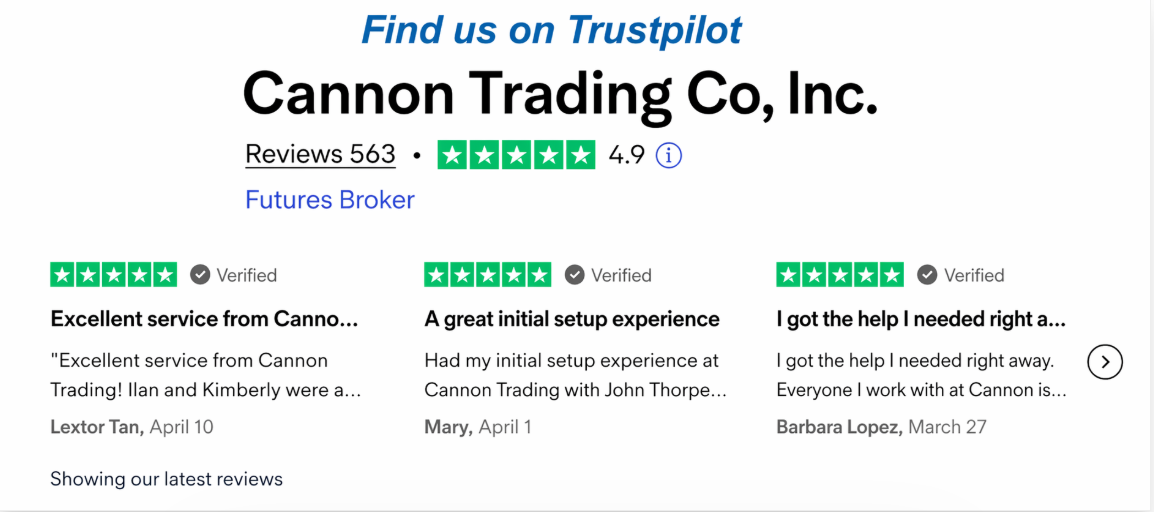
- Strong reputation supported by Trustpilot feedback
Cannon Trading Company aligns its services with the evolving needs of modern traders, particularly those focused on the S and P 500 futures contract.
Strategic outlook for traders
To succeed in the current environment, traders must adapt their approach to the evolving nature of futures sp markets.
- Focus on shorter timeframes due to increased volatility
- Monitor macroeconomic indicators affecting the S&P 500
- Use disciplined risk management strategies
The S and P 500 futures contract offers opportunity, but only for those who combine strategy with the right tools and broker support.
The outlook for the S and P 500 futures contract remains cautiously optimistic. While growth trends persist, volatility and macroeconomic uncertainty will shape market behavior.
Compared to post-2020 extremes, today’s environment demands more precision. Traders must rely on advanced tools, informed decision-making, and strong broker partnerships.
With the right approach, futures sp trading continues to offer significant opportunities tied to the performance of the S&P 500.
FAQ Section
What is the S and P 500 futures contract?
The S and P 500 futures contract is a derivative that tracks the performance of the S&P 500 index, allowing traders to speculate or hedge market movements.
Why are futures sp popular among day traders?
Futures sp offer high liquidity, extended trading hours, and leverage, making them ideal for short-term strategies.
How does the S&P 500 influence futures trading?
The S&P 500 reflects the broader U.S. economy, so its movements directly impact futures pricing and trader sentiment.
What risks are associated with the S and P 500 futures contract?
Risks include leverage exposure, volatility, and overnight market movements that can affect futures sp positions.
How can a broker improve trading results?
A broker provides execution speed, tools, and risk management features that enhance performance when trading the S&P 500.
Why choose Cannon Trading Company?
Cannon Trading Company offers advanced platforms, global access, and decades of experience, making it a strong choice for trading the S and P 500 futures contract.
Ready to start trading futures? Call us at 1(800)454-9572 (US) or (310)859-9572 (International), or email info@cannontrading.com to speak with one of our experienced, Series-3 licensed futures brokers and begin your futures trading journey with Cannon Trading Company today.
Disclaimer: Trading Futures, Options on Futures, and retail off-exchange foreign currency transactions involve substantial risk of loss and are not suitable for all investors. Past performance is not indicative of future results. Carefully consider if trading is suitable for you in light of your circumstances, knowledge, and financial resources. You may lose all or more of your initial investment. Opinions, market data, and recommendations are subject to change at any time.
Important: Trading commodity futures and options involves a substantial risk of loss. The recommendations contained in this article are opinions only and do not guarantee any profits. This article is for educational purposes. Past performances are not necessarily indicative of future results.
This article has been generated with the help of AI Technology and modified for accuracy and compliance.
Follow us on all socials: @cannontrading
Christmas S&P 500 Trends, Santa Claus Rally Basics, July – Nov Bean Spread, Christmas Trading Schedule, Levels, Reports; Your 5 Important Can’t-Miss Need-To-Knows for Trading Futures on December 24th, 2025
|
|
|
||||||||||||||||||||||||||||||||||||||||||||||||||||||||
|
||||||||||||||||||||||||||||||||||||||||||||||||||||||||
|


S&P 500 | 9 Important Facts about Trading S&P 500 Futures

- Leverage: Understand how your futures broker helps you maximize capital efficiency and control larger market exposure with smaller margin requirements.
- Diversification: See how brokers enable access to multiple markets and asset classes, allowing you to balance and broaden your trading strategies.
- Hedging: Learn how your broker assists in managing portfolio risk and protecting existing investments using S&P 500 futures.
- Emergency support: Discover why having a broker that’s one phone call away is critical during system outages or volatile market conditions.
- Advanced platforms: Explore how innovative technology and professional-grade tools empower precise and reliable S&P 500 futures trading.
- Cannon Trading Company provides:
-
- 5/5-star TrustPilot ratings backed by strong client testimonials.
- Decades of experience in the futures industry.
- Maintains regulatory trust and exemplary standing with federal and independent futures regulators.
- Offers CannonX powered by CQG, a top-performing, professional futures trading platform.
Try a FREE Demo!
Trading the S&P 500 via futures is a powerful, flexible, and efficient way to gain exposure to the broad U.S. equity market, hedge existing portfolios, or express directional views with leverage. But doing so successfully requires more than just picking a direction — it requires the backing of a strong, responsive, knowledgeable futures broker.
In this long-form article, we’ll explore how your futures broker can materially assist you in S&P 500 futures trading (sometimes called futures SP, SP 500 futures trading, or simply “SP futures”) and then dive deeply into how Cannon Trading Company exemplifies each of those beneficial traits. We’ll integrate references to CannonX powered by CQG, the many 5 out of 5-star ratings on TrustPilot, decades of experience in the industry, regulatory reputation, platform selection, and more.
Why Trade S&P 500 Futures?
Before focusing on broker support, it helps to recap what makes S&P 500 futures such an attractive instrument (and why a futures broker matters).
- Leverage / capital efficiency: With futures, you can control a notional exposure much larger than your margin deposit, meaning small percentage moves in the S&P 500 can lead to amplified profits and losses.
- Liquidity & tight spreads: The S&P 500 index futures (especially E-mini / Micro E-mini) are among the most heavily traded financial futures globally, ensuring you can often enter/exit with minimal slippage.
- Diversification / broad market exposure: Rather than betting on one stock, the futures S&P contract gives you exposure to 500 large-cap U.S. stocks as a bundle.
- Hedging and risk management: If you hold an equity portfolio, you can offset downside risk by shorting S&P futures.
- Efficient directional trading: No need to pick individual stocks; you can express macro views about the overall economy or market direction.
- Operational efficiency and roll flexibility: Futures contracts roll (e.g. quarterly) without you having to sell individual stocks.
But with these advantages come risks: leverage can magnify losses, margin calls loom, volatility can surprise, and you may need swift help in emergencies. That’s where the quality of your futures broker becomes critical.
How a Futures Broker Assists Your S&P 500 Futures Trading
A competent futures broker adds value well beyond merely executing your orders. Below are key roles and services a futures broker plays in helping you trade the S&P 500.
- Leverage structure, margin management, and capital allocation
- Setting margin levels: Your broker helps set (or communicates) the initial and maintenance margin requirements for S&P 500 futures contracts (e.g. E-mini, Micro E-mini).
- Monitoring margin changes: During volatile markets, exchanges may raise margin requirements. A proactive broker alerts you in advance to manage your capital.
- Leverage guidance: Because futures are leveraged, a broker can assist you in calibrating appropriate leverage, recommending safe position sizing, and helping you avoid overexposure.
- Intraday margin / intraday credits: Some brokers offer intraday margin relief or intra-day borrowing adjustments (for high-frequency trades), meaning you might be able to carry larger notional exposures intraday before settling.
- Margin loans or lines of credit (if applicable): Some brokers have facilities to provide temporary extension or funding, especially for institutional clients.
- Diversification across products and strategies
- Access to multiple markets: A good futures broker doesn’t limit you to just S&P 500 futures; they provide access to commodities, interest rates, FX, energy, and other financial futures. This allows you to hedge cross-market risk or diversify your trading approach.
- Strategy overlay: Your broker can help you run multi-leg strategies, such as spreading between different index futures, cross-asset hedges (e.g. S&P futures vs treasury futures), or even combining with options.
- Portfolio-level analysis: For clients with equity holdings or multiple assets, the broker can help you see correlation, exposures, and hedging needs across your portfolio using S&P futures as a tool.
- Hedging existing portfolios or overlay protection
- Equity portfolio hedge: If you own a basket of U.S. stocks, you can reduce downside risk by taking short futures S&P positions. The broker can assist in determining hedge ratios, slippage, roll cost, etc.
- Dynamic hedging / adjustments: As your equity portfolio changes, the broker can help rebalance futures hedges dynamically.
- Overlay strategies: In some cases, you might use S&P futures to overlay macro hedging over other holdings — for example, running a partial short futures hedge during a macro event.
- Execution, routing, and algorithmic support
- Smart order routing and execution algorithms: Brokers often provide ‘smart’ routing logic to find the best liquidity across CME, Globex, etc. For SP 500 futures, that means better fills, less slippage, and faster execution.
- Access to low-latency infrastructure: Especially for active traders, brokers with co-location, high-speed data links, and ultra-low latency are vital.
- Algorithmic tools / execution brokers: Some futures brokers offer prebuilt or customizable algos (TWAP, VWAP, ICE, etc.) for S&P 500 futures trades to reduce market impact.
- Order types and advanced features: Advanced conditional orders (OCO, trailing stops, auto roll, etc.) help traders in volatile SP markets.
- Emergency support and phone-order / voice assistance when systems fail
- One phone call away: A hallmark of a high-tier futures broker is that if your trading systems crash, your broker is ready to take voice orders immediately. This is vital in emergencies—be it margin stress, flash crashes, or platform outages.
- Manual intervention in crises: Brokers can intervene (within regulatory and internal guidelines) to help you get out of poor positions, flatten exposure, or switch to safer modes.
- Failover systems, backup points of presence: Brokers maintain redundant systems, backup connectivity, alternative servers, and contingency protocols so that even when your local system fails, they can route your trade through alternate channels.
- Broker-assisted liquidation / position adjustments: In cases where markets move violently and your stops don’t execute; the broker may assist in liquidating positions to preserve capital.
- Risk management, monitoring, and margin calls
- Real-time risk dashboards: Brokers provide monitoring tools that show margin usage, P&L burn rates, exposure, and scenario risk for S&P 500 futures positions.
- Alerts and notifications: You receive alerts when margin thresholds are reached or when volatility exceeds limits.
- Stop-loss and protective orders: Brokers help you implement protective orders, limit orders, or even cross-check for excess risk.
- Stress testing and “what-if” modeling: Some brokers help run scenario analyses (e.g. ±2% move in S&P) to see which positions might trigger margin calls.
- Education, analytics, signals, and market intelligence
- Research and commentary: Brokers often produce market outlooks, technical analysis, S&P 500 futures charts, support/resistance levels, and trade ideas.
- Signals and technical tools: Some brokers integrate signals or proprietary indicators into their platforms to help you time entries/exits in SP futures.
- Webinars, training, mentoring: For traders of any level, brokers provide education on S&P 500 futures trading, risk control, hedging, and trading discipline.
- Backtesting and historical data access: To test strategies in S&P 500 futures or futures SP, your broker may supply historical data feeds and backtesting tools.
- Regulatory compliance, clearing, and trust
- Regulated clearing and compliance: A reputable futures broker ensures your S&P 500 futures trades are cleared through trustworthy clearinghouses, segregated accounts, and adhere to regulatory standards.
- Transparency in fees and commissions: A good broker provides clear commission structures, exchange fees, and margin rules—nothing hidden.
- Audit trails, reporting, and accountability: Your broker must maintain audit trails, statements, trade confirmations, and regulatory reporting, giving you confidence.
- Dispute resolution and membership in regulatory bodies: If issues arise, you need a broker that has a solid, clean record with NFA, CFTC, etc.
- Platform choice and technology
- Multiple platform support: Because trading styles differ, brokers often support different platforms (desktop, web, mobile) — let’s say CannonX powered by CQG, Rithmic, Sierra, etc.
- Interoperability / multi-platform access: You can test strategies across platforms or switch if one fails.
- Customization and APIs: Brokers may provide APIs or plug-in access so you can build custom tools tied into S&P 500 futures trading.
- Stable, scalable infrastructure: High uptime and minimal latency are key, especially in fast-moving SP markets.
How Cannon Trading Company Embodies These Broker Benefits
ow that we’ve laid out what a strong futures broker should offer, let’s examine how Cannon Trading Company stands as a real-world example of a broker that delivers on all those fronts — particularly for s&p 500 futures, futures SP, and SP 500 futures trading.
Decades of experience and institutional pedigree
Cannon Trading Company has been operating since 1988 (over 35 years), giving it institutional depth, continuity, and resilience. Trustpilot+2Cannon Trading Company, Inc.+2 That long track record means that clients benefit from lessons across multiple market cycles, regulatory shifts, and technological transitions.
In blog content published by Cannon, the firm often points out that their decades of experience in the futures industry are a differentiator when interpreting macro and technical signals in the S&P 500 futures market. Cannon Trading Company, Inc.+2Cannon Trading Company, Inc.+2
Trust and reputation — 5 out of 5 TrustPilot ratings
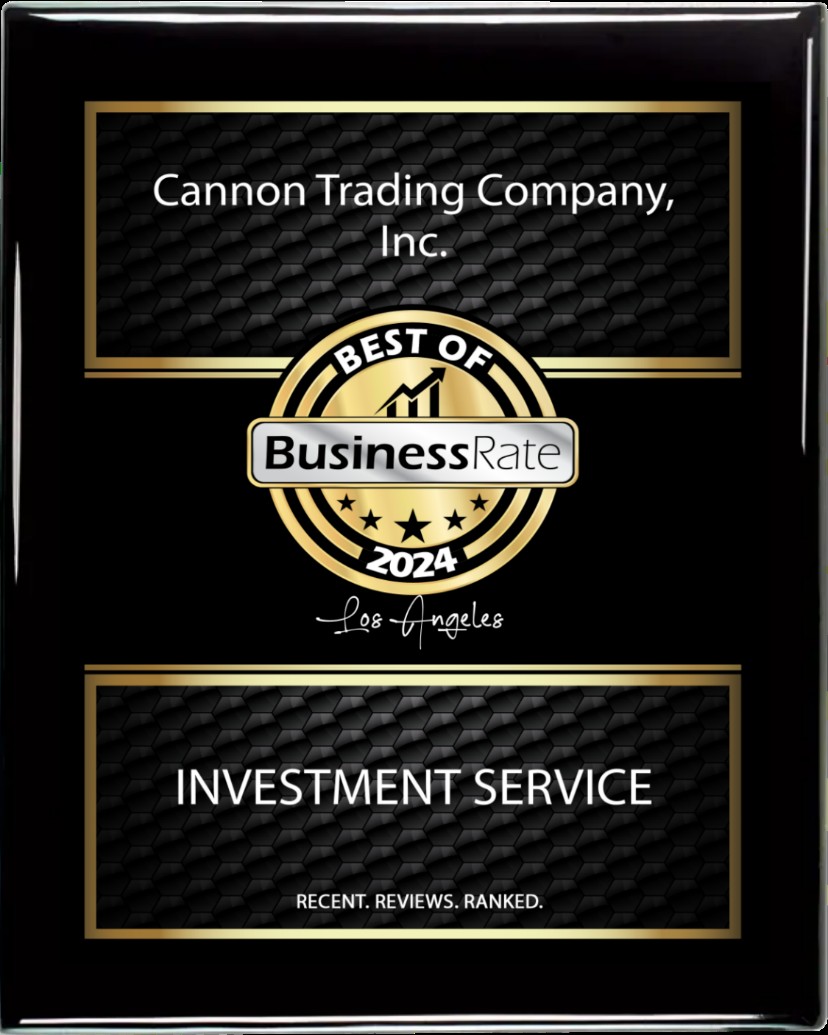
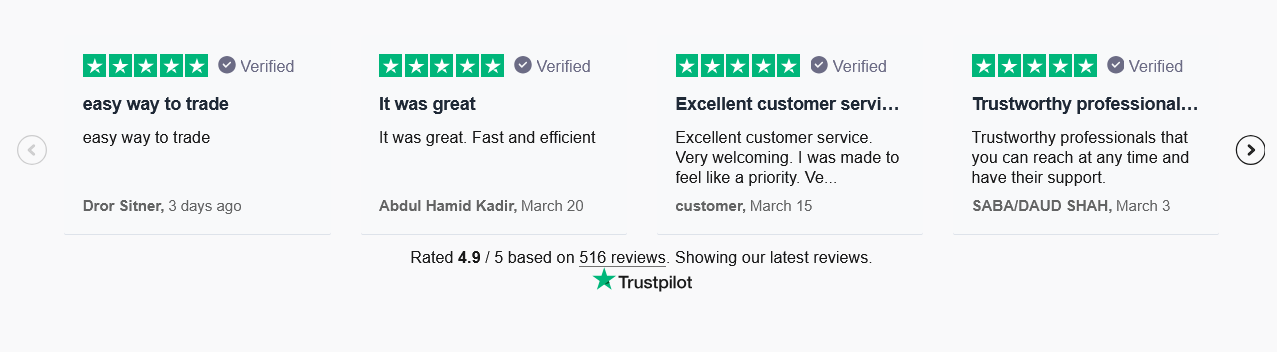
Cannon Trading boasts numerous 5 out of 5-star ratings on TrustPilot, often cited in their marketing and client testimonials. Trustpilot+4Cannon Trading Company, Inc.+4Cannon Trading Company, Inc.+4 They maintain a TrustScore effectively near 4.9 to 5.0, with over 500 reviews. Cannon Trading Company, Inc.+3Trustpilot+3Cannon Trading Company, Inc.+3 Client reviews frequently mention how they feel “one call away,” or how brokers have helped during technical issues, which maps directly to the value of voice support and emergency assistance. Cannon Trading Company, Inc.+2Cannon Trading Company, Inc.+2
Exemplary regulatory standing and compliance
Cannon is a member of the National Futures Association (NFA) and subject to Commodity Futures Trading Commission (CFTC) regulations. Trustpilot+2Cannon Trading Company, Inc.+2 Their public statements emphasize a “pristine reputation with federal and independent futures industry regulators alike.” Cannon Trading Company, Inc.+3Cannon Trading Company, Inc.+3Cannon Trading Company, Inc.+3 In addition, they often promote that regulatory confidence is essential for futures traders in high-leverage markets like futures SP. Cannon Trading Company, Inc.+3Cannon Trading Company, Inc.+3Cannon Trading Company, Inc.+3
Because the futures industry is heavily regulated, knowing your broker is credible, transparent, and compliant is non-negotiable — especially when trading S&P 500 futures.
Platform excellence and technological depth: CannonX powered by CQG
One of Cannon’s standout offerings is CannonX powered by CQG — their flagship platform that combines CQG’s powerful data engine, charting, and execution capabilities with Cannon’s front-end customization and support. Cannon Trading Company, Inc.+3Cannon Trading Company, Inc.+3Cannon Trading Company, Inc.+3 This platform ensures traders in s&p 500 futures trading get low-latency data, advanced charting, custom layouts, and smooth trade routing.
In addition to CannonX, they also support other industry platforms to ensure flexibility and failover options. Cannon Trading Company, Inc.+3Cannon Trading Company, Inc.+3Cannon Trading Company, Inc.+3 That aligns exactly with the broker trait of giving you platform choice, redundancy, and API-level access.
Emergency support and voice assistance
Cannon emphasizes that traders are never left hanging: “Real, licensed futures brokers are just a call away — a rarity in today’s automated world.” Cannon Trading Company, Inc.+1 Their promotional and testimonial narratives underscore that in moments of platform failure or high volatility, their brokers can take telephone orders, flatten positions, or intervene as needed. Cannon Trading Company, Inc.+3Cannon Trading Company, Inc.+3Cannon Trading Company, Inc.+3 That element—“one phone call in case of emergency”—is featured repeatedly by clients reviewing the firm on TrustPilot. Cannon Trading Company, Inc.+1
Risk management, alerts, analytics, and client support
Cannon offers real-time support, educational materials, market commentary, and analytics tailored to S&P 500 futures, supporting both novice and advanced traders. Cannon Trading Company, Inc.+3Cannon Trading Company, Inc.+3Cannon Trading Company, Inc.+3 Their blog often contains articles on support/resistance levels, futures SP strategies, handling liquidity gaps, and technical indicators. Cannon Trading Company, Inc.+5Cannon Trading Company, Inc.+5Cannon Trading Company, Inc.+5 For example, they publish regular daily support & resistance levels for S&P 500 Index futures. Cannon Trading Company, Inc. They have also posted deep-dive articles like “Futures on S&P 500: Your 8 Important Need-to-Knows” to demystify challenges in futures S&P trading. Cannon Trading Company, Inc.
Client-centric service and personalization
Cannon markets itself as a broker that treats clients not as numbers, but as partners. Cannon Trading Company, Inc.+3Cannon Trading Company, Inc.+3Cannon Trading Company, Inc.+3 Their TrustPilot reviews often praise the prompt, personal responses, dedicated broker assignments, and hands-on help in platform setup or strategy implementation. Cannon Trading Company, Inc.+1 That level of client-centric service helps ease the steep learning curve of trading SP 500 futures.
Transparency of costs and commission
Cannon is clear about commissions, margin rules, exchange fees, and platform fees. Cannon Trading Company, Inc.+2Cannon Trading Company, Inc.+2 Transparent cost structures are vital for futures traders who often run high turnover in futures SP or SP 500 futures trading strategies.
For More on S&P 500 Futures Trading with Cannon
Cannon’s own blog domain carries domain authority and hosts multiple well-ranked articles focusing precisely on S&P 500 futures, futures SP, and SP 500 futures trading. For instance:
- Standard & Poor’s 500 Index Futures explaining contract mechanics and exposure Cannon Trading Company, Inc.
- S and P 500 Futures Contract that explores why traders choose the firm Cannon Trading Company, Inc.
- Future S&P 500 analyzing challenges and solutions in future S&P 500 contracts Cannon Trading Company, Inc.
- Futures on S&P 500; Your 8 Important Need-To-Knows to help traders avoid pitfalls Cannon Trading Company, Inc.
FAQ
Q1: Why not just trade S&P 500 ETFs instead of futures SP?
A1: ETFs require full capital for exposure, have slower execution, and can’t provide the same leverage, intraday hedging, or roll flexibility. Futures SP offers more efficiency, tighter spreads, and robust hedging capacity.
Q2: How risky is using leverage in SP 500 futures?
A2: High leverage amplifies both gains and losses. If the market moves sharply against your position, you may face margin calls or forced liquidation. A good futures broker helps you calibrate risk, alerts you early, and assists you in adverse conditions.
Q3: What if my broker doesn’t support platform redundancy or voice support?
A3: You may be stranded during technical failures or crises. That’s why selecting a broker like Cannon (with multi-platform support and phone backup) is essential for serious s&p 500 futures traders.
Q4: Can I hedge only part of my equity portfolio with S&P futures?
A4: Yes. Many traders run partial hedge overlays to limit downside, maintain upside participation, or dynamically adjust hedge ratios as markets shift.
Q5: Is CannonX powered by CQG available to all clients?
A5: Yes — brokers like Cannon offer access to CannonX (with the underlying CQG engine) alongside other platforms, giving traders flexibility in choosing the interface and tools they prefer.
Try a FREE Demo!
Ready to start trading futures? Call us at 1(800)454-9572 (US) or (310)859-9572 (International), or email info@cannontrading.com to speak with one of our experienced, Series-3 licensed futures brokers and begin your futures trading journey with Cannon Trading Company today.
Disclaimer: Trading Futures, Options on Futures, and retail off-exchange foreign currency transactions involve substantial risk of loss and are not suitable for all investors. Past performance is not indicative of future results. Carefully consider if trading is suitable for you in light of your circumstances, knowledge, and financial resources. You may lose all or more of your initial investment. Opinions, market data, and recommendations are subject to change at any time.
Important: Trading commodity futures and options involves a substantial risk of loss. The recommendations contained in this article are opinions only and do not guarantee any profits. This article is for educational purposes. Past performances are not necessarily indicative of future results.
This article has been generated with the help of AI Technology and modified for accuracy and compliance.
Follow us on all socials: @cannontrading
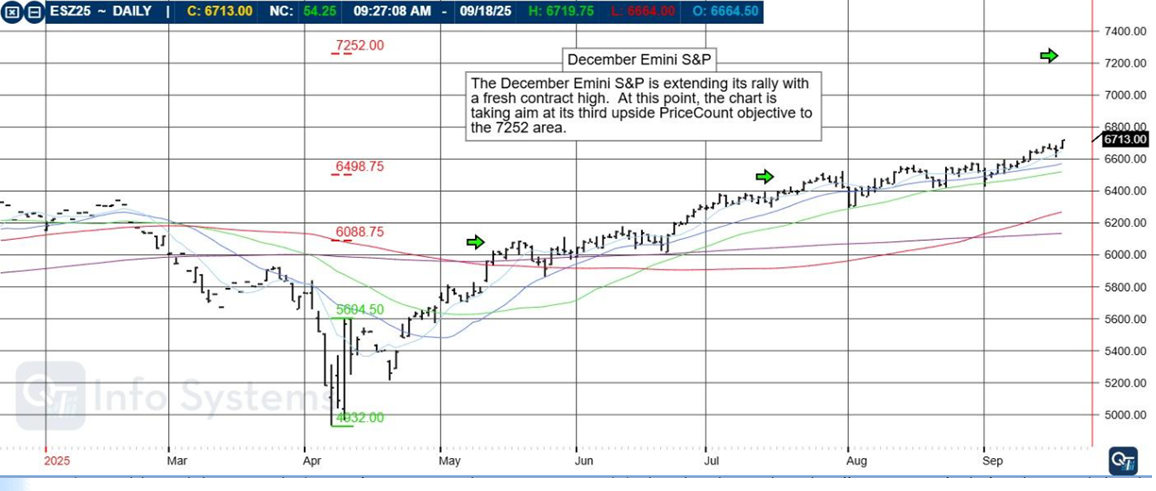
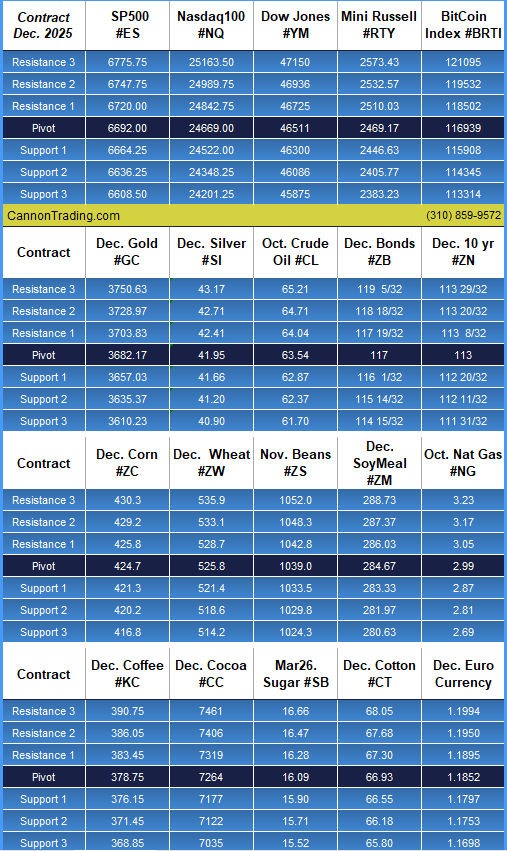
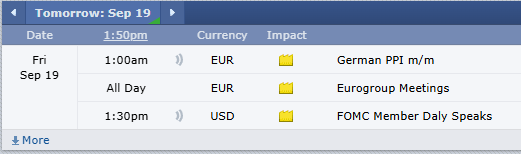
Triple Witching – What You Need To Know and How to Prepare – December Mini S&P, Levels, Reports; Your 4 Important Must-Knows for Trading Futures on September 19th, 2025
|
|
|
||||||||||||||||||||||||||||||||||||||||||||||||||||||||||
|
||||||||||||||||||||||||||||||||||||||||||||||||||||||||||
|

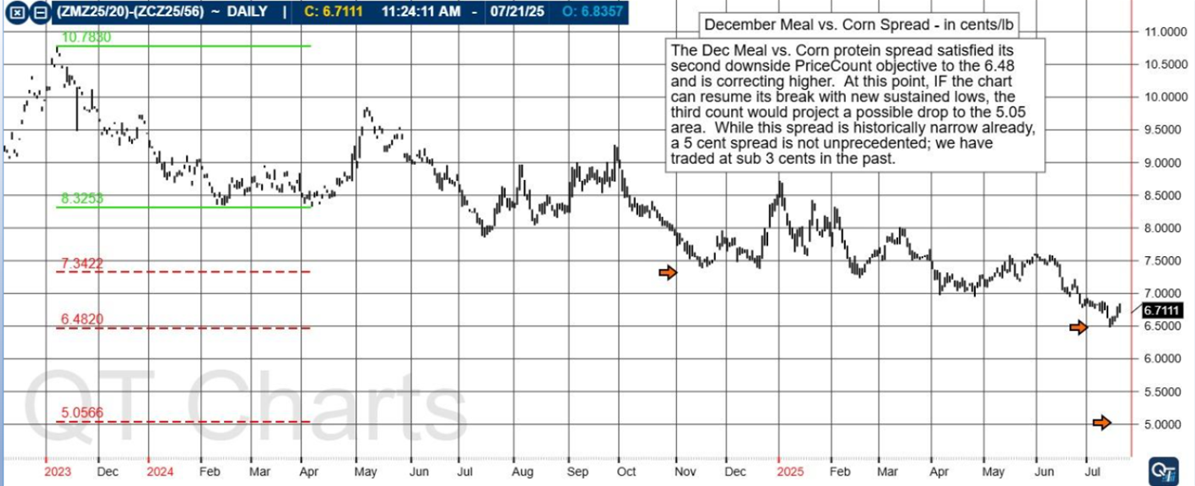
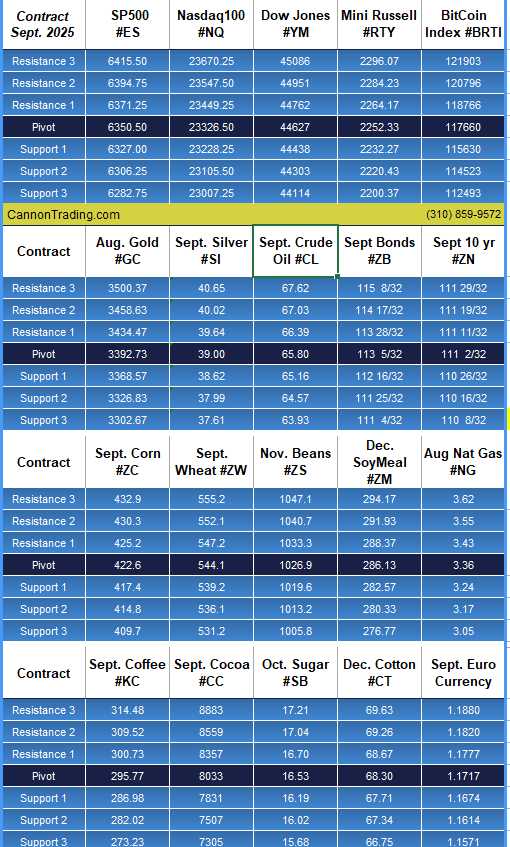
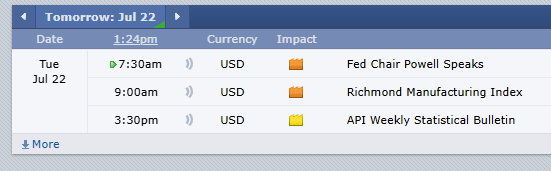
Summer Trading, E-Mini S&P 500, December Meal V. Corn Spread, Levels, Reports; Your 5 Important Need-To-Knows for Trading Futures on July 22nd, 2025
Summer Trading
By Ilan Levy-Mayer, VP

|
||||||||||||||||||||||||||||||||||||||||||||||||||||||||||||||
|
||||||||||||||||||||||||||||||||||||||||||||||||||||||||||||||
|
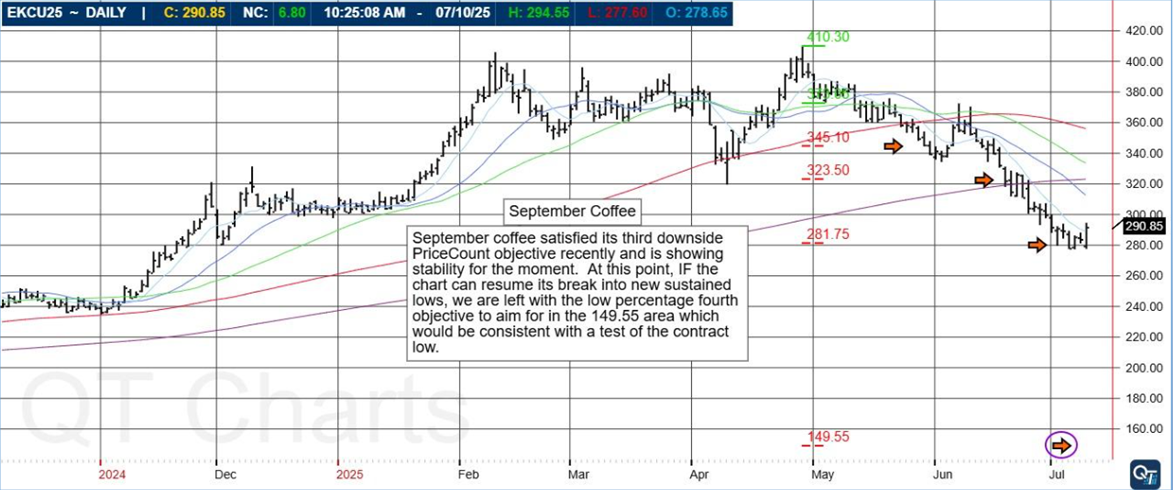
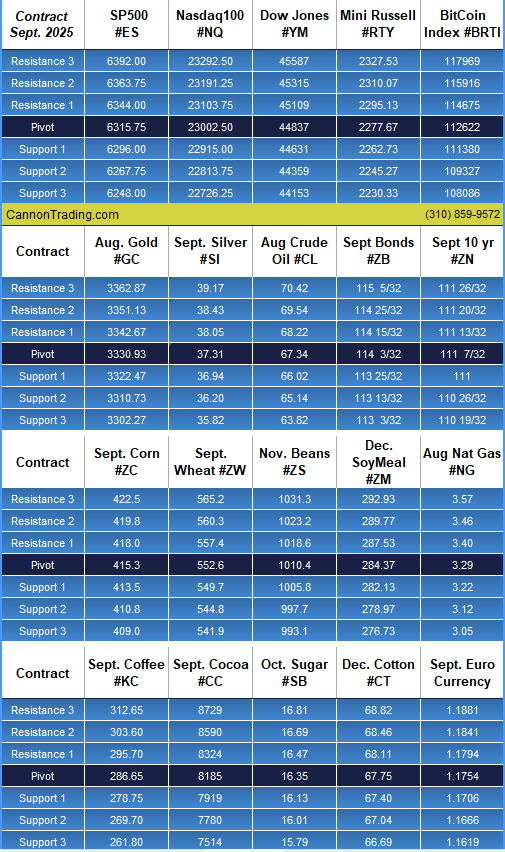
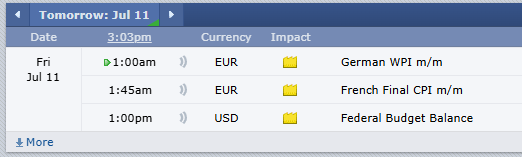
Stock Index Futures, September Coffee, Levels & Reports; Your 3 Important Need-To-Knows for Trading Futures on July 11th, 2025
There is life after Mini SP 500…
By Ilan Levy-Mayer, VP
|
||||||||||||||||||||||||||||||||||||||||||||||||||||||||||||||
|
||||||||||||||||||||||||||||||||||||||||||||||||||||||||||||||
|

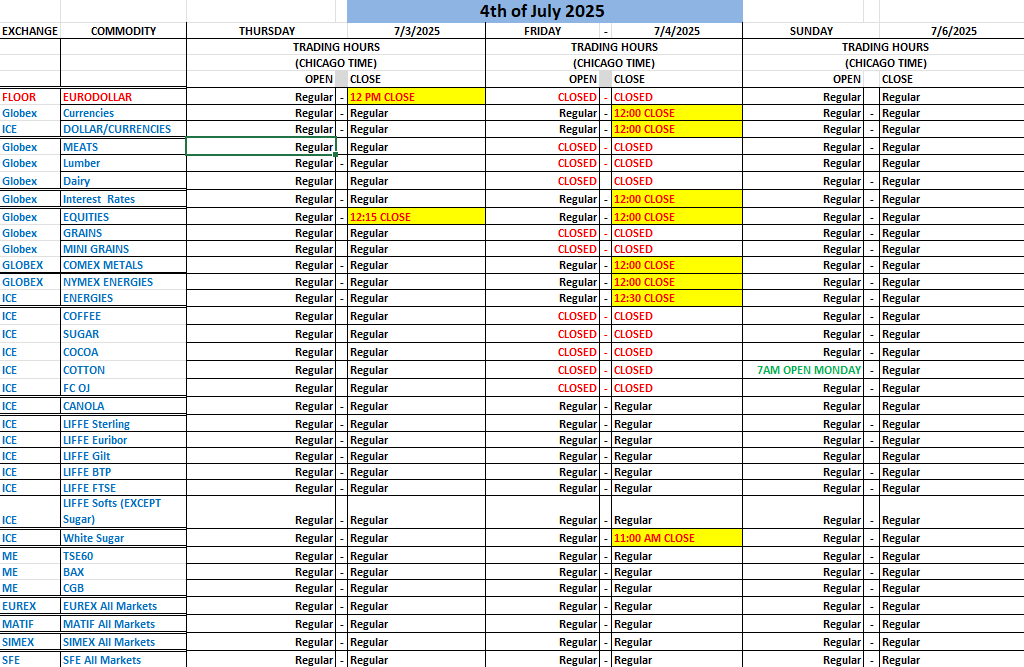
4th of July Trading Hours, September Mini SP 500; Your 2 Important Need-To-Knows for Trading Futures July 4th – 7th 2025
|
|

|
|||||||||||||||||||||||||||||||||||||||||||||||||||||||||||||||||
|
|||||||||||||||||||||||||||||||||||||||||||||||||||||||||||||||||
|
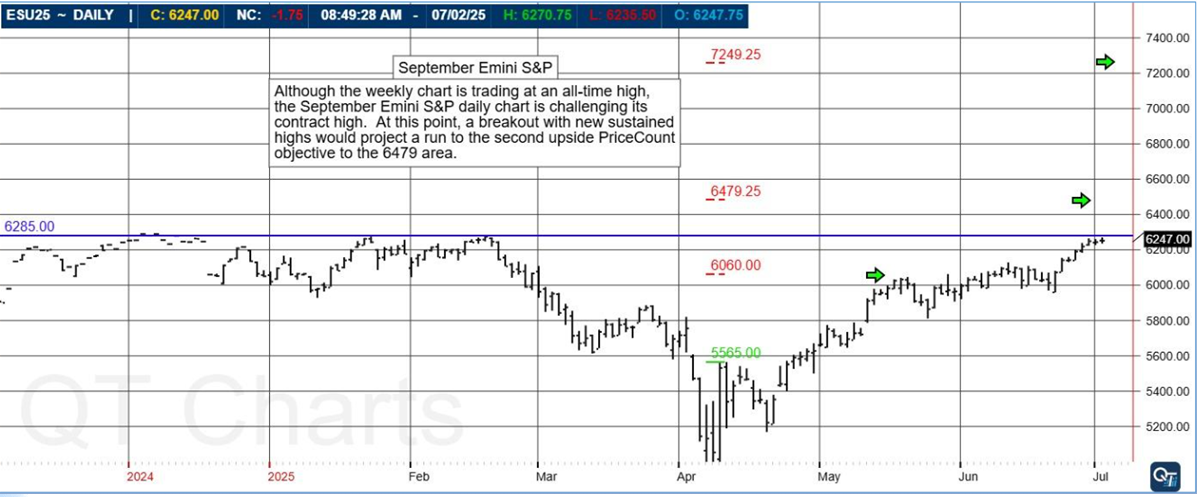
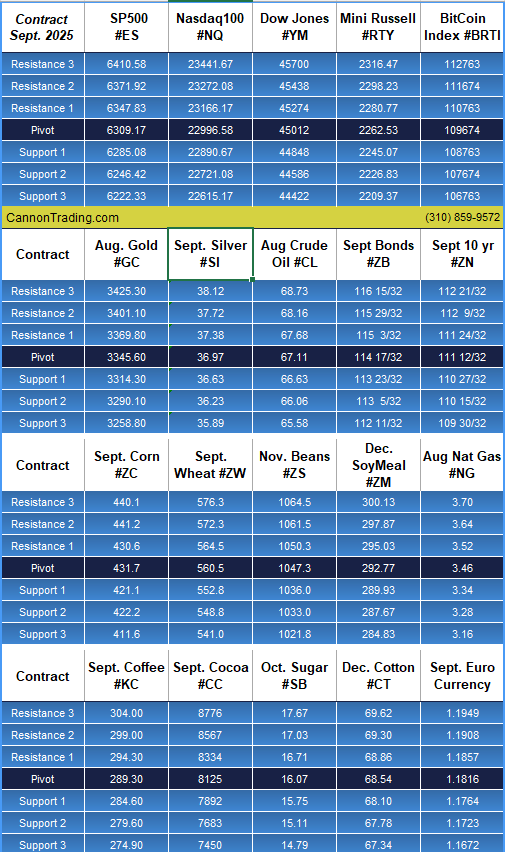
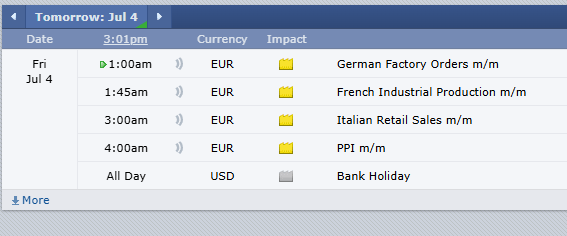
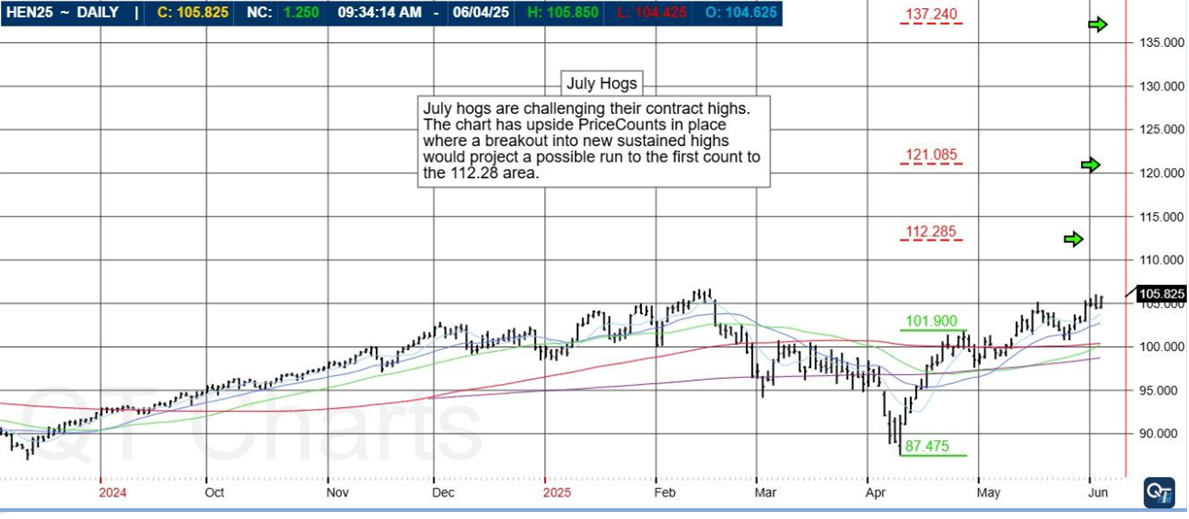
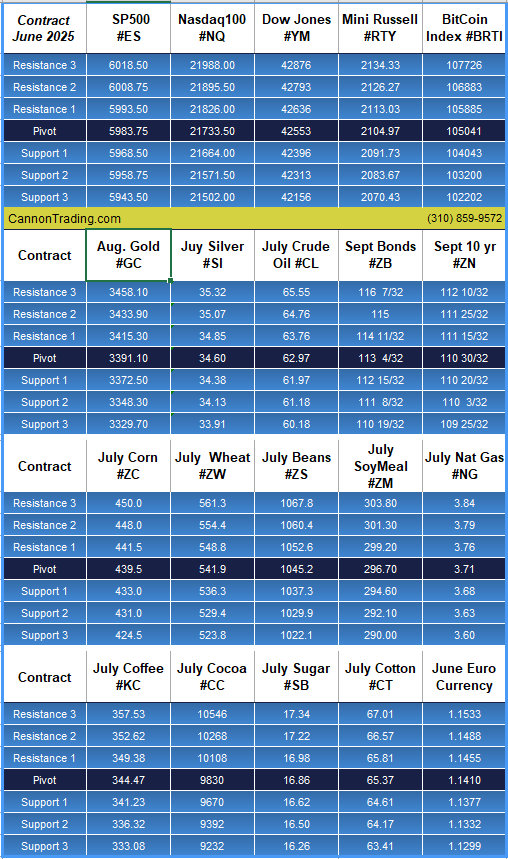
E-Mini: Dow, Nasdaq, S&P 500; Jobs Report, July Hogs: Your 5 Important Need-To-Knows for Trading Futures on June 5th, 2025
What to Know Before Trading Futures on June 5th
|
|||||||||||||||||||||||||||||||||||||||||||||||||||||||||||
|
|||||||||||||||||||||||||||||||||||||||||||||||||||||||||||
|

Zero-Day Options: 6 Strong Advantages Over Traditional Day Trading
0DTE Options
By Mark O’Brien, Senior Broker
Options
Zero-day options are normal options — puts and calls — that expire in less than one day, hence the “0DTE” nickname (short for “zero days to expiration”).
In the current high-volatility environment we’re experiencing – one very likely to last awhile – one of the better alternatives to day trading, particularly in stock index futures like the E-mini S&P 500, E-mini Nasdaq, etc., is buying short-term call and put options.
With expirations every day of the week, stock index futures options can be purchased with minimal overall time value and give you a maximum risk coupled with a limitless upside potential.
Especially with markets seemingly hair-triggered to make large daily moves, but with erratic action intraday, the purchase of a limited-risk option provides staying power that no amount of rapid in-and-out trading trying to catch a large move can outperform.
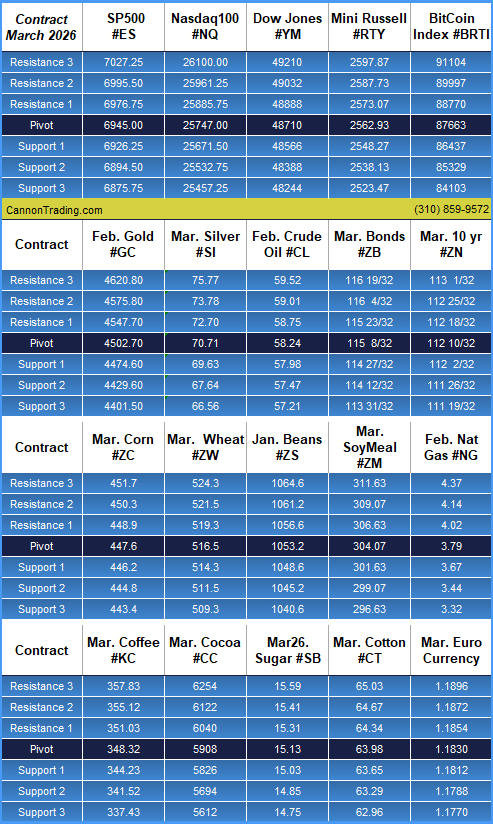
Daily Levels for April 11th, 2025
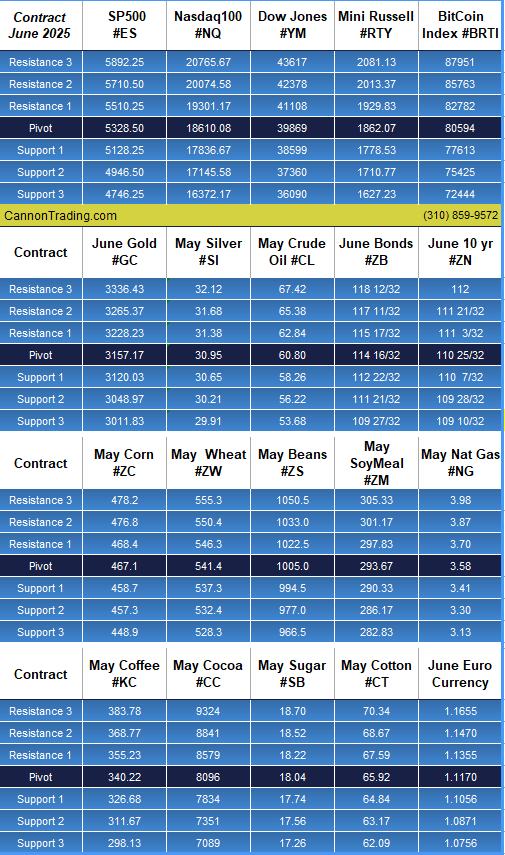
Want to feature our updated trading levels on your website? Simply paste a small code, and they’ll update automatically every day!
Click here for quick and easy instructions.
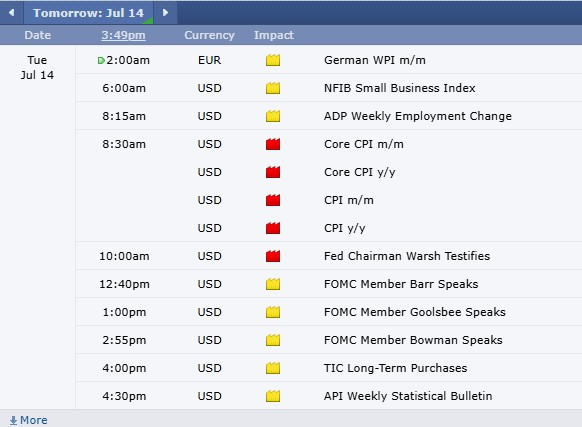
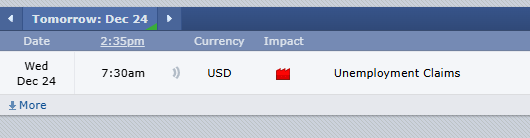
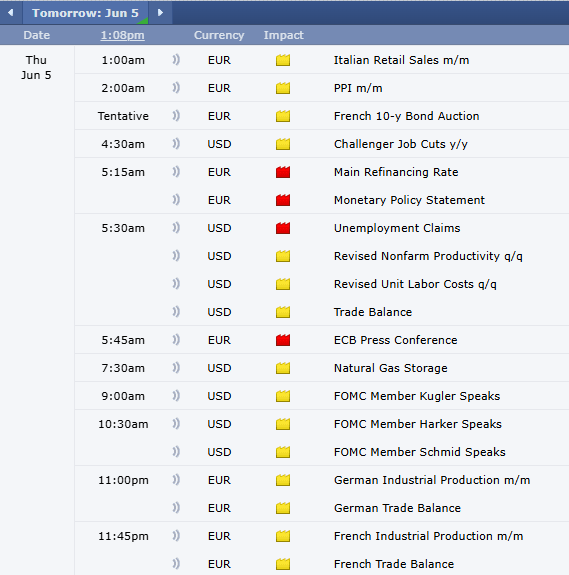
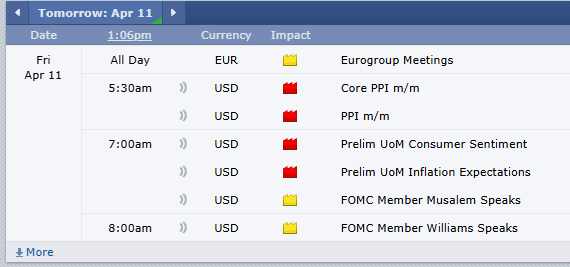
Economic Reports
provided by: ForexFactory.com
All times are Eastern Time (New York)
|
||||||||||||||||||||||||||||
|
||||||||||||||||||||||||||||
|

- July 2026
- June 2026
- May 2026
- April 2026
- March 2026
- February 2026
- January 2026
- December 2025
- November 2025
- October 2025
- September 2025
- August 2025
- July 2025
- June 2025
- May 2025
- April 2025
- March 2025
- February 2025
- January 2025
- December 2024
- November 2024
- October 2024
- September 2024
- August 2024
- July 2024
- June 2024
- May 2024
- April 2024
- March 2024
- February 2024
- January 2024
- December 2023
- November 2023
- October 2023
- September 2023
- August 2023
- July 2023
- June 2023
- May 2023
- April 2023
- March 2023
- February 2023
- January 2023
- December 2022
- November 2022
- October 2022
- September 2022
- August 2022
- July 2022
- June 2022
- May 2022
- April 2022
- March 2022
- February 2022
- January 2022
- December 2021
- November 2021
- October 2021
- September 2021
- August 2021
- July 2021
- June 2021
- May 2021
- April 2021
- March 2021
- February 2021
- January 2021
- December 2020
- November 2020
- October 2020
- September 2020
- August 2020
- July 2020
- June 2020
- May 2020
- April 2020
- March 2020
- February 2020
- January 2020
- December 2019
- November 2019
- October 2019
- September 2019
- August 2019
- July 2019
- June 2019
- May 2019
- April 2019
- March 2019
- February 2019
- January 2019
- December 2018
- November 2018
- October 2018
- September 2018
- August 2018
- July 2018
- June 2018
- May 2018
- April 2018
- March 2018
- February 2018
- January 2018
- December 2017
- November 2017
- October 2017
- September 2017
- August 2017
- July 2017
- June 2017
- May 2017
- April 2017
- March 2017
- February 2017
- January 2017
- December 2016
- November 2016
- October 2016
- September 2016
- August 2016
- July 2016
- June 2016
- May 2016
- April 2016
- March 2016
- February 2016
- January 2016
- December 2015
- November 2015
- October 2015
- September 2015
- August 2015
- July 2015
- June 2015
- May 2015
- April 2015
- March 2015
- February 2015
- January 2015
- December 2014
- November 2014
- October 2014
- September 2014
- August 2014
- July 2014
- June 2014
- May 2014
- April 2014
- March 2014
- February 2014
- January 2014
- December 2013
- November 2013
- October 2013
- September 2013
- August 2013
- July 2013
- June 2013
- May 2013
- April 2013
- March 2013
- February 2013
- January 2013
- December 2012
- November 2012
- October 2012
- September 2012
- August 2012
- July 2012
- June 2012
- May 2012
- April 2012
- March 2012
- February 2012
- January 2012
- December 2011
- November 2011
- October 2011
- September 2011
- August 2011
- July 2011
- June 2011
- May 2011
- April 2011
- March 2011
- February 2011
- January 2011
- December 2010
- November 2010
- October 2010
- September 2010
- August 2010
- July 2010
- June 2010