crude oil futures Contracts

Crude Oil Futures Contracts

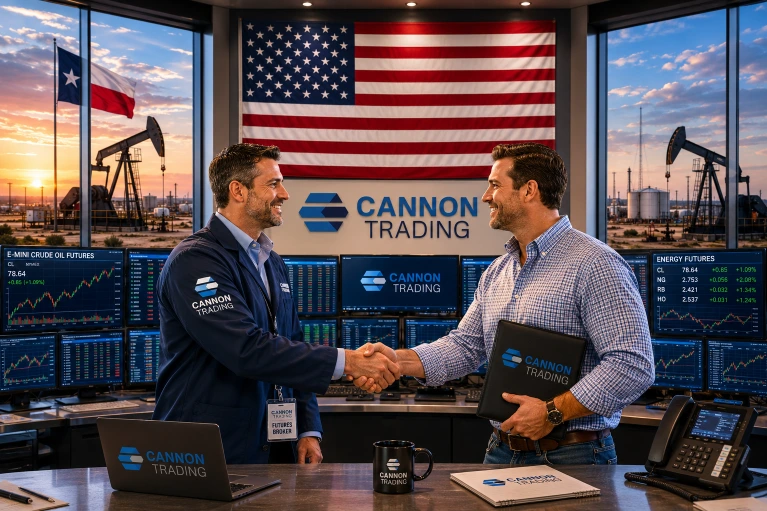
Crude oil remains one of the most actively traded commodities in the world. Traders, institutions, airlines, refiners, hedge funds, and governments all watch energy markets closely because oil affects inflation, transportation, manufacturing, and consumer spending.
In 2025, crude oil futures contracts continue attracting global attention. While geopolitical tensions involving Iran and the United States remain influential, many additional forces are shaping price direction across North America and worldwide.
Understanding those forces can help traders make more informed decisions while managing volatility effectively.
Global Supply Decisions Continue to Shape Energy Markets
OPEC and OPEC+ production policies remain among the largest pricing drivers in energy trading.
When Saudi Arabia, Russia, and other major producers reduce output, global supply tightens quickly. Reduced inventories usually support higher oil prices. Conversely, increased production can pressure markets lower.
Several major factors currently influence supply:
- OPEC+ quota reductions
- North American shale production
- Refinery maintenance schedules
- Export restrictions from producing nations
- Weather disruptions in the Gulf of Mexico
U.S. shale output has become especially important. American production growth during the last decade transformed global energy pricing dynamics.
Texas and North Dakota production increases have occasionally offset international supply disruptions. However, drilling costs, labor shortages, and financing constraints can slow expansion.
This creates uncertainty for traders involved with crude oil futures contracts.
Interest Rates and Inflation Are Influencing Oil Demand
Central bank policy has become another critical factor.
Higher interest rates often slow economic growth. When manufacturing activity weakens, energy demand typically declines. Lower demand can pressure oil prices downward.
Inflation also impacts transportation and industrial consumption.
Businesses facing elevated borrowing costs may reduce expansion plans. Consumers may drive less or delay travel spending.
Key inflation-sensitive sectors include:
- Airlines
- Trucking companies
- Manufacturing plants
- Construction firms
- Agricultural transportation
The Federal Reserve’s decisions therefore affect oil traders almost daily.
When markets anticipate lower rates, crude oil prices frequently rise because traders expect stronger future economic activity.
Currency Strength Is Affecting Commodity Prices
Oil trades globally in U.S. dollars.
A stronger dollar makes crude more expensive for foreign buyers. This can reduce international demand temporarily.
A weaker dollar often supports commodity prices because buyers using foreign currencies gain purchasing power.
Currency volatility has therefore become closely connected with crude oil futures contracts trading activity.
Emerging markets are especially sensitive to dollar movements because many developing economies rely heavily on imported energy.
Renewable Energy Growth Is Creating Long-Term Market Pressure
Renewable energy adoption continues expanding globally.
Electric vehicles, solar infrastructure, battery technology, and government clean-energy initiatives are influencing long-term oil demand expectations.
However, the transition remains gradual.
Commercial aviation, freight transportation, petrochemical manufacturing, and industrial shipping still depend heavily on petroleum products.
Several trends currently coexist:
- Rising EV adoption
- Continued airline fuel demand
- Petrochemical growth in Asia
- Expanding renewable infrastructure
- Strong diesel demand from logistics networks
This creates competing forces within energy markets.
Short-term oil demand remains substantial even as long-term transition narratives grow stronger.
What Were Oil Prices Averaging Before 2025?
North American oil prices experienced major volatility during the four years leading into 2025.
WTI crude prices averaged approximately:
- 2021: near $68 to $70 per barrel
- 2022: near $94 to $95 per barrel
- 2023: near $77 to $78 per barrel
- 2024: near $75 to $76 per barrel
Prices surged sharply in 2022 following global supply disruptions and economic reopening demand.
After peaking during that period, oil prices gradually moderated during 2023 and 2024.
Despite cooling from 2022 highs, average prices remained historically elevated compared to pre-pandemic norms.
This volatility kept crude oil futures contracts highly active among both institutional and retail traders.
Have Gasoline Prices Gone Up or Down?
Gasoline prices followed a similar pattern.
North American gasoline prices rose dramatically in 2022. U.S. consumers frequently paid over $4 per gallon nationally, with some states exceeding $6.
By late 2023 and throughout much of 2024, prices moderated.
However, gasoline costs still remained higher than historical long-term averages due to:
- Refining constraints
- Transportation costs
- Seasonal demand increases
- Environmental fuel regulations
- Supply chain disruptions
Consumers noticed that even when crude prices declined modestly, retail gasoline prices did not always fall equally fast.
This disconnect often frustrates drivers but reflects refining margins, distribution expenses, and taxes.
For traders, these pricing relationships create additional opportunities within energy markets.
Transportation Demand Continues Supporting Energy Consumption
Global transportation activity remains strong despite economic uncertainty.
Commercial trucking, aviation growth, cruise travel, and freight logistics continue supporting petroleum demand worldwide.
Several industries remain highly dependent on oil:
- Airlines
- Shipping companies
- Freight rail systems
- Delivery logistics firms
- Agricultural operations
Even with increased electric vehicle adoption, global oil demand has remained resilient.
Population growth and industrialization in developing nations continue contributing to energy consumption increases.
This ongoing demand keeps crude oil futures contracts central to global commodity trading activity.
How Can Your Futures Broker Improve Trading Performance?
Broker selection matters significantly in volatile commodity markets.
A strong futures broker provides far more than simple order execution.
Professional brokers help traders manage risk, access technology, analyze markets, and improve execution efficiency.
Important broker advantages include:
- Advanced trading platforms
- Fast order routing
- Risk management tools
- Educational resources
- Customer support accessibility
Execution quality becomes especially important during fast-moving energy markets.
Crude oil can move several dollars per barrel within hours following inventory reports, geopolitical developments, or economic data releases.
Reliable trade execution can therefore make a meaningful difference in trading outcomes.
Risk Management Is Essential for Energy Traders
Energy markets can experience extreme volatility.
Professional brokers help traders control exposure through tools such as:
- Bracket orders
- Stop-loss functionality
- Margin monitoring
- Real-time account reporting
- Position-sizing assistance
Many inexperienced traders underestimate oil volatility.
A sudden inventory surprise or unexpected geopolitical headline can move markets aggressively within minutes.
Risk controls help traders remain disciplined during unpredictable conditions.
This becomes especially important for traders involved with crude oil futures contracts during major economic announcements.
Technology and Market Access Matter More Than Ever
Modern futures trading increasingly depends on platform quality.
Professional traders often require:
- Real-time market depth
- Fast charting software
- Mobile access
- Automated strategy capability
- Reliable connectivity
Cannon Trading Company has remained competitive for decades partly because of its emphasis on technology access and personalized support.
The company offers multiple professional-grade trading platforms designed for active futures traders.
This flexibility allows traders to choose systems matching their experience level and strategy preferences.
Why Cannon Trading Company Remains a Leading Choice
Cannon Trading Company has built a long-standing reputation within the futures industry.
Many traders choose the firm because of its combination of experience, customer service, technology access, and competitive pricing.
Several strengths distinguish the brokerage globally:
- Decades of futures industry experience
- Multiple professional trading platforms
- Personalized broker support
- Competitive commission structures
- Strong educational resources
The company has served traders through multiple market cycles, including financial crises, commodity booms, inflationary periods, and rapid technological evolution.
That operational history matters in highly volatile markets.
E-Mini Traders Continue Seeking Professional Brokerage Support
E-mini futures traders often require rapid execution and dependable systems.
Volatility in indexes, commodities, and energy products can create substantial opportunity but also elevated risk.
Cannon Trading Company continues attracting global e-mini futures traders because the firm supports active trading styles while maintaining responsive customer service.
Many traders appreciate direct broker accessibility during fast-moving sessions.
This level of service can become especially valuable during periods of extreme volatility in crude oil futures contracts and broader commodity markets.
Education Still Separates Consistent Traders From Emotional Traders
Long-term trading success usually depends on discipline and preparation.
Strong brokerages help traders improve through:
- Webinars
- Platform training
- Market commentary
- Risk management education
- Trading support
Many new traders focus only on market direction.
Professional traders focus equally on capital preservation.
Educational support helps traders understand volatility, leverage, margin requirements, and disciplined execution.
This becomes increasingly important in leveraged products such as crude oil futures contracts.
FAQ Section
What are crude oil futures contracts?
Crude oil futures contracts are standardized agreements to buy or sell oil at a predetermined price and date through regulated futures exchanges.
Why are oil prices so volatile?
Oil prices react quickly to supply disruptions, geopolitical tensions, interest rates, refinery outages, economic growth expectations, and currency fluctuations.
Did oil prices rise before 2025?
Yes. Oil prices surged significantly during 2022 before moderating somewhat during 2023 and 2024.
Why do gasoline prices sometimes stay high even when oil falls?
Retail gasoline prices also include refining costs, transportation expenses, taxes, and distribution margins.
Why is broker selection important for futures trading?
A quality broker provides better execution, technology, education, and risk management tools that can improve trading efficiency.
Why do traders choose Cannon Trading Company?
Many traders value Cannon Trading Company for its decades of industry experience, platform variety, customer support, and strong reputation within the futures trading industry.
Are energy futures suitable for beginners?
Energy futures can be highly volatile. Beginners should use proper risk management, education, and disciplined position sizing before trading aggressively.
Ready to start trading futures? Call us at 1(800)454-9572 (US) or (310)859-9572 (International), or email info@cannontrading.com to speak with one of our experienced, Series-3 licensed futures brokers and begin your futures trading journey with Cannon Trading Company today.
Disclaimer: Trading Futures, Options on Futures, and retail off-exchange foreign currency transactions involve substantial risk of loss and are not suitable for all investors. Past performance is not indicative of future results. Carefully consider if trading is suitable for you in light of your circumstances, knowledge, and financial resources. You may lose all or more of your initial investment. Opinions, market data, and recommendations are subject to change at any time.
Important: Trading commodity futures and options involves a substantial risk of loss. The recommendations contained in this article are opinions only and do not guarantee any profits. This article is for educational purposes. Past performances are not necessarily indicative of future results.
This article has been generated with the help of AI Technology and modified for accuracy and compliance.
Follow us on all socials: @cannontrading