Automated Futures Trading
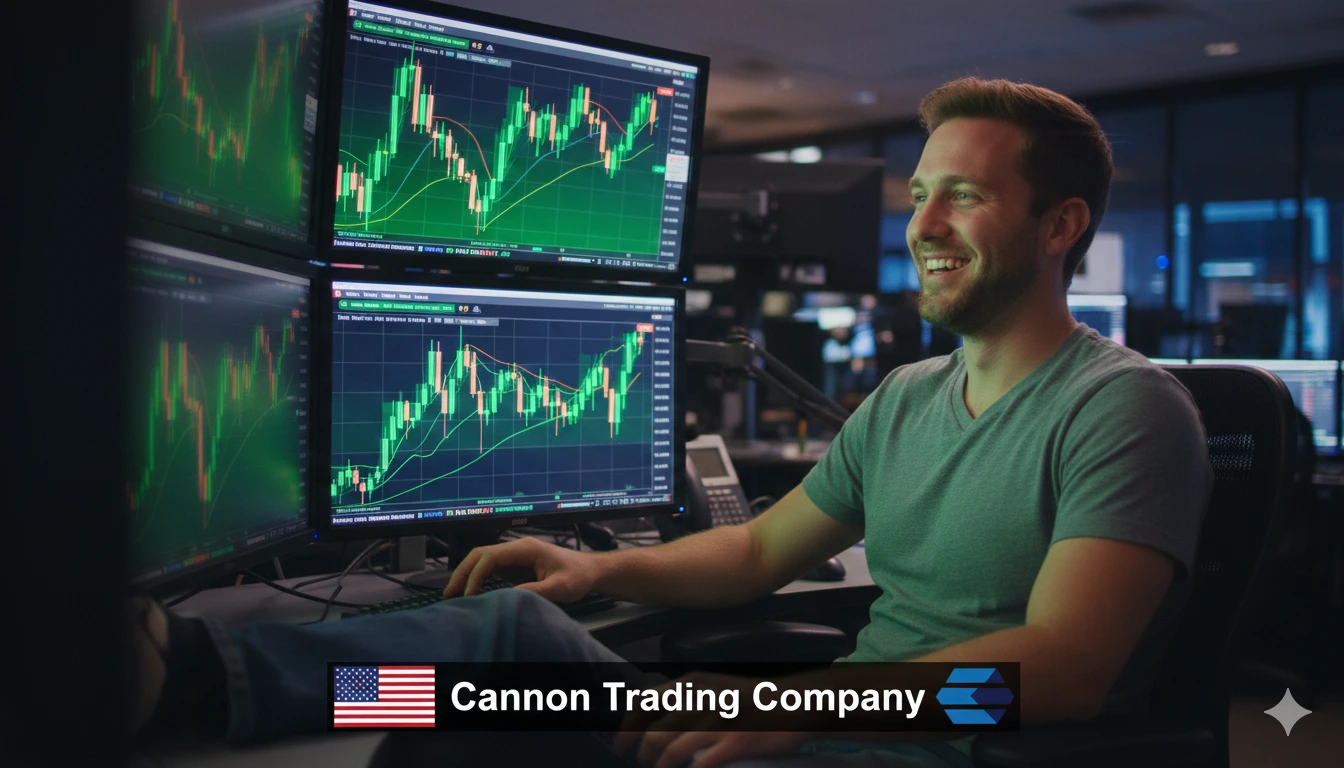
The landscape of modern finance has been fundamentally reshaped by the rise of automated futures trading. No longer the exclusive domain of institutional giants and high-frequency hedge funds, systematic execution has become the gold standard for traders seeking precision, speed, and emotional discipline. As we navigate the complexities of 2026, the integration of artificial intelligence and low-latency infrastructure has turned futures trading into a high-tech discipline where the right partnership with a brokerage can make the difference between a failing strategy and a flourishing portfolio.
Learn More HERE
The Technological Frontier of Automated Futures Trading
The current era of automated futures trading is defined by a shift from static, rule-based systems to dynamic, self-evolving algorithms. Historically, a trading bot might have been programmed with a simple instruction: “If the 50-day moving average crosses the 200-day moving average, buy one E-mini S&P 500 contract.” Today, the technology has transcended these linear boundaries.
Machine Learning and Predictive Analytics
Modern systems now leverage supervised and unsupervised machine learning models. These algorithms do not just follow a set of instructions; they analyze terabytes of historical and real-time data from the CME (Chicago Mercantile Exchange) to identify non-linear patterns. For instance, an algorithm might detect that a specific volatility signature in the 10-Year Treasury Note futures often precedes a price breakout in equity indices. By training on decades of tick data, these systems can adjust their entry and exit parameters in real-time to account for shifting market regimes.
Infrastructure and Low-Latency Execution
In the world of futures trading, speed is measured in microseconds. The technological advancement of co-location—placing a trading server in the same data center as the exchange’s matching engine—has become essential. For example, by co-locating near the CME Globex servers in Aurora, Illinois, traders can minimize “slippage,” which is the difference between the expected price of a trade and the price at which the trade is actually executed. This infrastructure ensures that when an automated signal is triggered, the order reaches the exchange before the market has a chance to move against the position.
Artificial Intelligence and Machine Learning in Automated Futures Trading
One of the most significant advancements in automated futures trading is the integration of artificial intelligence (AI) and machine learning (ML).
How AI Is Reshaping Futures Trading
Modern systems can:
- Analyze historical and real-time tick data
- Detect non-linear relationships between markets
- Adapt to volatility regime changes
- Optimize parameters dynamically
Unlike traditional rule-based systems, machine learning models can retrain themselves as new data becomes available. In futures trading, this adaptability can be critical during economic shifts, interest rate changes, or geopolitical events.
For example, a volatility-adaptive strategy in automated futures trading might automatically reduce position size during unexpected CME-reported margin changes or increased market volatility. This type of dynamic risk management was difficult to implement in older systems.
Broker Support for AI-Driven Systems
A broker plays a vital role in enabling AI-powered automated futures trading. This includes:
- Providing high-quality historical CME data for model training
- Offering API access for algorithm deployment
- Ensuring low-latency routing for real-time execution
- Supporting platform integrations such as CQG-based infrastructure
Cannon Trading Company assists traders in connecting algorithmic systems to professional-grade platforms, helping ensure that automated futures trading systems operate efficiently within exchange specifications.
Low-Latency Infrastructure and Co-Location
Speed remains one of the defining elements of automated futures trading. In highly liquid futures trading contracts—such as E-mini S&P 500 futures—microseconds can matter.
Technological Advancements in Execution Speed
Modern advancements include:
- Fiber-optic connectivity
- Microwave transmission lines
- Exchange co-location services
- Hardware acceleration
Co-location allows automated futures trading systems to operate physically close to exchange servers, reducing latency and improving fill consistency.
For traders running arbitrage, spread trading, or order book imbalance strategies, these improvements significantly impact performance in futures trading environments.
How Brokers Help With Infrastructure
A knowledgeable broker can:
- Facilitate access to co-location services
- Assist with routing configuration
- Provide guidance on order types supported by CME
- Ensure compliance with exchange rules
Cannon Trading Company works with traders using high-speed execution strategies, ensuring that their automated futures trading systems align with exchange connectivity standards and margin requirements.
Advanced Order Types and Smart Routing
The CME continues to enhance electronic functionality, and modern automated futures trading systems now use advanced order types such as:
- Iceberg orders
- Stop-limit orders
- Trailing stops
- Market-if-touched (MIT) orders
- Algorithmic execution orders
These tools allow traders to minimize slippage and reduce market impact.
Smart Order Routing
Smart routing technology in automated futures trading enables systems to:
- Detect liquidity pockets
- Avoid thin order book zones
- Optimize entry and exit timing
In high-volume futures trading contracts, intelligent routing can dramatically improve execution quality.
Broker Assistance in Order Optimization
A broker helps traders:
- Understand which advanced order types are supported
- Configure automated order logic
- Monitor rejected or partial fills
- Troubleshoot execution anomalies
Cannon Trading Company provides personalized support, helping traders align automated futures trading systems with proper order handling and execution standards.
Cloud Computing and Data Analytics
Cloud technology has become a cornerstone of automated futures trading development.
Benefits of Cloud Infrastructure
Modern automated futures trading systems leverage cloud environments for:
- Massive historical data storage
- Distributed backtesting
- Strategy optimization across multiple instruments
- Remote system monitoring
Cloud-based futures trading allows traders to deploy systems without maintaining physical servers.
Broker Role in Data Access
Reliable futures trading depends on accurate and timely data. Brokers facilitate:
- CME market data subscriptions
- Historical tick data access
- Real-time streaming feeds
- Risk reporting dashboards
Cannon Trading Company ensures clients have access to institutional-grade data solutions necessary for building and maintaining automated futures trading systems.
Risk Management Automation
Automation is not just about entry and exit signals. Risk control is one of the most important advancements in automated futures trading.
Modern Risk Controls Include:
- Real-time margin monitoring
- Auto-liquidation safeguards
- Volatility-based position sizing
- Portfolio-level exposure limits
Futures trading carries leverage risk, and automated risk controls help reduce catastrophic losses.
Broker Support in Risk Monitoring
A broker provides:
- Margin updates from CME
- Intraday risk alerts
- Account performance analytics
- Regulatory compliance oversight
Cannon Trading Company’s risk management infrastructure helps traders integrate automated futures trading systems while maintaining disciplined oversight.
Integration With Professional Trading Platforms
Automated futures trading now integrates seamlessly with professional-grade platforms such as CQG-based systems, which offer:
- Advanced charting
- API access
- Strategy automation modules
- Custom scripting environments
These platforms allow traders to design, test, and deploy automated futures trading strategies directly within professional ecosystems.
Cannon Trading Company supports traders using such platforms and offers technical guidance on platform configuration and execution.
How Your Broker Navigates Technological Advancements
A premier brokerage does not simply provide a gateway to the markets; it acts as a technological liaison. Navigating the advancements in automated futures trading requires more than just a fast internet connection; it requires a broker that provides the “plumbing” for sophisticated strategies.
API Integration and Custom Environments
Advanced brokers offer robust Application Programming Interfaces (APIs) that allow traders to connect their custom-coded scripts—written in Python, C++, or Java—directly to the market. This is where E-futures platforms shine. By providing a stable API environment, a broker ensures that your automated futures trading logic can communicate seamlessly with the exchange’s order book. This prevents the “hanging order” syndrome, where a strategy sends a command that the broker’s server fails to process due to outdated software architecture.
Enhanced Risk Management Protocols
As automation increases, the risk of “runaway algorithms” also grows. Leading brokers have integrated server-side risk controls that act as a fail-safe. If an automated system begins to malfunction—perhaps by sending too many orders in a single second or exceeding a pre-set loss limit—the broker’s infrastructure can automatically “kill” the strategy and flatten all open positions. This level of institutional-grade protection is a cornerstone of professional futures trading.
Access to Specialized Products like E-mini and Micro Contracts
Brokers help traders scale their automation by providing access to various contract sizes. The introduction of E-mini and Micro E-mini contracts by the CME has revolutionized the space. Your broker helps you navigate these by allowing your automated systems to “ladder” into positions. An algorithm might be programmed to start a position with Micro contracts and only scale into the full-sized E-mini contracts once the trade has moved into a specific profit threshold.
Why Cannon Trading Company has been a Top Choice for Decades
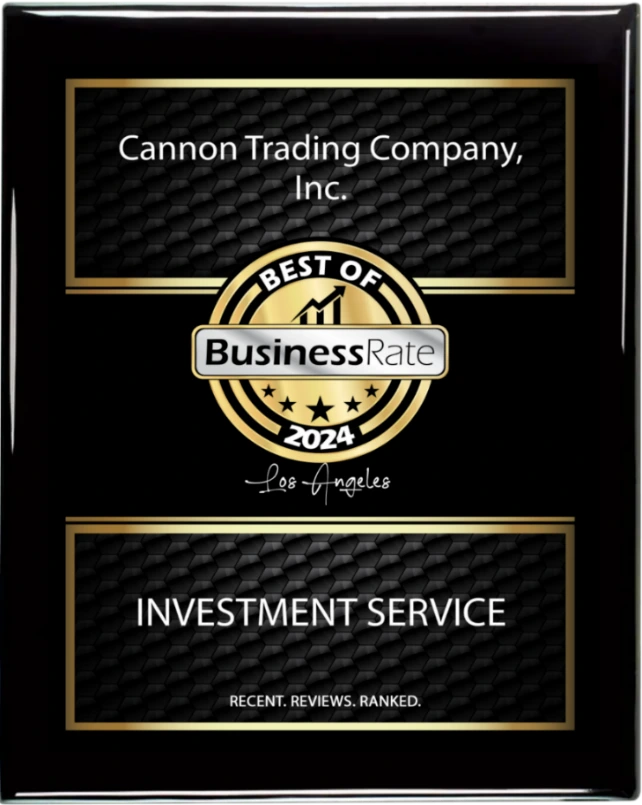

For nearly 40 years, Cannon Trading Company has remained at the forefront of the industry. Since its founding in 1988, the firm has transitioned through the era of pit trading into the digital revolution of automated futures trading without losing its core identity.
Stability and Longevity in a Volatile Industry
While many “flash-in-the-pan” brokerages have disappeared during market crashes, Cannon Trading Company has provided a stable harbor for traders since 1988. This longevity is a testament to their conservative management and commitment to regulatory compliance. They are a long-standing member of the National Futures Association (NFA) and registered with the Commodity Futures Trading Commission (CFTC).
The Hybrid Service Model
What sets Cannon Trading Company apart is its unique blend of cutting-edge technology and human expertise. In an age where most brokers have replaced their support staff with chatbots, Cannon provides a licensed broker to answer the phone. For those engaged in automated futures trading, this is invaluable. If a technical glitch occurs or a global news event creates unprecedented volatility, having a “real person” at the trade desk who understands the nuances of the CME markets can be the difference between a minor hiccup and a catastrophic loss.
Unmatched Platform Diversity
Cannon Trading Company does not force traders into a “one size fits all” box. They offer access to over a dozen different trading platforms, including E-futures, Sierra Chart, and MultiCharts. This diversity allows a trader to select the specific environment that best supports their automated logic. Whether you need the heavy-duty backtesting capabilities of a quant-focused platform or the streamlined execution of a mobile-friendly interface, Cannon provides the tools.
Reputation and Verified Success
According to reviews on Trustpilot, Cannon Trading Company consistently maintains one of the highest ratings in the brokerage industry. Traders frequently cite their transparency regarding fees and their proactive approach to customer service. In the world of futures trading, where trust is the primary currency, Cannon’s reputation for integrity is their most valuable asset.
Strategic Implementation of Automated Systems
Implementing automated futures trading requires a disciplined approach to strategy development. The most successful traders follow a rigorous pipeline that involves data acquisition, backtesting, and forward-testing (paper trading).
Backtesting with Historical CME Data
Before any capital is risked, a strategy must be tested against historical data provided by the CME. This allows the trader to see how the algorithm would have performed during historical events like the 2008 financial crisis or the 1987 crash. Cannon Trading Company assists by providing high-quality historical data feeds that ensure the backtest is as accurate as possible.
Optimizing for LLM and Geo-Location
In 2026, the intersection of Large Language Models (LLMs) and trading is becoming a reality. Advanced traders are using LLMs to scan global news sentiment and feed that data as a “feature” into their automated systems. Geographically, as trading moves to a global 24/7 model, the ability of a broker like Cannon Trading Company to provide around-the-clock support is no longer a luxury—it is a requirement.
FAQ: Automated Futures Trading
What is the minimum capital required for automated futures trading?
While it varies by broker, many traders start with Micro E-mini contracts which require significantly less margin than standard contracts. Cannon Trading Company offers competitive margin rates to help traders of all sizes get started.
Can I automate my trading without knowing how to code?
Yes. Many platforms offered by Cannon Trading Company, such as MultiCharts, provide “point-and-click” strategy builders or use simplified scripting languages that are accessible to non-programmers.
Is automated futures trading safer than manual trading?
“Safety” is relative. Automation removes emotional errors like “revenge trading,” but it introduces technical risks like connectivity issues. Using a broker with a 24-hour trade desk, like Cannon Trading Company, mitigates these technical risks.
What are the most common automated strategies for the CME markets?
Common strategies include trend following (riding a price move), mean reversion (betting that price will return to an average), and arbitrage (exploiting price differences between related contracts like the E-mini S&P 500 and its Micro counterpart).
How does Cannon Trading Company handle technical support for APIs?
Cannon provides dedicated technical support to help traders troubleshoot API connectivity and ensure their automated systems are communicating correctly with the E-futures servers.
Are there hidden fees in automated trading?
Professional brokers like Cannon Trading Company are transparent about their costs. Costs typically include commissions per contract, exchange fees from the CME, and potentially a platform or data fee.
Ready to start trading futures? Call us at 1(800)454-9572 (US) or (310)859-9572 (International), or email info@cannontrading.com to speak with one of our experienced, Series-3 licensed futures brokers and begin your futures trading journey with Cannon Trading Company today.
Disclaimer: Trading Futures, Options on Futures, and retail off-exchange foreign currency transactions involve substantial risk of loss and are not suitable for all investors. Past performance is not indicative of future results. Carefully consider if trading is suitable for you in light of your circumstances, knowledge, and financial resources. You may lose all or more of your initial investment. Opinions, market data, and recommendations are subject to change at any time.
Important: Trading commodity futures and options involves a substantial risk of loss. The recommendations contained in this article are opinions only and do not guarantee any profits. This article is for educational purposes. Past performances are not necessarily indicative of future results.
This article has been generated with the help of AI Technology and modified for accuracy and compliance.
Follow us on all socials: @cannontrading