Best Futures Broker

best futures broker

Best Futures Broker

best futures broker

best futures broker


In the high-stakes arena of derivatives trading, the gap between profitability and substantial loss is often measured in milliseconds and micro-decisions. Yet, before a single contract is bought or sold, a trader makes perhaps their most critical financial decision: selecting the best futures broker to serve as their gateway to the global markets. This choice is not merely logistical; it is strategic. The right brokerage acts as a conduit for liquidity, a shield for capital safety, and a partner in executing complex strategies.

While the modern landscape is flooded with discount firms and automated interfaces, discerning traders consistently return to the foundational principles of service, longevity, and integrity. Among the pantheon of firms, Cannon Trading Company stands as a distinct and enduring example of what a best futures brokerage should be. Established in 1988, Cannon has navigated the transition from the physical trading pits to the digital age without losing the human element that defines true brokerage service.

The following Q&A essay explores the primary questions traders ask when vetting a potential partner, illustrating why Cannon Trading Company remains a prime example of these principles in practice.

“Is my capital safe, and how do I know this broker will be here tomorrow?”

The Answer: This is the single most important question a trader can ask. In an industry that has seen the collapse of major firms (such as MF Global or PFGBest), the safety of funds is paramount. The best futures broker is one that is fully regulated by the Commodity Futures Trading Commission (CFTC) and is a member of the National Futures Association (NFA). However, regulatory stamps are just the baseline. True security is demonstrated through longevity. A firm that has survived the Dot-com bubble, the 2008 financial crisis, the flash crash, and the volatility of the COVID-19 pandemic has proven its risk management culture.

The Cannon Trading Example: Cannon Trading Company has been in operation since 1988. This is not a trivial statistic; it is a testament to operational resilience. While fly-by-night discount firms often vanish during market downturns, Cannon has maintained its standing for over three decades. They operate as an Independent Introducing Broker (IIB), introducing accounts to some of the largest and most capitalized Futures Commission Merchants (FCMs) in the industry. This structure allows them to offer the personalized service of a boutique firm while their clients’ funds are held in segregated accounts at major clearing houses like StoneX or Wedbush. This dual layer of security—regulatory compliance and stable clearing partnerships—is why many consider them the best futures broker for safety-conscious traders.

“Will I be able to reach a human being when the markets go crazy?”

The Answer: Technology is perfect until it isn’t. When an internet connection fails, a platform freezes, or a limit order is rejected during a high-volatility event (like a Federal Reserve announcement), the ability to pick up the phone and speak to a licensed broker immediately is the difference between a managed exit and a catastrophic account blowout. The best futures brokers do not hide behind chatbots or email ticketing systems with 24-hour response times. They run fully staffed trade desks.

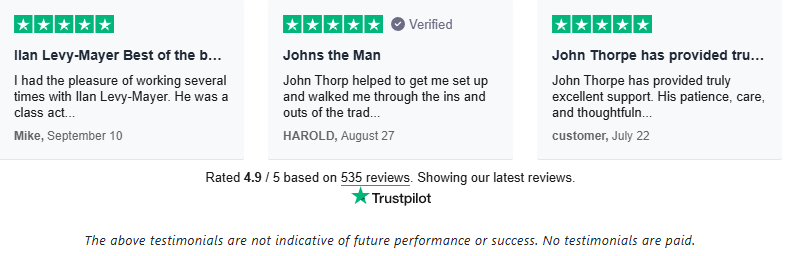
The Cannon Trading Example: This is perhaps Cannon Trading’s most significant competitive advantage. In an era where customer service is increasingly automated, Cannon maintains a “human-first” approach. Their phone lines are answered by licensed Series 3 brokers, not support scripts. Reviews on platforms like Trustpilot frequently cite specific brokers by name—Ilan, John, Kim—praising them for walking clients through platform setups or handling emergency orders. When searching for the best futures brokerage, this level of accessibility is often the deciding factor for professional traders who know that “uptime” refers to support as much as software.

“Are the commissions and fees transparent, or will I be nickel-and-dimed?”

The Answer: The “race to zero” in commissions has created a confusing landscape where a “low commission” often hides high data fees, platform fees, inactivity fees, and poor execution quality. The best futures broker offers what is known as “honest pricing.” They may not always be the absolute cheapest on the surface (though they are often competitive), but they provide value that exceeds the cost. Traders must ask: “What is the ‘all-in’ rate?” which includes exchange fees, NFA fees, and clearing fees. A transparency-focused broker will provide this breakdown upfront.

The Cannon Trading Example: Cannon Trading is known for offering flexible commission structures that can be tailored to the trader’s volume. Whether you are a high-volume scalper or a low-frequency swing trader, they work to find a rate that fits. More importantly, they do not engage in “hidden fee” tactics. Their E-Futures International platform, for instance, offers a robust trading environment without the exorbitant monthly software leases charged by some competitors. By balancing competitive commissions with superior service, they exemplify the value proposition of a best futures broker. They understand that the cheapest broker is expensive if they cost you a trade.

“Does the broker offer the specific trading platform I need for my strategy?”

The Answer: A scalper using order flow and a DOM (Depth of Market) has vastly different needs than a spread trader looking at daily charts or an algorithmic trader running Python scripts. The best futures brokers are platform-agnostic; they do not force you into a proprietary “walled garden.” Instead, they offer a suite of industry-standard platforms (like Sierra Chart, Trading Technologies, CQG, or Rithmic) and ensure seamless connectivity to the exchange.

The Cannon Trading Example: Cannon Trading offers access to a massive array of platforms, ensuring they can accommodate any trading style. Their proprietary-labeled solution, the E-Futures platform, is an excellent all-rounder for discretionary traders, offering charting and DOM trading. However, they also support heavy hitters like Sierra Chart (revered for its customization), MultiCharts, and MarketDelta. For mobile traders, the iBroker app integration allows clients to monitor positions from anywhere. This flexibility distinguishes them as a best futures brokerage, as they adapt to the trader’s tools rather than forcing the trader to adapt to theirs.

“What are the margin requirements, and are they realistic?”

The Answer: Day trading margins are a double-edged sword. While low margins (high leverage) attract many beginners, they also increase the risk of ruin. The best futures broker provides competitive day trading margins to allow for capital efficiency but couples this with responsible risk management advice. They should offer low margins for micro-contracts (e.g., Micro E-mini S&P 500) to allow smaller accounts to participate without being over-leveraged.

The Cannon Trading Example: Cannon Trading strikes a balance that appeals to serious traders. They offer aggressive day trading margins—often as low as $50 for Micro E-mini contracts and $500 for standard E-mini contracts during market hours. This allows for high capital efficiency. However, unlike “churn and burn” shops that encourage reckless leverage, Cannon’s brokers often act as risk managers, helping clients understand the implications of leverage. This responsible approach to margin is a hallmark of the best futures broker; they want you to survive in the long run, not just generate commissions today.

“Do they provide education that is actually useful, or just generic marketing fluff?”

The Answer: The internet is awash with “get rich quick” trading courses. A reputable broker counters this with sober, technical, and practical education. The best futures brokers provide daily market technicals, support and resistance levels, and tutorials on how to actually use the software. They focus on the mechanics of trading—how to place a bracket order, how to roll a contract, how to interpret a clearing statement.

The Cannon Trading Example: Cannon Trading publishes daily support and resistance levels that are widely read in the industry. These are not vague predictions but actionable price levels based on technical analysis. Furthermore, their “learning center” is populated with platform tutorials that save new clients hours of frustration. By focusing on the mechanics of trading and market structure rather than promising guaranteed returns, they uphold the ethical standards expected of a best futures brokerage.

“What is their relationship with the CME Group and other exchanges?”

The Answer: The Chicago Mercantile Exchange (CME Group) is the world’s leading derivatives marketplace. The best futures broker must have a robust, low-latency connection to the CME. Whether it is for trading the E-mini S&P 500, Crude Oil (WTI), or Gold, the broker’s technology infrastructure must ensure that orders are routed to the exchange matching engine instantly.

The Cannon Trading Example: Through their clearing partnerships, Cannon Trading provides direct market access to the CME Group, ICE, Eurex, and CBOE. They ensure that clients are trading on the official exchange data, not a delayed or filtered feed. Their long-standing presence in the industry means they have deep institutional knowledge of how the CME operates, managing everything from expiration protocols to delivery notices for their clients. This connectivity reinforces their status as a best futures broker.

“Can they handle complex account types, such as IRAs, Trusts, or Corporate accounts?”

The Answer: Many discount apps only support individual margin accounts. However, professional trading often involves tax-advantaged structures. The best futures brokers have back-office teams capable of processing the paperwork for Self-Directed IRAs, Corporate Accounts, Trusts, and Foreign accounts. This capability signals a mature brokerage firm.

The Cannon Trading Example: Cannon Trading excels in this administrative complexity. They routinely handle accounts for LLCS, Trusts, and retirement accounts, working with custodians to facilitate futures trading within tax-advantaged vehicles. This level of service is rare among “app-based” brokers and highlights why Cannon is often chosen as the best futures brokerage for sophisticated entities and high-net-worth individuals who require more than just a basic login.

Why Cannon Trading Company Persists as a Leader

best futures broker

best futures broker

The futures industry is notoriously cyclical. Firms rise during volatility and fall during stagnation or due to scandal. Cannon Trading Company’s persistence since 1988 is not an accident; it is a result of adhering to the “old school” values of brokerage while adopting “new school” technology.

They understand that a best futures broker is not defined solely by the lowest commission tick or the flashiest website. It is defined by trust. Trust that the funds are segregated. Trust that the person on the phone knows what a “stop-limit” order is. Trust that the firm acts in the client’s interest.

Traders who leave Cannon often return after realizing that the grass is not greener at “zero-commission” brokerages where service is non-existent. By consistently answering the hard questions with transparency and integrity, Cannon Trading Company continues to set the bar. They do not just facilitate trades; they facilitate careers. For the novice attempting to navigate their first contract, or the institutional hedger managing exposure, Cannon Trading remains a prime example of the best futures brokers available in the market today.

Frequently Asked Questions (FAQ)

Q: What is the minimum deposit to open an account with Cannon Trading? A: Cannon Trading generally requires a minimum deposit of $2,000 to open a standard account, though this can vary depending on the specific clearing firm and account type. For specific programs or micro-trading, they may be flexible; it is best to speak with a broker directly.

Q: Does Cannon Trading offer a demo account? A: Yes, Cannon Trading offers free demo accounts for most of their platforms, including their flagship E-Futures International. This allows traders to practice strategies and get comfortable with the interface using real-time market data before risking real capital.

Q: Can I trade Micro E-mini contracts with Cannon Trading? A: Absolutely. Cannon Trading supports the full suite of CME Micro products, including Micro S&P 500, Micro Nasdaq, Micro Gold, and Micro Oil. They offer very competitive margins on these products, making them accessible for smaller accounts.

Q: Is Cannon Trading a “Discount Broker”? A: Cannon Trading is a full-service broker that offers discount pricing. They blur the line by providing the low commissions typically associated with discount firms while providing the broker-assisted service and support typically associated with full-service commission houses.

Q: How do I withdraw my funds? A: Fund withdrawal is a streamlined process. Clients submit a withdrawal request form, and because funds are held in segregated accounts at top-tier clearing firms (like StoneX), wire transfers are typically processed within 24 to 48 hours.

Q: Is Cannon Trading regulated? A: Yes, Cannon Trading Company is registered with the Commodity Futures Trading Commission (CFTC) and is a member of the National Futures Association (NFA), NFA ID: 0216708. They have been in good standing since their inception in 1988.

Q: What makes a firm the “best futures broker”? A: The best futures broker is characterized by regulatory compliance, segregation of funds, reliable trading platforms, accessible customer service (real brokers), and competitive, transparent pricing. Cannon Trading checks all these boxes.

Additional Considerations for the Modern Trader

When evaluating the best futures brokers, one must also consider the evolution of market data. Cannon Trading provides options for Level 1 and Level 2 data packages, allowing traders to see the full depth of the order book. This is crucial for order-flow traders who rely on “reading the tape.” Furthermore, their integration with third-party analytical tools means that traders can perform sophisticated technical analysis outside the execution platform if they choose.

Another aspect that cements Cannon’s reputation as a best futures brokerage is their blog and newsletter. In an industry often filled with noise, their market commentary provides clarity, summarizing overnight action in Asian and European sessions to prepare US-based traders for the opening bell.

Ultimately, the search for the best futures broker ends when a trader finds a firm that aligns with their risk tolerance and service needs. For thousands of traders over the last 37 years, that search has ended at Cannon Trading Company.

Try a FREE Demo!

Ready to start trading futures? Call us at 1(800)454-9572 (US) or (310)859-9572 (International), or email info@cannontrading.com to speak with one of our experienced, Series-3 licensed futures brokers and begin your futures trading journey with Cannon Trading Company today.

Disclaimer: Trading Futures, Options on Futures, and retail off-exchange foreign currency transactions involve substantial risk of loss and are not suitable for all investors. Past performance is not indicative of future results. Carefully consider if trading is suitable for you in light of your circumstances, knowledge, and financial resources. You may lose all or more of your initial investment. Opinions, market data, and recommendations are subject to change at any time.

Important: Trading commodity futures and options involves a substantial risk of loss. The recommendations contained in this article are opinions only and do not guarantee any profits. This article is for educational purposes. Past performances are not necessarily indicative of future results.

This article has been generated with the help of AI Technology and modified for accuracy and compliance.

Follow us on all socials: @cannontrading

 

Futures Brokerage

Futures Brokerage

Futures Brokerage

Futures Brokerage

Futures Brokerage

In the high-stakes arena of global finance, the re-emergence of aggressive tariff policies under the Trump administration has introduced a fresh wave of volatility to the markets. For active traders, commercial hedgers, and institutional investors, this political shift is not merely a headline—it is a direct call to action. The need for a competent, responsive futures brokerage has never been more critical. Whether you are a manufacturer fearing rising steel costs or a speculator looking to capitalize on currency fluctuations, understanding the mechanics of the futures market is your primary defense against geopolitical uncertainty.

This comprehensive guide will explore the intricate relationship between tariffs and futures pricing, the specific mechanisms of hedging, and why partnering with a top-tier firm like Cannon Trading Company—often cited as the best futures brokerage for customer service—is essential for responsible trading in this environment.

The Economic Landscape: Tariffs, Trade, and Volatility

To understand how to utilize a futures brokerage effectively, one must first grasp the economic impact of tariffs. A tariff is fundamentally a tax on imports, designed to protect domestic industries by making foreign goods more expensive. However, the ripple effects of such policies create a complex web of price distortions that play out aggressively in the futures markets.

When the Trump administration announces tariffs on materials like steel, aluminum, or lumber, the immediate reaction is often a spike in domestic prices. This creates an inflationary environment for manufacturers who rely on these raw materials. Conversely, retaliatory tariffs from trading partners can decimate the prices of U.S. exports, such as soybeans or pork, as foreign demand artificially collapses.

This dichotomy—rising input costs and potentially falling export prices—creates a “fork in the road” for market participants. A specialized futures brokerage becomes the navigator at this fork, offering the instruments needed to lock in prices today against the uncertainty of tomorrow.

Facilitating Your Futures Brokerage to Hedge Against Tariffs

Hedging is the practice of taking a financial position to offset the risk of price movements in the physical market. In the context of tariff increases, traders and businesses can “facilitate” their futures brokerage accounts to act as insurance policies. Here is how different market participants can utilize these strategies:

The Manufacturer’s Hedge (The Long Hedge)

Imagine a U.S. automotive manufacturer that anticipates a 25% tariff on imported steel. Such a policy would almost certainly drive up the domestic price of steel. To protect against this cost explosion, the manufacturer can use their futures brokerage to enter a “long” position (buy contracts) in steel futures.

  • The Mechanism: If the tariff passes and steel prices rise, the profit from the futures contracts will offset the increased cost of buying physical steel for production.
  • The Result: The manufacturer effectively locks in their costs, maintaining their profit margins despite the political upheaval.

The Producer’s Hedge (The Short Hedge)

Conversely, consider a U.S. soybean farmer. If a trade war escalates, countries like China may impose retaliatory tariffs on U.S. agriculture, causing demand—and prices—to plummet. The farmer can instruct their futures brokerage to sell soybean futures contracts at current market prices.

  • The Mechanism: If prices crash later in the season due to tariffs, the farmer makes a profit on the short futures position, which compensates for the revenue lost when selling the physical crop at a lower market price.
  • The Result: The farmer secures a predictable revenue stream, insulating their livelihood from diplomatic spats.
  1. The Currency Hedge

Tariffs often lead to significant fluctuations in currency values. If the U.S. dollar strengthens due to protectionist policies, it can hurt multinational companies with foreign revenue. Traders can use currency futures (like the Euro FX or British Pound futures) through their futures brokerage to hedge against foreign exchange risk, ensuring that currency volatility does not erode their operational profits.

Pros and Cons of Tariff-Induced Price Increases in Speculative Pricing

For the speculative trader—one who does not deal in physical goods but trades for profit—tariff news offers a distinct set of opportunities and risks. A high-quality futures brokerage will provide the data and execution speed necessary to navigate these pros and cons.

The Pros: Volatility and Trend Formation

  • Increased Volatility Creates Opportunity Stable markets are often the enemy of the short-term speculator. Tariffs introduce uncertainty, which breeds volatility. For a trader adept at reading charts and news flow, these rapid price swings offer multiple entry and exit points. A responsive futures brokerage allows you to capitalize on these intraday moves that might otherwise take weeks to materialize in a quiet market.
  • Clear Fundamental Catalysts Unlike vague economic indicators, tariff announcements are binary events with clear implications. A tariff on aluminum will fundamentally alter the supply curve. This clarity allows speculators to form strong directional biases (long or short) based on logic rather than guesswork.
  • Sector-Specific Divergence Tariffs rarely affect the whole market equally. They create winners (protected domestic industries) and losers (importers). This divergence allows for “spread trading,” where a trader might go long on domestic steel futures while shorting the index of a sector heavily reliant on cheap imports.

The Cons: Artificial Pricing and Liquidity Risks

  • Artificial Price Inflation (The “Trump Premium”) One major con is that prices become driven by policy rather than organic supply and demand. This can lead to “whipsaw” price action. If a rumored tariff is suddenly canceled or delayed via a tweet or press conference, markets can reverse instantly. If your futures brokerage platform lacks robust risk management tools, you could be stopped out of a position due to political noise rather than market fundamentals.
  • Basis Risk For hedgers, there is the risk that the cash price (local physical price) and the futures price do not move in perfect lockstep. In a tariff environment, local shortages can cause the physical price to disconnect from the futures price (basis widening), making the hedge less effective.
  • Margin Requirements During periods of high volatility caused by geopolitical stress, exchanges often raise margin requirements to protect the integrity of the market. This means traders must keep more capital in their futures brokerage accounts to hold the same positions, reducing their leverage and potentially forcing the liquidation of trades at unfavorable times.

Cannon Trading Company: Facilitating Responsible and Timely Trading

futures brokerage

futures brokerage


When navigating the choppy waters of tariff-influenced markets, the quality of your broker is paramount. This brings us to Cannon Trading Company, a firm that has distinguished itself as a leader in the industry since 1988. In an era where many brokers have moved to purely automated, faceless support systems, Cannon Trading stands out by blending cutting-edge technology with high-touch, personal service.

Why Cannon Trading is a Contender for the “Best Futures Brokerage”

  • Highest Ranked on TrustPilot Trust is the currency of the brokerage world. Cannon Trading Company holds a stellar reputation, consistently ranking as the highest-rated futures brokerage on TrustPilot. These reviews highlight a consistent theme: accessibility. In a tariff-driven market, where news breaks instantly, you cannot afford to wait 24 hours for an email response. Cannon’s clients rave about the ability to pick up the phone and speak to a knowledgeable broker immediately.
  • Top-Tier Customer Service “Responsible” trading requires education and support. Cannon Trading provides a level of broker-assisted service that is rare in the industry. Whether you are a novice needing help understanding margin requirements or a professional needing to execute a complex options spread to hedge tariff risk, their brokers act as strategic partners. They help ensure your trading aligns with your risk tolerance—a crucial factor when volatility spikes.
  • Diverse Trading Platforms Cannon offers access to a wide array of trading platforms (such as E-Futures International, Cunningham Trading Systems, and more), ensuring that traders can find the specific interface that suits their style. Whether you need a simple DOM (Depth of Market) for scalping or complex charting software for technical analysis of tariff trends, they facilitate it.
  • Responsible Execution “Timely” execution is about more than just speed; it’s about reliability. During market shocks—like a sudden tariff announcement—liquidity can dry up. Cannon Trading’s multiple clearing relationships and robust infrastructure ensure that your orders are routed efficiently. They help mitigate the risk of slippage, which is the difference between the expected price of a trade and the price at which the trade is executed. In a fast-moving market, minimizing slippage is essential for profitability.
  • Customized Risk Management One of Cannon’s standout features is its focus on risk management. They work with clients to set daily loss limits and position limits. In the context of “Trump trades,” where emotion can run high, having a futures brokerage that enforces discipline can be the difference between a bad day and a blown-up account. This proactive approach to risk is a hallmark of the best futures brokerage

The Mechanics of Responsible Trading in a Tariff Era

To truly facilitate your futures brokerage account for success, one must move beyond the “what” and into the “how.” Responsible trading during administration changes requires a disciplined approach to leverage and information.

Leveraging the “Best Futures Brokerage” Tools

The best futures brokerage will offer tools that you must utilize. These include:

  • News Feeds: Real-time access to geopolitical news. If President Trump tweets about a trade deal, you need that headline immediately within your trading platform.
  • Mobile Access: Markets react to tariffs 24/7. Cannon Trading’s mobile solutions ensure you can manage positions from anywhere, preventing a scenario where you are stuck in a losing trade because you were away from your desk.
  • Paper Trading: Before risking capital on a volatile tariff play, use your broker’s simulation tools to test your thesis. Does the market react logically to the news, or is it “buying the rumor and selling the fact”?

Understanding Contango and Backwardation

Tariffs can alter the forward curve of futures contracts.

  • Contango: Normally, future months are more expensive than the current month due to storage costs.
  • Backwardation: If tariffs create a sudden, immediate shortage of physical goods (e.g., a ban on imported steel), the “spot” price may skyrocket above future prices. This is called backwardation. Recognizing these states is vital. A futures brokerage that provides clear visualization of the forward curve helps traders decide whether to roll their contracts or exit positions.

The Role of Options on Futures

For those who find the unlimited risk of futures contracts too daunting during political uncertainty, options on futures are a responsible alternative. Buying a “Put” option on soybeans allows a farmer to profit if prices fall, but if prices rise, they only lose the premium paid for the option. Cannon Trading specializes in assisting clients with these complex derivative strategies, offering a layer of protection that simple futures contracts cannot.

Fortifying Your Portfolio

The return of tariff-heavy economic policies under the Trump administration signals a time of necessary vigilance for traders and commercial interests alike. The markets will offer significant opportunities for profit, but they will extract a heavy toll on the unprepared.

Facilitating your futures brokerage account to hedge against these risks is not just a sophisticated financial move; it is a necessary survival strategy for modern commerce. By understanding the mechanics of long and short hedging, and by recognizing the pros and cons of speculative pricing in a tariff environment, you position yourself to act rather than react.

However, strategy without execution is futile. This is why the choice of broker is critical. Cannon Trading Company has proven, through decades of service and unrivaled TrustPilot rankings, that it understands the needs of the modern trader. They offer the technology of a large firm with the boutique, protective service of a small partner. In the search for the best futures brokerage, their commitment to responsible, timely, and personal service makes them a standout choice for anyone looking to navigate the volatile waters of the Trump era markets.

Whether you are protecting a harvest, managing manufacturing costs, or speculating on the dollar, the right partner and the right strategy are your best hedge against the unknown.

FAQ Section

  • Q: How does a futures brokerage help me hedge against inflation caused by tariffs? A: A futures brokerage allows you to buy contracts for commodities (like oil, metals, or agriculture). If tariffs cause inflation and the prices of these goods rise, the value of your futures contracts will also rise, offsetting the higher costs you pay in the real economy.
  • Q: Why is Cannon Trading Company considered the best futures brokerage for customer service? A: Cannon Trading Company is often cited as a contender for the best futures brokerage due to its high TrustPilot rankings (4.9/5 stars). Unlike many discount brokers, they provide direct access to licensed brokers who assist with trade execution, platform support, and risk management strategies, which is crucial during volatile market events.
  • Q: Can I trade futures if I don’t own the physical commodity? A: Yes. This is called speculative trading. You can use your futures brokerage account to bet on the direction of prices. However, speculative trading carries significant risk and requires careful capital management.
  • Q: What happens to my futures position if the Trump administration cancels a tariff unexpectedly? A: Markets react very quickly to news. If a tariff is canceled, prices may reverse instantly. This is why it is vital to use “Stop Loss” orders and have a responsive broker like Cannon Trading to help manage your exposure in real-time.
  • Q: What is the minimum amount of money needed to open a futures brokerage account? A: Minimums vary by broker and account type. Some discount firms allow accounts with as little as $2,000, while full-service or managed accounts may require $10,000 or more. Cannon Trading offers various account types to suit different levels of capital and experience.
  • Q: How do tariffs affect margin requirements at a futures brokerage? A: Tariffs increase market volatility. When volatility increases, exchanges (like the CME) often raise margin requirements (the good faith deposit needed to hold a trade) to ensure market stability. Your futures brokerage will inform you of these changes, and you may need to deposit more funds to maintain your positions.

Try a FREE Demo!

Ready to start trading futures? Call us at 1(800)454-9572 (US) or (310)859-9572 (International), or email info@cannontrading.com to speak with one of our experienced, Series-3 licensed futures brokers and begin your futures trading journey with Cannon Trading Company today.

Disclaimer: Trading Futures, Options on Futures, and retail off-exchange foreign currency transactions involve substantial risk of loss and are not suitable for all investors. Past performance is not indicative of future results. Carefully consider if trading is suitable for you in light of your circumstances, knowledge, and financial resources. You may lose all or more of your initial investment. Opinions, market data, and recommendations are subject to change at any time.

Important: Trading commodity futures and options involves a substantial risk of loss. The recommendations contained in this article are opinions only and do not guarantee any profits. This article is for educational purposes. Past performances are not necessarily indicative of future results.

This article has been generated with the help of AI Technology and modified for accuracy and compliance.