|
Commodity Chaos: Crude Oil Swings $42 as Mideast Crisis DeepensBy Mark O’Brien, Senior Broker |
|
|
||||||||||||||||||||||||||||||||||||||||||||||||||||||||||||
|
||||||||||||||||||||||||||||||||||||||||||||||||||||||||||||
|
Whether a person or a firm, a commodity broker is there to help you with your commodity trading needs. They either have a team of commodity traders under them or a platform that they manage electronically.
For all commodity trading beginners, commodity brokers are a point of contact that can be approached with individual commodity trading needs. To do good in commodity trading, it is important to take the advice of the commodity broker seriously. Under this category archive we discuss everything about commodity brokers and their expert skills.
We at Cannon Trading are there to help your commodity trading requirements. Whether you want to consult us and seek advice or to play a more active role for you in the markets, we are there to serve you with the best of our services. It is essential for you to choose only a certified broker and so, you can always trust us when it comes to qualifying on all quality parameters. No matter which commodity interests you, our trading experts give you the right and real-time advice always. Read our archive; share posts with your friends; or bookmark this page to stay up-to-date on commodity brokers.
|
Commodity Chaos: Crude Oil Swings $42 as Mideast Crisis DeepensBy Mark O’Brien, Senior Broker |
|
|
||||||||||||||||||||||||||||||||||||||||||||||||||||||||||||
|
||||||||||||||||||||||||||||||||||||||||||||||||||||||||||||
|
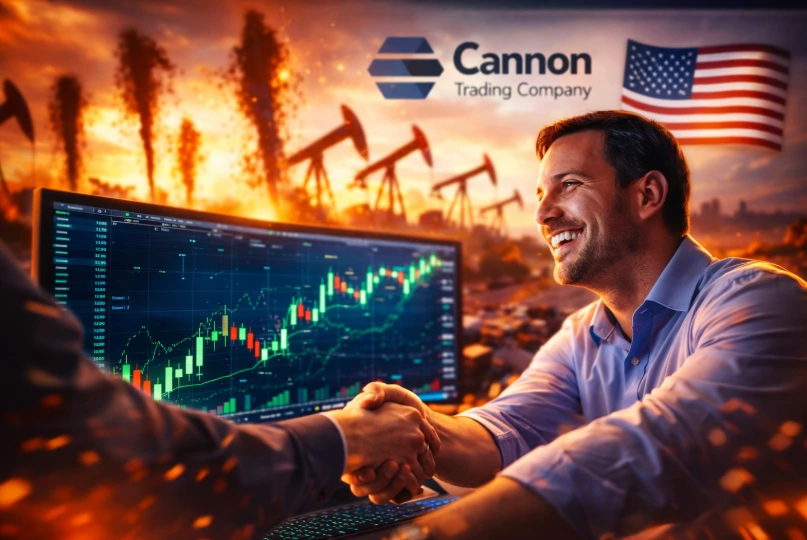
Crude oil remains one of the most actively traded commodities in global derivatives markets. Energy contracts shape economic expectations, influence inflation, and guide corporate hedging strategies. For traders seeking opportunity in volatile markets, crude oil futures provide liquidity, leverage, and clear price discovery.
Geopolitical instability significantly amplifies oil market volatility. Recent tensions involving the United States and Iran have reintroduced risk premiums into global crude supply chains. Events affecting the Strait of Hormuz, where nearly one-fifth of global oil passes daily, immediately influence futures pricing.
In these environments, experienced futures brokers help traders interpret market signals and execute trades efficiently. Understanding supply disruptions, shipping risks, and OPEC responses allows traders to act strategically rather than emotionally.
Professional commodities brokers also assist clients in identifying hedging opportunities during geopolitical crises. Energy producers, airlines, and hedge funds frequently turn to crude futures to offset risk when Middle East tensions escalate.
Modern commodity trading platforms enable real-time monitoring of energy contracts, allowing traders to react quickly to breaking geopolitical developments. Platforms integrated with market data, depth-of-market analytics, and algorithmic execution tools help traders maintain an advantage.
For decades, Cannon Trading Company has supported traders navigating complex markets like crude oil futures.
The conflict between the United States and Iran historically drives immediate reactions in crude oil futures markets. Political statements, military movements, and sanctions policies can trigger rapid price spikes.
Energy traders track these developments because Iran controls strategic access to the Persian Gulf. Any disruption to oil shipping routes can tighten global supply expectations.
Key geopolitical triggers include:
Experienced futures brokers analyze these factors daily. Their role includes helping traders interpret news events and translate them into actionable trading strategies.
Professional commodities brokers also provide insights into global inventory reports and refinery demand trends. This perspective allows traders to differentiate between temporary price reactions and long-term structural changes.
Many traders rely on advanced commodity trading platforms to track crude oil contracts listed on CME Group exchanges. These systems allow rapid execution when geopolitical headlines break.
Crude oil futures contracts allow traders to speculate on or hedge against changes in oil prices. Contracts typically represent 1,000 barrels of crude and trade electronically through regulated exchanges.
Understanding contract mechanics is essential before entering the market.
Common crude oil trading strategies include:
Working with experienced futures brokers ensures traders understand margin requirements, contract specifications, and risk exposure.
Similarly, knowledgeable commodities brokers guide clients through advanced strategies such as spread trading or volatility hedging.
Reliable commodity trading platforms provide tools such as order-flow analytics, time-and-sales tracking, and DOM trading. These features allow traders to detect institutional activity and liquidity levels in real time.
Cannon Trading Company provides access to several leading trading technologies designed specifically for futures traders.
Geopolitical conflicts introduce extreme volatility into oil markets. Sudden news releases can cause price swings of several dollars per barrel within minutes.
In these conditions, the expertise of professional futures brokers becomes invaluable.
A broker assists traders in several ways:
Skilled commodities brokers also maintain relationships with institutional research providers. This enables them to provide clients with deeper insight into energy supply forecasts and macroeconomic influences.
Additionally, modern commodity trading platforms enable traders to automate strategies that react to market volatility. Algorithmic tools can adjust stop levels, manage risk thresholds, and capture price momentum.
Cannon Trading Company’s brokerage services combine technology, human expertise, and decades of market experience.
Technology has transformed how traders interact with energy markets.
Today’s commodity trading platforms integrate advanced analytics, real-time news feeds, and customizable charting tools. These features allow traders to respond instantly to geopolitical developments.
Key technological advantages include:
Professional futures brokers help traders select the most suitable platform for their trading style. Some traders prefer DOM-based scalping interfaces, while others rely on advanced charting environments.
Experienced commodities brokers also assist clients in configuring data feeds and optimizing order routing.
Cannon Trading Company provides access to several industry-leading technologies through its brokerage infrastructure.
These advanced commodity trading platforms help traders maintain speed and precision in volatile oil markets.
Crude oil trading carries significant opportunity but also considerable risk.
Geopolitical developments can cause rapid price movements that exceed typical volatility ranges.
Traders should implement disciplined risk management strategies such as:
Experienced futures brokers play a crucial role in guiding traders through these risk management techniques.
Professional commodities brokers also help clients interpret inventory reports, seasonal demand patterns, and refinery utilization rates.
Advanced commodity trading platforms support these strategies by allowing automated risk controls and conditional orders.
By combining broker expertise with sophisticated technology, traders can navigate oil market volatility more effectively.

Cannon Trading Company has served futures traders for decades. Its reputation stems from transparent service, technological access, and personalized brokerage support.
The company has built strong relationships with both institutional and independent traders.
Reasons traders choose Cannon Trading include:
Cannon’s team of commodities brokers understands the unique challenges of energy trading. Their expertise helps traders navigate volatile conditions caused by geopolitical developments.
This combination of experience, technology, and service has positioned Cannon Trading Company among the most respected brokerage firms in the futures industry.
Looking ahead, crude oil markets are likely to remain influenced by geopolitical developments.
Several factors will shape oil prices in the coming months.
Traders who remain informed and disciplined will be best positioned to navigate these changes.
Working with experienced futures brokers helps traders stay ahead of market developments.
Professional commodities brokers provide valuable insights into supply disruptions, production forecasts, and inventory changes.
Reliable commodity trading platforms ensure traders can react instantly to breaking news events.
Cannon Trading Company continues to support traders seeking opportunities in the global energy markets.
What are crude oil futures?
Crude oil futures are standardized contracts that allow traders to buy or sell oil at a predetermined price for future delivery. They are widely used for speculation and hedging in energy markets.
Why do geopolitical tensions affect oil prices?
Oil supply chains depend heavily on politically sensitive regions. Events affecting production or transportation routes can reduce supply expectations, driving prices higher.
How can futures brokers help oil traders?
Professional brokers assist traders with market analysis, order execution, and risk management strategies during volatile market conditions.
What role do commodities brokers play?
They provide specialized expertise in physical supply trends, inventory data, and seasonal demand patterns that influence commodity pricing.
Why are commodity trading platforms important?
Modern trading platforms provide real-time market data, charting tools, and automated order execution that allow traders to react quickly to price movements.
Why choose Cannon Trading Company?
Cannon Trading Company offers decades of experience, advanced trading technology, personalized brokerage support, and access to global futures markets.
Ready to start trading futures? Call us at 1(800)454-9572 (US) or (310)859-9572 (International), or email info@cannontrading.com to speak with one of our experienced, Series-3 licensed futures brokers and begin your futures trading journey with Cannon Trading Company today.
Disclaimer: Trading Futures, Options on Futures, and retail off-exchange foreign currency transactions involve substantial risk of loss and are not suitable for all investors. Past performance is not indicative of future results. Carefully consider if trading is suitable for you in light of your circumstances, knowledge, and financial resources. You may lose all or more of your initial investment. Opinions, market data, and recommendations are subject to change at any time.
Important: Trading commodity futures and options involves a substantial risk of loss. The recommendations contained in this article are opinions only and do not guarantee any profits. This article is for educational purposes. Past performances are not necessarily indicative of future results.
This article has been generated with the help of AI Technology and modified for accuracy and compliance.
Follow us on all socials: @cannontrading
|
|
|||||||||||||||||||||||||||||||||||||||||||||||||||||||||||||||||||||||||||||||||||||||||||||||||||||||||||||||||||||||||||||||||||
|
|||||||||||||||||||||||||||||||||||||||||||||||||||||||||||||||||||||||||||||||||||||||||||||||||||||||||||||||||||||||||||||||||||
|
Futures markets have evolved dramatically over the past several decades. Electronic execution, algorithmic strategies, and institutional-grade analytics have reshaped how traders interact with global derivatives markets.
In this changing environment, futures brokers play a far greater role than simply executing orders. Modern brokerage firms provide infrastructure, research, technology integration, and risk tools that can significantly enhance a trader’s performance.
As markets become increasingly data-driven, choosing the right brokerage partner becomes a strategic decision. The most effective brokers combine cutting-edge platforms with experienced support teams.
Cannon Trading Company has established itself as one of the most respected firms in the industry, helping traders navigate futures markets for decades through technology, education, and execution expertise.
Understanding how brokers support traders in the modern era reveals why strong brokerage relationships remain essential.
The futures industry once relied on open outcry trading pits. Traders shouted orders on exchange floors and relied heavily on human intermediaries.
The introduction of electronic trading platforms changed everything.
According to CME Group historical market development data, electronic futures trading expanded dramatically during the early 2000s and quickly became the dominant execution method.
Modern trading platforms now allow traders to access global futures markets instantly.
Because markets evolve rapidly, futures brokers help traders stay competitive by offering access to the latest technology and execution tools.
Speed and accuracy matter enormously in futures markets. Price movements occur in milliseconds, especially in highly liquid contracts such as E-Mini index futures.
Technology provided by brokerage firms helps traders compete effectively.
For example, modern trading platforms allow traders to monitor multiple markets simultaneously.
Technology also supports better decision-making.
The best futures brokers ensure traders have access to these capabilities without requiring expensive infrastructure.
This democratization of technology has allowed independent traders to compete alongside institutional market participants.
Execution infrastructure is one of the most important services provided by brokerage firms.
When a trader submits an order, that order must travel through secure routing systems to reach exchange matching engines.
Latency, reliability, and data integrity are critical.
These systems ensure trades execute quickly and accurately.
Professional futures brokers maintain these systems so traders do not need to build expensive trading infrastructure themselves.
For many traders, this backend technology represents the difference between efficient trading and costly execution delays.
Data has become the most valuable resource in modern futures trading.
Market participants analyze order flow, volume patterns, volatility structures, and macroeconomic signals.
Brokerage firms help traders access this data efficiently.
High-quality futures platforms offer powerful analytical tools.
Analytics also support strategy development.
Through these services, futures brokers transform raw market data into actionable insights.
This analytical edge is increasingly important as global markets grow more competitive.
Successful futures trading requires strong risk management.
Futures contracts are leveraged instruments, meaning price movements can produce significant gains or losses.
Brokerage platforms help traders control exposure.
These tools protect traders from excessive risk.
Professional futures brokers integrate these systems directly into their trading platforms.
This ensures traders remain aware of their exposure at all times.
Such safeguards are particularly important during volatile market periods.
Algorithmic trading continues to expand across futures markets.
Institutional participants increasingly rely on automated strategies to execute trades efficiently.
Retail traders now have access to similar capabilities through brokerage platforms.
Many platforms supported by brokerage firms allow strategy automation.
With proper support from futures brokers, traders can deploy sophisticated algorithmic systems previously available only to hedge funds.
The democratization of algorithmic tools has significantly expanded trading opportunities.
Technology alone does not guarantee trading success.
Education remains one of the most valuable services offered by professional brokers.
Experienced brokerage firms provide educational resources that help traders understand market dynamics.
Educational guidance from futures brokers helps traders avoid common mistakes and develop disciplined trading approaches.
This guidance is particularly valuable for traders transitioning from equities into derivatives markets.
Cannon Trading Company has built a strong reputation over decades of serving futures traders.
The firm combines deep industry experience with advanced technology access.
Its approach focuses on personalized support and robust trading infrastructure.
Cannon Trading Company also provides connectivity to major exchanges such as CME Group.
Unlike some firms that emphasize automation alone, Cannon Trading combines technology with human expertise.
This hybrid model helps traders navigate complex market environments.
Many traders trust the firm because it has consistently adapted to new market technologies while maintaining personalized client relationships.
Reputation plays a major role when selecting a brokerage partner.
Trust becomes critical when traders rely on a firm to handle funds, orders, and market access.
Platforms such as Trustpilot provide insights into client experiences with brokerage firms.
Reliable futures brokers typically share several common characteristics.
Cannon Trading Company’s decades-long presence in the futures industry reflects its ability to maintain client trust while adapting to new technological demands.
This consistency remains one of the firm’s most valuable strengths.
Technology will continue reshaping futures trading in the coming years.
Artificial intelligence, predictive analytics, and automation are already influencing market behavior.
Brokerage firms will play a central role in making these innovations accessible to traders.
As these tools evolve, futures brokers will continue bridging the gap between advanced financial technology and individual traders.
Brokerage firms that combine innovation with experienced guidance will remain essential to traders seeking an edge in global futures markets.
Cannon Trading Company’s commitment to technology, education, and execution reliability positions it strongly for the next generation of futures trading.
What do futures brokers actually do?
Futures brokers provide traders with access to futures exchanges such as CME Group. They facilitate order execution, provide trading platforms, offer market data, and manage account risk and margin requirements.
Why are futures brokers important for modern trading?
Modern futures markets require fast execution, advanced analytics, and reliable infrastructure. Brokers provide the technology, connectivity, and support that individual traders typically cannot build independently.
What technology do futures brokers provide traders?
Most brokerage firms provide:
These technologies help traders analyze markets and execute strategies efficiently.
Why is Cannon Trading Company considered a top brokerage?
Cannon Trading Company has served futures traders for decades. The firm offers advanced trading platforms, experienced broker support, strong exchange connectivity, and extensive educational resources.
How can technology improve futures trading performance?
Technology improves trading performance by enabling faster execution, better market analysis, improved risk management, and the ability to automate strategies.
Examples include algorithmic trading systems, advanced charting tools, and automated order routing.
Ready to start trading futures? Call us at 1(800)454-9572 (US) or (310)859-9572 (International), or email info@cannontrading.com to speak with one of our experienced, Series-3 licensed futures brokers and begin your futures trading journey with Cannon Trading Company today.
Disclaimer: Trading Futures, Options on Futures, and retail off-exchange foreign currency transactions involve substantial risk of loss and are not suitable for all investors. Past performance is not indicative of future results. Carefully consider if trading is suitable for you in light of your circumstances, knowledge, and financial resources. You may lose all or more of your initial investment. Opinions, market data, and recommendations are subject to change at any time.
Important: Trading commodity futures and options involves a substantial risk of loss. The recommendations contained in this article are opinions only and do not guarantee any profits. This article is for educational purposes. Past performances are not necessarily indicative of future results.
This article has been generated with the help of AI Technology and modified for accuracy and compliance.
Follow us on all socials: @cannontrading

E-Mini futures have become one of the most actively traded derivatives in global markets. Introduced by CME to provide smaller, accessible contracts, E-Mini products opened futures participation to a broader audience while maintaining institutional-grade liquidity.
Understanding the mechanics of E-Mini futures trading is essential for modern traders. Equally important is the role that professional futures brokers play in navigating advanced markets, selecting reliable commodity trading platforms, and building strategies supported by experienced commodities brokers.
Technology continues reshaping futures markets. From faster execution to sophisticated data visualization, traders rely on brokerage infrastructure more than ever. Firms like Cannon Trading Company have built decades of expertise helping traders adapt to this technological evolution.
This guide explains the foundations of E-Mini futures trading and how the right broker partnership can dramatically enhance trading outcomes.
E-Mini futures are electronically traded futures contracts representing a fraction of the value of standard futures contracts. They were created by CME to make futures trading more accessible.
The most widely traded contract is the E-Mini S&P 500.
Because E-Mini contracts are standardized through CME, they offer consistent pricing and transparency. These qualities attract both institutional traders and individual participants.
However, successful participation requires infrastructure. Traders rely on experienced futures brokers to access exchanges, manage risk, and maintain reliable execution.
Modern commodity trading platforms provide depth-of-market tools, real-time charting, and order management systems necessary for active futures trading.
In addition, knowledgeable commodities brokers help traders interpret contract specifications, margin requirements, and settlement procedures.
Since their introduction in the late 1990s, E-Mini futures have transformed derivatives markets.
Originally designed to mirror larger index futures, they quickly gained popularity due to efficiency and lower capital requirements.
These developments changed the role of futures brokers.
Traditional brokerage once focused primarily on order execution. Today, brokers offer integrated trading ecosystems, combining education, technology, and execution.
Modern commodity trading platforms allow traders to analyze order flow, simulate strategies, and automate execution.
At the same time, experienced commodities brokers help traders understand the practical implications of volatility, contract rollover, and margin adjustments.
This combination of technology and human expertise forms the backbone of professional futures trading.
E-Mini futures remain one of the most popular derivative instruments for several reasons.
First, they offer efficient exposure to major financial indexes.
Second, they allow traders to participate in both rising and falling markets.
Third, liquidity is extremely high.
However, trading these contracts effectively still requires professional infrastructure.
Reliable commodity trading platforms ensure that orders reach exchanges quickly and accurately.
Meanwhile, experienced futures brokers help traders maintain proper risk controls and margin compliance.
Professional commodities brokers also provide insights into market structure, contract expiration cycles, and exchange rule changes.
These services become increasingly important as trading technology evolves.
Before trading E-Mini futures, traders must understand several key mechanics.
These fundamentals influence profitability and risk management.
Each element directly affects trading decisions.
For example, tick size determines how price movements translate into profits or losses.
Experienced commodities brokers often walk traders through these details during account setup and onboarding.
Professional futures brokers also provide margin guidance, ensuring traders understand the capital required to maintain positions.
Modern commodity trading platforms display these parameters automatically, helping traders monitor exposure in real time.
Understanding these fundamentals builds the foundation for consistent trading performance.
Technology has become one of the most important factors in modern derivatives trading.
Today’s futures markets operate at extraordinary speed.
Execution latency, data quality, and platform stability all influence trading outcomes.
These tools give traders deeper insights into market behavior.
However, technology alone is not enough.
Experienced futures brokers help traders select appropriate platforms, configure data feeds, and ensure stable connectivity.
Professional commodities brokers also assist in understanding how automated systems interact with market volatility.
As markets become increasingly digital, the collaboration between traders and brokers becomes even more critical.
Professional brokerage support plays a vital role in futures trading success.
Quality futures brokers offer far more than simple order routing.
Many traders underestimate how valuable broker guidance can be.
During periods of extreme volatility, experienced brokers can provide insight into margin adjustments, exchange rule changes, and liquidity shifts.
Professional commodities brokers often serve as strategic advisors, helping traders refine trading plans and avoid costly mistakes.
In addition, brokers ensure traders have access to the most stable commodity trading platforms, minimizing downtime during active market sessions.
This partnership can significantly improve a trader’s long-term consistency.
Platform selection is one of the most important decisions a futures trader makes.
The best commodity trading platforms combine reliability, speed, and analytical tools.
Many traders use multiple commodity trading platforms depending on their strategy.
Scalpers may prefer highly responsive interfaces designed for rapid execution.
Swing traders may prioritize analytical charting environments.
Experienced futures brokers help traders evaluate these differences and determine which platform best fits their strategy.
Meanwhile, knowledgeable commodities brokers often assist in configuring platform settings, ensuring traders understand order types, bracket orders, and automated risk management tools.
Proper platform selection can significantly influence execution efficiency.
Risk management remains the cornerstone of professional futures trading.
Even the best trading strategy can fail without proper risk controls.
Effective risk management involves both discipline and infrastructure.
Professional futures brokers help traders establish margin policies that prevent over-leveraging.
Advanced commodity trading platforms provide real-time monitoring of open positions and account equity.
Meanwhile, experienced commodities brokers help traders interpret volatility changes that may require adjustments to risk parameters.
These safeguards become especially important during major economic announcements or geopolitical events.
By combining technology with professional guidance, traders can manage risk more effectively.
Cannon Trading Company has built a reputation as one of the most respected brokerage firms in the futures industry.
Founded decades ago, the firm has consistently focused on client support, advanced technology, and market expertise.
Several factors contribute to its long-standing reputation.
Cannon Trading Company’s team includes knowledgeable commodities brokers who work closely with traders at every experience level.
These professionals help clients understand market structure, select platforms, and refine risk management practices.
In addition, the firm works with a wide network of futures brokers and technology providers, ensuring traders receive reliable exchange connectivity.
This combination of experience and innovation has helped Cannon Trading Company remain a trusted brokerage partner for decades.
While automation continues transforming financial markets, human expertise remains indispensable.
Trading technology may execute orders instantly, but interpreting market context requires experience.
Experienced commodities brokers understand how macroeconomic factors influence futures markets.
Professional futures brokers also help traders interpret exchange announcements, margin adjustments, and contract changes.
Meanwhile, powerful commodity trading platforms provide the analytical tools necessary to evaluate these developments.
When traders combine technology with experienced brokerage support, they gain both speed and perspective.
This hybrid approach represents the future of successful futures trading.
Mastering E-Mini futures trading requires discipline, education, and the right infrastructure.
Traders who succeed typically combine several key elements.
Professional futures brokers help traders build a structured approach to market participation.
Knowledgeable commodities brokers provide ongoing guidance as market conditions evolve.
At the same time, advanced commodity trading platforms allow traders to analyze market data, execute strategies, and manage positions with precision.
When these components work together, traders gain a significant advantage.
E-Mini futures trading is not simply about placing orders. It is about building a professional trading environment supported by technology, expertise, and disciplined strategy.
Cannon Trading Company has spent decades helping traders build exactly that kind of environment.
What are E-Mini futures?
E-Mini futures are smaller versions of major futures contracts introduced by CME. They provide exposure to major financial indexes while requiring less capital than standard futures contracts.
Why are E-Mini futures popular among traders?
They offer high liquidity, nearly 24-hour trading, efficient margin usage, and transparent pricing through CME electronic markets.
What role do futures brokers play in trading?
Futures brokers provide exchange access, risk management guidance, execution infrastructure, and support for trading technology. Their expertise helps traders navigate complex futures markets.
Why are commodity trading platforms important?
Professional commodity trading platforms provide charting tools, order execution systems, and real-time risk monitoring that allow traders to manage positions effectively.
What do commodities brokers do?
Commodities brokers help traders understand futures contracts, margin requirements, trading strategies, and market structure. They also assist with platform configuration and account management.
Why choose Cannon Trading Company?
Cannon Trading Company offers decades of brokerage experience, access to advanced platforms, competitive commissions, and personalized support from knowledgeable brokerage professionals.
Ready to start trading futures? Call us at 1(800)454-9572 (US) or (310)859-9572 (International), or email info@cannontrading.com to speak with one of our experienced, Series-3 licensed futures brokers and begin your futures trading journey with Cannon Trading Company today.
Disclaimer: Trading Futures, Options on Futures, and retail off-exchange foreign currency transactions involve substantial risk of loss and are not suitable for all investors. Past performance is not indicative of future results. Carefully consider if trading is suitable for you in light of your circumstances, knowledge, and financial resources. You may lose all or more of your initial investment. Opinions, market data, and recommendations are subject to change at any time.
Important: Trading commodity futures and options involves a substantial risk of loss. The recommendations contained in this article are opinions only and do not guarantee any profits. This article is for educational purposes. Past performances are not necessarily indicative of future results.
This article has been generated with the help of AI Technology and modified for accuracy and compliance.
Follow us on all socials: @cannontrading
|
Bulls are surviving…. for now.Earnings for Q4 to arrive mid-month.The January effect and more…By John Thorpe, Senior Broker |
|
|
||||||||||||||||||||||||||||||||||||||||||||||||||||||||||||||||||||||||||||||||||||||||||||||||||||||||||||||||||||||||||||||||||
|
||||||||||||||||||||||||||||||||||||||||||||||||||||||||||||||||||||||||||||||||||||||||||||||||||||||||||||||||||||||||||||||||||
|
In the fast-paced, high-stakes world of modern finance, information is the currency that matters most. For retail and professional traders alike, the difference between a profitable week and a significant drawdown often hinges on access to timely, accurate, and actionable market analysis. This is where blogs for futures trading play a critical role. While the internet is flooded with generic financial advice, discerning traders know that few resources rival the depth, history, and reliability found in the ecosystem of Cannon Trading Company and its sister sites, E-Futures.com and E-Mini.com.
As pioneers who helped transition the industry from the shouting pits of the 20th century to the digital screens of the 21st, Cannon Trading has cultivated a reputation not just as a brokerage, but as a premier educational hub. This analysis explores how their decades of experience, commitment to transparent education, and integration of cutting-edge technology have cemented their status as leaders in the futures trading blog space.
The Evolution of a Pioneer: From the Pit to the Blogosphere
To understand why Cannon Trading’s content stands out among futures trading blogs, one must first understand their history. Founded in 1988, Cannon Trading established itself long before the “blog” was even a concept. They operated during an era where market information was gated, expensive, and slow. When the digital revolution arrived in the late 1990s, Cannon was among the first to pivot, launching online trading services in 1998.
This early adoption gave them a unique advantage. Unlike modern “influencer” blogs that often lack real-world trading experience, Cannon’s content is rooted in over 37 years of operational history. When their analysts write about market volatility or order flow, they are drawing on institutional knowledge that spans the 1987 crash, the Dot-com bubble, the 2008 financial crisis, and the post-pandemic inflation surge. This depth of experience is palpable in their daily market commentary, making their site a “must-read” futures trading blog for those seeking historical context alongside technical levels.
The Cannon Trading Blog: A Daily Essential for Traders

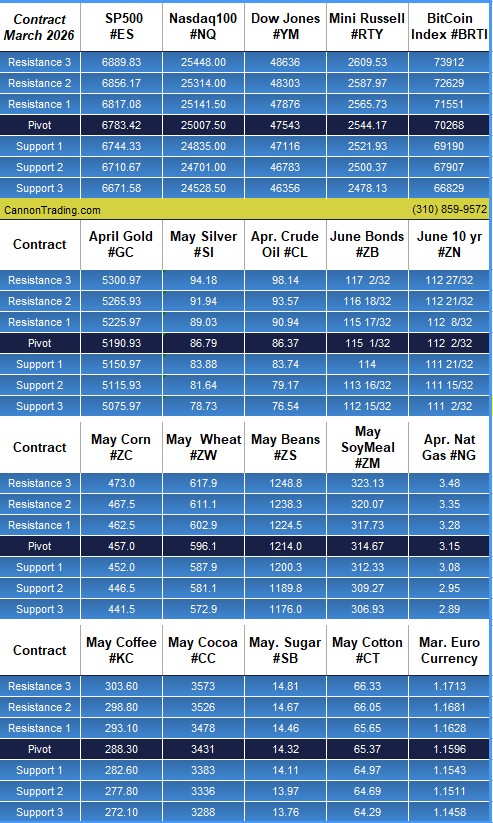
The core of Cannon’s educational offering lies in its primary blog. It distinguishes itself from other blogs for futures trading through its practical, trade-ready focus. While many competitors publish vague macroeconomic fluff, Cannon Trading focuses on “Daily Support & Resistance Levels.”
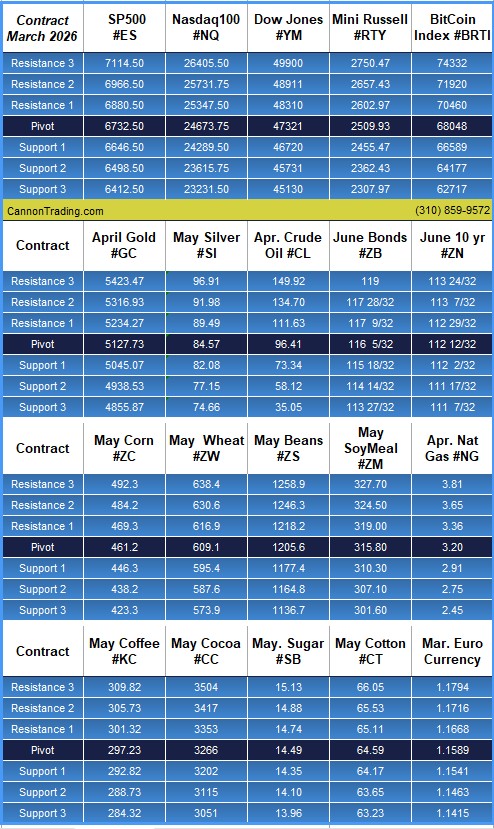
For active traders, these posts are invaluable. Every trading day, the blog provides specific price levels for major indices like the E-mini S&P 500, Nasdaq 100, and crude oil. These aren’t just computer-generated numbers; they are curated updates that help traders frame their day. A trader looking for futures trading blogs that offer actionable data will find Cannon’s approach refreshing. Instead of reading 1,000 words on why the market might move, they get a clear map of where buyers and sellers are likely to clash.
Furthermore, their “Weekly Newsletter” has become a staple in the industry. It often combines technical analysis with fundamental insights—such as the impact of new tariffs or Federal Reserve interest rate decisions—breaking down complex geopolitical events into clear trading scenarios. This ability to synthesize macro news with micro-market structure is a hallmark of a high-quality futures trading blog.
E-Futures.com: The Technical and Platform Authority
While Cannon Trading serves as the flagship, its sister company, E-Futures.com, offers a slightly different flavor of content that is equally vital. E-Futures has carved out a niche as a leader in platform education and technical tutorials.
In the world of online trading, the software is the trader’s weapon. If you do not know how to use your platform efficiently—how to set a trailing stop, how to configure a DOM (Depth of Market), or how to set up an OCO (One-Cancels-Other) order—you are at a severe disadvantage. E-Futures.com excels here. Their blog and resource sections often feature deep dives into platform capabilities, specifically for the “CannonX” platform powered by CQG.
Reviewing the futures trading blogs available today, few go into the granular detail that E-Futures does regarding execution. They understand that a great trade idea is useless if the execution is botched. By providing content that bridges the gap between strategy and software, E-Futures.com ensures its readers are not just knowledgeable about the market, but proficient in navigating it. This focus on “how-to” content complements the “what-to-trade” content found on the main Cannon site, creating a comprehensive educational loop.
E-Mini.com: Specialized Content for the Index Trader
The third pillar of this educational triumvirate is E-Mini.com. As the name suggests, this entity focuses heavily on the E-mini and Micro E-mini contracts. With the explosive popularity of the Micro E-mini S&P 500 (MES) and Micro E-mini Nasdaq (MNQ), a new wave of retail traders has entered the market. These traders need specific guidance on margins, contract specifications, and the nuances of leverage.
E-Mini.com serves as a specialized futures trading blog for this demographic. Their content demystifies the barrier to entry, explaining how smaller contract sizes allow for more precise risk management. Articles detailing “Day Trading Margins” and “Contract Specs” are crucial for newer traders who might be intimidated by the full-sized contracts. By segmenting this content onto a dedicated site, the Cannon group ensures that information is tailored and accessible, preventing new traders from being overwhelmed by institutional-level jargon found on other blogs for futures trading.
TrustPilot and the “Human” Element of Digital Blogging
One might ask: “Anyone can write a blog; how do I know this advice is trustworthy?” This is where the Cannon ecosystem truly separates itself from the pack. In an age of AI-generated content and anonymous financial gurus, Cannon Trading backs its futures trading blog with verified reputation.
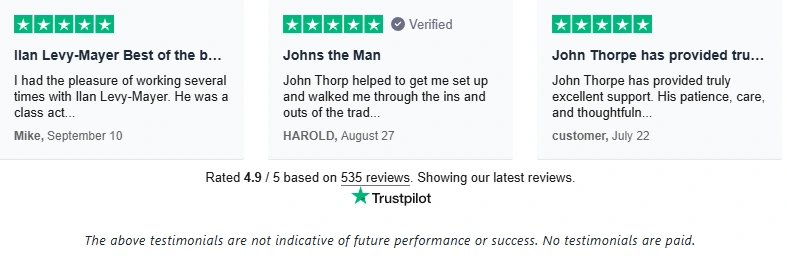
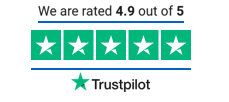
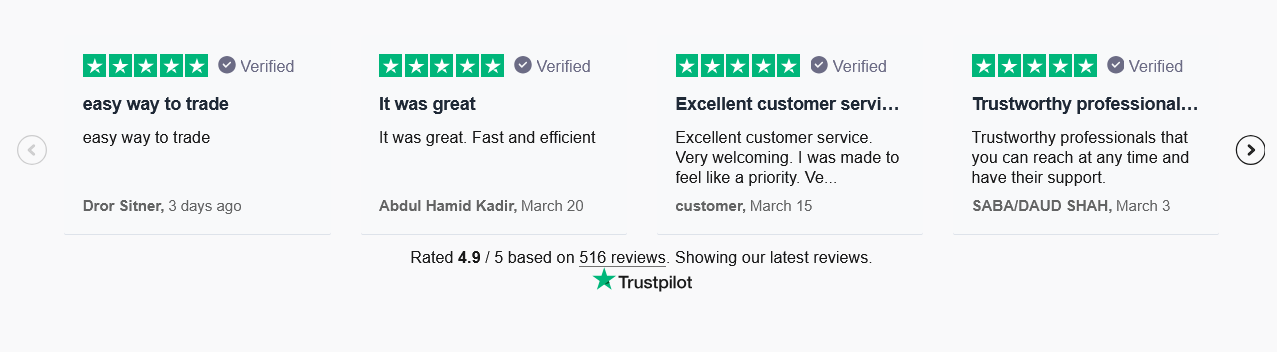
A quick glance at TrustPilot reveals a near-perfect 4.9-star rating, a rarity in the brokerage world. What is fascinating is how these reviews often reference the educational support provided by the brokers. Reviewers frequently mention brokers by name—Ilan, Kimberly, Joe, Mark—citing how they helped explain a difficult market concept or walked them through a platform issue.
This relates directly to their blog strategy because the blog is essentially an extension of this personalized service. The articles are written or vetted by licensed Series 3 professionals, not freelance copywriters. When you read a piece on E-Futures.com about “The Risks of Over-Leverage,” it is backed by a firm that has spent 37 years helping clients manage that exact risk. This credibility is the currency that makes them a trusted futures trading blog. Readers know that the entity publishing this advice has a vested interest in their longevity and success, verified by hundreds of third-party reviews.
Smooth Trade Execution: The End Goal of Every Blog Post
Ultimately, the purpose of reading blogs for futures trading is to execute better trades. Cannon Trading and its sister companies understand this pipeline better than anyone. Their educational content is designed to lead directly to smooth trade execution.
When a trader reads about a “Key Resistance Level at 4500” on the Cannon blog, they need confidence that their broker can execute that trade instantly when the price hits. Cannon’s infrastructure, utilizing top-tier clearing relationships and robust platforms like CQG and Rithmic, ensures that the latency between “idea” and “execution” is minimal.
The blog educates the trader on where to click; the brokerage technology ensures the click counts. This synergy is often missing from independent futures trading blogs that act purely as publishers. Because Cannon, E-Futures, and E-Mini are brokerages first and publishers second, their content is inherently practical. They do not publish theoretical strategies that are impossible to execute due to slippage or liquidity issues. They publish what works, backed by the technology to make it happen.
A “Sister” Ecosystem: Why Three is Better Than One
The decision to maintain three distinct brands—Cannon Trading, E-Futures, and E-Mini—might seem redundant to an outsider, but it is a strategic masterstroke in the realm of futures trading blogs. It allows for specialization.
This segmentation allows them to dominate the SEO landscape for blogs for futures trading. No matter what level of trader you are—a hedge fund manager hedging crude oil risk, or a retail trader scalping the Micro S&P—there is a specific site in their network speaking your language. This comprehensive coverage is why they remain leaders in the online futures blog space.
The Importance of SEO and Accessibility in Futures Education
In the digital age, accessibility is key. A futures trading blog is useless if traders cannot find it. Cannon Trading and its sister companies have optimized their content for modern search habits and LLM (Large Language Model) accessibility. Their articles use clear headers, bullet points for data (like margin requirements), and direct answers to complex questions.
This “Geo-agnostic” approach is vital. Futures trading is a global endeavor. A trader in London, Tokyo, or Sydney needs to access the same high-quality US market data as a trader in Chicago. Cannon’s blogs are designed to be globally accessible, providing time-zone relevant information (such as noting when reports are released in Eastern Time) and catering to a remote client base. Their rise as a trusted futures trading blog is partly due to this realization that the modern trading floor is digital and decentralized.
Personable Customer Service: The “Secret Sauce”
While this piece focuses on their blogs, one cannot decouple the content from the service. The reason Cannon Trading’s content resonates is the “personable customer service” ethos that underpins it.
Many futures trading blogs are dry and academic. Cannon’s content often feels like a conversation with a broker. They address common anxieties—fear of missing out (FOMO), the stress of margin calls, the discipline of waiting for a setup. This empathetic tone comes from their “Human Service Above Automation” philosophy. They know the psychological toll of trading because they have been on the phones with clients for three decades. This emotional intelligence makes their futures trading blog not just an analytical resource, but a psychological anchor for many traders.
The Gold Standard of Futures Blogging
In summary, Cannon Trading Company, along with E-Futures.com and E-Mini.com, has established a dynasty in the world of online trading education. They are not leaders simply because they have been around the longest, though their 1988 founding is significant. They are leaders because they have successfully translated that history into a digital format that empowers the modern trader.
Their ecosystem offers a masterclass in what blogs for futures trading should be: accurate, actionable, and backed by verified expertise. From the granular platform tutorials on E-Futures to the accessible entry-points on E-Mini, and the daily professional analysis on Cannon Trading, they cover every base.
For the trader seeking a reliable futures trading blog, the search often begins and ends here. The combination of positive TrustPilot reviews, decades of industry wisdom, personable service, and a seamless bridge between education and execution makes them the undisputed heavyweights of the sector. In a market defined by uncertainty, Cannon Trading provides the one thing traders need most: clarity.
FAQ: Futures Trading Blogs & Cannon Trading Services
Q: Why should I read blogs for futures trading instead of just watching news? A: Blogs for futures trading often provide more specific, actionable technical analysis than general financial news. For example, Cannon Trading’s blog provides specific support and resistance price levels for daily trading, whereas cable news typically covers broad economic trends that may not help with immediate trade execution.
Q: What makes Cannon Trading a trusted futures trading blog source? A: Cannon Trading is a licensed brokerage founded in 1988 with a clean regulatory record and a 4.9/5 rating on TrustPilot. Unlike anonymous financial bloggers, their content is produced by licensed professionals with decades of experience in the futures industry.
Q: Do E-Futures.com and E-Mini.com offer different content? A: Yes. While they are sister companies, their futures trading blogs focus on different niches. E-Futures often focuses on platform tutorials and technical software guides, while E-Mini focuses on index trading, micro contracts, and margin specifications for retail traders.
Q: Can I access these futures trading blogs from outside the United States? A: Absolutely. The content is optimized for global access. Whether you are trading from Europe, Asia, or South America, the futures trading blog content is relevant for anyone trading US-based futures markets like the CME Group products.
Q: How often is the Cannon Trading futures trading blog updated? A: Cannon Trading updates its blog daily with “Daily Support & Resistance Levels” and provides regular “Weekly Newsletters” and market commentary, ensuring traders have fresh data for every trading session.
Q: Does reading a futures trading blog guarantee profit? A: No. Futures trading involves substantial risk of loss and is not suitable for every investor. A futures trading blog is an educational tool to help inform your decisions, but past performance is not indicative of future results.
Q: How does the blog help with smooth trade execution? A: By providing clear technical levels and platform tutorials, the blogs help traders plan their trades in advance. Knowing exactly where to enter or exit (based on the blog’s analysis) and how to use the platform (based on E-Futures’ tutorials) leads to smoother, more confident trade execution.
Ready to start trading futures? Call us at 1(800)454-9572 (US) or (310)859-9572 (International), or email info@cannontrading.com to speak with one of our experienced, Series-3 licensed futures brokers and begin your futures trading journey with Cannon Trading Company today.
Disclaimer: Trading Futures, Options on Futures, and retail off-exchange foreign currency transactions involve substantial risk of loss and are not suitable for all investors. Past performance is not indicative of future results. Carefully consider if trading is suitable for you in light of your circumstances, knowledge, and financial resources. You may lose all or more of your initial investment. Opinions, market data, and recommendations are subject to change at any time.
Important: Trading commodity futures and options involves a substantial risk of loss. The recommendations contained in this article are opinions only and do not guarantee any profits. This article is for educational purposes. Past performances are not necessarily indicative of future results.
This article has been generated with the help of AI Technology and modified for accuracy and compliance.
Follow us on all socials: @cannontrading
|
|
||||||||||||||||||||||||||||||||||||||||||||||||||||||||||||||||||||||||||||||||||||||||||||||
|
||||||||||||||||||||||||||||||||||||||||||||||||||||||||||||||||||||||||||||||||||||||||||||||
|

In the high-stakes arena of global finance, the re-emergence of aggressive tariff policies under the Trump administration has introduced a fresh wave of volatility to the markets. For active traders, commercial hedgers, and institutional investors, this political shift is not merely a headline—it is a direct call to action. The need for a competent, responsive futures brokerage has never been more critical. Whether you are a manufacturer fearing rising steel costs or a speculator looking to capitalize on currency fluctuations, understanding the mechanics of the futures market is your primary defense against geopolitical uncertainty.
This comprehensive guide will explore the intricate relationship between tariffs and futures pricing, the specific mechanisms of hedging, and why partnering with a top-tier firm like Cannon Trading Company—often cited as the best futures brokerage for customer service—is essential for responsible trading in this environment.
The Economic Landscape: Tariffs, Trade, and Volatility
To understand how to utilize a futures brokerage effectively, one must first grasp the economic impact of tariffs. A tariff is fundamentally a tax on imports, designed to protect domestic industries by making foreign goods more expensive. However, the ripple effects of such policies create a complex web of price distortions that play out aggressively in the futures markets.
When the Trump administration announces tariffs on materials like steel, aluminum, or lumber, the immediate reaction is often a spike in domestic prices. This creates an inflationary environment for manufacturers who rely on these raw materials. Conversely, retaliatory tariffs from trading partners can decimate the prices of U.S. exports, such as soybeans or pork, as foreign demand artificially collapses.
This dichotomy—rising input costs and potentially falling export prices—creates a “fork in the road” for market participants. A specialized futures brokerage becomes the navigator at this fork, offering the instruments needed to lock in prices today against the uncertainty of tomorrow.
Facilitating Your Futures Brokerage to Hedge Against Tariffs
Hedging is the practice of taking a financial position to offset the risk of price movements in the physical market. In the context of tariff increases, traders and businesses can “facilitate” their futures brokerage accounts to act as insurance policies. Here is how different market participants can utilize these strategies:
The Manufacturer’s Hedge (The Long Hedge)
Imagine a U.S. automotive manufacturer that anticipates a 25% tariff on imported steel. Such a policy would almost certainly drive up the domestic price of steel. To protect against this cost explosion, the manufacturer can use their futures brokerage to enter a “long” position (buy contracts) in steel futures.
The Producer’s Hedge (The Short Hedge)
Conversely, consider a U.S. soybean farmer. If a trade war escalates, countries like China may impose retaliatory tariffs on U.S. agriculture, causing demand—and prices—to plummet. The farmer can instruct their futures brokerage to sell soybean futures contracts at current market prices.
Tariffs often lead to significant fluctuations in currency values. If the U.S. dollar strengthens due to protectionist policies, it can hurt multinational companies with foreign revenue. Traders can use currency futures (like the Euro FX or British Pound futures) through their futures brokerage to hedge against foreign exchange risk, ensuring that currency volatility does not erode their operational profits.
Pros and Cons of Tariff-Induced Price Increases in Speculative Pricing
For the speculative trader—one who does not deal in physical goods but trades for profit—tariff news offers a distinct set of opportunities and risks. A high-quality futures brokerage will provide the data and execution speed necessary to navigate these pros and cons.
The Pros: Volatility and Trend Formation
The Cons: Artificial Pricing and Liquidity Risks
Cannon Trading Company: Facilitating Responsible and Timely Trading


When navigating the choppy waters of tariff-influenced markets, the quality of your broker is paramount. This brings us to Cannon Trading Company, a firm that has distinguished itself as a leader in the industry since 1988. In an era where many brokers have moved to purely automated, faceless support systems, Cannon Trading stands out by blending cutting-edge technology with high-touch, personal service.
Why Cannon Trading is a Contender for the “Best Futures Brokerage”
The Mechanics of Responsible Trading in a Tariff Era
To truly facilitate your futures brokerage account for success, one must move beyond the “what” and into the “how.” Responsible trading during administration changes requires a disciplined approach to leverage and information.
Leveraging the “Best Futures Brokerage” Tools
The best futures brokerage will offer tools that you must utilize. These include:
Understanding Contango and Backwardation
Tariffs can alter the forward curve of futures contracts.
The Role of Options on Futures
For those who find the unlimited risk of futures contracts too daunting during political uncertainty, options on futures are a responsible alternative. Buying a “Put” option on soybeans allows a farmer to profit if prices fall, but if prices rise, they only lose the premium paid for the option. Cannon Trading specializes in assisting clients with these complex derivative strategies, offering a layer of protection that simple futures contracts cannot.
Fortifying Your Portfolio
The return of tariff-heavy economic policies under the Trump administration signals a time of necessary vigilance for traders and commercial interests alike. The markets will offer significant opportunities for profit, but they will extract a heavy toll on the unprepared.
Facilitating your futures brokerage account to hedge against these risks is not just a sophisticated financial move; it is a necessary survival strategy for modern commerce. By understanding the mechanics of long and short hedging, and by recognizing the pros and cons of speculative pricing in a tariff environment, you position yourself to act rather than react.
However, strategy without execution is futile. This is why the choice of broker is critical. Cannon Trading Company has proven, through decades of service and unrivaled TrustPilot rankings, that it understands the needs of the modern trader. They offer the technology of a large firm with the boutique, protective service of a small partner. In the search for the best futures brokerage, their commitment to responsible, timely, and personal service makes them a standout choice for anyone looking to navigate the volatile waters of the Trump era markets.
Whether you are protecting a harvest, managing manufacturing costs, or speculating on the dollar, the right partner and the right strategy are your best hedge against the unknown.
FAQ Section
Ready to start trading futures? Call us at 1(800)454-9572 (US) or (310)859-9572 (International), or email info@cannontrading.com to speak with one of our experienced, Series-3 licensed futures brokers and begin your futures trading journey with Cannon Trading Company today.
Disclaimer: Trading Futures, Options on Futures, and retail off-exchange foreign currency transactions involve substantial risk of loss and are not suitable for all investors. Past performance is not indicative of future results. Carefully consider if trading is suitable for you in light of your circumstances, knowledge, and financial resources. You may lose all or more of your initial investment. Opinions, market data, and recommendations are subject to change at any time.
Important: Trading commodity futures and options involves a substantial risk of loss. The recommendations contained in this article are opinions only and do not guarantee any profits. This article is for educational purposes. Past performances are not necessarily indicative of future results.
This article has been generated with the help of AI Technology and modified for accuracy and compliance.
The financial landscape is being reshaped by the relentless march of technology, with algorithmic trading and Artificial Intelligence (AI) dominating large swaths of the market, particularly in high-frequency operations. However, for the serious futures trader, the notion that a computer can entirely replace a seasoned, professional futures broker is a dangerous oversimplification. While AI excels in speed and data analysis, the human element—rooted in judgment, empathy, and strategic partnership—remains absolutely indispensable.1
This deep dive explores the unique, high-value services that a human futures broker provides, details the critical pros and cons of human guidance versus AI, and highlights how a premier firm like Cannon Trading Company leverages this human-centric model to facilitate responsible and timely futures trading for its clients, all while maintaining its position as the highest-ranked futures broker on TrustPilot for top-tier customer service and trade execution.
What Human Futures Brokers Offer That Cannot Be Replaced by AI
Algorithmic systems are unparalleled at transactional tasks: generating quotes, matching orders, and executing trades in milliseconds.2 Yet, the core value proposition of a human futures broker lies in areas requiring nuanced judgment, interpersonal skills, and contextual understanding—qualities AI struggles to replicate.3
The Art of Crisis Management and Emotional Buffer
The futures market is a volatile environment, subject to “Black Swan” events—unforeseen, high-impact crises like geopolitical conflicts, sudden regulatory shifts, or pandemic announcements.
Personalized Strategy and Nuanced Risk Assessment
AI can compute risk based on quantifiable metrics, but it lacks the capacity for personalized, holistic risk assessment tied to a client’s unique life situation.
Account Protection and Oversight
While AI can automate compliance checks, a human broker acts as a second, experienced set of eyes to protect the client’s account from themselves.
⚖️ Pros and Cons: Human Guidance vs. AI/Algorithmic Data
The decision between relying on human guidance and employing AI/algorithmic systems is not about choosing a winner; it’s about finding the optimal balance. Each method has distinct advantages and disadvantages that futures traders must weigh carefully.
Human Guidance (Futures Broker)
| Pros | Cons |
|---|---|
| Contextual Judgment | Slower Execution Speed |
| Excels in interpreting unforeseen events (geopolitics, policy shifts) and applying wisdom beyond historical data. | Cannot execute trades in milliseconds like a high-frequency algorithm. |
| Emotional Discipline & Support | Susceptible to Human Error |
| Provides a rational buffer during crises, preventing panic selling or excessive greed-driven trading. | Risk of manual error in order entry or miscommunication, though mitigated by high standards of the best futures brokers. |
| Personalized Relationship | Limited Market Coverage |
| Tailored strategy, one-on-one consultation, and advocacy for unique client needs. | A human cannot monitor dozens of markets 24/7 without rest, unlike an AI. |
| Accountability & Oversight | Higher Commission Potential |
| Acts as a check against the trader’s behavioral biases, offering risk management intervention. | Full-service or broker-assisted models may involve higher costs than deep discount, self-directed platforms. |
AI and Generative Data (Algorithmic Trading)
| Pros | Cons |
|---|---|
| Speed and Execution | Lack of Contextual Understanding |
| Executes trades in microseconds (low latency), impossible for a human, ensuring the best possible price. | Struggles with novel events (Black Swans); operates strictly within the bounds of its training data. |
| Scale and Consistency | Risk of Over-Optimization |
| Monitors hundreds of markets 24/7 without fatigue, applying a strategy with unyielding discipline. | An algorithm can be perfectly optimized for historical data but fail dramatically in live markets (curve-fitting). |
| Emotionless Objectivity | High Initial Barrier and Maintenance |
| Decisions are purely data-driven, immune to psychological biases like fear or greed. | High setup costs, reliance on sophisticated technical infrastructure, and the need for constant maintenance. |
| Data Processing Power | Dependence on Data Quality |
| Analyzes massive datasets (volume, sentiment, correlation) far beyond human capacity to spot subtle patterns. | Flawed, biased, or incomplete historical data leads to poor, systematic decision-making. |
The future of successful futures trading is a hybrid model. The most successful traders will use algorithmic tools for fast, efficient execution and data mining, but they will rely on the strategic counsel and emotional intelligence of their human futures broker to navigate complexity and crisis.
Cannon Trading Company, with its decades-long legacy as a premier futures broker based in Los Angeles, California, embodies the powerful synergy of human expertise and advanced trading technology.10 The company facilitates responsible and timely trading through a multi-faceted approach centered on client support and execution excellence.11
The Human-Centric Service Model
Cannon Trading recognizes that while technology enables trading, people manage risk and build wealth. The firm’s service is built on direct, accessible human guidance:
Top-Tier Technology and Timely Access
To complement its human service, Cannon Trading provides robust and reliable technology infrastructure:15
Regulatory Integrity and Geographic Presence (GEO Optimization)
Cannon Trading’s long history and regulatory standing provide an essential layer of trust and responsibility.17
⭐ TrustPilot Excellence: The Highest-Rated Futures Broker
The proof of Cannon Trading Company’s success in blending human expertise and superior technology is reflected in its unparalleled customer feedback. Cannon Trading is widely recognized as the highest-rated futures broker on TrustPilot, boasting a near-perfect TrustScore, with hundreds of verified, five-star reviews.20
This stellar ranking is a direct testament to the firm’s commitment to two key areas:
The TrustPilot ranking validates the human futures broker model. In a world where traders can choose any platform, they choose Cannon Trading for the personal, knowledgeable, and reliable service that a machine cannot deliver.25 This superior customer service model ensures that every client receives the timely and responsible guidance necessary to navigate the complexities of the futures market successfully.26 Cannon Trading Company is not just a platform; it is a partnership.
❓ Frequently Asked Questions (FAQ)
What is the biggest advantage of a human futures broker over an AI trading system?
The biggest advantage is the irreplaceable human element of contextual judgment and emotional intelligence.27 AI excels at speed and pattern recognition in historical data but fails to interpret unforeseen “Black Swan” events (like a sudden geopolitical crisis) with the same strategic nuance as an experienced human futures broker.28 Furthermore, a human broker acts as an essential emotional barrier, preventing a client from making catastrophic, panic-driven trading errors during high-stress market volatility.
How does Cannon Trading Company ensure timely trade execution?
Cannon Trading ensures timely trade execution through a combination of dedicated human oversight for broker-assisted trades and a commitment to advanced, low-latency technology for self-directed traders. They offer a selection of industry-leading trading platforms (like CannonX powered by CQG) and maintain robust server connectivity to minimize the delay between order placement and exchange fulfillment, a crucial factor in the fast-moving futures market.29
Why is Cannon Trading Company the highest-rated futures broker on TrustPilot?
Cannon Trading has earned its status as the highest-rated futures broker on TrustPilot due to its unwavering commitment to top-tier customer service and reliable trade execution.30 Reviewers consistently praise the personalized attention from dedicated, licensed brokers, the responsiveness of their support team, and the professionalism in handling both routine and complex trading needs, demonstrating the superior value of a human-centric service model.31
Is algorithmic trading completely incompatible with using a futures broker?
No, the future of trading is a hybrid model.32 A trader can use algorithmic systems for automated execution and data analysis while still benefiting from the strategic counsel and human oversight of a futures broker.33 The broker’s role shifts from a pure order-taker to a strategic partner and risk manager, combining the speed of AI with the irreplaceable wisdom of human experience.
How does Cannon Trading help a new trader trade futures responsibly?
Cannon Trading promotes responsible trading through personalized guidance, risk management consultation, and extensive educational resources.34 They help new traders define realistic goals, set appropriate risk controls, understand complex margin requirements, and choose a trading platform and strategy that aligns with their experience level—ensuring they start their futures trading journey on a sound, informed foundation.
Ready to start trading futures? Call us at 1(800)454-9572 (US) or (310)859-9572 (International), or email info@cannontrading.com to speak with one of our experienced, Series-3 licensed futures brokers and begin your futures trading journey with Cannon Trading Company today.
Disclaimer: Trading Futures, Options on Futures, and retail off-exchange foreign currency transactions involve substantial risk of loss and are not suitable for all investors. Past performance is not indicative of future results. Carefully consider if trading is suitable for you in light of your circumstances, knowledge, and financial resources. You may lose all or more of your initial investment. Opinions, market data, and recommendations are subject to change at any time.
Important: Trading commodity futures and options involves a substantial risk of loss. The recommendations contained in this article are opinions only and do not guarantee any profits. This article is for educational purposes. Past performances are not necessarily indicative of future results.
This article has been generated with the help of AI Technology and modified for accuracy and compliance.
Follow us on all socials: @cannontrading