Trading California
The Advantage of Trading California with a Specialized Futures Broker
Trading California presents unique opportunities due to the state’s economic scale, diverse industries, and proximity to global markets. From agriculture to technology, California influences multiple futures sectors, making it an ideal hub for active traders.
Trading in California also benefits from strong infrastructure, access to financial hubs, and a culture of innovation. These factors create a dynamic environment for both retail and professional traders.
However, success in trading futures requires more than market access. It demands a brokerage that understands regional nuances while delivering global execution. Cannon Trading Company has built its reputation by bridging that gap.
For traders focused on trading California markets, Cannon offers tailored solutions that align with both local regulatory environments and international exchanges. This dual capability is essential for traders seeking efficiency and compliance.
Additionally, the firm’s long-standing presence ensures that traders benefit from decades of institutional knowledge. This is especially valuable in volatile conditions where experience directly impacts performance.
Decades of Proven Experience in Futures Trading
Cannon Trading Company has operated for decades, establishing itself as a trusted name in futures trading. Longevity in this industry signals resilience, adaptability, and consistent client satisfaction.
Unlike newer firms, Cannon has navigated multiple market cycles. These include financial crises, technological shifts, and evolving regulatory landscapes. Each phase has strengthened its infrastructure and service model.
For traders engaged in trading futures, this experience translates into:
- Reliable execution systems
- Proven risk management frameworks
- Deep understanding of futures market behavior
This historical perspective allows Cannon to guide clients beyond basic platform usage. It supports strategic decision-making, especially during high-volatility events.
Furthermore, the firm’s global reach ensures that futures trading opportunities are not limited by geography. Traders in California can seamlessly access international markets with institutional-grade tools.
Technology That Supports Modern Trading Futures Needs
Modern trading futures demands advanced platforms that combine speed, analytics, and customization. Cannon Trading Company delivers access to industry-leading platforms such as CQG, TradingView integrations, and proprietary solutions.
These platforms are designed to handle:
- Real-time data feeds
- Advanced charting tools
- Algorithmic trading capabilities
For those focused on trading California markets, speed is critical. West Coast traders often react to overnight global developments, making low-latency execution essential.
Cannon ensures that its technology stack supports this need. Traders benefit from:
- Fast order routing
- Stable connectivity
- High-performance data processing
In addition, platform flexibility allows traders to choose tools that match their strategies. Whether discretionary or automated, Cannon accommodates diverse trading styles.
This technological advantage strengthens futures trading performance by minimizing delays and maximizing precision.
Personalized Customer Support for Trading California Clients
Customer service is a defining factor in choosing a brokerage. Cannon Trading Company stands out by offering personalized support tailored to individual trader needs.
For those engaged in trading California, this localized attention matters. Time zone alignment ensures that support is available during critical trading hours.
Trading in California requires quick responses to market shifts, and Cannon’s responsive team ensures traders are never left unsupported during key moments.
Key benefits include:
- Direct access to experienced brokers
- Assistance with platform setup and optimization
- Guidance on margin requirements and risk management
Unlike large, impersonal firms, Cannon emphasizes human interaction. Traders can speak with knowledgeable representatives who understand both the technical and strategic aspects of trading futures.
This hands-on approach reduces friction, especially for newer traders entering the futures trading space. It also enhances confidence for experienced traders managing complex portfolios.
Competitive Pricing and Transparent Fee Structures
Cost efficiency plays a major role in long-term trading success. Cannon Trading Company offers competitive commissions and transparent pricing models.
For traders focused on trading futures, this means:
- Lower transaction costs
- Clear understanding of fees
- No hidden charges
Transparency is particularly important in futures trading, where frequent trades can accumulate significant costs. Cannon’s pricing structure allows traders to plan and execute strategies with clarity.
Additionally, the firm provides flexible account options. This ensures accessibility for both retail and professional traders involved in trading California markets.
By combining affordability with high-quality service, Cannon delivers strong value across all account sizes.
Access to Global Markets While Trading California
One of Cannon Trading Company’s strongest advantages is its ability to connect traders to global futures markets. This is crucial for those engaged in trading California, where local trends often intersect with international developments.
Through Cannon, traders can access:
- CME Group products
- Energy futures
- Agricultural commodities
- Equity index futures
This global reach enhances diversification. It allows traders to capitalize on opportunities beyond regional markets.
For example:
- California agricultural trends can influence commodity futures
- Tech sector movements can impact equity index futures
- Global supply chains affect energy markets
Trading in California becomes significantly more powerful when paired with access to global exchanges, and Cannon delivers this capability seamlessly.
By providing seamless access, Cannon empowers traders to operate on a global scale while remaining based in California.
Risk Management Tools That Strengthen Futures Trading
Effective risk management is essential in futures trading. Cannon Trading Company provides tools and guidance to help traders manage exposure and protect capital.
These tools include:
- Real-time margin monitoring
- Stop-loss order functionality
- Position tracking dashboards
For those involved in trading futures, these features are critical. They enable traders to respond quickly to market changes and avoid excessive losses.
Additionally, Cannon offers educational support on risk strategies. This includes:
- Position sizing techniques
- Hedging strategies
- Volatility management
This combination of tools and education ensures that traders can approach trading California markets with discipline and confidence.
Reputation and Trust Built Over Decades
Trust is a cornerstone of any brokerage relationship. Cannon Trading Company has built a strong reputation through consistent service and client satisfaction.
Its longevity reflects:
- Regulatory compliance
- Ethical business practices
- Commitment to client success
For traders engaged in trading California, working with a reputable firm reduces uncertainty. It ensures that funds, data, and trades are handled securely.
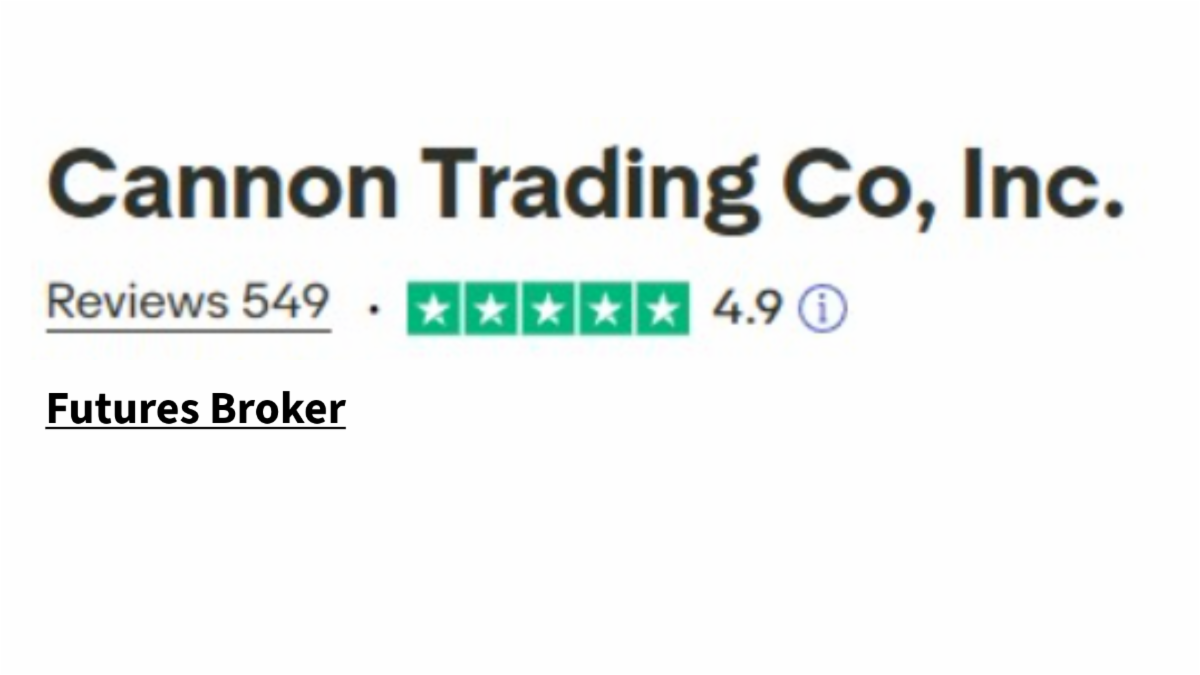
Additionally, positive feedback across platforms such as Trustpilot reinforces Cannon’s credibility. This external validation supports its standing as a top brokerage.
The firm’s reputation extends globally, making it a preferred choice for traders worldwide.
Why Cannon Trading Company Remains a Global Leader
Cannon Trading Company’s global appeal lies in its ability to combine local expertise with international reach. This balance is particularly beneficial for trading California clients.
Key strengths include:
- Decades of industry experience
- Advanced trading technology
- Personalized customer service
- Competitive pricing
- Global market access
These factors create a comprehensive trading environment. Traders are not limited by geography or resources.
For those focused on futures trading, Cannon provides a platform that supports growth, adaptability, and long-term success.
Its continued evolution ensures that it remains relevant in an ever-changing market landscape. Trading in California becomes more strategic and scalable when supported by a brokerage with this level of capability.
FAQ
- Why is trading California advantageous for futures traders?
California’s diverse economy influences multiple futures markets, including agriculture, technology, and energy. This creates numerous trading opportunities across sectors. - What is the benefit of trading in California specifically?
Trading in California offers access to global market hours, strong infrastructure, and proximity to key industries that influence futures pricing. - What makes Cannon Trading Company suitable for trading futures?
Cannon offers advanced platforms, competitive pricing, and personalized support. These features enhance efficiency and decision-making in futures trading. - How does Cannon support risk management?
The firm provides real-time monitoring tools, stop-loss functionality, and educational resources. These help traders manage exposure effectively. - Can I access global markets while trading California?
Yes, Cannon enables access to major exchanges like CME. This allows traders to diversify and participate in international markets. - Why has Cannon remained a top brokerage for decades?
Its combination of experience, technology, customer service, and global reach has sustained its leadership in futures trading.
Ready to start trading futures? Call us at 1(800)454-9572 (US) or (310)859-9572 (International), or email info@cannontrading.com to speak with one of our experienced, Series-3 licensed futures brokers and begin your futures trading journey with Cannon Trading Company today.
Disclaimer: Trading Futures, Options on Futures, and retail off-exchange foreign currency transactions involve substantial risk of loss and are not suitable for all investors. Past performance is not indicative of future results. Carefully consider if trading is suitable for you in light of your circumstances, knowledge, and financial resources. You may lose all or more of your initial investment. Opinions, market data, and recommendations are subject to change at any time.
Important: Trading commodity futures and options involves a substantial risk of loss. The recommendations contained in this article are opinions only and do not guarantee any profits. This article is for educational purposes. Past performances are not necessarily indicative of future results.
This article has been generated with the help of AI Technology and modified for accuracy and compliance.
Follow us on all socials: @cannontrading