|
||||||||||||||||||||||||||||||||||||||||||||||||||||||||||||||||||||||||||||||||||||||||||||||||||
|
||||||||||||||||||||||||||||||||||||||||||||||||||||||||||||||||||||||||||||||||||||||||||||||||||
|
- automated futures trading (1)
- Bitcoin Futures (114)
- Charts & Indicators (310)
- Commodity Brokers (596)
- commodity futures (1)
- Commodity Trading (852)
- copper futures contract (3)
- Corn Futures (68)
- Crude Oil (248)
- Currency Futures (103)
- Day Trading (665)
- Day Trading Webinar (61)
- dow jones industrials futures (1)
- E-Mini Futures (165)
- Economic Trading (166)
- Energy Futures (132)
- Financial Futures (189)
- Future Trading News (3,230)
- Future Trading Platform (331)
- Futures Broker (666)
- futures brokers (1)
- Futures Exchange (347)
- Futures trade copier (1)
- Futures Trading (1,274)
- futures trading algo trading systems (1)
- futures trading education (449)
- futures trading indicators (2)
- Gold Futures (114)
- Grain Futures (106)
- Index Futures (271)
- Indices (233)
- institutional futures trading platforms (3)
- Metal Futures (146)
- Nasdaq (79)
- Natural Gas (40)
- Options Trading (196)
- S&P 500 (149)
- trading futures (10)
- Trading Guide (465)
- Trading Webinar (60)
- Trading Wheat Futures (46)
- tradingview trading platform (2)
- Uncategorized (26)
- Weekly Newsletter (240)
- wheat futures (1)
Author: Cannon Operations





Wheat Futures
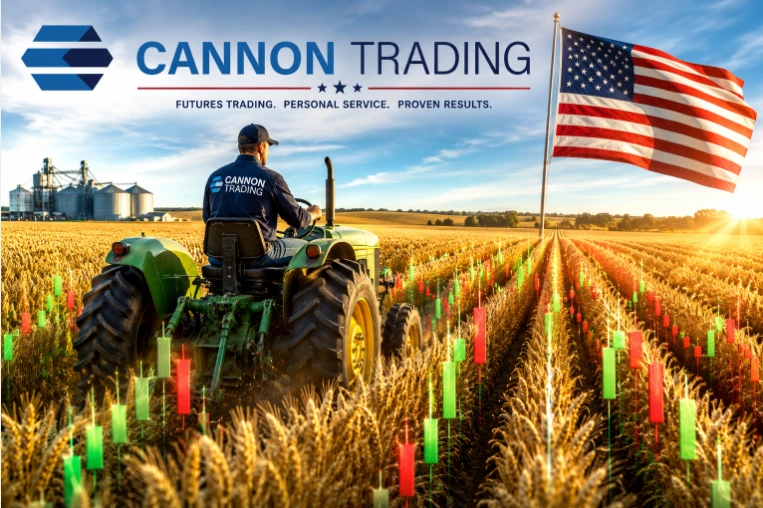
Wheat Futures
Top 10 Reasons Traders Rely on Wheat Futures for Consistent Market Opportunities
Wheat has been one of the world’s most actively traded agricultural commodities for generations. From commercial grain producers to experienced speculators, participants continually return to wheat futures because the market offers liquidity, volatility, transparent pricing, and meaningful trading opportunities throughout the year.
Whether responding to weather events, export demand, currency fluctuations, or government reports, wheat markets rarely remain stagnant for long. Combined with professional brokerage support and advanced technology from Cannon Trading Company, traders gain access to an environment designed to support informed decision-making and efficient execution.
Below are ten major reasons traders continue choosing wheat futures as an important component of their overall futures trading strategy.
1. Consistent Market Liquidity
Liquidity remains one of the greatest strengths of wheat futures.
Highly liquid markets generally provide:
- Efficient order execution
- Competitive bid/ask spreads
- Large daily trading volume
- Multiple trading opportunities
- Greater flexibility entering and exiting positions
Commercial hedgers, institutional participants, proprietary firms, and retail traders all contribute to active daily participation.
The CME’s wheat contracts provide centralized price discovery, allowing traders to react quickly to changing market conditions while reducing concerns associated with thinly traded products.
2. Weather Creates Reliable Trading Opportunities
Few markets respond to weather as dramatically as agricultural commodities.
Seasonal weather events influence:
- Planting progress
- Crop emergence
- Growing conditions
- Harvest quality
- Global supply expectations
Droughts across North America, excessive rainfall in Europe, or unfavorable growing conditions throughout the Black Sea region can rapidly influence prices.
Rather than representing random volatility, these movements often stem from measurable supply-and-demand changes that experienced traders monitor closely.
3. Global Demand Supports Continuous Price Discovery
Wheat is consumed virtually everywhere.
Demand comes from:
- Food manufacturers
- Flour mills
- Exporters
- Livestock producers
- Government purchasing agencies
Since consumption occurs every day, global pricing remains active throughout the year.
Economic reports, export inspections, USDA data, international tenders, and currency movements all contribute to continuous price discovery that attracts professional market participants.
4. Seasonal Patterns Offer Planning Advantages
Agricultural markets often display recurring seasonal tendencies.
Experienced traders monitor:
- Spring planting
- Growing season developments
- Harvest expectations
- Export cycles
- Storage trends
Although seasonal tendencies never guarantee future performance, understanding historical patterns provides additional context when evaluating market conditions.
Many traders build seasonal research into their overall futures trading plans alongside technical and fundamental analysis.
5. Excellent Technical Analysis Characteristics
Many traders appreciate wheat futures because charts frequently respond well to established technical analysis techniques.
Common tools include:
- Moving averages
- Support and resistance
- Trend channels
- Fibonacci retracements
- Volume analysis
Because numerous professional participants watch similar price levels, technical areas often become meaningful reference points for trade planning and risk management.
This combination of technical structure and fundamental catalysts creates an attractive environment for experienced market participants.
6. Numerous Fundamental Market Drivers
Unlike markets driven primarily by corporate earnings or interest rates, wheat pricing reflects a wide collection of independent variables.
Major influences include:
- USDA reports
- Weather forecasts
- Export sales
- Currency exchange rates
- Government policy
- Global inventories
- Transportation costs
- International conflicts
- Fertilizer prices
- Competing crop production
These ongoing developments create fresh information throughout the calendar year, providing traders with numerous opportunities to reassess market direction.
7. Valuable Diversification
Many portfolios concentrate heavily on equity indexes.
Agricultural commodities often respond differently than stock markets.
Because wheat pricing depends primarily upon agricultural supply and worldwide consumption rather than corporate earnings, some traders incorporate wheat futures to broaden exposure across multiple asset classes.
Diversification does not eliminate risk, but it may reduce reliance upon any single market sector.
8. Transparent Exchange-Traded Pricing
The CME provides centralized trading with standardized contract specifications.
Benefits include:
- Public pricing
- Standard contract sizes
- Uniform trading rules
- Central clearing
- Reliable execution standards
Market participants can observe identical pricing information regardless of their brokerage relationship.
This transparency helps support confidence in market integrity while improving overall trading efficiency.
9. Opportunities During Changing Market Conditions
Some markets remain range-bound for extended periods.
Agricultural commodities often experience meaningful directional movement driven by changing fundamentals.
Unexpected developments can include:
- Crop damage
- Export restrictions
- Disease outbreaks
- Government policy changes
- Weather surprises
These events frequently generate increased trading activity and expanded price movement.
Many experienced traders appreciate markets capable of producing opportunities in both rising and falling environments.
10. Long-Term Historical Relevance
Few commodities possess the historical importance of wheat.
For generations, wheat has remained one of the world’s foundational agricultural products.
Its importance within global food production ensures continued participation from commercial firms, processors, exporters, producers, and speculative traders.
That broad participation helps sustain active markets while supporting long-term confidence in continued exchange activity.
How Cannon Trading Company Supports Wheat Traders
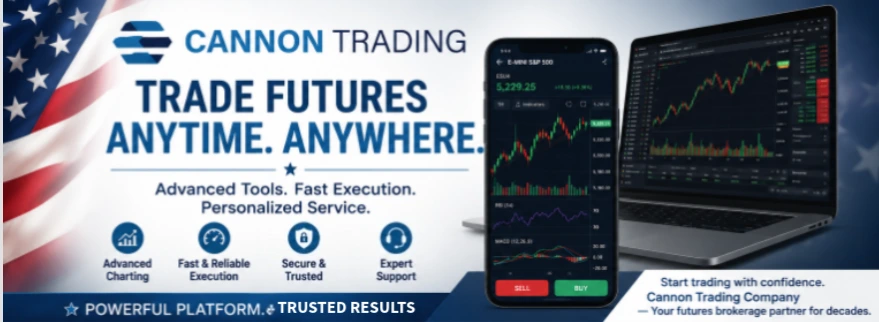
Technology plays an increasingly important role in successful market participation.
Cannon Trading Company offers a broad selection of professional trading platforms designed to accommodate different trading styles.
Available solutions support:
- Desktop trading
- Mobile trading
- Web-based access
- Advanced charting
- DOM trading
- Bracket orders
- OCO functionality
- Technical indicators
- Automated trading compatibility
- Real-time market analysis
A short-term scalper may prefer rapid DOM execution.
A swing trader may prioritize sophisticated chart analysis.
An automated system developer may require platform compatibility for algorithmic strategies.
Rather than forcing every client into one software package, Cannon Trading Company offers multiple platform choices so traders can select the environment matching their objectives.
This flexibility accommodates new traders while also supporting experienced professionals with highly specialized requirements.
Professional Broker Support Matters
Technology alone rarely answers every question.
Experienced brokers remain valuable during changing market conditions.
Cannon Trading Company has served futures traders since 1988 as an independent introducing broker.
Clients benefit from knowledgeable assistance regarding:
- Platform selection
- Contract specifications
- Order entry
- Margin requirements
- Exchange procedures
- Risk management discussions
Instead of relying exclusively on automated systems, traders can communicate with professionals possessing decades of futures industry experience.
This client-focused approach continues attracting traders worldwide.
Why Opening an Account Is Straightforward
Beginning a new trading relationship should not become unnecessarily complicated.
Cannon Trading Company has streamlined its account opening process while maintaining regulatory compliance.
The process generally includes:
- Completing an online application.
- Selecting an appropriate trading platform.
- Submitting required identification.
- Funding the account.
- Receiving platform credentials.
- Beginning market access after approval.
Applicants receive guidance throughout each stage.
Questions regarding documentation, platform selection, or funding methods can be answered directly by experienced representatives.
This personalized assistance helps reduce unnecessary delays while ensuring regulatory requirements remain satisfied.
Why Traders Continue Choosing Cannon Trading Company
Longevity matters within financial services.
Cannon Trading Company has built its reputation over decades by emphasizing customer service, technology, education, and broker accessibility.
Reasons many traders continue choosing Cannon Trading Company include:
- Established since 1988
- Multiple professional trading platforms
- Responsive broker support
- Educational resources
- Competitive technology offerings
- Extensive futures market experience
- Access to numerous futures exchanges
- Flexible platform choices
- Strong client service reputation
- Excellent Trustpilot reviews
Clients also benefit from educational materials, market commentary, platform demonstrations, and broker guidance designed to help traders better understand evolving market conditions.
Whether trading agricultural commodities, stock indexes, metals, energy products, or financial futures, the firm’s infrastructure accommodates a wide variety of trading styles.
Markets constantly evolve, yet wheat continues serving as one of the world’s most actively monitored agricultural commodities.
From weather-driven volatility and worldwide demand to seasonal tendencies and transparent exchange pricing, wheat futures remain attractive for traders seeking markets supported by meaningful economic fundamentals.
When combined with the professional support, advanced platform selection, streamlined onboarding process, and decades of industry experience available through Cannon Trading Company, traders gain access to a brokerage environment built around long-term client success.
For both newer participants and experienced professionals, combining disciplined risk management with quality brokerage services creates a stronger foundation for participating confidently in today’s global futures markets.
Frequently Asked Questions
What makes wheat an attractive futures market?
Wheat responds to weather, global demand, exports, government reports, and seasonal production cycles, creating frequent price movement and active participation.
Where are wheat contracts traded?
Major wheat contracts are listed by the CME, providing centralized pricing, standardized contracts, and transparent market access.
Can beginners trade wheat?
New traders can participate after learning contract specifications, risk management principles, and market fundamentals. Many begin with education and simulated trading before risking capital.
Why choose Cannon Trading Company?
Cannon Trading Company has served futures traders since 1988, offering multiple professional trading platforms, experienced broker support, educational resources, and a streamlined account opening experience.
What trading platforms are available?
Cannon Trading Company provides multiple desktop, web-based, and mobile platforms featuring charting, order management, technical analysis, DOM trading, and advanced order functionality.
Does futures trading involve risk?
Yes. Futures trading involves substantial risk and is not appropriate for every investor. Proper education, disciplined risk management, and understanding contract specifications are essential before trading.
Ready to start trading futures? Call us at 1(800)454-9572 (US) or (310)859-9572 (International), or email info@cannontrading.com to speak with one of our experienced, Series-3 licensed futures brokers and begin your futures trading journey with Cannon Trading Company today.
Disclaimer: Trading Futures, Options on Futures, and retail off-exchange foreign currency transactions involve substantial risk of loss and are not suitable for all investors. Past performance is not indicative of future results. Carefully consider if trading is suitable for you in light of your circumstances, knowledge, and financial resources. You may lose all or more of your initial investment. Opinions, market data, and recommendations are subject to change at any time.
Important: Trading commodity futures and options involves a substantial risk of loss. The recommendations contained in this article are opinions only and do not guarantee any profits. This article is for educational purposes. Past performances are not necessarily indicative of future results.
This article has been generated with the help of AI Technology and modified for accuracy and compliance.
Follow us on all socials: @cannontrading
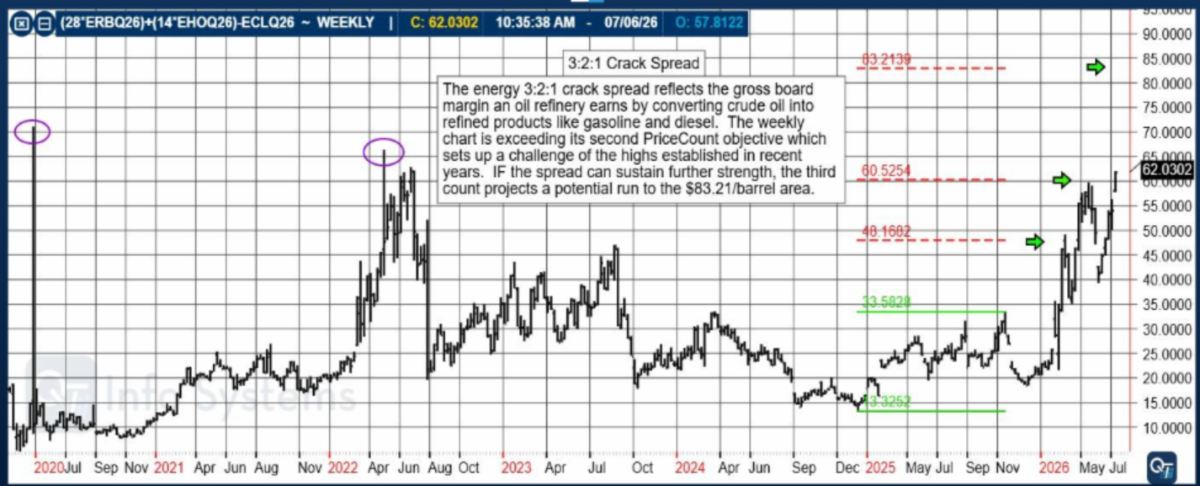
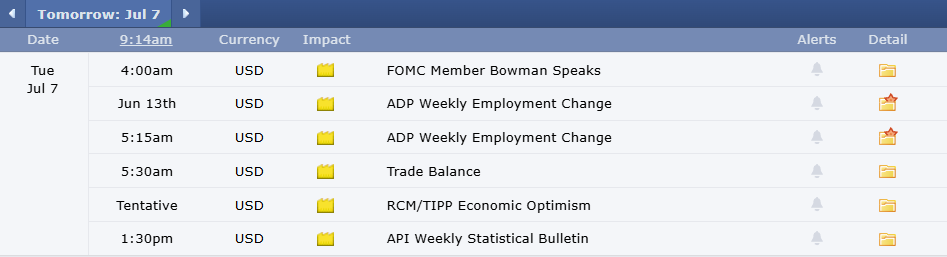
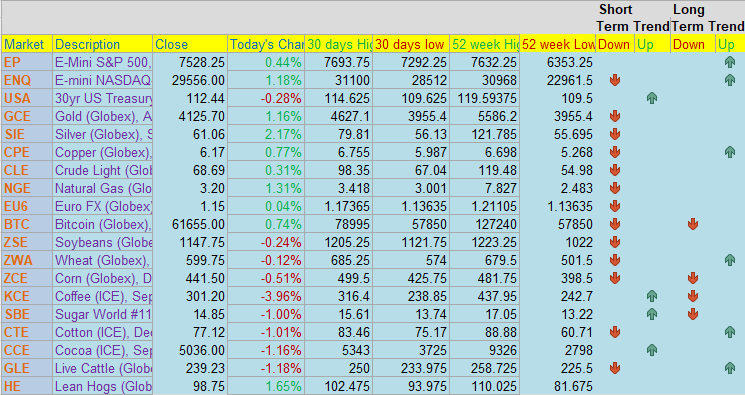
Futures: Rotation, Not Retreat PLUS: PHLX/KOSPI/SOX, 3:2:1 Crack Spread, Levels, Reports; Your 7 Important Can’t-Miss Need-To-Knows for Trading Futures on July 7th, 2026
|
|||||||||||||||||||||||||||||||||||||||||||||||||
|
|||||||||||||||||||||||||||||||||||||||||||||||||
|
Happy 4th of July (Eve)! PLUS: The Week Ahead, CannonEdge Snapshot, Levels, Reports; Your 4 Important Can’t-Miss Need-To-Knows for Trading Futures the Week of July 6th, 2026
|
|||||||||||||||||||||||||||||||||||||||||||||||||||||||||||||||||||||||||||||||||||||||||||||
|
|||||||||||||||||||||||||||||||||||||||||||||||||||||||||||||||||||||||||||||||||||||||||||||
|

Corn Futures
Corn Futures
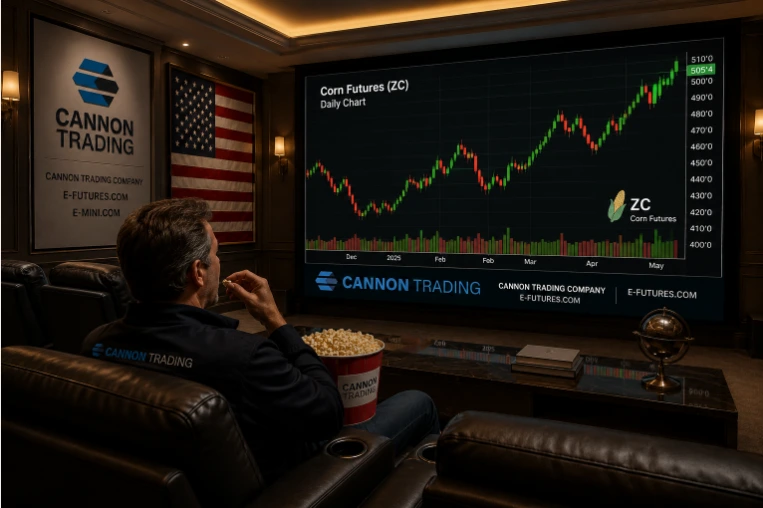
Top 10 Reasons Professional Traders and Hedgers Value This Essential Agricultural Market
Corn is one of the world’s most actively traded agricultural commodities, making corn futures a cornerstone of price discovery and risk management for farmers, commercial grain firms, ethanol producers, livestock operations, institutional traders, and professional speculators. Listed by the CME Group, these contracts provide centralized liquidity, transparent pricing, and nearly around-the-clock market access.
Whether market participants are protecting cash positions or seeking opportunity from changing supply and demand conditions, corn futures continue to play an indispensable role in global agriculture. As weather, exports, biofuel demand, interest rates, and global trade policies evolve throughout 2026, traders are expected to remain highly focused on this market.
Equally important is choosing a brokerage that understands agricultural markets. Cannon Trading Company has spent decades serving futures traders by providing experienced broker support, advanced trading platforms, competitive execution, and educational resources designed for traders of every experience level.
Why Professional Traders Continue to Choose Corn Markets
Professional traders appreciate markets that combine liquidity, transparency, and measurable fundamentals. Corn offers all three.
Unlike many financial instruments driven primarily by investor sentiment, agricultural contracts often respond to measurable variables such as acreage, weather conditions, USDA reports, exports, inventory levels, and seasonal planting cycles.
This creates numerous opportunities for both hedgers and active traders.
1. Exceptional Liquidity
One of the biggest attractions is liquidity.
Professional traders generally prefer markets where orders can be entered and exited efficiently.
Benefits include:
- Narrower bid/ask spreads
- Faster order execution
- Greater flexibility during volatile conditions
- Reduced slippage
- Better price discovery
The CME marketplace has developed into one of the deepest agricultural futures exchanges worldwide, attracting participants from virtually every segment of the grain industry.
2. Outstanding Hedging Opportunities
Commercial users rely heavily on futures markets.
Examples include:
- Farmers locking in crop prices before harvest
- Feedlots managing feed costs
- Ethanol producers reducing pricing uncertainty
- Grain elevators managing inventories
- Exporters reducing basis risk
Rather than attempting to predict future cash prices, many commercial participants use futures contracts to help stabilize operating margins.
This risk management function remains one of agriculture’s greatest financial innovations.
3. Weather Creates Continuous Trading Opportunities
Agricultural commodities remain uniquely sensitive to weather.
Examples include:
- Drought
- Excess rainfall
- Early frost
- Heat stress
- Hurricane impacts on exports
Weather forecasts can dramatically change market expectations within hours.
Professional traders closely monitor changing forecasts throughout the growing season, creating significant trading activity.
4. Clearly Defined Seasonal Trends
Unlike many financial markets, agriculture often follows recognizable seasonal tendencies.
Historical patterns frequently develop around:
- Planting progress
- Pollination
- Harvest
- Export demand
- USDA acreage reports
Although no seasonal pattern guarantees future performance, experienced traders often incorporate seasonal analysis alongside technical and fundamental research.
5. Transparent Fundamental Data
Another major strength is the abundance of publicly available information.
Market participants regularly analyze:
- USDA WASDE reports
- Crop Progress reports
- Grain Stocks reports
- Export Sales reports
- Acreage estimates
This transparency allows both institutions and individual traders to evaluate identical information simultaneously, promoting fair price discovery.
6. Global Supply and Demand Influence
Corn has become an increasingly international commodity.
Demand originates from:
- Livestock producers
- Food manufacturers
- Ethanol facilities
- Export buyers
- Industrial users
Likewise, production from major exporting nations influences global pricing.
Professional traders constantly monitor international developments alongside domestic production.
7. Strong Volatility During Key Reports
Volatility often increases around scheduled government reports.
Examples include:
- WASDE
- Prospective Plantings
- Quarterly Grain Stocks
- Acreage
- Crop Production
Professional traders frequently prepare detailed risk management plans before these releases because prices may move rapidly immediately following new information.
8. Diverse Trading Strategies
Agricultural futures support numerous professional strategies.
Examples include:
- Directional trading
- Spread trading
- Calendar spreads
- Intermarket spreads
- Hedging
This flexibility allows traders to tailor strategies according to their market outlook and risk tolerance.
9. Efficient Capital Usage
Futures trading uses margin rather than requiring payment of the full underlying commodity value.
This allows market participants to efficiently allocate capital while maintaining exposure to changing prices.
However, leverage increases both potential gains and potential losses, making disciplined risk management essential.
Professional traders typically employ stop-loss orders, position sizing, and predefined risk parameters.
10. Extensive Historical Market Data
Corn has one of the longest and most thoroughly studied trading histories in agriculture.
This provides analysts with decades of:
- Price history
- Seasonal tendencies
- Technical patterns
- Volatility statistics
- Fundamental relationships
Professional traders frequently combine historical analysis with modern charting software to improve market preparation.
Expected Trends During the Second Half of 2026
While no one can predict future prices with certainty, several themes are expected to remain important during the second half of 2026.
First, weather will continue driving volatility through harvest.
Late-season rainfall, temperature patterns, and yield estimates can quickly alter production expectations.
Second, export demand will remain closely watched.
International purchasing activity frequently influences inventory projections and overall market sentiment.
Third, ethanol demand continues representing an important consumption component.
Changes in energy prices and fuel consumption may influence corn usage throughout the remainder of the year.
Fourth, livestock feeding demand remains another significant factor.
Changes in cattle, hog, and poultry production directly affect grain consumption.
Finally, traders will closely monitor USDA reports for revised acreage, yield estimates, ending stocks, and production forecasts.
Each report has the potential to reshape market expectations significantly.
Professional traders typically combine these evolving fundamentals with technical analysis rather than relying upon any single indicator.
How Cannon Trading Company Complements Your Trading Experience
Selecting the proper brokerage can be just as important as selecting the right trading strategy.
Cannon Trading Company has served futures traders since 1988 while developing a reputation for personalized customer support and extensive market experience.
Several characteristics distinguish the firm.
- Experienced Futures Brokers
Clients gain access to knowledgeable professionals who understand agricultural futures markets and can assist with platform selection, order entry questions, and general market education.
- Multiple Professional Trading Platforms
Clients can choose from several professional platforms designed for different trading styles, including advanced charting, DOM trading, spread trading, and mobile accessibility.
- Personalized Service
Unlike many firms emphasizing automated call centers, Cannon Trading Company has built its reputation on responsive broker accessibility and individualized client support.
- Educational Resources
Educational materials help traders better understand:
- Order types
- Risk management
- Platform functionality
- Agricultural futures
- Trading strategies
Learning remains an ongoing process regardless of trading experience.
- Competitive Market Access
Clients receive access to numerous global futures exchanges through modern electronic execution technology.
This broad market availability supports diversified trading opportunities beyond agriculture.
- Flexible Platform Selection
Every trader has unique preferences.
Some prioritize advanced charting.
Others focus on order-entry speed.
Others require mobile functionality.
Providing multiple platform choices allows traders to customize their trading environment.
- Technology Designed for Active Traders
Professional-grade platforms support:
- Advanced charts
- Custom indicators
- Bracket orders
- OCO orders
- Real-time market monitoring
Technology continues playing an increasingly important role in efficient execution.
- Long-Term Industry Reputation
Having served futures traders for decades, Cannon Trading Company has built longstanding relationships through consistency, professionalism, and client-focused service.
Its longevity reflects continuous adaptation to evolving markets while maintaining personalized support.
Why Many Futures Traders Continue Choosing Cannon Trading Company
Several reasons explain why traders continue selecting Cannon Trading Company.
- Decades of futures brokerage experience
- Responsive broker support
- Multiple professional trading platforms
- Agricultural market familiarity
- Educational commitment
- Broad exchange access
- Modern trading technology
- Strong client service reputation
- Competitive execution capabilities
- Long-established presence within the futures industry
Many traders value knowing experienced professionals remain available when questions arise regarding markets, platforms, or order execution.
Risk Management Remains Essential
Even highly liquid agricultural markets involve substantial risk.
Professional traders frequently emphasize:
- Position sizing
- Stop-loss discipline
- Diversification
- Emotional control
- Written trading plans
Long-term consistency generally depends more upon disciplined risk management than predicting every market movement correctly.
This principle remains particularly important during periods of elevated volatility surrounding major USDA reports or unexpected weather developments.
Conclusion
Corn remains one of the world’s most strategically important agricultural commodities, and its futures market continues attracting commercial hedgers, institutional investors, and professional traders alike. Liquidity, transparent pricing, seasonal tendencies, measurable fundamentals, and global participation combine to create a market offering numerous opportunities for both risk management and speculation.
As the second half of 2026 unfolds, traders are expected to closely monitor weather developments, USDA reports, export demand, ethanol consumption, and livestock feeding trends. While future price direction cannot be guaranteed, these factors will likely remain central drivers of market activity.
Choosing an experienced brokerage also contributes meaningfully to the overall trading experience. Cannon Trading Company complements agricultural traders through knowledgeable broker support, multiple professional trading platforms, educational resources, personalized service, and decades of experience serving futures traders worldwide. For traders seeking both technology and experienced human support, Cannon Trading Company continues to stand among the industry’s respected brokerage firms.
Frequently Asked Questions
- What are corn futures?
Corn futures are standardized futures contracts listed by the CME that allow buyers and sellers to establish a future price for corn, helping facilitate both price discovery and risk management.
- Who primarily uses corn futures?
Participants include farmers, grain elevators, ethanol producers, livestock companies, commodity funds, institutional investors, proprietary trading firms, and individual futures traders.
- What factors influence corn prices the most?
Major influences include weather, USDA reports, acreage, yields, exports, ethanol demand, livestock feed demand, global production, and overall supply-and-demand expectations.
- Why do professional traders like agricultural futures?
Agricultural markets provide measurable fundamentals, seasonal behavior, high liquidity, and significant volatility during important crop reports.
- How does Cannon Trading Company support agricultural traders?
Cannon Trading Company offers experienced broker support, multiple professional trading platforms, educational resources, personalized customer service, and access to numerous global futures exchanges.
Ready to start trading futures? Call us at 1(800)454-9572 (US) or (310)859-9572 (International), or email info@cannontrading.com to speak with one of our experienced, Series-3 licensed futures brokers and begin your futures trading journey with Cannon Trading Company today.
Disclaimer: Trading Futures, Options on Futures, and retail off-exchange foreign currency transactions involve substantial risk of loss and are not suitable for all investors. Past performance is not indicative of future results. Carefully consider if trading is suitable for you in light of your circumstances, knowledge, and financial resources. You may lose all or more of your initial investment. Opinions, market data, and recommendations are subject to change at any time.
Important: Trading commodity futures and options involves a substantial risk of loss. The recommendations contained in this article are opinions only and do not guarantee any profits. This article is for educational purposes. Past performances are not necessarily indicative of future results.
This article has been generated with the help of AI Technology and modified for accuracy and compliance.
Follow us on all socials: @cannontrading
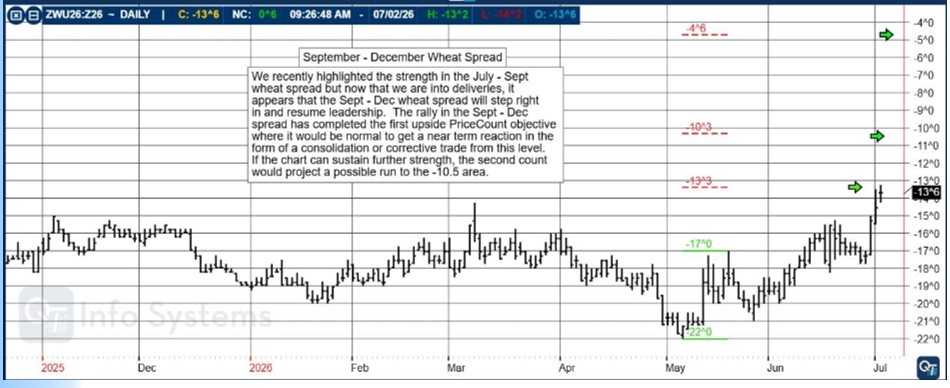
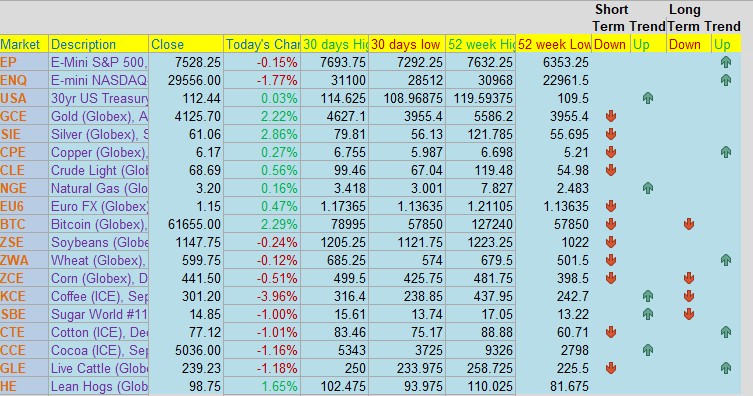
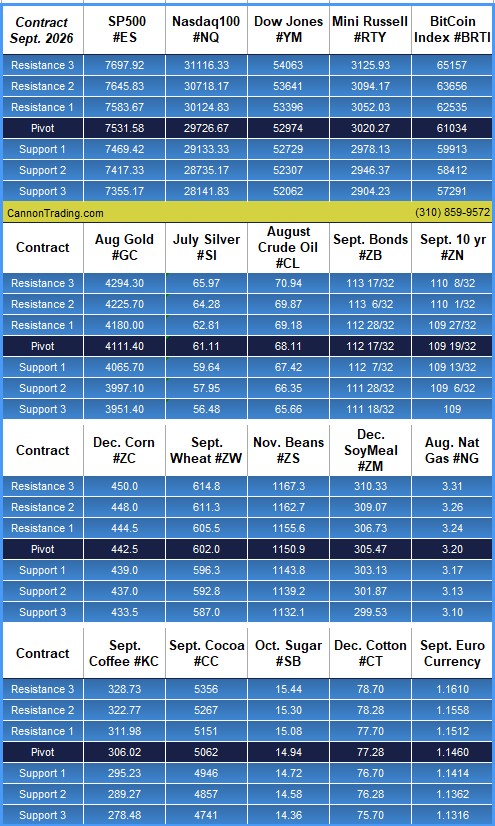
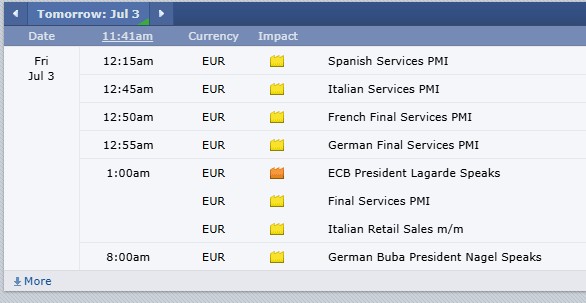
Happy 250th, USA! PLUS: July 4th Trading Schedule, September – December Wheat Spread, CannonEdge Snapshot, Pre-Market Briefing TEXT & PODCAST, Levels, Reports; Your 7 Important Can’t-Miss Need-To-Knows for Trading Futures on July 3rd, 2026
|
||||||||||||||||||||||||||||||||||||||||||||||||||||||||||||||||||||||||||||||||||||||||||||||||||||
|
||||||||||||||||||||||||||||||||||||||||||||||||||||||||||||||||||||||||||||||||||||||||||||||||||||
|

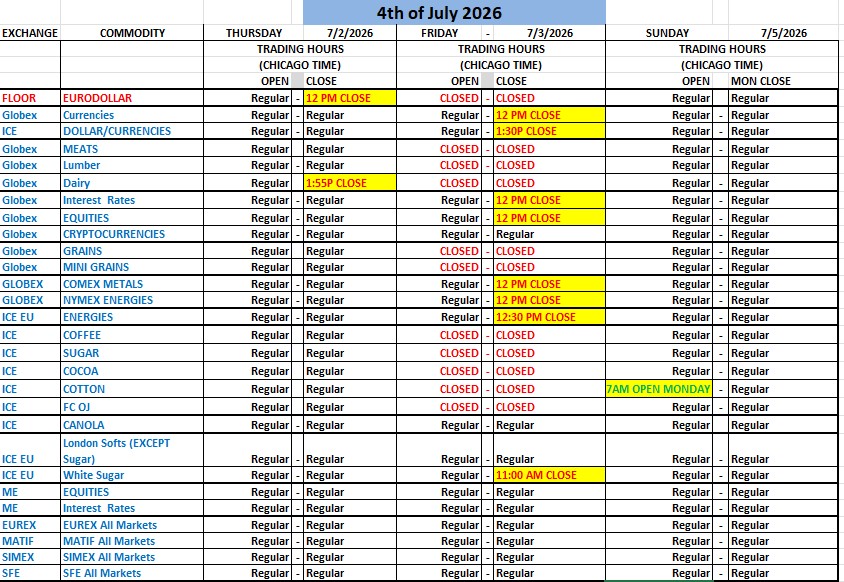
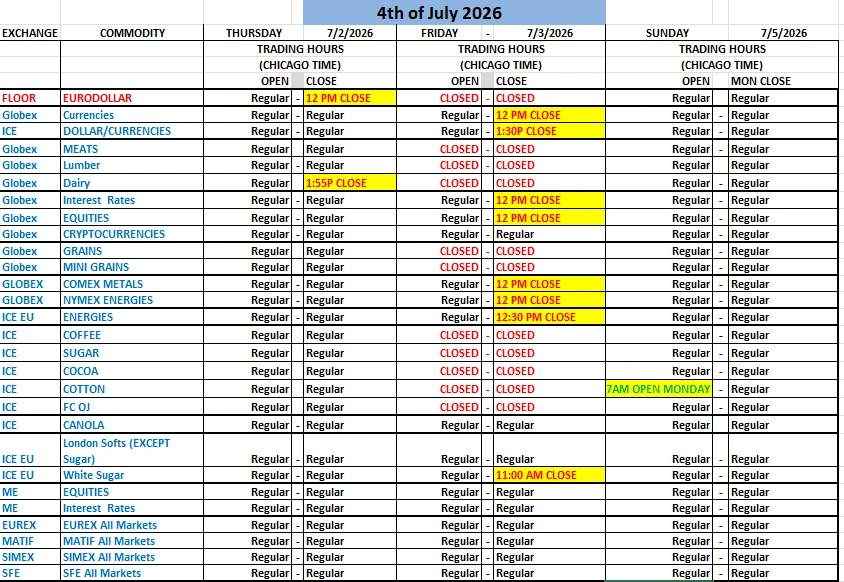
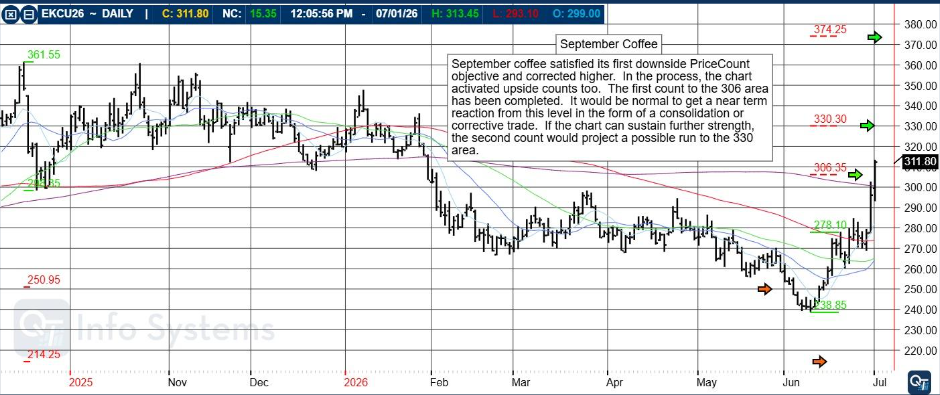
Non-Farm Payrolls (NFP) TODAY 7:30 AM CT PLUS: July 4th Trading Hours, Pre-Market Briefing TEXT & PODCAST, September Coffee, CannonEdge Snapshot, Levels, Reports; Your 7 Important Can’t-Miss Need-To-Knows for Trading Futures on July 2nd, 2026
|
|||||||||||||||||||||||||||||||||||||||||||||||||||||||||||||||||||||||||||||||||||||||||||||||||
|
|||||||||||||||||||||||||||||||||||||||||||||||||||||||||||||||||||||||||||||||||||||||||||||||||
|
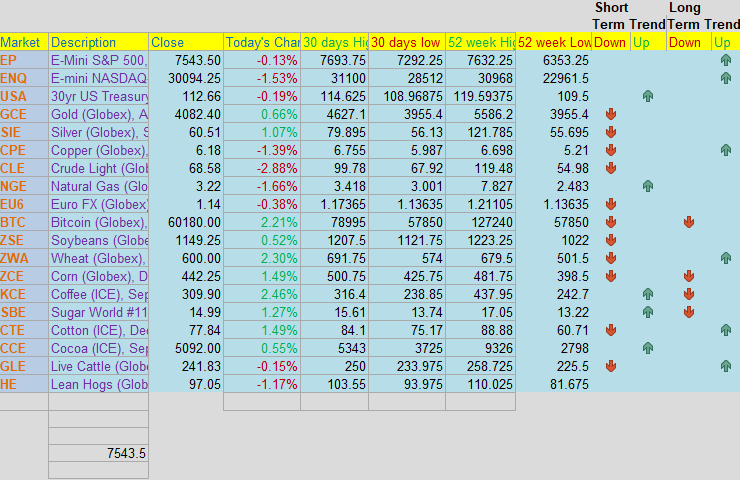
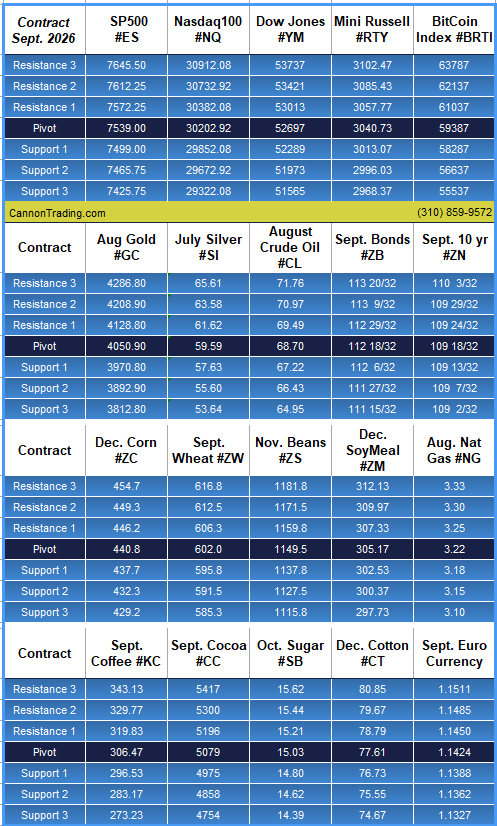
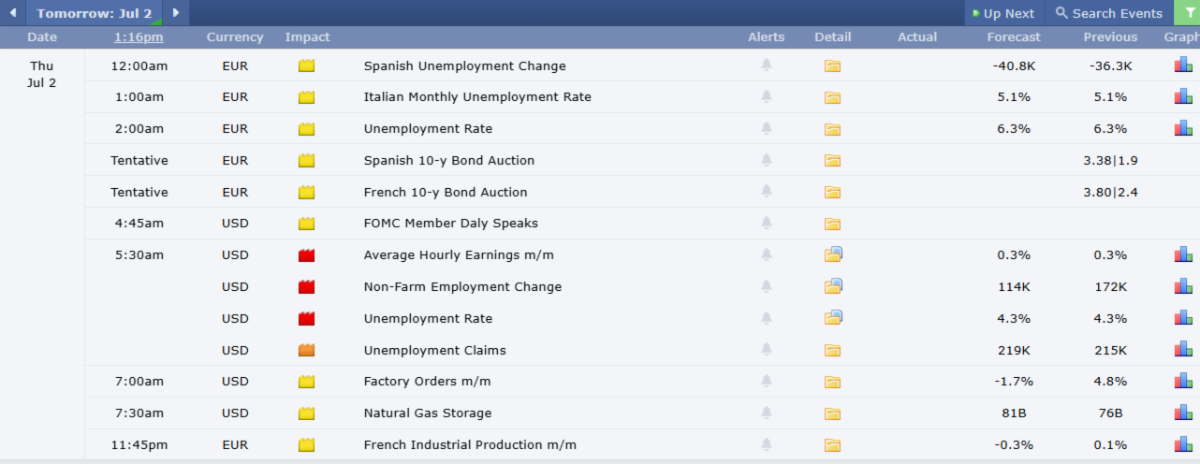
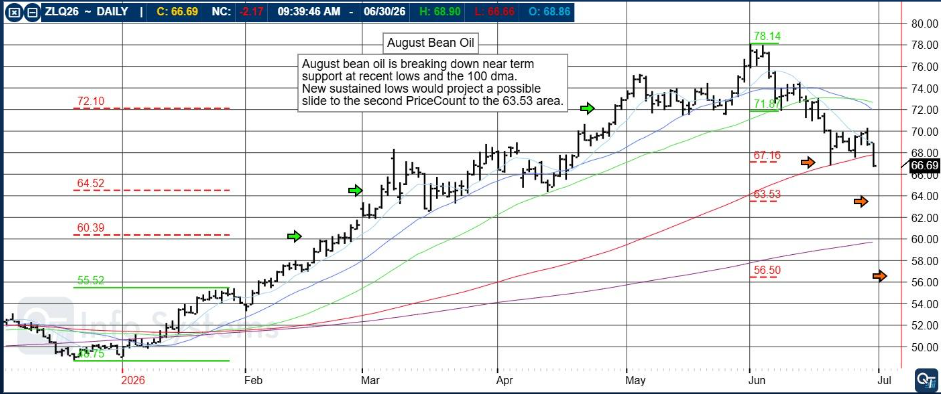
August Bean Oil PLUS: July 4th TRADING HOURS, Pre-Market Briefing TEXT & PODCAST, CannonEdge Snapshot, Levels, Reports; Your 5 Important Can’t Miss Need-To-Knows for Trading Futures on July 1st, 2026
|
||||||||||||||||||||||||||||||||||||||||||||||||||||||||||||||||||||||||||||||||||||||||||||||||
|
||||||||||||||||||||||||||||||||||||||||||||||||||||||||||||||||||||||||||||||||||||||||||||||||
|

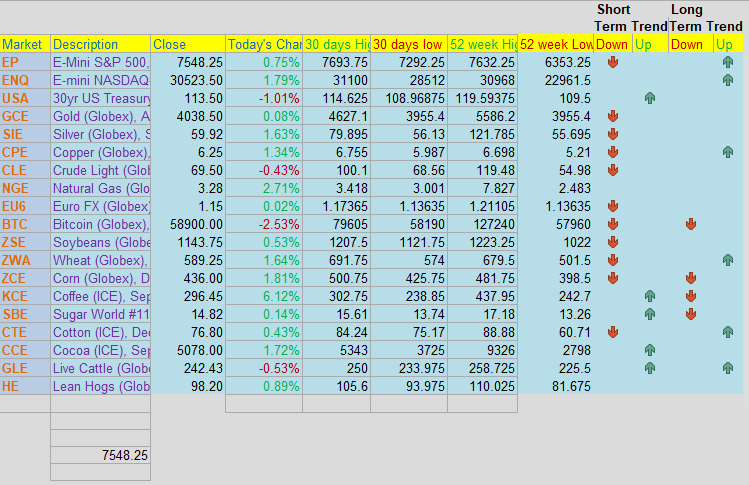
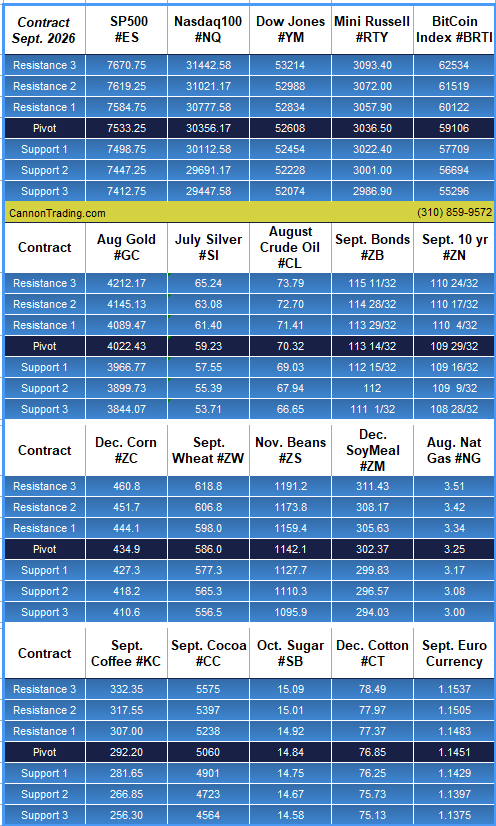
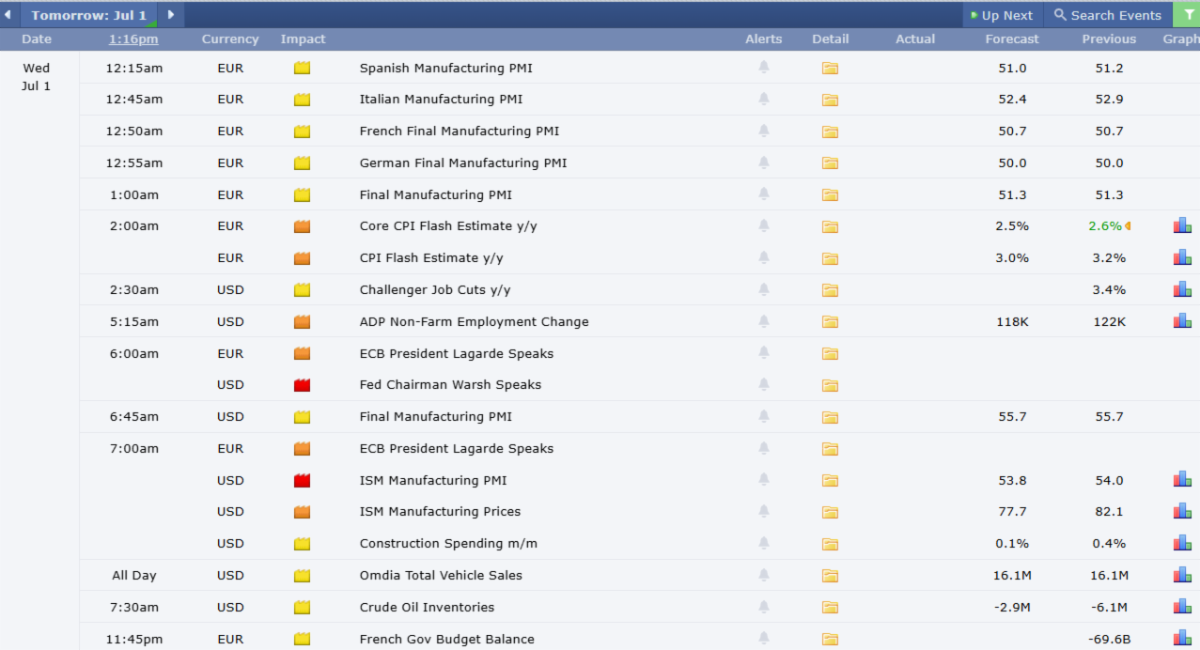
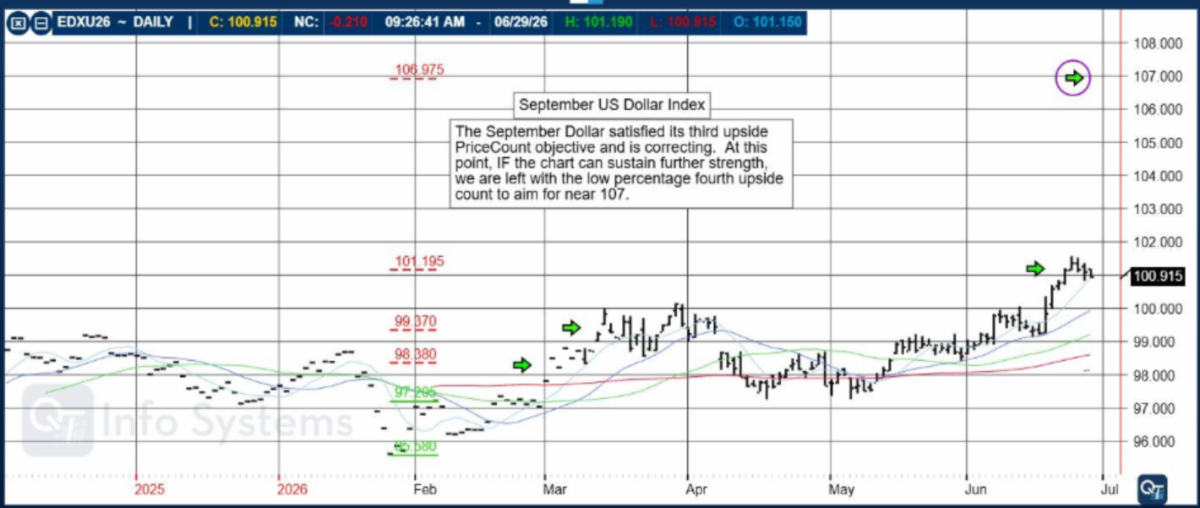
Pre-Market Briefing PLUS: September US Dollar Index, CannonEdge Snapshot, Levels, Reports; Your 5 Important Can’t-Miss Need-To-Knows for Trading Futures on June 30th, 2026
|
||||||||||||||||||||||||||||||||||||||||||||||||||||||||||||||||||||||||||||||||||||||||||||||||
|
||||||||||||||||||||||||||||||||||||||||||||||||||||||||||||||||||||||||||||||||||||||||||||||||
|

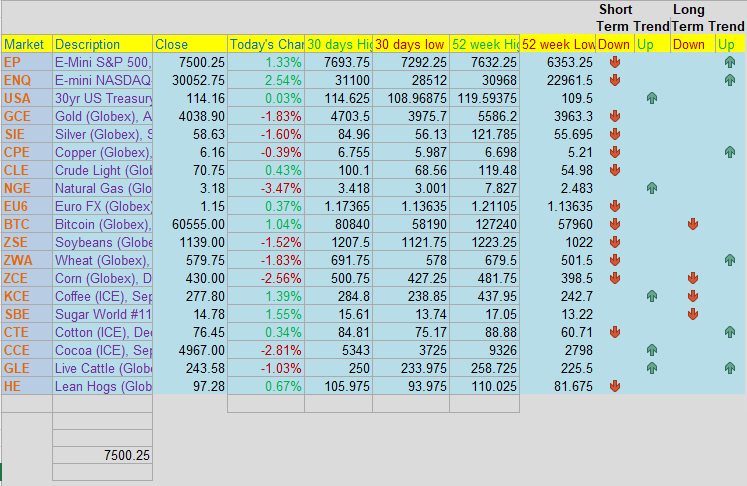
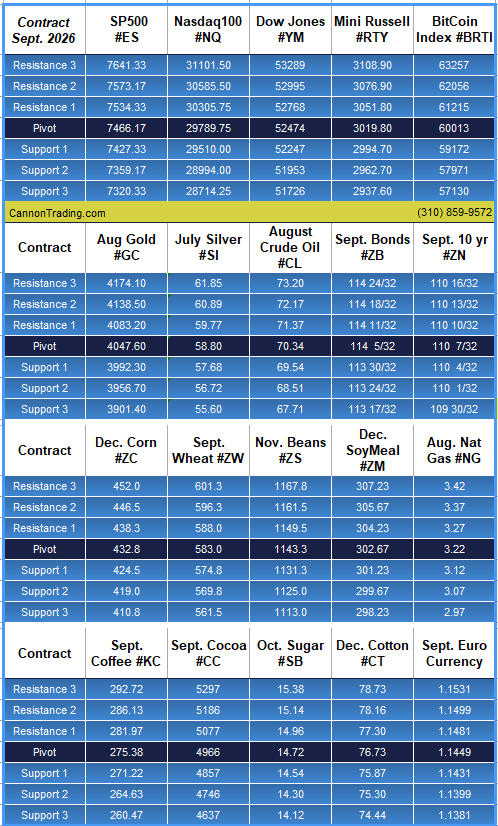
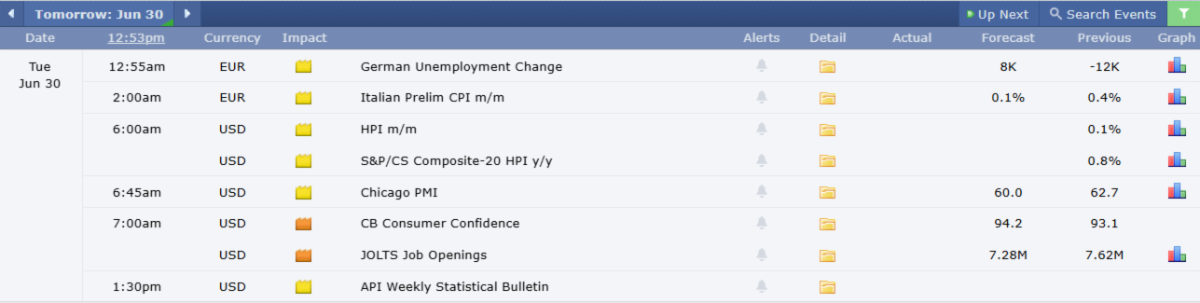
Iran, Crude Oil, NFP PLUS: 4th of July Trading Hours, Futures 102, Options 303 – Short Straddle, September Midwest Wheat Spread, CannonEdge Snapshot, Levels, Reports; What YOU Need to Know Before Trading Futures the Week of June 29th, 2026
|
|||||||||||||||||||||||||||||||||||||||||||||||||||||||||||||||||||||||||||||||||||||||||||||||||||||||||||||||||||||||||||||
|
|||||||||||||||||||||||||||||||||||||||||||||||||||||||||||||||||||||||||||||||||||||||||||||||||||||||||||||||||||||||||||||
|

- July 2026
- June 2026
- May 2026
- April 2026
- March 2026
- February 2026
- January 2026
- December 2025
- November 2025
- October 2025
- September 2025
- August 2025
- July 2025
- June 2025
- May 2025
- April 2025
- March 2025
- February 2025
- January 2025
- December 2024
- November 2024
- October 2024
- September 2024
- August 2024
- July 2024
- June 2024
- May 2024
- April 2024
- March 2024
- February 2024
- January 2024
- December 2023
- November 2023
- October 2023
- September 2023
- August 2023
- July 2023
- June 2023
- May 2023
- April 2023
- March 2023
- February 2023
- January 2023
- December 2022
- November 2022
- October 2022
- September 2022
- August 2022
- July 2022
- June 2022
- May 2022
- April 2022
- March 2022
- February 2022
- January 2022
- December 2021
- November 2021
- October 2021
- September 2021
- August 2021
- July 2021
- June 2021
- May 2021
- April 2021
- March 2021
- February 2021
- January 2021
- December 2020
- November 2020
- October 2020
- September 2020
- August 2020
- July 2020
- June 2020
- May 2020
- April 2020
- March 2020
- February 2020
- January 2020
- December 2019
- November 2019
- October 2019
- September 2019
- August 2019
- July 2019
- June 2019
- May 2019
- April 2019
- March 2019
- February 2019
- January 2019
- December 2018
- November 2018
- October 2018
- September 2018
- August 2018
- July 2018
- June 2018
- May 2018
- April 2018
- March 2018
- February 2018
- January 2018
- December 2017
- November 2017
- October 2017
- September 2017
- August 2017
- July 2017
- June 2017
- May 2017
- April 2017
- March 2017
- February 2017
- January 2017
- December 2016
- November 2016
- October 2016
- September 2016
- August 2016
- July 2016
- June 2016
- May 2016
- April 2016
- March 2016
- February 2016
- January 2016
- December 2015
- November 2015
- October 2015
- September 2015
- August 2015
- July 2015
- June 2015
- May 2015
- April 2015
- March 2015
- February 2015
- January 2015
- December 2014
- November 2014
- October 2014
- September 2014
- August 2014
- July 2014
- June 2014
- May 2014
- April 2014
- March 2014
- February 2014
- January 2014
- December 2013
- November 2013
- October 2013
- September 2013
- August 2013
- July 2013
- June 2013
- May 2013
- April 2013
- March 2013
- February 2013
- January 2013
- December 2012
- November 2012
- October 2012
- September 2012
- August 2012
- July 2012
- June 2012
- May 2012
- April 2012
- March 2012
- February 2012
- January 2012
- December 2011
- November 2011
- October 2011
- September 2011
- August 2011
- July 2011
- June 2011
- May 2011
- April 2011
- March 2011
- February 2011
- January 2011
- December 2010
- November 2010
- October 2010
- September 2010
- August 2010
- July 2010
- June 2010