The Dow Jones Industrial Index Futures (commonly referred to as DJ Index Futures) play a pivotal role in the global financial markets, offering investors and traders a tool to hedge risks, speculate on future price movements, and diversify portfolios. This financial instrument has a rich history that intertwines innovation, strategic foresight, and the evolving needs of futures traders. This article explores the origins of the Dow Jones Industrial Index Futures contract, highlights the key figures behind its inception, examines trends in currency futures, and anticipates possible movements in DJ Index Futures during the first quarter of 2025. Additionally, real-life anecdotes and case studies underscore the practical applications and risks of trading futures.
The Conception of the Dow Jones Industrial Index Futures Contract
The Dow Jones Industrial Index Futures were first introduced on October 6, 1997, by the Chicago Board of Trade (CBOT). At the time, the growing popularity of stock index futures—first pioneered with the S&P 500 Index Futures in 1982—revealed a demand for a futures contract tied specifically to the Dow Jones Industrial Average (DJIA), a blue-chip index widely regarded as a bellwether for the U.S. economy. The goal was to offer a product that would enable investors to manage exposure to the Dow’s 30 component companies, which represent leading industries in the U.S.
Key figures instrumental in bringing the Dow Jones Industrial Index Futures to market included the leadership of the CBOT, such as Thomas Donovan, then-president and CEO of the exchange. Donovan’s vision for expanding the CBOT’s product offerings underscored the necessity of keeping pace with the evolving preferences of futures traders. Another notable contributor was Leo Melamed, often called the “father of financial futures,” whose groundbreaking work in the 1970s and 1980s set the stage for the development of stock index futures. The combined efforts of exchange leaders, regulators, and financial engineers ensured the successful launch of DJ Index Futures, despite initial skepticism.
The appeal of trading futures contracts tied to the Dow Jones Industrial Average lay in their simplicity and widespread recognition. Institutional investors, retail traders, and portfolio managers quickly adopted these futures as tools for hedging and speculation. Futures trading brokers facilitated access to these contracts, bridging the gap between individual traders and global markets.
Trends in Currency Futures and Their Implications
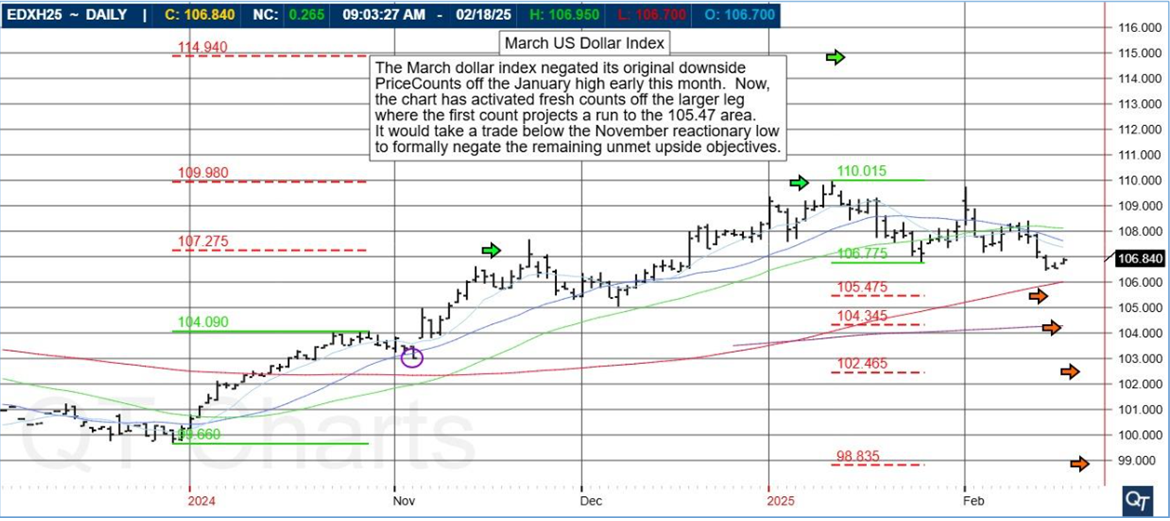
Currency futures—contracts that lock in the exchange rate of one currency for another at a future date—exhibit trends influenced by macroeconomic factors, geopolitical events, and central bank policies. A comparison of currency futures and DJ Index Futures reveals overlapping dynamics, as both instruments are deeply affected by investor sentiment and market volatility.
- Macroeconomic Indicators: Currency futures often follow trends shaped by economic indicators such as GDP growth, inflation rates, and employment data. For instance, a strong U.S. jobs report might bolster the U.S. dollar’s value, impacting currency futures tied to the dollar. Similarly, strong corporate earnings from Dow components can drive DJ Index Futures higher, reflecting optimism in the broader economy.
- Central Bank Policies: Interest rate decisions and monetary policy guidance significantly influence currency futures. For example, in 2022, the U.S. Federal Reserve’s aggressive rate hikes strengthened the dollar, causing ripple effects across currency futures markets. DJ Index Futures, while less directly tied to monetary policy, often experience volatility during Fed announcements due to their impact on equity valuations.
- Geopolitical Events: Trade wars, political instability, and global crises frequently lead to heightened volatility in currency and stock index futures. For example, during the 2016 Brexit vote, the British pound plummeted, driving up demand for currency futures hedging against further declines. Simultaneously, DJ Index Futures saw sharp fluctuations as investors assessed the potential economic fallout.
Risk Level and Caution: Trading futures based on macroeconomic trends involves considerable risk. Unexpected data releases or geopolitical developments can result in significant losses. Futures trading brokers often recommend employing stop-loss orders and limiting exposure to avoid catastrophic outcomes.
Forecasting Trends in Dow Jones Industrial Index Futures for Q1 2025
The first quarter of 2025 presents a challenging yet potentially rewarding environment for futures traders. Anticipating trends in DJ Index Futures requires an understanding of current economic conditions, earnings reports, and market sentiment.
- Economic Outlook: Entering 2025, the U.S. economy is expected to navigate a mixed landscape. Inflation may remain a concern, prompting cautious optimism among investors. A Federal Reserve pivot to more dovish policies could spur renewed interest in equities, driving DJ Index Futures higher. However, if inflation persists or economic data disappoints, bearish trends could dominate.
- Sector-Specific Drivers: The Dow’s composition includes companies from diverse sectors such as technology, healthcare, and industrials. Emerging trends in artificial intelligence (AI) and renewable energy could propel technology-heavy components like Microsoft and Intel, creating upward momentum for DJ Index Futures. Conversely, challenges in the industrial sector due to supply chain disruptions could weigh on performance.
- Case Study: A Futures Trader’s Perspective: In January 2025, a futures trader named Mark anticipates strong Q1 earnings from several Dow components, particularly in the technology and financial sectors. Using a futures trading broker, Mark initiates a long position in DJ Index Futures at 35,000. As earnings season progresses, positive results drive the index to 36,000, yielding a 1,000-point gain on his position. However, Mark’s decision to employ leverage amplifies his profits but also increases his risk exposure. A sudden downturn in the market could have wiped out his gains and resulted in substantial losses.
Risk Level and Caution: The use of leverage in futures trading magnifies both potential profits and losses. Traders should carefully calculate position sizes and utilize risk management tools such as margin requirements and protective stops.
Real-Life Anecdotes and Practical Lessons
The history of DJ Index Futures is replete with examples of dramatic successes and failures, underscoring the importance of strategy and discipline.
- The 2008 Financial Crisis: During the 2008 crisis, DJ Index Futures experienced unprecedented volatility. Futures traders who correctly anticipated the market’s downturn—such as those shorting the index in September—reaped substantial rewards. However, others who remained overly optimistic suffered heavy losses. This period highlighted the value of hedging and the necessity of diversifying portfolios.
- Post-Pandemic Recovery (2020-2021): Following the COVID-19 pandemic’s initial market shock, DJ Index Futures rebounded sharply as stimulus measures and vaccine rollouts restored confidence. Futures traders who adopted a long-term bullish stance profited significantly, though those who over-leveraged during short-term corrections faced margin calls.
Risk Level and Caution: Historical case studies reveal the importance of patience and resilience. Futures traders must avoid emotional decision-making and adhere to pre-defined trading plans.
Key Considerations for Futures Traders
To navigate the complexities of DJ Index Futures, traders should keep the following in mind:
- Education and Expertise: Successful futures trading requires a solid understanding of market fundamentals, technical analysis, and economic trends. Consulting with a knowledgeable futures trading broker can provide valuable insights.
- Risk Management: Effective risk management is paramount. This includes setting realistic profit targets, using stop-loss orders, and avoiding over-leveraging. Futures traders must also account for liquidity risks and ensure sufficient capital reserves.
- Leveraging Technology: Advanced trading platforms and analytics tools offered by futures brokers can enhance decision-making. Automated strategies and algorithmic trading have gained popularity among professional traders seeking precision and efficiency.
The Dow Jones Industrial Index Futures represent a cornerstone of modern financial markets, offering unparalleled opportunities for hedging, speculation, and portfolio diversification. From their inception in 1997 to the present day, these futures contracts have evolved alongside market dynamics, driven by the vision of pioneers and the needs of traders.
Understanding the trends in currency futures and DJ Index Futures underscores the interconnectedness of global markets. The first quarter of 2025 is poised to bring both challenges and opportunities, with economic data, sector-specific developments, and geopolitical factors shaping outcomes.
Ultimately, trading futures requires discipline, education, and prudent risk management. While the potential rewards are significant, the risks are equally substantial. By leveraging the expertise of futures trading brokers and adhering to sound strategies, traders can navigate the complexities of this dynamic market.
For more information, click here.
Ready to start trading futures? Call us at 1(800)454-9572 – Int’l (310)859-9572 (International), or email info@cannontrading.com to speak with one of our experienced, Series-3 licensed futures brokers and begin your futures trading journey with Cannon Trading Company today.
Disclaimer: Trading Futures, Options on Futures, and retail off-exchange foreign currency transactions involve substantial risk of loss and are not suitable for all investors. Past performance is not indicative of future results. Carefully consider if trading is suitable for you in light of your circumstances, knowledge, and financial resources. You may lose all or more of your initial investment. Opinions, market data, and recommendations are subject to change at any time.
Important: Trading commodity futures and options involves a substantial risk of loss. The recommendations contained in this article are opinions only and do not guarantee any profits. This article is for educational purposes. Past performances are not necessarily indicative of future results.
This article has been generated with the help of AI Technology and modified for accuracy and compliance.