|
||||||||||||||||||||||||||||||||||||||||||||||||||||||||||||||||||||||||||||||||||||||||||||||||||||||
|
||||||||||||||||||||||||||||||||||||||||||||||||||||||||||||||||||||||||||||||||||||||||||||||||||||||
|
- Bitcoin Futures (114)
- Charts & Indicators (310)
- Commodity Brokers (595)
- Commodity Trading (850)
- Corn Futures (64)
- Crude Oil (236)
- Currency Futures (103)
- Day Trading (659)
- Day Trading Webinar (61)
- E-Mini Futures (164)
- Economic Trading (166)
- Energy Futures (128)
- Financial Futures (185)
- Future Trading News (3,177)
- Future Trading Platform (327)
- Futures Broker (666)
- Futures Exchange (347)
- Futures trade copier (1)
- Futures Trading (1,272)
- futures trading education (446)
- Gold Futures (113)
- Grain Futures (102)
- Index Futures (271)
- Indices (233)
- Metal Futures (144)
- Nasdaq (79)
- Natural Gas (40)
- Options Trading (192)
- S&P 500 (145)
- trading futures (3)
- Trading Guide (438)
- Trading Webinar (60)
- Trading Wheat Futures (45)
- Uncategorized (26)
- Weekly Newsletter (227)
Tag: crude oil
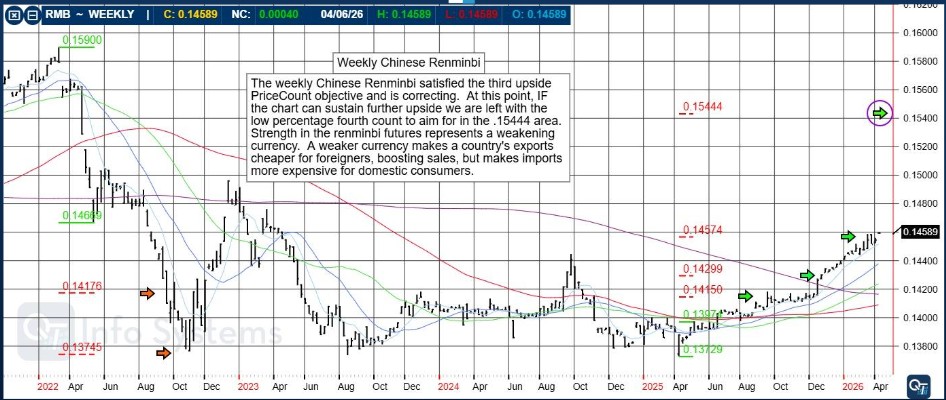
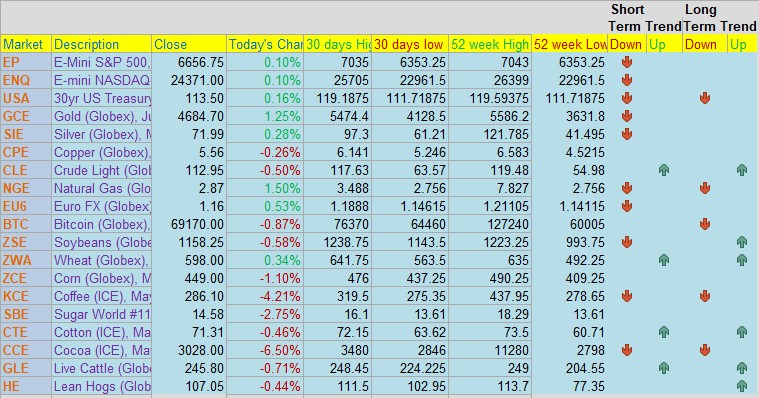
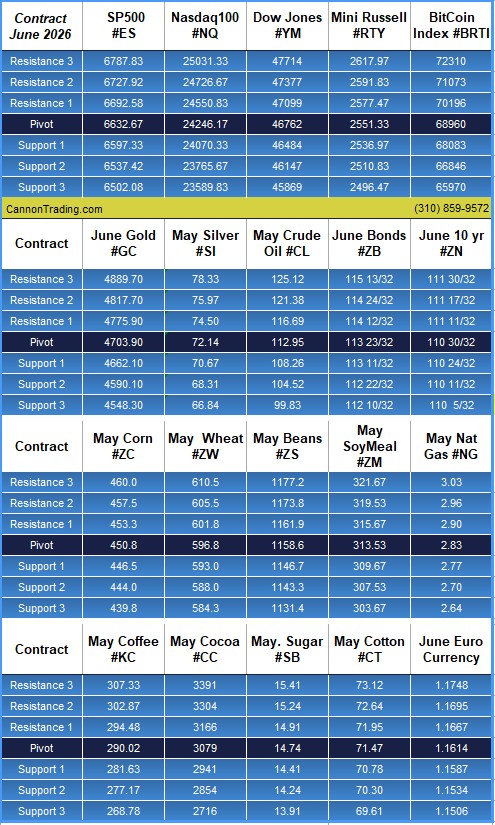
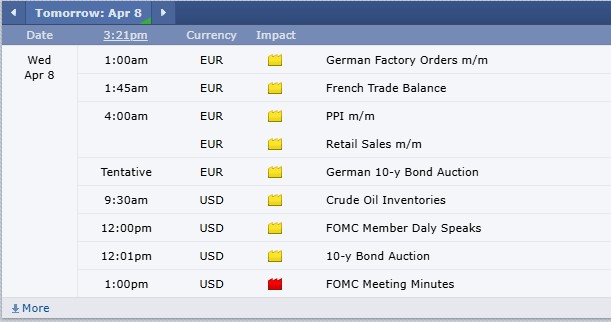





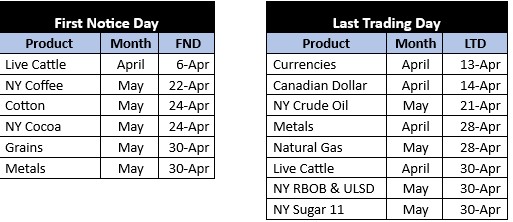
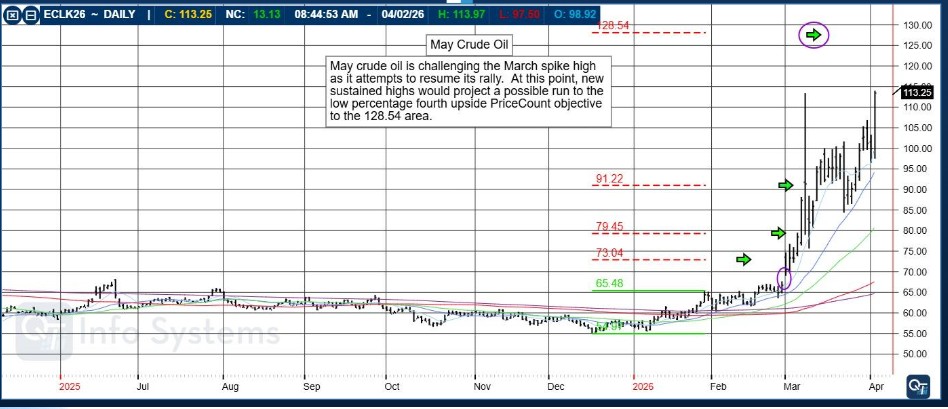
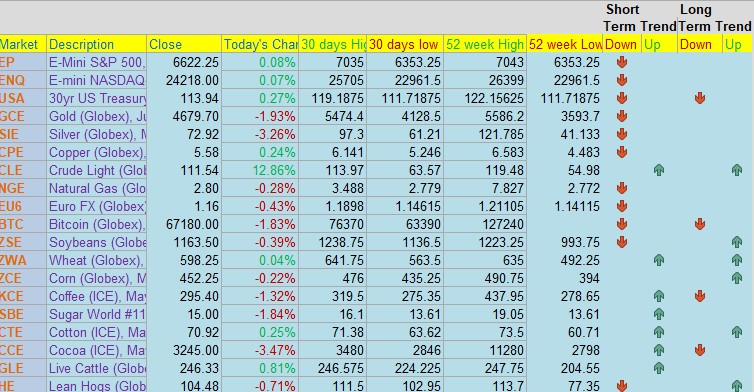
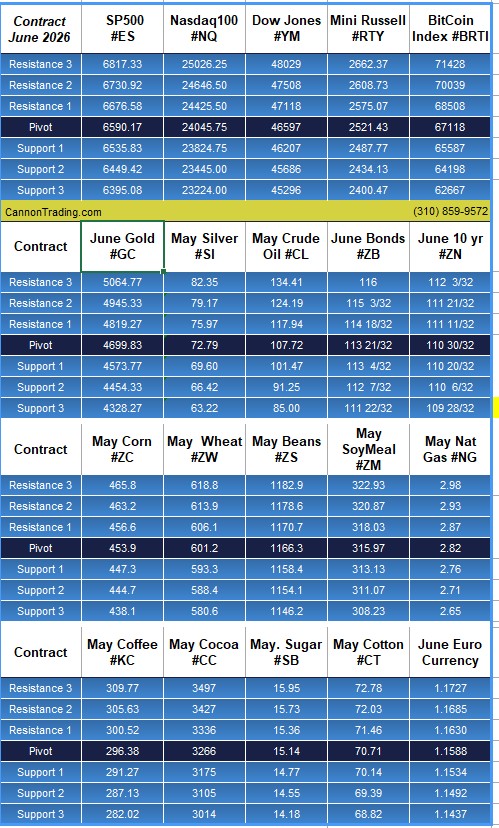
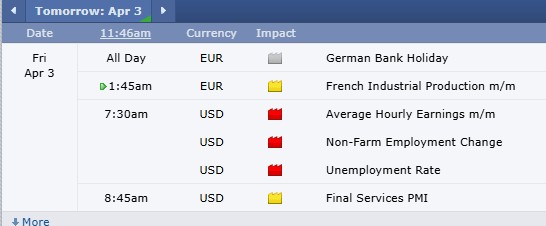
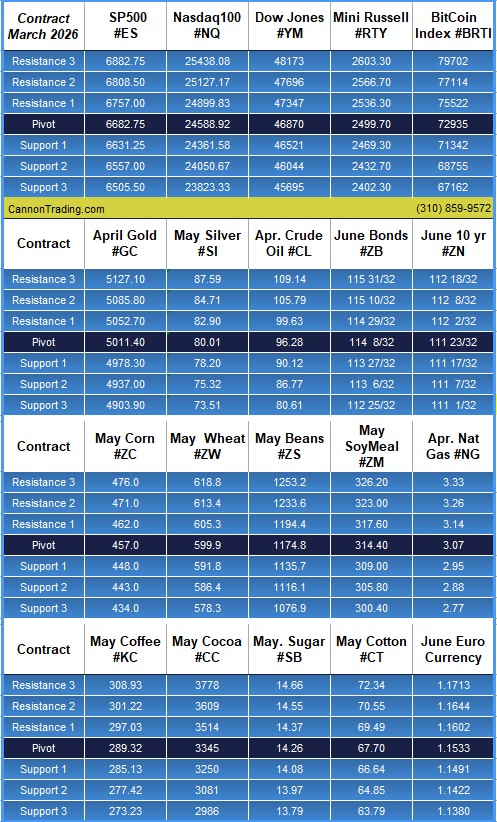
Crude Oil Prices going into Good Friday PLUS: CannonEdge Snapshot, QT Market Update on Crude Oil, Levels, Reports; Your 5 Important Can’t-Miss Need-To-Knows for Trading Futures on April 3rd, 2026
|
|||||||||||||||||||||||||||||||||||||||||||||||||||||||||||||||||||||||||||||||||||||||||||||||||||||||||||||
|
|||||||||||||||||||||||||||||||||||||||||||||||||||||||||||||||||||||||||||||||||||||||||||||||||||||||||||||
|
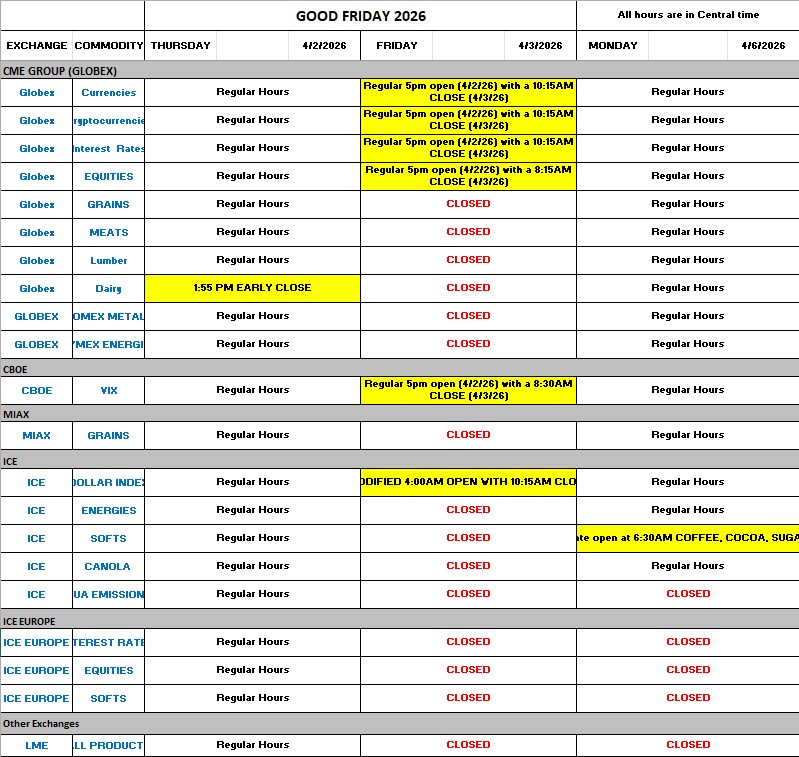
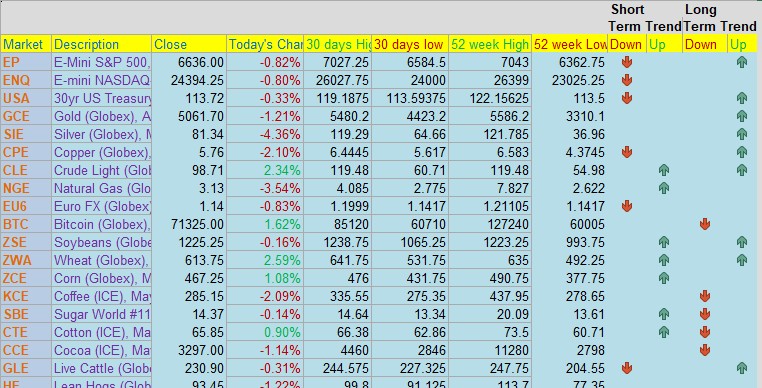
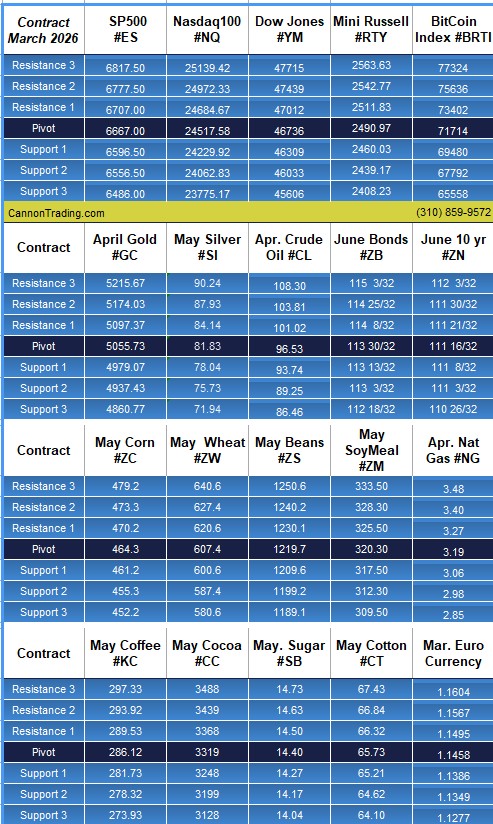
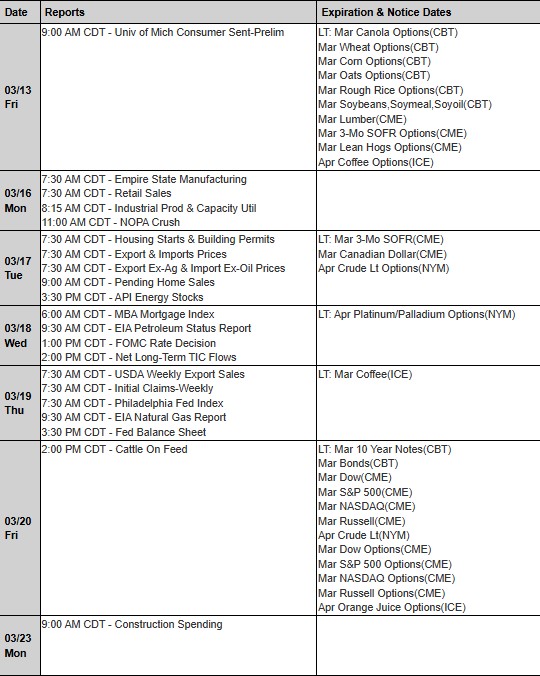
Market Updates for The Week Ahead PLUS: CannonEdge Snapshot, Levels, Reports; Your 4 Important Can’t-Miss Need-To-Knows for Trading Futures on March 17th, 2026
|
|||||||||||||||||||||||||||||||||||||||||||||||||||||||||||||||||||||||||||||||||||||||||||||||||||
|
|||||||||||||||||||||||||||||||||||||||||||||||||||||||||||||||||||||||||||||||||||||||||||||||||||
|
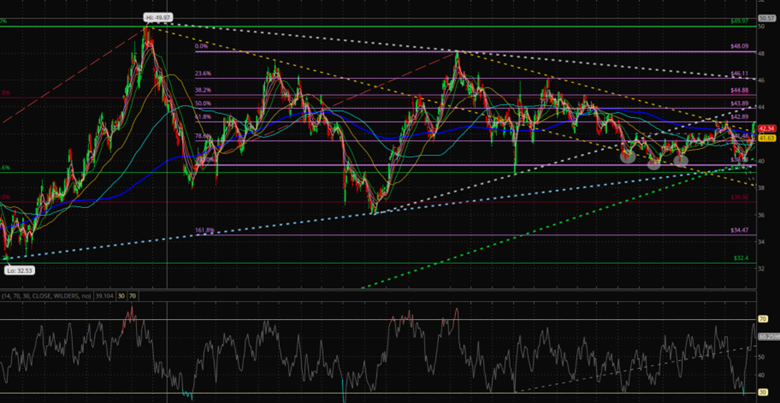
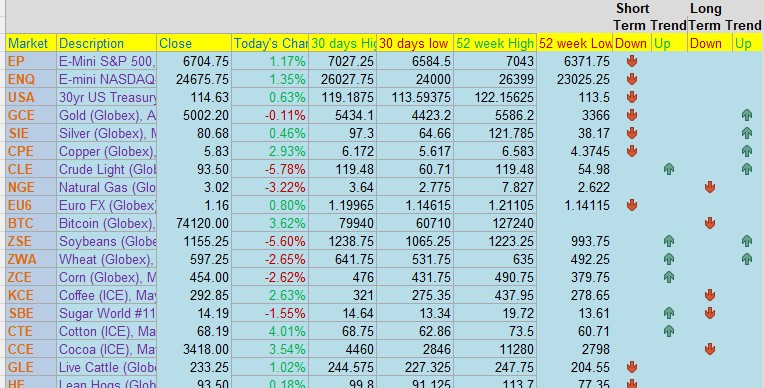
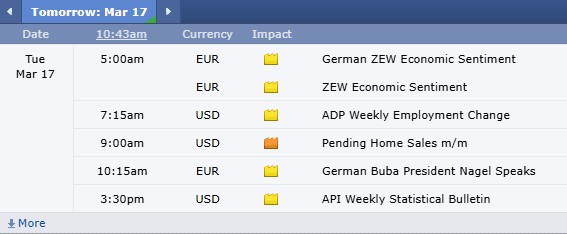
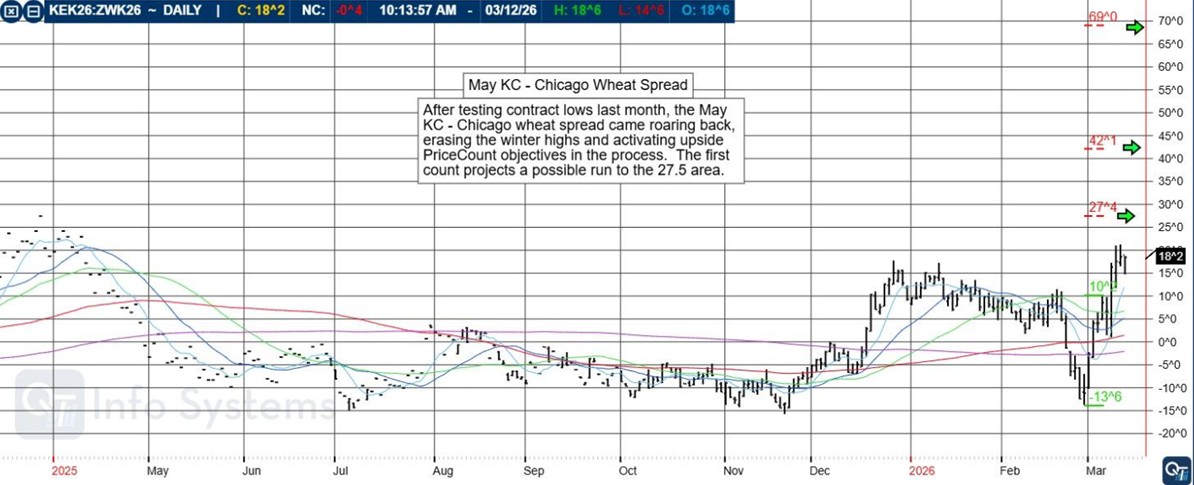
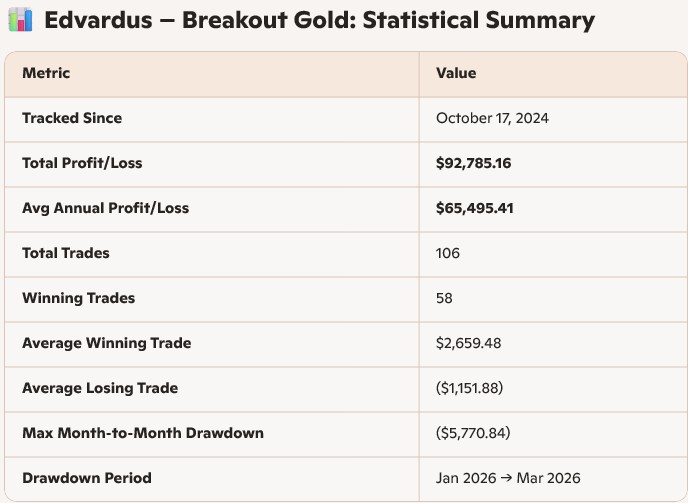
FOMC Rate Decision, Roll into June Equity Contracts PLUS: Futures 102 – How to Use the RSI while in a Trade, May KC – Chicago Wheat Spread, CannonEdge Snapshot, Levels, Reports; Your 6 Important Can’t-Miss Need-To-Knows for Trading Futures the Week of March 16th, 2026
|
||||||||||||||||||||||||||||||||||||||||||||||||||||||||||||||||||||||||||||||||||||||||||||||||||||||||||||||||||||||||||||||||||||||||
|
||||||||||||||||||||||||||||||||||||||||||||||||||||||||||||||||||||||||||||||||||||||||||||||||||||||||||||||||||||||||||||||||||||||||
|


Futures Brokers and You: 8 Useful Crude Oil Market Insights and Predictions
Crude Oil Market Insights and Predictions

The Strategic Importance of Crude Oil Futures
Crude oil remains one of the most actively traded commodities in global derivatives markets. Energy contracts shape economic expectations, influence inflation, and guide corporate hedging strategies. For traders seeking opportunity in volatile markets, crude oil futures provide liquidity, leverage, and clear price discovery.
Geopolitical instability significantly amplifies oil market volatility. Recent tensions involving the United States and Iran have reintroduced risk premiums into global crude supply chains. Events affecting the Strait of Hormuz, where nearly one-fifth of global oil passes daily, immediately influence futures pricing.
In these environments, experienced futures brokers help traders interpret market signals and execute trades efficiently. Understanding supply disruptions, shipping risks, and OPEC responses allows traders to act strategically rather than emotionally.
Professional commodities brokers also assist clients in identifying hedging opportunities during geopolitical crises. Energy producers, airlines, and hedge funds frequently turn to crude futures to offset risk when Middle East tensions escalate.
Modern commodity trading platforms enable real-time monitoring of energy contracts, allowing traders to react quickly to breaking geopolitical developments. Platforms integrated with market data, depth-of-market analytics, and algorithmic execution tools help traders maintain an advantage.
For decades, Cannon Trading Company has supported traders navigating complex markets like crude oil futures.
How U.S.–Iran Tensions Influence Oil Market Dynamics
The conflict between the United States and Iran historically drives immediate reactions in crude oil futures markets. Political statements, military movements, and sanctions policies can trigger rapid price spikes.
Energy traders track these developments because Iran controls strategic access to the Persian Gulf. Any disruption to oil shipping routes can tighten global supply expectations.
Key geopolitical triggers include:
- Sanctions and Export Restrictions
U.S. sanctions on Iranian oil exports reduce global supply expectations. Futures prices often rise as markets anticipate tighter inventories. - Military Activity Near the Strait of Hormuz
Naval deployments or threats to shipping lanes create immediate volatility in crude contracts. - OPEC Policy Adjustments
Other oil producers may increase output to offset potential shortages, moderating price spikes.
Experienced futures brokers analyze these factors daily. Their role includes helping traders interpret news events and translate them into actionable trading strategies.
Professional commodities brokers also provide insights into global inventory reports and refinery demand trends. This perspective allows traders to differentiate between temporary price reactions and long-term structural changes.
Many traders rely on advanced commodity trading platforms to track crude oil contracts listed on CME Group exchanges. These systems allow rapid execution when geopolitical headlines break.
Crude Oil Futures Mechanics and Trading Strategy
Crude oil futures contracts allow traders to speculate on or hedge against changes in oil prices. Contracts typically represent 1,000 barrels of crude and trade electronically through regulated exchanges.
Understanding contract mechanics is essential before entering the market.
Common crude oil trading strategies include:
- Directional Trading
Traders take long or short positions based on geopolitical expectations. - Calendar Spreads
This involves trading price differences between different delivery months. - Inventory Reaction Trades
U.S. Energy Information Administration reports frequently trigger short-term volatility. - Options Hedging
Combining futures with options can help limit downside exposure.
Working with experienced futures brokers ensures traders understand margin requirements, contract specifications, and risk exposure.
Similarly, knowledgeable commodities brokers guide clients through advanced strategies such as spread trading or volatility hedging.
Reliable commodity trading platforms provide tools such as order-flow analytics, time-and-sales tracking, and DOM trading. These features allow traders to detect institutional activity and liquidity levels in real time.
Cannon Trading Company provides access to several leading trading technologies designed specifically for futures traders.
How a Futures Broker Supports Crude Oil Traders During Geopolitical Crises
Geopolitical conflicts introduce extreme volatility into oil markets. Sudden news releases can cause price swings of several dollars per barrel within minutes.
In these conditions, the expertise of professional futures brokers becomes invaluable.
A broker assists traders in several ways:
- Market Interpretation
Brokers translate geopolitical developments into potential market scenarios. - Execution Support
Rapid order routing ensures trades are filled efficiently during volatile market conditions. - Risk Management Guidance
Brokers help traders determine position sizing and margin considerations. - Strategy Development
Traders receive insights into spread opportunities and volatility trades.
Skilled commodities brokers also maintain relationships with institutional research providers. This enables them to provide clients with deeper insight into energy supply forecasts and macroeconomic influences.
Additionally, modern commodity trading platforms enable traders to automate strategies that react to market volatility. Algorithmic tools can adjust stop levels, manage risk thresholds, and capture price momentum.
Cannon Trading Company’s brokerage services combine technology, human expertise, and decades of market experience.
The Role of Technology in Modern Oil Trading
Technology has transformed how traders interact with energy markets.
Today’s commodity trading platforms integrate advanced analytics, real-time news feeds, and customizable charting tools. These features allow traders to respond instantly to geopolitical developments.
Key technological advantages include:
- Depth-of-Market Visualization
Shows real-time liquidity across price levels. - Algorithmic Trading Tools
Allows automated strategy execution. - Risk Management Dashboards
Displays margin usage and exposure in real time. - Multi-Asset Integration
Energy contracts can be analyzed alongside currencies, equities, and bonds.
Professional futures brokers help traders select the most suitable platform for their trading style. Some traders prefer DOM-based scalping interfaces, while others rely on advanced charting environments.
Experienced commodities brokers also assist clients in configuring data feeds and optimizing order routing.
Cannon Trading Company provides access to several industry-leading technologies through its brokerage infrastructure.
These advanced commodity trading platforms help traders maintain speed and precision in volatile oil markets.
Risk Management Strategies for Crude Oil Traders
Crude oil trading carries significant opportunity but also considerable risk.
Geopolitical developments can cause rapid price movements that exceed typical volatility ranges.
Traders should implement disciplined risk management strategies such as:
- Stop-Loss Orders
Automatic exits limit downside exposure. - Position Sizing
Traders should limit risk per trade relative to account size. - Diversification
Combining energy contracts with other commodities reduces concentration risk. - Spread Strategies
Calendar spreads often carry lower volatility than outright positions.
Experienced futures brokers play a crucial role in guiding traders through these risk management techniques.
Professional commodities brokers also help clients interpret inventory reports, seasonal demand patterns, and refinery utilization rates.
Advanced commodity trading platforms support these strategies by allowing automated risk controls and conditional orders.
By combining broker expertise with sophisticated technology, traders can navigate oil market volatility more effectively.
Why Cannon Trading Company Is a Leading Choice for Futures Traders


Cannon Trading Company has served futures traders for decades. Its reputation stems from transparent service, technological access, and personalized brokerage support.
The company has built strong relationships with both institutional and independent traders.
Reasons traders choose Cannon Trading include:
- Experienced Brokerage Team
Knowledgeable futures brokers provide personalized guidance. - Access to Global Markets
Traders can access major energy, metals, and agricultural futures. - Advanced Technology
Multiple professional commodity trading platforms are available. - Responsive Customer Support
Traders receive direct assistance from experienced professionals. - Trusted Reputation
Client reviews on Trustpilot reflect strong service quality.
Cannon’s team of commodities brokers understands the unique challenges of energy trading. Their expertise helps traders navigate volatile conditions caused by geopolitical developments.
This combination of experience, technology, and service has positioned Cannon Trading Company among the most respected brokerage firms in the futures industry.
Crude Oil Market Outlook and Predictions
Looking ahead, crude oil markets are likely to remain influenced by geopolitical developments.
Several factors will shape oil prices in the coming months.
- Middle East Security Risks
Continued tensions involving Iran may maintain a geopolitical risk premium. - Global Economic Growth
Demand from major economies influences long-term price trends. - OPEC Production Decisions
Output adjustments can stabilize or amplify price movements. - Energy Transition Policies
Long-term shifts toward renewable energy could influence future demand expectations.
Traders who remain informed and disciplined will be best positioned to navigate these changes.
Working with experienced futures brokers helps traders stay ahead of market developments.
Professional commodities brokers provide valuable insights into supply disruptions, production forecasts, and inventory changes.
Reliable commodity trading platforms ensure traders can react instantly to breaking news events.
Cannon Trading Company continues to support traders seeking opportunities in the global energy markets.
FAQ: Crude Oil Futures Trading
What are crude oil futures?
Crude oil futures are standardized contracts that allow traders to buy or sell oil at a predetermined price for future delivery. They are widely used for speculation and hedging in energy markets.
Why do geopolitical tensions affect oil prices?
Oil supply chains depend heavily on politically sensitive regions. Events affecting production or transportation routes can reduce supply expectations, driving prices higher.
How can futures brokers help oil traders?
Professional brokers assist traders with market analysis, order execution, and risk management strategies during volatile market conditions.
What role do commodities brokers play?
They provide specialized expertise in physical supply trends, inventory data, and seasonal demand patterns that influence commodity pricing.
Why are commodity trading platforms important?
Modern trading platforms provide real-time market data, charting tools, and automated order execution that allow traders to react quickly to price movements.
Why choose Cannon Trading Company?
Cannon Trading Company offers decades of experience, advanced trading technology, personalized brokerage support, and access to global futures markets.
Try a FREE Demo!
Ready to start trading futures? Call us at 1(800)454-9572 (US) or (310)859-9572 (International), or email info@cannontrading.com to speak with one of our experienced, Series-3 licensed futures brokers and begin your futures trading journey with Cannon Trading Company today.
Disclaimer: Trading Futures, Options on Futures, and retail off-exchange foreign currency transactions involve substantial risk of loss and are not suitable for all investors. Past performance is not indicative of future results. Carefully consider if trading is suitable for you in light of your circumstances, knowledge, and financial resources. You may lose all or more of your initial investment. Opinions, market data, and recommendations are subject to change at any time.
Important: Trading commodity futures and options involves a substantial risk of loss. The recommendations contained in this article are opinions only and do not guarantee any profits. This article is for educational purposes. Past performances are not necessarily indicative of future results.
This article has been generated with the help of AI Technology and modified for accuracy and compliance.
Follow us on all socials: @cannontrading
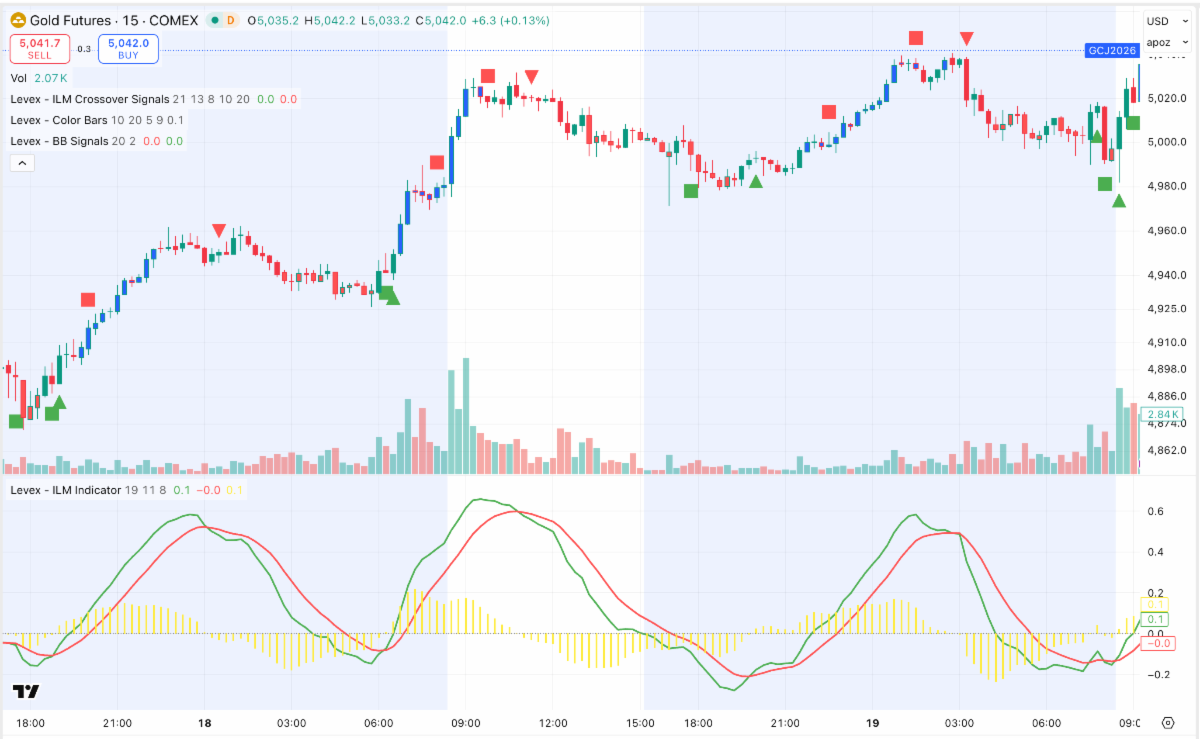
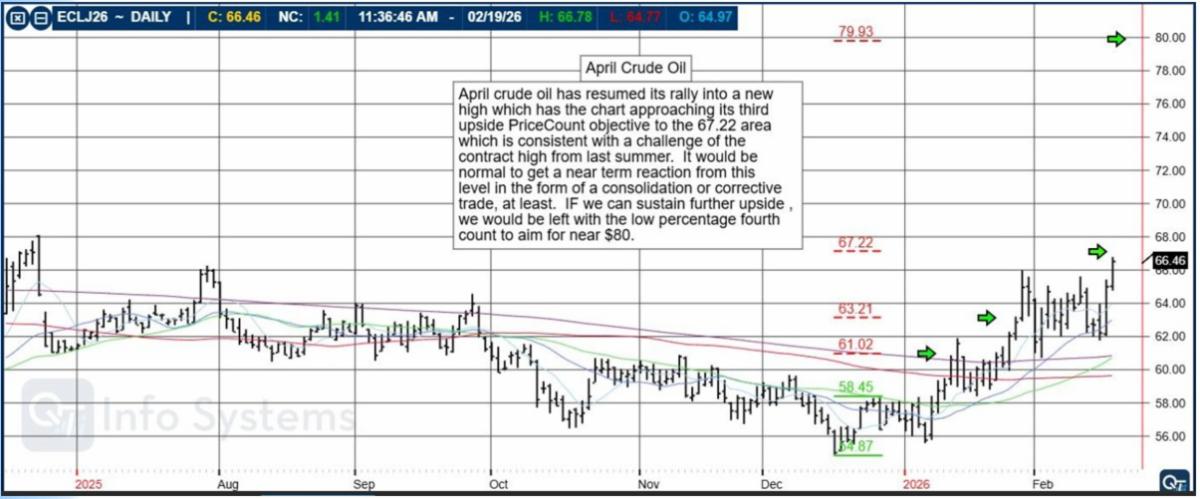
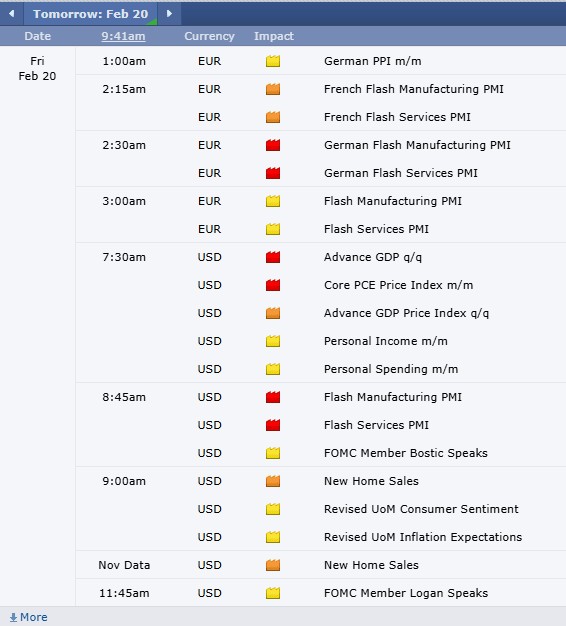
Premium TradingView Indicators PLUS: Intraday Indicator Examples, April Crude Oil, Levels, Reports; Your 5 Important Can’t-Miss Need-To-Knows for Trading Futures on February 20th, 2026
|
Unlock Your Edge with Premium TradingView IndicatorsBy Ilan Levy-Mayer, VP |
|
|
|||||||||||||||||||||||||||||||||||||||||||||||||||||||||||||||
|
|||||||||||||||||||||||||||||||||||||||||||||||||||||||||||||||
|
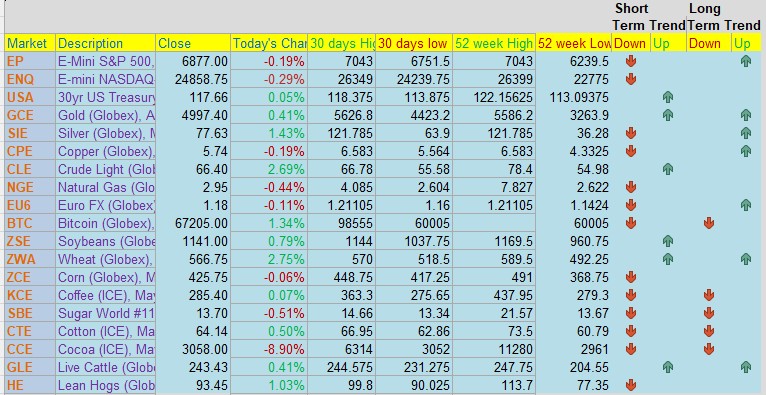
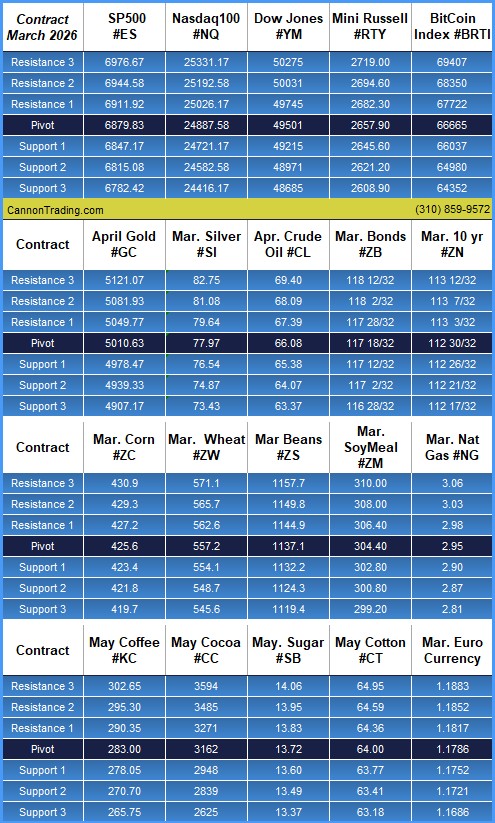

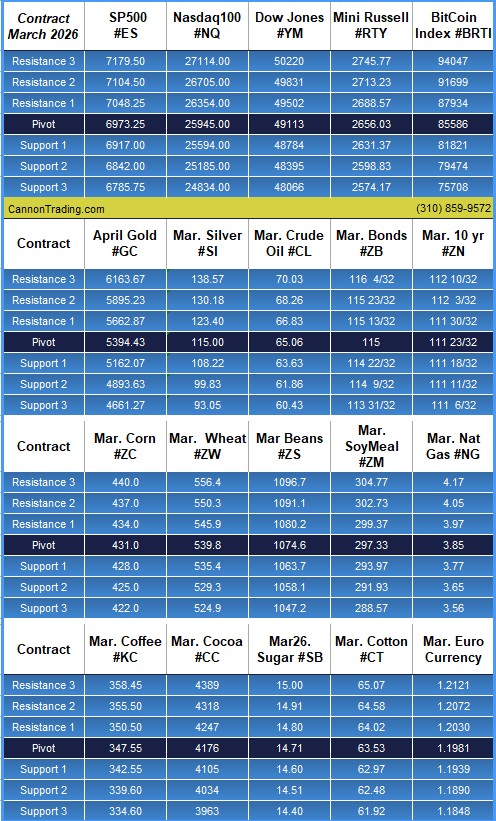
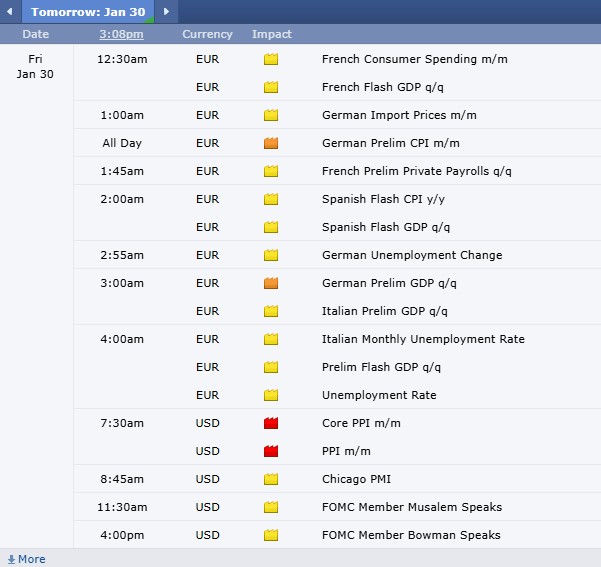
Gold goes Volatile PLUS: Energies and Stock Indices, March Crude Oil, Levels, Reports; Your 5 Important Can’t-Miss Need-To-Knows for Trading Futures on January 30th, 2026
|
Higher Volatility in Metals, Energies and Stock IndicesBy Ilan Levy-Mayer, VP |
|
|
|||||||||||||||||||||||||||||||||||||||||||||||||||||||||||||||
|
|||||||||||||||||||||||||||||||||||||||||||||||||||||||||||||||
|

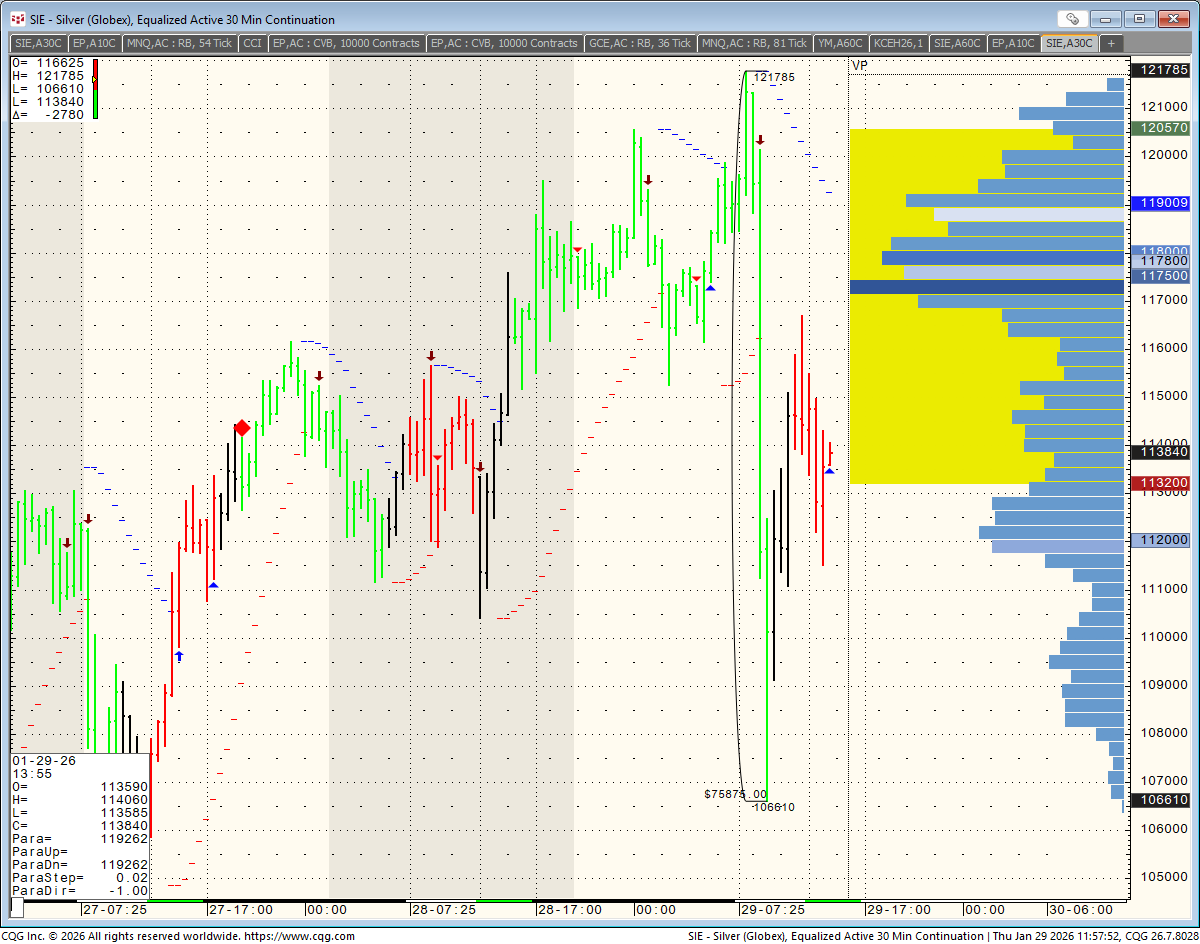
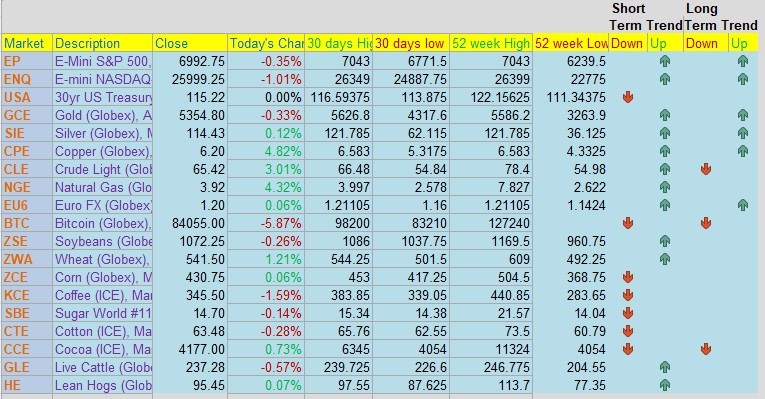
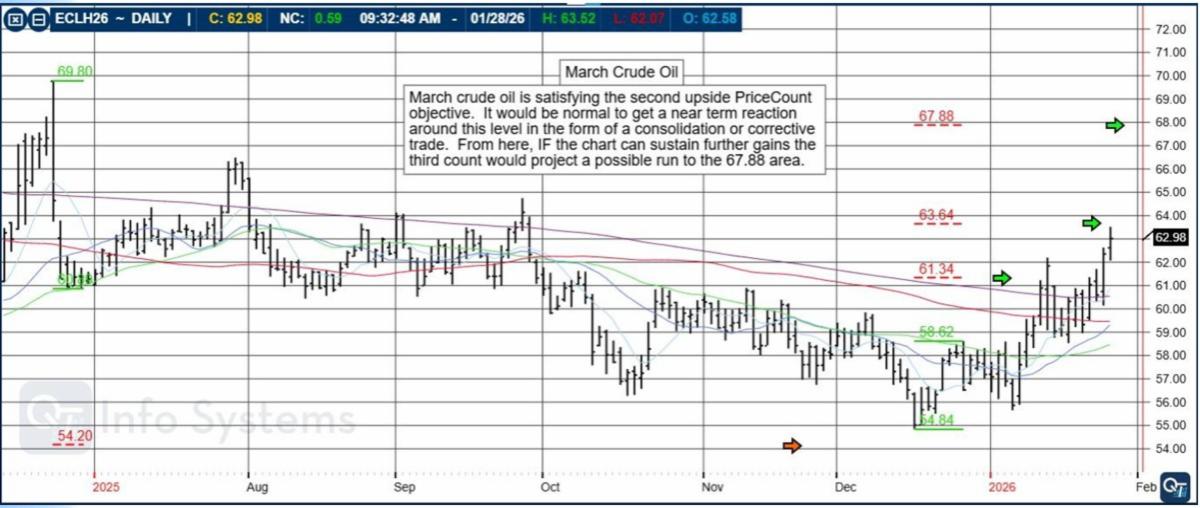
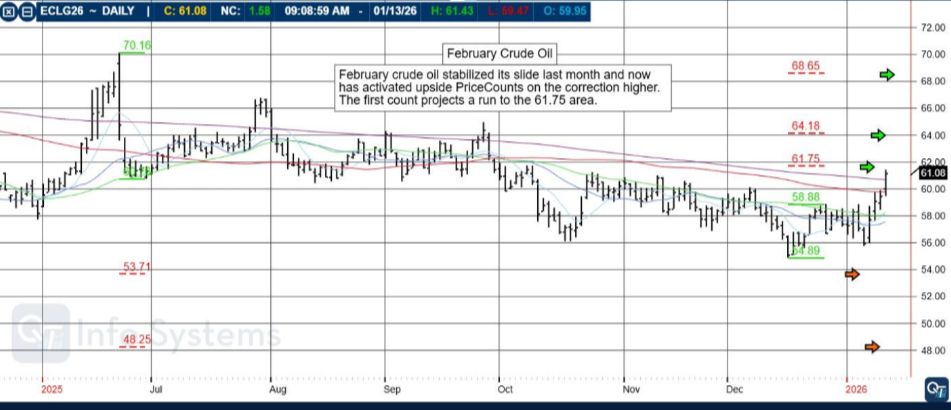
Precious Metals Continue to ROAR!!!! Crude Oil Numbers, Levels, Reports; Your 4 Important Can’t-Miss Need-To-Knows for Trading Futures on January 14th, 2026
|
PPI, Business Inventories, Fed Speakers,Crude Oil Numbers& moreLook for a volatile trading day tomorrow! |
|
|
|||||||||||||||||||||||||||||||||||||||||||||||||||||||||||||||||||||||||||||||||||||||||||||||||||||||||||||||||||||||||||||||||||||
|
|||||||||||||||||||||||||||||||||||||||||||||||||||||||||||||||||||||||||||||||||||||||||||||||||||||||||||||||||||||||||||||||||||||
|

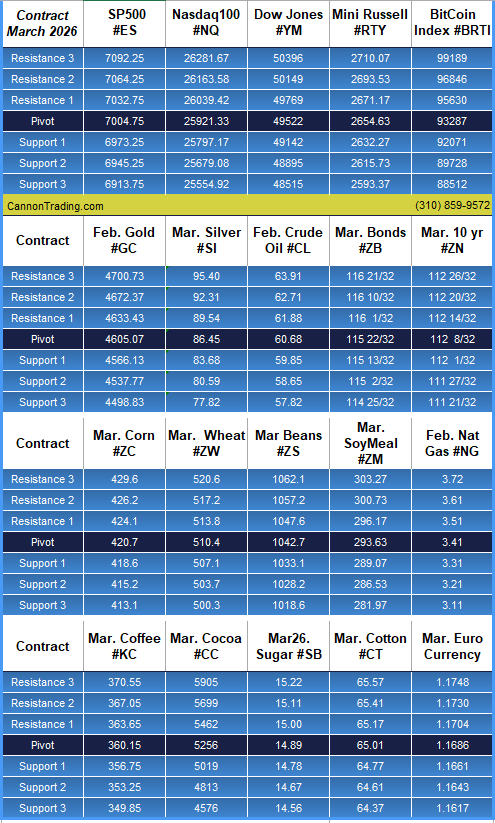
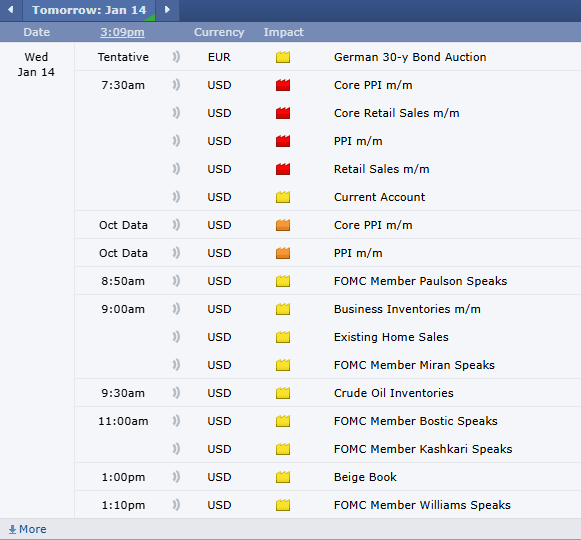

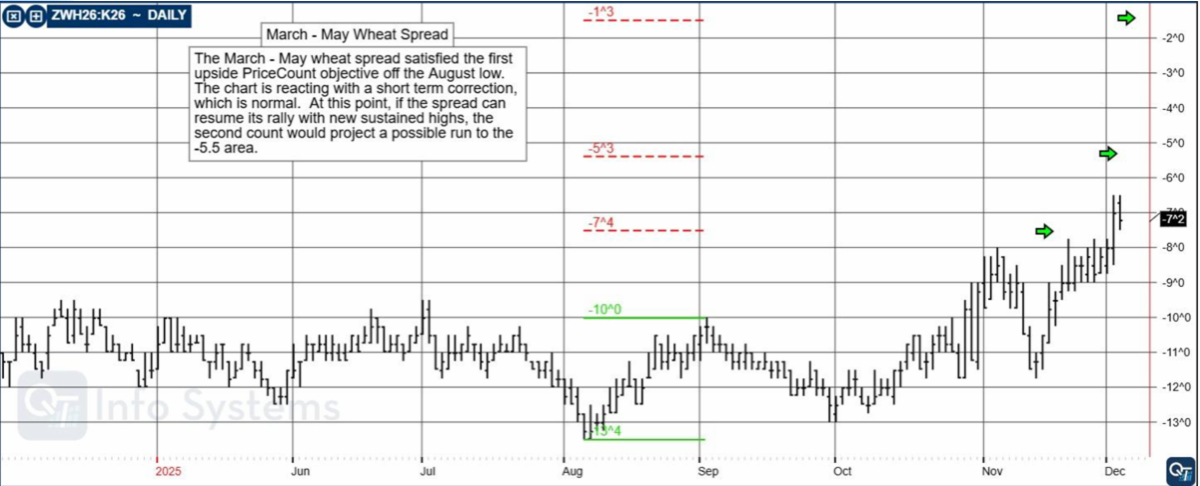
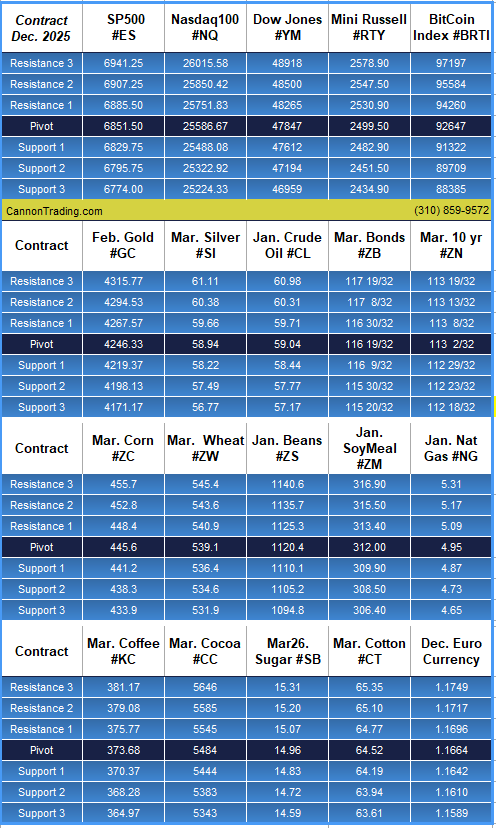
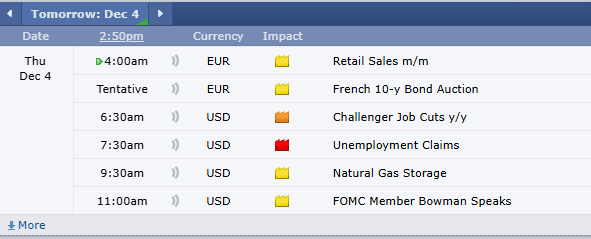
Silver and Copper, Crude Oil, March – May Wheat Spread, Levels, Reports; Your 5 Important Can’t-Miss Need-To-Knows for Trading Futures on December 4th, 2025
At-a-Glance Levels
|
|
|||||||||||||||||||||||||||||||||||||||||||||||||||||||||
|
|||||||||||||||||||||||||||||||||||||||||||||||||||||||||
|


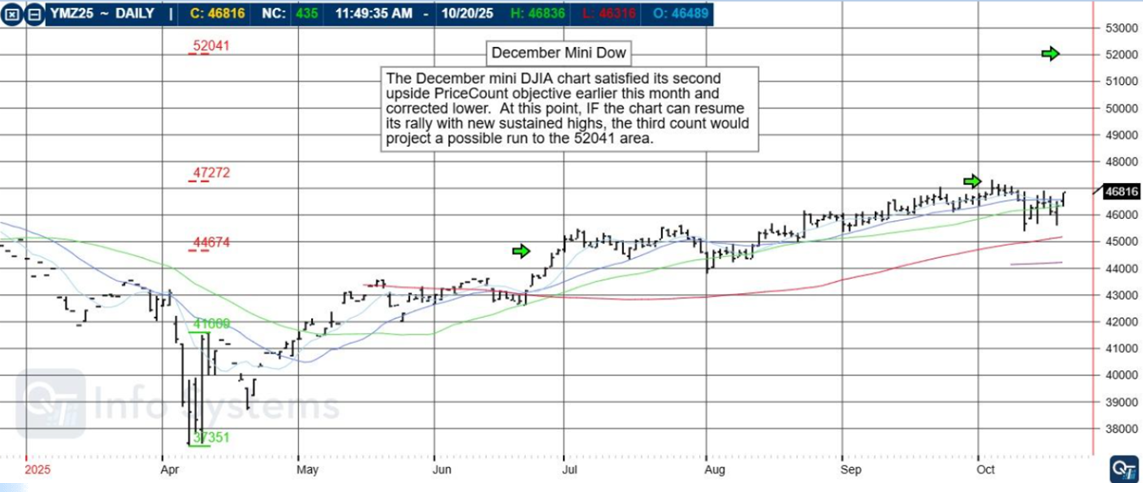
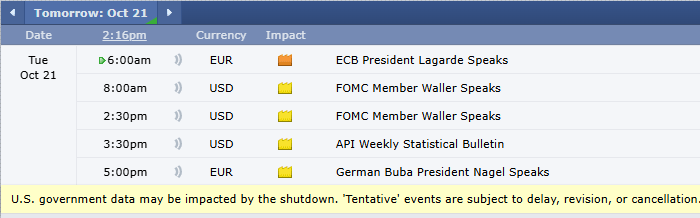
Overnight Edge, December Mini Dow, Levels, Reports; Your 4 Important Need-To-Knows for Trading Futures on October 21st, 2025
|

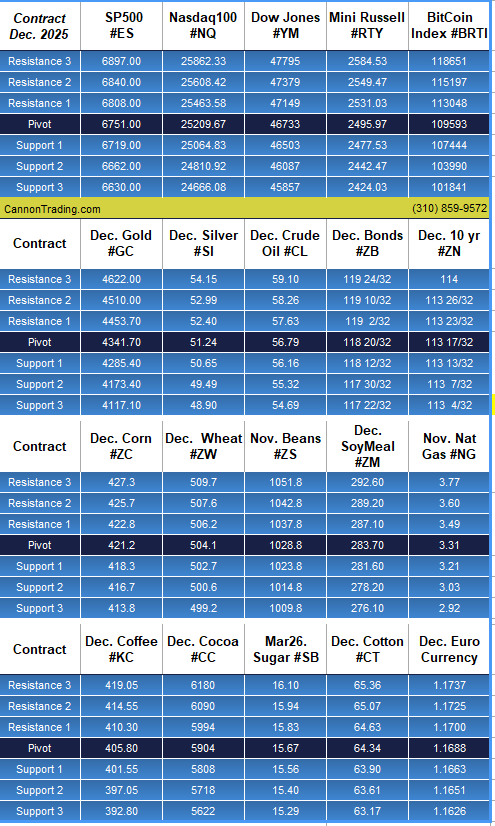
At-a-Glance Levels
| Instrument | S2 | S1 | Pivot | R1 | R2 | ||
|---|---|---|---|---|---|---|---|
| Gold (GC) — Dec (GCZ5) | 4173.40 | 4285.40 | 4341.70 | 4453.70 | 4510.00 | ||
| Silver (SI) — Dec (SIZ5) | 49.49 | 50.65 | 51.24 | 52.40 | 52.99 | ||
| Crude Oil (CL) — Nov (CLX5) | 55.32 | 56.16 | 56.79 | 57.63 | 58.26 | ||
| Dow Jones (YM) — Dec 2025 | 46087 | 46503 | 46733 | 47149 | 47379 |
Over the past few months, and especially in recent weeks, we’ve seen unusually large overnight moves. Some moves appear random, others reverse quickly, and some are driven by headlines such as tariff news. These dynamics have increased gap risk, reduced overnight liquidity, and produced frequent open-time dislocations.
Common question
Where is the edge?
Short answer
- Trade the first 30 minutes and focus on short-term gap-fill or rejection setups.
- Use same-day options when you expect a large directional move to limit tail risk and avoid being stopped out only to see the market move in your favor.
- Trade spreads when relative strength diverges across instruments (for example, gold vs silver or mini-Dow vs ES).
Extended answer
I want to focus on the practical elements of trading like pre-market context, move behavior, market news correlation, liquidity, options limits, and whether to use mean reversion or momentum. I’ll also want to highlight key parts like risk management, stop placement, and position sizing. Planning should be direct with a simple checklist and no more than six sections. I should also consider using a relevant citation about tariff-related movements, but just one, and make sure it’s only placed where necessary. No framing or extra explanations.
Futures day-trading edge
You find edge by matching a repeatable hypothesis to the current market regime, then executing it with strict risk and execution rules.
Regime diagnosis (what the market is doing now)
- Volatility regime: large overnight gaps and erratic premarket prints mean the market is in a news-driven, headline-sensitive volatility regime.
- Catalyst profile: moves are often tied to macro headlines and tariff noise; those headlines create directional gaps that either persist into the session or sharply reverse at the open.
- Liquidity profile: overnight liquidity is thin and fragmented, increasing slippage and fake outs at the open.
Reliable, tradeable edges you can use
- Pre-open directional bias with size filter. Trade opens when overnight gap exceeds a threshold (e.g., 0.5% or X ticks) and pre-market order flow confirms (sustained prints, not one-off sweep).
- Use reduced size and wider stops for gaps caused by headline noise.
- Fade headline gap into first 30 minutes when structure is weakIf gap lacks follow-through volume and price fails to make a clean microstructure breakout, favor mean reversion to the first-tail or VWAP.
- Trend-follow breakouts in high conviction regimeWhen overnight move is accompanied by aligned macro flow (rates, FX, commodities) and volume ramps into the open, follow momentum with a continuation plan.
- Volatility arbitrage playsUse options or calendar spreads where available to sell realized volatility after spikes and buy protection around known headline windows.
- Session-timing edgeTrade smaller and tighter in the first 15–30 minutes after the open; increase size after the market establishes structure (first clean high/low and confirmation).
- Microstructure edge: limit vs market tacticsUse passive limit entries near structural levels and aggressive exits into liquidity. Avoid market entries into thin pre-open auction prints.
Concrete execution rules (checklist)
- Pre-market checklist: identify gap size, top 3 headlines, correlated markets (bonds, FX, oil), and pre-open volume trend.
- Entry rules: require either structural confirmation (higher high / lower low) or a mean-reversion setup with defined edge-to-risk ratio ≥ 2:1.
- Sizing: reduce notional by 25–50% on headline-driven nights; increase only after two clean consecutive edges are realized.
- Stops and targets: place stop where edge invalidates (clearly definable price level); scale out at predefined targets; never trade without a stop.
- Slippage buffer: add tick buffer to stops and profit targets during thin liquidity opens.
How to test and keep the edge
- Backtest regime-specific rules: label historical sessions by overnight gap size and headline events, test mean-reversion vs momentum rules separately.
- Forward-test with small capital: run a two-week rolling simulator and log slippage, win rate, and expectancy.
- Adaptive rules: codify a volatility threshold that switches you between momentum and fade strategies automatically.
Brief trade plan template
- Hypothesis: (e.g., “Overnight tariff headline caused a 0.7% gap that lacks confirmatory volume; first 20 minutes will mean-revert to VWAP.”)
- Entry: limit at VWAP + X ticks or on 1-minute reversal candle.
- Stop: invalidation beyond the overnight high/low + slippage buffer.
- Target: partial at VWAP, final at first structure level.
- Size: 50% normal when gap driver = headline; full size only when macro alignment confirmed.
Be systematic: diagnose regime, pick the strategy that historically wins in that regime, enforce execution and risk rules, and iterate from measured data.
Important: Trading commodity futures and options involves a substantial risk of loss.
The recommendations contained in this blog are of opinion only and do not guarantee any profits.
Past performances are not necessarily indicative of future results.
|
|
|
||||||||||||||||||||||||||||||||||||||||||
|
||||||||||||||||||||||||||||||||||||||||||
|
- April 2026
- March 2026
- February 2026
- January 2026
- December 2025
- November 2025
- October 2025
- September 2025
- August 2025
- July 2025
- June 2025
- May 2025
- April 2025
- March 2025
- February 2025
- January 2025
- December 2024
- November 2024
- October 2024
- September 2024
- August 2024
- July 2024
- June 2024
- May 2024
- April 2024
- March 2024
- February 2024
- January 2024
- December 2023
- November 2023
- October 2023
- September 2023
- August 2023
- July 2023
- June 2023
- May 2023
- April 2023
- March 2023
- February 2023
- January 2023
- December 2022
- November 2022
- October 2022
- September 2022
- August 2022
- July 2022
- June 2022
- May 2022
- April 2022
- March 2022
- February 2022
- January 2022
- December 2021
- November 2021
- October 2021
- September 2021
- August 2021
- July 2021
- June 2021
- May 2021
- April 2021
- March 2021
- February 2021
- January 2021
- December 2020
- November 2020
- October 2020
- September 2020
- August 2020
- July 2020
- June 2020
- May 2020
- April 2020
- March 2020
- February 2020
- January 2020
- December 2019
- November 2019
- October 2019
- September 2019
- August 2019
- July 2019
- June 2019
- May 2019
- April 2019
- March 2019
- February 2019
- January 2019
- December 2018
- November 2018
- October 2018
- September 2018
- August 2018
- July 2018
- June 2018
- May 2018
- April 2018
- March 2018
- February 2018
- January 2018
- December 2017
- November 2017
- October 2017
- September 2017
- August 2017
- July 2017
- June 2017
- May 2017
- April 2017
- March 2017
- February 2017
- January 2017
- December 2016
- November 2016
- October 2016
- September 2016
- August 2016
- July 2016
- June 2016
- May 2016
- April 2016
- March 2016
- February 2016
- January 2016
- December 2015
- November 2015
- October 2015
- September 2015
- August 2015
- July 2015
- June 2015
- May 2015
- April 2015
- March 2015
- February 2015
- January 2015
- December 2014
- November 2014
- October 2014
- September 2014
- August 2014
- July 2014
- June 2014
- May 2014
- April 2014
- March 2014
- February 2014
- January 2014
- December 2013
- November 2013
- October 2013
- September 2013
- August 2013
- July 2013
- June 2013
- May 2013
- April 2013
- March 2013
- February 2013
- January 2013
- December 2012
- November 2012
- October 2012
- September 2012
- August 2012
- July 2012
- June 2012
- May 2012
- April 2012
- March 2012
- February 2012
- January 2012
- December 2011
- November 2011
- October 2011
- September 2011
- August 2011
- July 2011
- June 2011
- May 2011
- April 2011
- March 2011
- February 2011
- January 2011
- December 2010
- November 2010
- October 2010
- September 2010
- August 2010
- July 2010
- June 2010