|
||||||||||||||||||||||||||||||||||||||||||||||||||||||||||||||||||||||||||||||||||||||||||||||||||||||||||||||||||||||||||||||||||||||||
|
||||||||||||||||||||||||||||||||||||||||||||||||||||||||||||||||||||||||||||||||||||||||||||||||||||||||||||||||||||||||||||||||||||||||
|
- Bitcoin Futures (114)
- Charts & Indicators (310)
- Commodity Brokers (595)
- Commodity Trading (850)
- Corn Futures (64)
- Crude Oil (236)
- Currency Futures (103)
- Day Trading (659)
- Day Trading Webinar (61)
- E-Mini Futures (164)
- Economic Trading (166)
- Energy Futures (128)
- Financial Futures (185)
- Future Trading News (3,177)
- Future Trading Platform (327)
- Futures Broker (666)
- Futures Exchange (347)
- Futures trade copier (1)
- Futures Trading (1,272)
- futures trading education (446)
- Gold Futures (113)
- Grain Futures (102)
- Index Futures (271)
- Indices (233)
- Metal Futures (144)
- Nasdaq (79)
- Natural Gas (40)
- Options Trading (192)
- S&P 500 (145)
- trading futures (3)
- Trading Guide (438)
- Trading Webinar (60)
- Trading Wheat Futures (45)
- Uncategorized (26)
- Weekly Newsletter (227)
Author: Cannon Operations

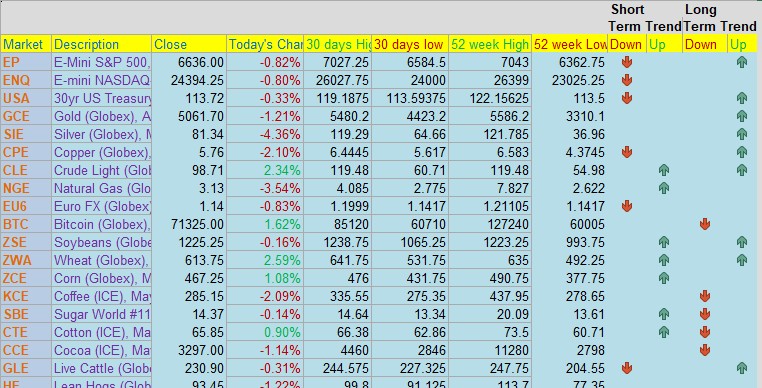
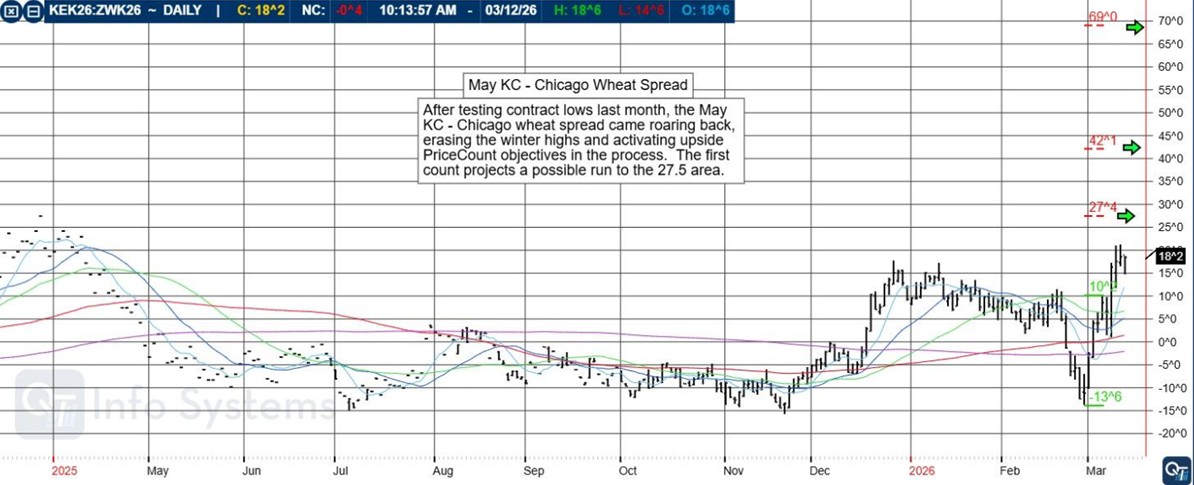
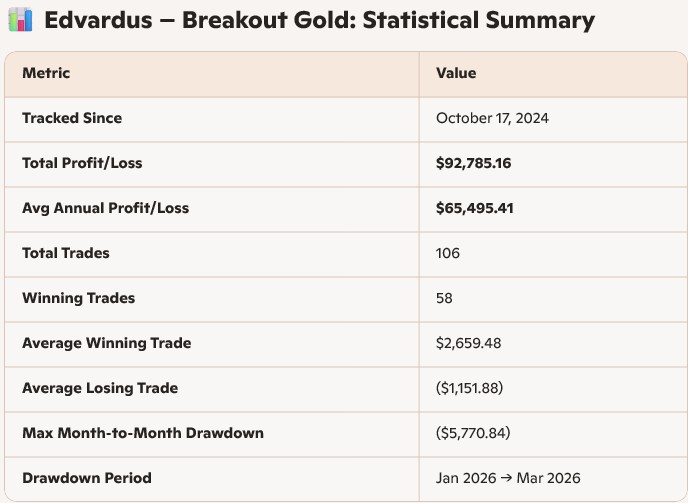
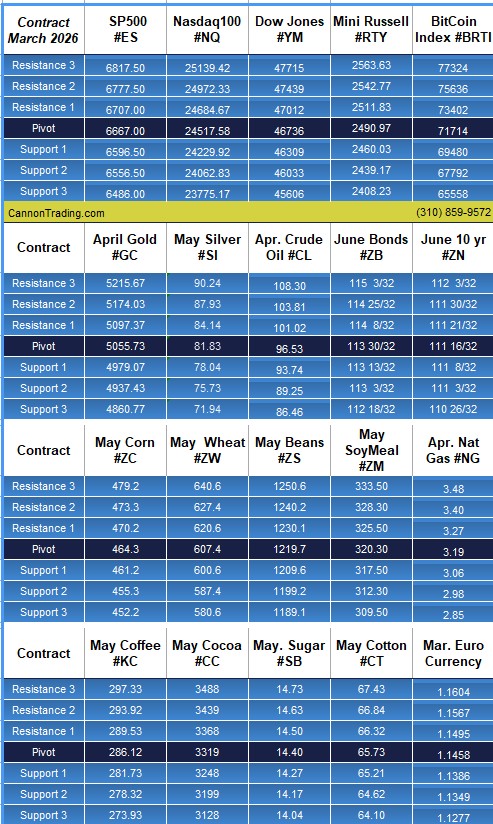
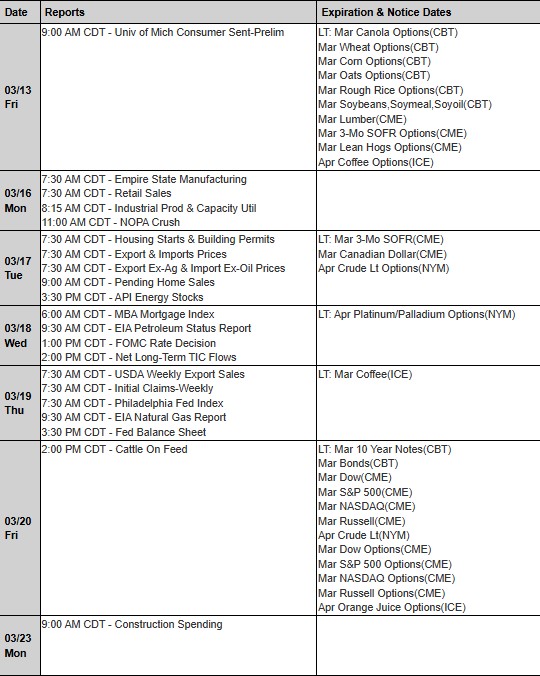





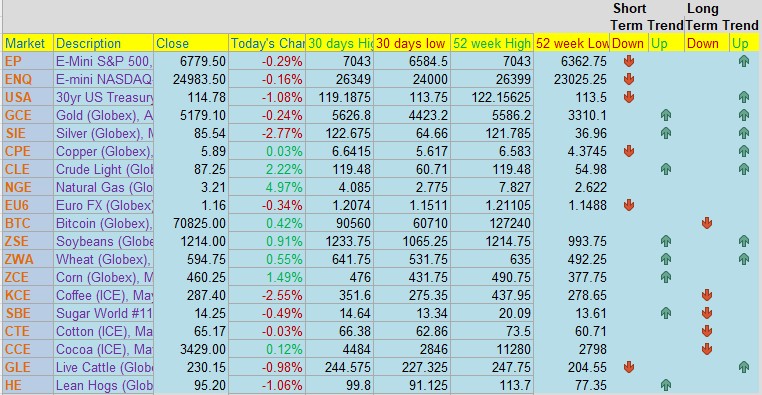
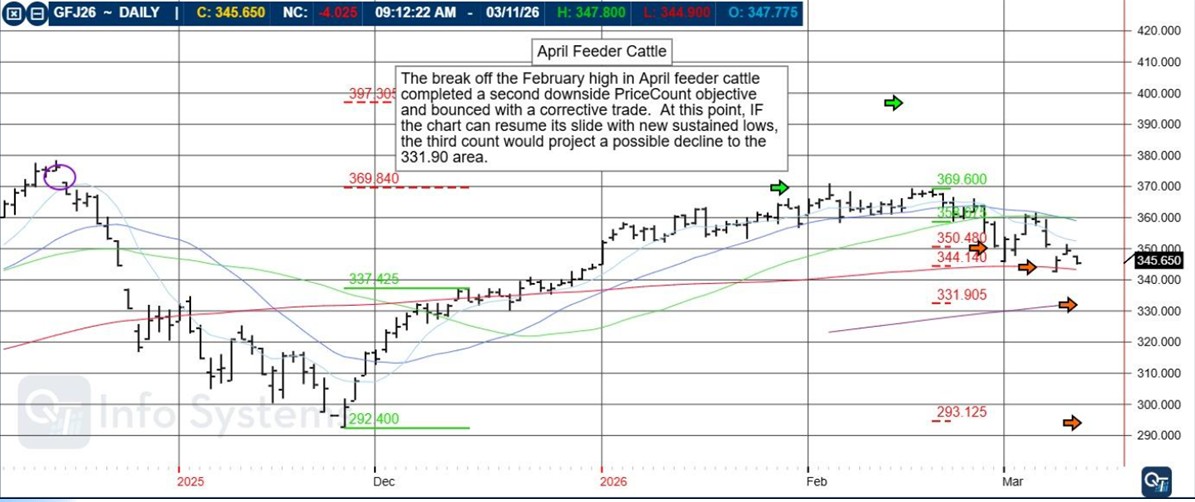
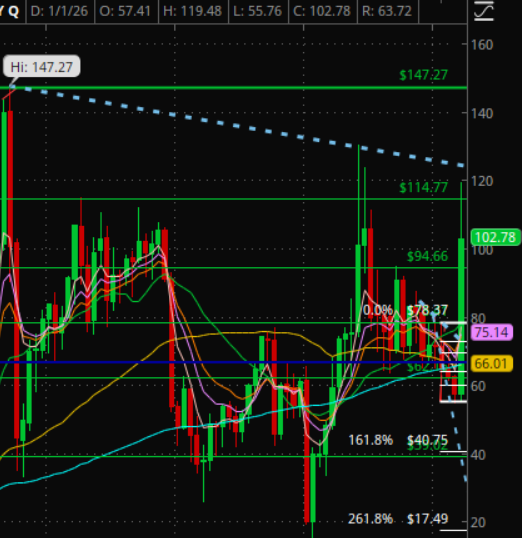
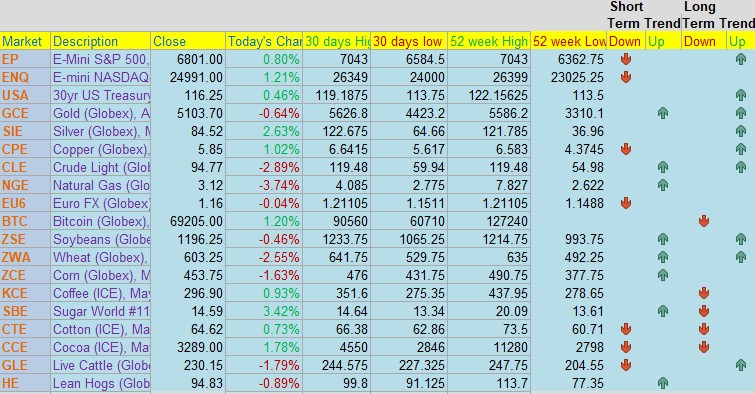
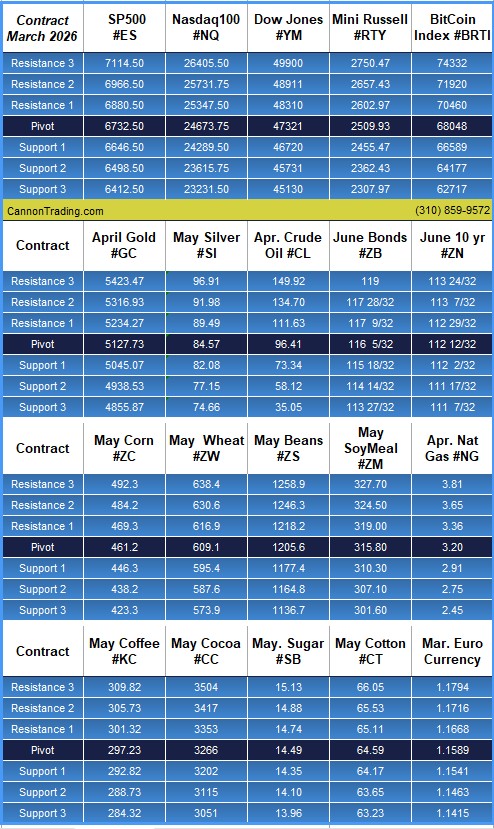
Crude Oil Swings $42 as Mideast Crisis Deepens PLUS: CannonEdge Snapshot, April Feeder Cattle, Levels, Reports; Your 5 Important Can’t-Miss Need-To-Knows for Trading Futures on March 12th, 2026
|
Commodity Chaos: Crude Oil Swings $42 as Mideast Crisis DeepensBy Mark O’Brien, Senior Broker |
|
|
||||||||||||||||||||||||||||||||||||||||||||||||||||||||||||
|
||||||||||||||||||||||||||||||||||||||||||||||||||||||||||||
|

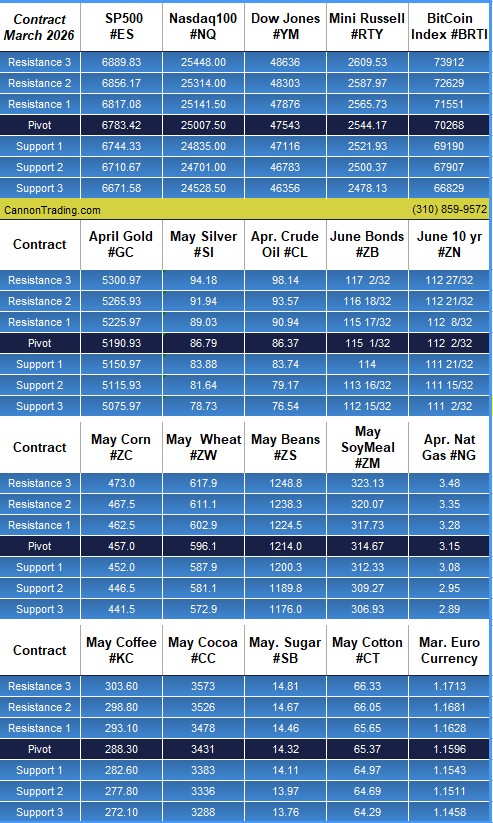
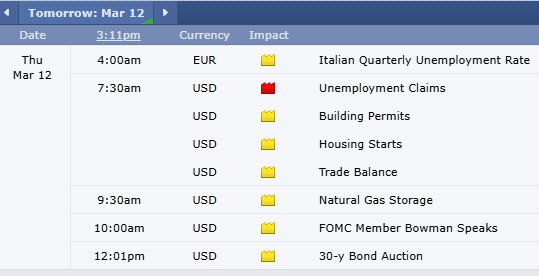
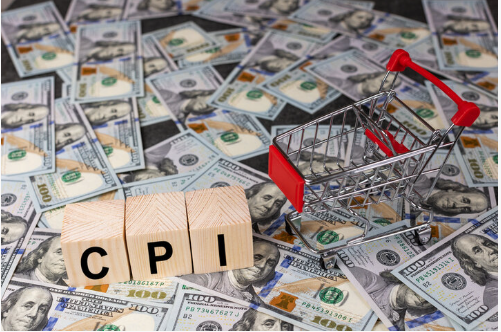
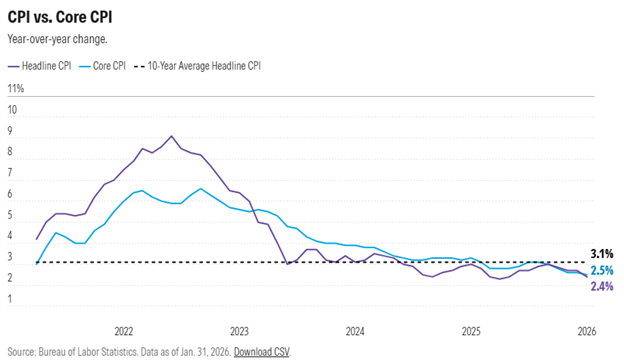
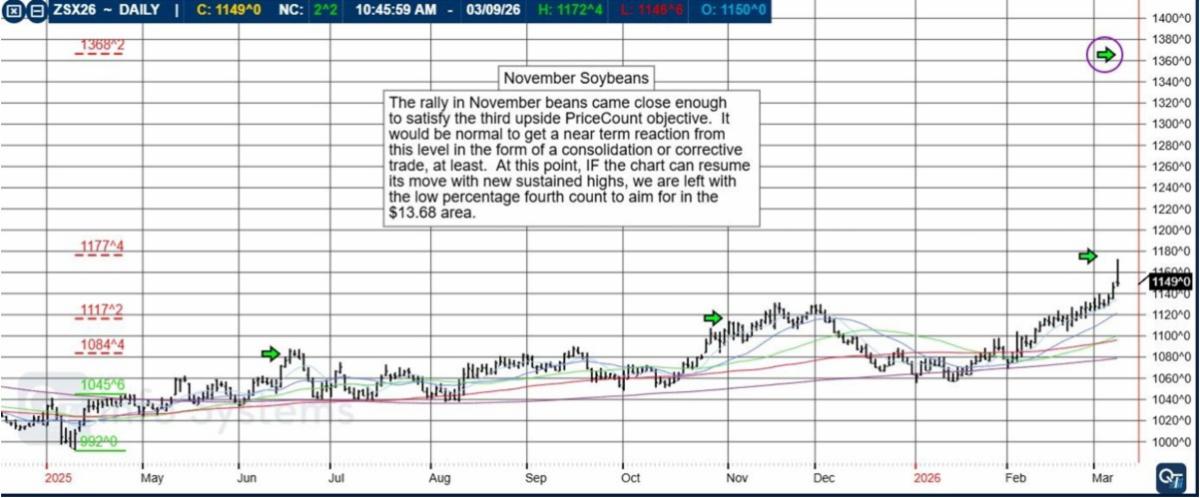
CPI February Out Tomorrow! PLUS: November Soybeans, CannonEdge Snapshot, Levels, Reports; Your 4 Important Useful Can’t-Miss Need-To-Knows for Trading Futures on March 11th, 2026
|
Energy Markets and the Inflationary Benchmark, CPIBy John Thorpe, Senior Broker |
|
|
|||||||||||||||||||||||||||||||||||||||||||||||||||||||||||||||||
|
|||||||||||||||||||||||||||||||||||||||||||||||||||||||||||||||||
|
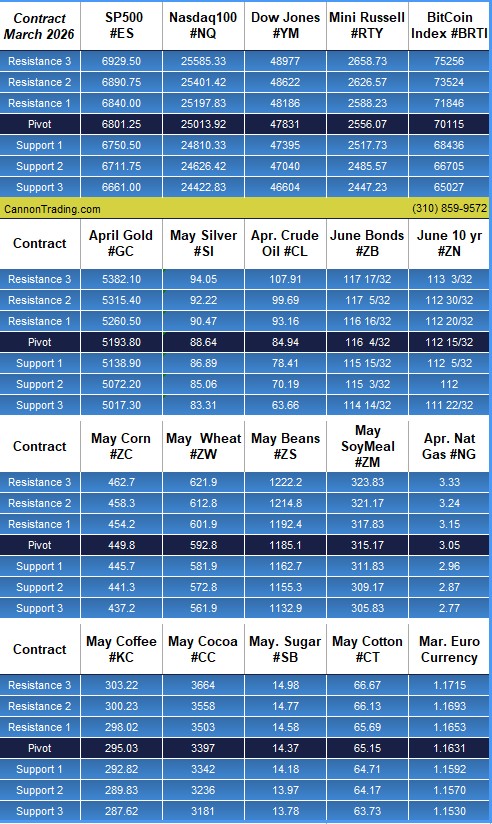
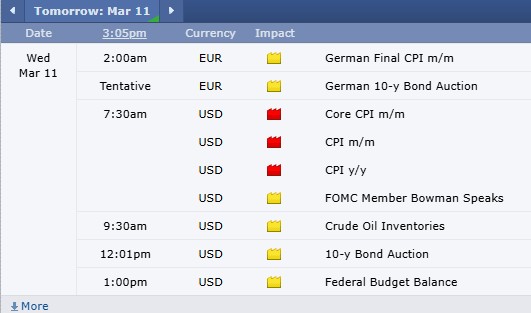
Futures Brokers and You: 8 Useful Crude Oil Market Insights and Predictions
Crude Oil Market Insights and Predictions
The Strategic Importance of Crude Oil Futures
Crude oil remains one of the most actively traded commodities in global derivatives markets. Energy contracts shape economic expectations, influence inflation, and guide corporate hedging strategies. For traders seeking opportunity in volatile markets, crude oil futures provide liquidity, leverage, and clear price discovery.
Geopolitical instability significantly amplifies oil market volatility. Recent tensions involving the United States and Iran have reintroduced risk premiums into global crude supply chains. Events affecting the Strait of Hormuz, where nearly one-fifth of global oil passes daily, immediately influence futures pricing.
In these environments, experienced futures brokers help traders interpret market signals and execute trades efficiently. Understanding supply disruptions, shipping risks, and OPEC responses allows traders to act strategically rather than emotionally.
Professional commodities brokers also assist clients in identifying hedging opportunities during geopolitical crises. Energy producers, airlines, and hedge funds frequently turn to crude futures to offset risk when Middle East tensions escalate.
Modern commodity trading platforms enable real-time monitoring of energy contracts, allowing traders to react quickly to breaking geopolitical developments. Platforms integrated with market data, depth-of-market analytics, and algorithmic execution tools help traders maintain an advantage.
For decades, Cannon Trading Company has supported traders navigating complex markets like crude oil futures.
How U.S.–Iran Tensions Influence Oil Market Dynamics
The conflict between the United States and Iran historically drives immediate reactions in crude oil futures markets. Political statements, military movements, and sanctions policies can trigger rapid price spikes.
Energy traders track these developments because Iran controls strategic access to the Persian Gulf. Any disruption to oil shipping routes can tighten global supply expectations.
Key geopolitical triggers include:
- Sanctions and Export Restrictions
U.S. sanctions on Iranian oil exports reduce global supply expectations. Futures prices often rise as markets anticipate tighter inventories. - Military Activity Near the Strait of Hormuz
Naval deployments or threats to shipping lanes create immediate volatility in crude contracts. - OPEC Policy Adjustments
Other oil producers may increase output to offset potential shortages, moderating price spikes.
Experienced futures brokers analyze these factors daily. Their role includes helping traders interpret news events and translate them into actionable trading strategies.
Professional commodities brokers also provide insights into global inventory reports and refinery demand trends. This perspective allows traders to differentiate between temporary price reactions and long-term structural changes.
Many traders rely on advanced commodity trading platforms to track crude oil contracts listed on CME Group exchanges. These systems allow rapid execution when geopolitical headlines break.
Crude Oil Futures Mechanics and Trading Strategy
Crude oil futures contracts allow traders to speculate on or hedge against changes in oil prices. Contracts typically represent 1,000 barrels of crude and trade electronically through regulated exchanges.
Understanding contract mechanics is essential before entering the market.
Common crude oil trading strategies include:
- Directional Trading
Traders take long or short positions based on geopolitical expectations. - Calendar Spreads
This involves trading price differences between different delivery months. - Inventory Reaction Trades
U.S. Energy Information Administration reports frequently trigger short-term volatility. - Options Hedging
Combining futures with options can help limit downside exposure.
Working with experienced futures brokers ensures traders understand margin requirements, contract specifications, and risk exposure.
Similarly, knowledgeable commodities brokers guide clients through advanced strategies such as spread trading or volatility hedging.
Reliable commodity trading platforms provide tools such as order-flow analytics, time-and-sales tracking, and DOM trading. These features allow traders to detect institutional activity and liquidity levels in real time.
Cannon Trading Company provides access to several leading trading technologies designed specifically for futures traders.
How a Futures Broker Supports Crude Oil Traders During Geopolitical Crises
Geopolitical conflicts introduce extreme volatility into oil markets. Sudden news releases can cause price swings of several dollars per barrel within minutes.
In these conditions, the expertise of professional futures brokers becomes invaluable.
A broker assists traders in several ways:
- Market Interpretation
Brokers translate geopolitical developments into potential market scenarios. - Execution Support
Rapid order routing ensures trades are filled efficiently during volatile market conditions. - Risk Management Guidance
Brokers help traders determine position sizing and margin considerations. - Strategy Development
Traders receive insights into spread opportunities and volatility trades.
Skilled commodities brokers also maintain relationships with institutional research providers. This enables them to provide clients with deeper insight into energy supply forecasts and macroeconomic influences.
Additionally, modern commodity trading platforms enable traders to automate strategies that react to market volatility. Algorithmic tools can adjust stop levels, manage risk thresholds, and capture price momentum.
Cannon Trading Company’s brokerage services combine technology, human expertise, and decades of market experience.
The Role of Technology in Modern Oil Trading
Technology has transformed how traders interact with energy markets.
Today’s commodity trading platforms integrate advanced analytics, real-time news feeds, and customizable charting tools. These features allow traders to respond instantly to geopolitical developments.
Key technological advantages include:
- Depth-of-Market Visualization
Shows real-time liquidity across price levels. - Algorithmic Trading Tools
Allows automated strategy execution. - Risk Management Dashboards
Displays margin usage and exposure in real time. - Multi-Asset Integration
Energy contracts can be analyzed alongside currencies, equities, and bonds.
Professional futures brokers help traders select the most suitable platform for their trading style. Some traders prefer DOM-based scalping interfaces, while others rely on advanced charting environments.
Experienced commodities brokers also assist clients in configuring data feeds and optimizing order routing.
Cannon Trading Company provides access to several industry-leading technologies through its brokerage infrastructure.
These advanced commodity trading platforms help traders maintain speed and precision in volatile oil markets.
Risk Management Strategies for Crude Oil Traders
Crude oil trading carries significant opportunity but also considerable risk.
Geopolitical developments can cause rapid price movements that exceed typical volatility ranges.
Traders should implement disciplined risk management strategies such as:
- Stop-Loss Orders
Automatic exits limit downside exposure. - Position Sizing
Traders should limit risk per trade relative to account size. - Diversification
Combining energy contracts with other commodities reduces concentration risk. - Spread Strategies
Calendar spreads often carry lower volatility than outright positions.
Experienced futures brokers play a crucial role in guiding traders through these risk management techniques.
Professional commodities brokers also help clients interpret inventory reports, seasonal demand patterns, and refinery utilization rates.
Advanced commodity trading platforms support these strategies by allowing automated risk controls and conditional orders.
By combining broker expertise with sophisticated technology, traders can navigate oil market volatility more effectively.
Why Cannon Trading Company Is a Leading Choice for Futures Traders


Cannon Trading Company has served futures traders for decades. Its reputation stems from transparent service, technological access, and personalized brokerage support.
The company has built strong relationships with both institutional and independent traders.
Reasons traders choose Cannon Trading include:
- Experienced Brokerage Team
Knowledgeable futures brokers provide personalized guidance. - Access to Global Markets
Traders can access major energy, metals, and agricultural futures. - Advanced Technology
Multiple professional commodity trading platforms are available. - Responsive Customer Support
Traders receive direct assistance from experienced professionals. - Trusted Reputation
Client reviews on Trustpilot reflect strong service quality.
Cannon’s team of commodities brokers understands the unique challenges of energy trading. Their expertise helps traders navigate volatile conditions caused by geopolitical developments.
This combination of experience, technology, and service has positioned Cannon Trading Company among the most respected brokerage firms in the futures industry.
Crude Oil Market Outlook and Predictions
Looking ahead, crude oil markets are likely to remain influenced by geopolitical developments.
Several factors will shape oil prices in the coming months.
- Middle East Security Risks
Continued tensions involving Iran may maintain a geopolitical risk premium. - Global Economic Growth
Demand from major economies influences long-term price trends. - OPEC Production Decisions
Output adjustments can stabilize or amplify price movements. - Energy Transition Policies
Long-term shifts toward renewable energy could influence future demand expectations.
Traders who remain informed and disciplined will be best positioned to navigate these changes.
Working with experienced futures brokers helps traders stay ahead of market developments.
Professional commodities brokers provide valuable insights into supply disruptions, production forecasts, and inventory changes.
Reliable commodity trading platforms ensure traders can react instantly to breaking news events.
Cannon Trading Company continues to support traders seeking opportunities in the global energy markets.
FAQ: Crude Oil Futures Trading
What are crude oil futures?
Crude oil futures are standardized contracts that allow traders to buy or sell oil at a predetermined price for future delivery. They are widely used for speculation and hedging in energy markets.
Why do geopolitical tensions affect oil prices?
Oil supply chains depend heavily on politically sensitive regions. Events affecting production or transportation routes can reduce supply expectations, driving prices higher.
How can futures brokers help oil traders?
Professional brokers assist traders with market analysis, order execution, and risk management strategies during volatile market conditions.
What role do commodities brokers play?
They provide specialized expertise in physical supply trends, inventory data, and seasonal demand patterns that influence commodity pricing.
Why are commodity trading platforms important?
Modern trading platforms provide real-time market data, charting tools, and automated order execution that allow traders to react quickly to price movements.
Why choose Cannon Trading Company?
Cannon Trading Company offers decades of experience, advanced trading technology, personalized brokerage support, and access to global futures markets.
Try a FREE Demo!
Ready to start trading futures? Call us at 1(800)454-9572 (US) or (310)859-9572 (International), or email info@cannontrading.com to speak with one of our experienced, Series-3 licensed futures brokers and begin your futures trading journey with Cannon Trading Company today.
Disclaimer: Trading Futures, Options on Futures, and retail off-exchange foreign currency transactions involve substantial risk of loss and are not suitable for all investors. Past performance is not indicative of future results. Carefully consider if trading is suitable for you in light of your circumstances, knowledge, and financial resources. You may lose all or more of your initial investment. Opinions, market data, and recommendations are subject to change at any time.
Important: Trading commodity futures and options involves a substantial risk of loss. The recommendations contained in this article are opinions only and do not guarantee any profits. This article is for educational purposes. Past performances are not necessarily indicative of future results.
This article has been generated with the help of AI Technology and modified for accuracy and compliance.
Follow us on all socials: @cannontrading
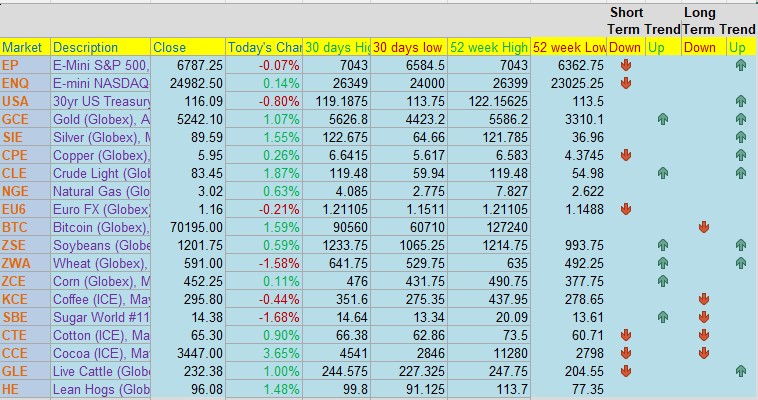
Oil amidst the US Iran Conflict, Weekly Market Updates, CannonEdge Snapshot, Levels, Reports; Your 5 Important Can’t-Miss Need-To-Knows for Trading Futures on March 10th, 2026
|
|
|||||||||||||||||||||||||||||||||||||||||||||||||||||||||||||||||||||||||||||||||||||||||||||||||||||||||||||||||||||||||||||||||||
|
|||||||||||||||||||||||||||||||||||||||||||||||||||||||||||||||||||||||||||||||||||||||||||||||||||||||||||||||||||||||||||||||||||
|
Futures Brokers FYI: 10 Critical Upcoming Technological Developments in the Futures Brokering Industry for Traders
Futures Brokers
Futures markets have evolved dramatically over the past several decades. Electronic execution, algorithmic strategies, and institutional-grade analytics have reshaped how traders interact with global derivatives markets.
In this changing environment, futures brokers play a far greater role than simply executing orders. Modern brokerage firms provide infrastructure, research, technology integration, and risk tools that can significantly enhance a trader’s performance.
As markets become increasingly data-driven, choosing the right brokerage partner becomes a strategic decision. The most effective brokers combine cutting-edge platforms with experienced support teams.
Cannon Trading Company has established itself as one of the most respected firms in the industry, helping traders navigate futures markets for decades through technology, education, and execution expertise.
Understanding how brokers support traders in the modern era reveals why strong brokerage relationships remain essential.
Learn More HERE
The Evolution of Futures Trading Technology
The futures industry once relied on open outcry trading pits. Traders shouted orders on exchange floors and relied heavily on human intermediaries.
The introduction of electronic trading platforms changed everything.
According to CME Group historical market development data, electronic futures trading expanded dramatically during the early 2000s and quickly became the dominant execution method.
Modern trading platforms now allow traders to access global futures markets instantly.
Key technological advancements include:
- High-speed electronic order routing
- Cloud-based trading platforms
- Advanced charting tools
- Integrated risk management systems
Numbered innovations have also changed trader workflows:
- Algorithmic order execution
- Real-time market depth visualization
- AI-driven analytics
- Mobile futures trading access
Because markets evolve rapidly, futures brokers help traders stay competitive by offering access to the latest technology and execution tools.
Why Brokerage Technology Matters to Traders
Speed and accuracy matter enormously in futures markets. Price movements occur in milliseconds, especially in highly liquid contracts such as E-Mini index futures.
Technology provided by brokerage firms helps traders compete effectively.
For example, modern trading platforms allow traders to monitor multiple markets simultaneously.
Common platform features include:
- Customizable dashboards
- Real-time data feeds from CME markets
- Automated order entry tools
- Integrated news and analytics
Technology also supports better decision-making.
Numbered examples include:
- Backtesting strategies using historical futures data
- Simulating trades through demo environments
- Automating repetitive trading tasks
- Visualizing liquidity through order-flow tools
The best futures brokers ensure traders have access to these capabilities without requiring expensive infrastructure.
This democratization of technology has allowed independent traders to compete alongside institutional market participants.
Platform Integration and Execution Infrastructure
Execution infrastructure is one of the most important services provided by brokerage firms.
When a trader submits an order, that order must travel through secure routing systems to reach exchange matching engines.
Latency, reliability, and data integrity are critical.
Modern brokerage infrastructure typically includes:
- Direct connectivity to CME exchange gateways
- Redundant server networks
- Real-time margin monitoring
- Advanced order routing algorithms
These systems ensure trades execute quickly and accurately.
Key technological features include:
- Co-located servers near exchange data centers
- Smart order routing technology
- Integrated risk controls
- Multi-platform connectivity
Professional futures brokers maintain these systems so traders do not need to build expensive trading infrastructure themselves.
For many traders, this backend technology represents the difference between efficient trading and costly execution delays.
Advanced Market Data and Analytics
Data has become the most valuable resource in modern futures trading.
Market participants analyze order flow, volume patterns, volatility structures, and macroeconomic signals.
Brokerage firms help traders access this data efficiently.
High-quality futures platforms offer powerful analytical tools.
These tools often include:
- Volume profile analysis
- Depth-of-market visualization
- Historical volatility metrics
- Institutional order flow indicators
Analytics also support strategy development.
Examples include:
- Identifying liquidity clusters in E-Mini contracts
- Detecting momentum shifts in commodity futures
- Monitoring macroeconomic releases affecting currency futures
- Evaluating historical market correlations
Through these services, futures brokers transform raw market data into actionable insights.
This analytical edge is increasingly important as global markets grow more competitive.
Risk Management Tools Provided by Brokers
Successful futures trading requires strong risk management.
Futures contracts are leveraged instruments, meaning price movements can produce significant gains or losses.
Brokerage platforms help traders control exposure.
Key risk management tools include:
- Real-time margin monitoring
- Automatic stop-loss order functionality
- Position sizing calculators
- Portfolio exposure analysis
These tools protect traders from excessive risk.
Important automated safeguards include:
- Margin alerts when account equity drops
- Pre-trade risk checks
- Position limits for specific contracts
- Auto-liquidation safeguards during extreme volatility
Professional futures brokers integrate these systems directly into their trading platforms.
This ensures traders remain aware of their exposure at all times.
Such safeguards are particularly important during volatile market periods.
Algorithmic and Quantitative Trading Support
Algorithmic trading continues to expand across futures markets.
Institutional participants increasingly rely on automated strategies to execute trades efficiently.
Retail traders now have access to similar capabilities through brokerage platforms.
Many platforms supported by brokerage firms allow strategy automation.
Key capabilities include:
- Custom scripting environments
- API connections for automated trading
- Strategy backtesting frameworks
- Real-time algorithm monitoring
Algorithmic trading advantages include:
- Eliminating emotional decision-making
- Executing trades faster than manual input
- Managing multiple markets simultaneously
- Maintaining consistent strategy rules
With proper support from futures brokers, traders can deploy sophisticated algorithmic systems previously available only to hedge funds.
The democratization of algorithmic tools has significantly expanded trading opportunities.
Education and Market Guidance from Brokerage Firms
Technology alone does not guarantee trading success.
Education remains one of the most valuable services offered by professional brokers.
Experienced brokerage firms provide educational resources that help traders understand market dynamics.
Common educational offerings include:
- Futures trading webinars
- Market outlook reports
- Strategy development tutorials
- Platform training sessions
Structured learning opportunities may include:
- Beginner courses explaining futures contract mechanics
- Risk management workshops
- Platform walkthrough demonstrations
- Strategy development discussions
Educational guidance from futures brokers helps traders avoid common mistakes and develop disciplined trading approaches.
This guidance is particularly valuable for traders transitioning from equities into derivatives markets.
Why Cannon Trading Company Has Remained a Leading Brokerage
Cannon Trading Company has built a strong reputation over decades of serving futures traders.
The firm combines deep industry experience with advanced technology access.
Its approach focuses on personalized support and robust trading infrastructure.
Key strengths include:
- Access to leading futures trading platforms
- Competitive commission structures
- Experienced broker support teams
- Educational resources for traders
Cannon Trading Company also provides connectivity to major exchanges such as CME Group.
Important brokerage advantages include:
- Reliable execution technology
- Strong client service reputation
- Flexible platform choices
- Long-standing regulatory experience
Unlike some firms that emphasize automation alone, Cannon Trading combines technology with human expertise.
This hybrid model helps traders navigate complex market environments.
Many traders trust the firm because it has consistently adapted to new market technologies while maintaining personalized client relationships.
Reputation and Trust in the Futures Brokerage Industry
Reputation plays a major role when selecting a brokerage partner.
Trust becomes critical when traders rely on a firm to handle funds, orders, and market access.
Platforms such as Trustpilot provide insights into client experiences with brokerage firms.
Reliable futures brokers typically share several common characteristics.
These characteristics include:
- Transparent fee structures
- Responsive customer support
- Strong regulatory compliance
- Proven execution reliability
Experienced brokers also demonstrate:
- Longevity in the industry
- Positive client feedback
- Continuous technology upgrades
- Commitment to trader education
Cannon Trading Company’s decades-long presence in the futures industry reflects its ability to maintain client trust while adapting to new technological demands.
This consistency remains one of the firm’s most valuable strengths.
The Future of Technology in Futures Brokerage
Technology will continue reshaping futures trading in the coming years.
Artificial intelligence, predictive analytics, and automation are already influencing market behavior.
Brokerage firms will play a central role in making these innovations accessible to traders.
Expected developments include:
- AI-driven trade signal generation
- Predictive market modeling
- Advanced risk management automation
- Cloud-based multi-device trading systems
Future technological developments may include:
- Machine learning strategies analyzing CME data streams
- Automated portfolio rebalancing
- Real-time macroeconomic analysis engines
- Integrated cross-market trading dashboards
As these tools evolve, futures brokers will continue bridging the gap between advanced financial technology and individual traders.
Brokerage firms that combine innovation with experienced guidance will remain essential to traders seeking an edge in global futures markets.
Cannon Trading Company’s commitment to technology, education, and execution reliability positions it strongly for the next generation of futures trading.
FAQ
What do futures brokers actually do?
Futures brokers provide traders with access to futures exchanges such as CME Group. They facilitate order execution, provide trading platforms, offer market data, and manage account risk and margin requirements.
Why are futures brokers important for modern trading?
Modern futures markets require fast execution, advanced analytics, and reliable infrastructure. Brokers provide the technology, connectivity, and support that individual traders typically cannot build independently.
What technology do futures brokers provide traders?
Most brokerage firms provide:
- Electronic trading platforms
- Market data feeds
- Algorithmic trading support
- Risk management tools
These technologies help traders analyze markets and execute strategies efficiently.
Why is Cannon Trading Company considered a top brokerage?
Cannon Trading Company has served futures traders for decades. The firm offers advanced trading platforms, experienced broker support, strong exchange connectivity, and extensive educational resources.
How can technology improve futures trading performance?
Technology improves trading performance by enabling faster execution, better market analysis, improved risk management, and the ability to automate strategies.
Examples include algorithmic trading systems, advanced charting tools, and automated order routing.
Ready to start trading futures? Call us at 1(800)454-9572 (US) or (310)859-9572 (International), or email info@cannontrading.com to speak with one of our experienced, Series-3 licensed futures brokers and begin your futures trading journey with Cannon Trading Company today.
Disclaimer: Trading Futures, Options on Futures, and retail off-exchange foreign currency transactions involve substantial risk of loss and are not suitable for all investors. Past performance is not indicative of future results. Carefully consider if trading is suitable for you in light of your circumstances, knowledge, and financial resources. You may lose all or more of your initial investment. Opinions, market data, and recommendations are subject to change at any time.
Important: Trading commodity futures and options involves a substantial risk of loss. The recommendations contained in this article are opinions only and do not guarantee any profits. This article is for educational purposes. Past performances are not necessarily indicative of future results.
This article has been generated with the help of AI Technology and modified for accuracy and compliance.
Follow us on all socials: @cannontrading
Futures Brokers and You: 11 Important Facts for Mastering E-Mini Futures Trading Basics
Mastering E-Mini Futures Trading Basics

E-Mini futures have become one of the most actively traded derivatives in global markets. Introduced by CME to provide smaller, accessible contracts, E-Mini products opened futures participation to a broader audience while maintaining institutional-grade liquidity.
Understanding the mechanics of E-Mini futures trading is essential for modern traders. Equally important is the role that professional futures brokers play in navigating advanced markets, selecting reliable commodity trading platforms, and building strategies supported by experienced commodities brokers.
Technology continues reshaping futures markets. From faster execution to sophisticated data visualization, traders rely on brokerage infrastructure more than ever. Firms like Cannon Trading Company have built decades of expertise helping traders adapt to this technological evolution.
This guide explains the foundations of E-Mini futures trading and how the right broker partnership can dramatically enhance trading outcomes.
Learn More HERE
Understanding What E-Mini Futures Are
E-Mini futures are electronically traded futures contracts representing a fraction of the value of standard futures contracts. They were created by CME to make futures trading more accessible.
The most widely traded contract is the E-Mini S&P 500.
Key characteristics include:
- Smaller contract size than standard futures
- Electronic trading nearly 24 hours per day
- High liquidity across global sessions
- Margin efficiency compared with many equities
Because E-Mini contracts are standardized through CME, they offer consistent pricing and transparency. These qualities attract both institutional traders and individual participants.
However, successful participation requires infrastructure. Traders rely on experienced futures brokers to access exchanges, manage risk, and maintain reliable execution.
Modern commodity trading platforms provide depth-of-market tools, real-time charting, and order management systems necessary for active futures trading.
In addition, knowledgeable commodities brokers help traders interpret contract specifications, margin requirements, and settlement procedures.
The Evolution of E-Mini Futures Trading
Since their introduction in the late 1990s, E-Mini futures have transformed derivatives markets.
Originally designed to mirror larger index futures, they quickly gained popularity due to efficiency and lower capital requirements.
Several technological milestones accelerated growth:
- Electronic trading through CME Globex
- High-speed data feeds for market depth
- Algorithmic trading integration
- Advanced risk management systems
These developments changed the role of futures brokers.
Traditional brokerage once focused primarily on order execution. Today, brokers offer integrated trading ecosystems, combining education, technology, and execution.
Modern commodity trading platforms allow traders to analyze order flow, simulate strategies, and automate execution.
At the same time, experienced commodities brokers help traders understand the practical implications of volatility, contract rollover, and margin adjustments.
This combination of technology and human expertise forms the backbone of professional futures trading.
Why E-Mini Futures Remain Popular
E-Mini futures remain one of the most popular derivative instruments for several reasons.
First, they offer efficient exposure to major financial indexes.
Second, they allow traders to participate in both rising and falling markets.
Third, liquidity is extremely high.
Traders often choose E-Mini futures because:
- They require less capital than full-size contracts
- They trade nearly around the clock
- Execution is typically extremely fast
- Pricing transparency is strong
However, trading these contracts effectively still requires professional infrastructure.
Reliable commodity trading platforms ensure that orders reach exchanges quickly and accurately.
Meanwhile, experienced futures brokers help traders maintain proper risk controls and margin compliance.
Professional commodities brokers also provide insights into market structure, contract expiration cycles, and exchange rule changes.
These services become increasingly important as trading technology evolves.
Core Mechanics Every Trader Must Understand
Before trading E-Mini futures, traders must understand several key mechanics.
These fundamentals influence profitability and risk management.
Important concepts include:
- Contract specifications
- Tick size and tick value
- Initial and maintenance margin
- Expiration cycles
- Settlement procedures
Each element directly affects trading decisions.
For example, tick size determines how price movements translate into profits or losses.
Experienced commodities brokers often walk traders through these details during account setup and onboarding.
Professional futures brokers also provide margin guidance, ensuring traders understand the capital required to maintain positions.
Modern commodity trading platforms display these parameters automatically, helping traders monitor exposure in real time.
Understanding these fundamentals builds the foundation for consistent trading performance.
Technology and the Future of Futures Trading
Technology has become one of the most important factors in modern derivatives trading.
Today’s futures markets operate at extraordinary speed.
Execution latency, data quality, and platform stability all influence trading outcomes.
Advanced commodity trading platforms now include features such as:
- Algorithmic order routing
- Automated trade management
- Real-time risk analytics
- Order flow visualization tools
These tools give traders deeper insights into market behavior.
However, technology alone is not enough.
Experienced futures brokers help traders select appropriate platforms, configure data feeds, and ensure stable connectivity.
Professional commodities brokers also assist in understanding how automated systems interact with market volatility.
As markets become increasingly digital, the collaboration between traders and brokers becomes even more critical.
The Strategic Role of Futures Brokers
Professional brokerage support plays a vital role in futures trading success.
Quality futures brokers offer far more than simple order routing.
They provide expertise across multiple areas:
- Platform selection
- Risk management planning
- Execution optimization
- Regulatory compliance guidance
Many traders underestimate how valuable broker guidance can be.
During periods of extreme volatility, experienced brokers can provide insight into margin adjustments, exchange rule changes, and liquidity shifts.
Professional commodities brokers often serve as strategic advisors, helping traders refine trading plans and avoid costly mistakes.
In addition, brokers ensure traders have access to the most stable commodity trading platforms, minimizing downtime during active market sessions.
This partnership can significantly improve a trader’s long-term consistency.
Choosing the Right Commodity Trading Platforms
Platform selection is one of the most important decisions a futures trader makes.
The best commodity trading platforms combine reliability, speed, and analytical tools.
Important features to evaluate include:
- Market depth visualization
- Advanced charting capabilities
- Order execution speed
- Customizable risk controls
Many traders use multiple commodity trading platforms depending on their strategy.
Scalpers may prefer highly responsive interfaces designed for rapid execution.
Swing traders may prioritize analytical charting environments.
Experienced futures brokers help traders evaluate these differences and determine which platform best fits their strategy.
Meanwhile, knowledgeable commodities brokers often assist in configuring platform settings, ensuring traders understand order types, bracket orders, and automated risk management tools.
Proper platform selection can significantly influence execution efficiency.
Risk Management in E-Mini Futures Trading
Risk management remains the cornerstone of professional futures trading.
Even the best trading strategy can fail without proper risk controls.
Effective risk management involves both discipline and infrastructure.
Common techniques include:
- Position sizing rules
- Stop-loss placement
- Margin monitoring
- Portfolio diversification
Professional futures brokers help traders establish margin policies that prevent over-leveraging.
Advanced commodity trading platforms provide real-time monitoring of open positions and account equity.
Meanwhile, experienced commodities brokers help traders interpret volatility changes that may require adjustments to risk parameters.
These safeguards become especially important during major economic announcements or geopolitical events.
By combining technology with professional guidance, traders can manage risk more effectively.
Why Cannon Trading Company Stands Out
Cannon Trading Company has built a reputation as one of the most respected brokerage firms in the futures industry.
Founded decades ago, the firm has consistently focused on client support, advanced technology, and market expertise.
Several factors contribute to its long-standing reputation.
Key advantages include:
- Decades of brokerage experience
- Access to multiple professional commodity trading platforms
- Dedicated client support from experienced professionals
- Competitive commission structures
Cannon Trading Company’s team includes knowledgeable commodities brokers who work closely with traders at every experience level.
These professionals help clients understand market structure, select platforms, and refine risk management practices.
In addition, the firm works with a wide network of futures brokers and technology providers, ensuring traders receive reliable exchange connectivity.
This combination of experience and innovation has helped Cannon Trading Company remain a trusted brokerage partner for decades.
The Human Advantage in a Technology-Driven Market
While automation continues transforming financial markets, human expertise remains indispensable.
Trading technology may execute orders instantly, but interpreting market context requires experience.
Experienced commodities brokers understand how macroeconomic factors influence futures markets.
Professional futures brokers also help traders interpret exchange announcements, margin adjustments, and contract changes.
Meanwhile, powerful commodity trading platforms provide the analytical tools necessary to evaluate these developments.
When traders combine technology with experienced brokerage support, they gain both speed and perspective.
This hybrid approach represents the future of successful futures trading.
Building Long-Term Success in E-Mini Futures
Mastering E-Mini futures trading requires discipline, education, and the right infrastructure.
Traders who succeed typically combine several key elements.
Successful trading often involves:
- Continuous education
- Reliable technology
- Structured risk management
- Experienced brokerage support
Professional futures brokers help traders build a structured approach to market participation.
Knowledgeable commodities brokers provide ongoing guidance as market conditions evolve.
At the same time, advanced commodity trading platforms allow traders to analyze market data, execute strategies, and manage positions with precision.
When these components work together, traders gain a significant advantage.
E-Mini futures trading is not simply about placing orders. It is about building a professional trading environment supported by technology, expertise, and disciplined strategy.
Cannon Trading Company has spent decades helping traders build exactly that kind of environment.
FAQ: E-Mini Futures Trading
What are E-Mini futures?
E-Mini futures are smaller versions of major futures contracts introduced by CME. They provide exposure to major financial indexes while requiring less capital than standard futures contracts.
Why are E-Mini futures popular among traders?
They offer high liquidity, nearly 24-hour trading, efficient margin usage, and transparent pricing through CME electronic markets.
What role do futures brokers play in trading?
Futures brokers provide exchange access, risk management guidance, execution infrastructure, and support for trading technology. Their expertise helps traders navigate complex futures markets.
Why are commodity trading platforms important?
Professional commodity trading platforms provide charting tools, order execution systems, and real-time risk monitoring that allow traders to manage positions effectively.
What do commodities brokers do?
Commodities brokers help traders understand futures contracts, margin requirements, trading strategies, and market structure. They also assist with platform configuration and account management.
Why choose Cannon Trading Company?
Cannon Trading Company offers decades of brokerage experience, access to advanced platforms, competitive commissions, and personalized support from knowledgeable brokerage professionals.
Try a FREE Demo!
Ready to start trading futures? Call us at 1(800)454-9572 (US) or (310)859-9572 (International), or email info@cannontrading.com to speak with one of our experienced, Series-3 licensed futures brokers and begin your futures trading journey with Cannon Trading Company today.
Disclaimer: Trading Futures, Options on Futures, and retail off-exchange foreign currency transactions involve substantial risk of loss and are not suitable for all investors. Past performance is not indicative of future results. Carefully consider if trading is suitable for you in light of your circumstances, knowledge, and financial resources. You may lose all or more of your initial investment. Opinions, market data, and recommendations are subject to change at any time.
Important: Trading commodity futures and options involves a substantial risk of loss. The recommendations contained in this article are opinions only and do not guarantee any profits. This article is for educational purposes. Past performances are not necessarily indicative of future results.
This article has been generated with the help of AI Technology and modified for accuracy and compliance.
Follow us on all socials: @cannontrading
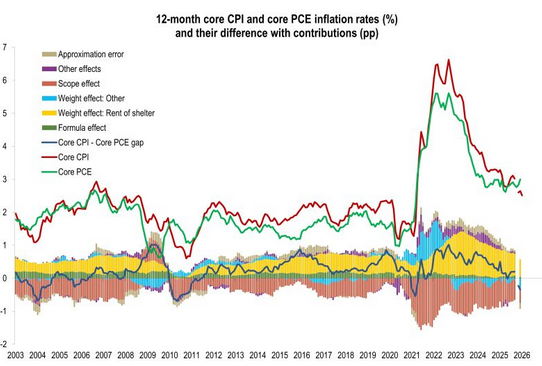
CPI, Core PCE, Daylight Savings Time Coming Up, Edvardus Gold Trading System, CannonEdge Snapshot, Dec. Corn Spread, Levels, Reports, and more! Your 8 Important Can’t-Miss Need-To-Knows for Trading Futures the Week of March 9th, 2026
|
||||||||||||||||||||||||||||||||||||||||||||||||||||||||||||||||||||||||||||||||||||||||||||||||||||||||||||||||||||||||||||||||||||||
|
||||||||||||||||||||||||||||||||||||||||||||||||||||||||||||||||||||||||||||||||||||||||||||||||||||||||||||||||||||||||||||||||||||||
|
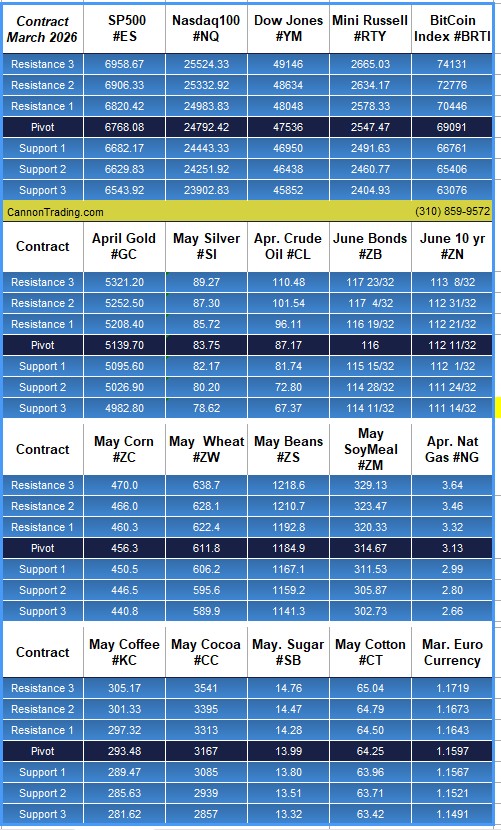
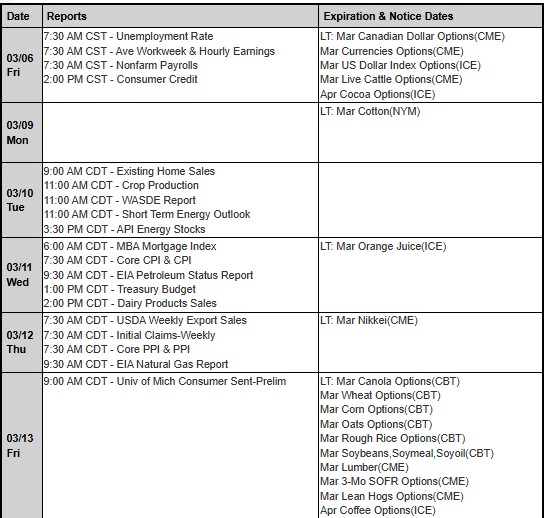
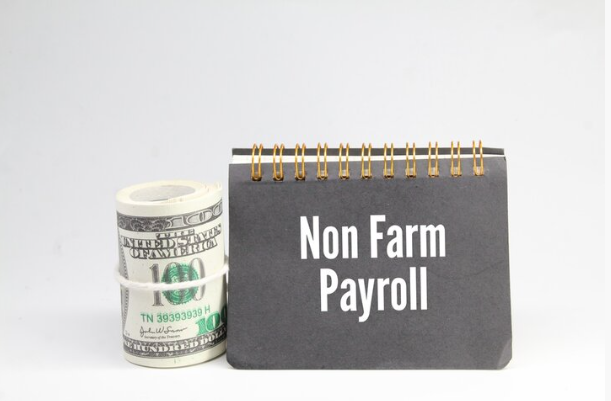
NFP Friday amidst Volatility PLUS: Bloomberg Commodity Index, CannonEdge Snapshot, Levels, Reports; Your 5 Important Can’t-Miss Need-To-Knows for Trading Futures on Friday, March 6th, 2026
|
NFP TomorrowBy Ilan Levy-Mayer, VP |
|
|
||||||||||||||||||||||||||||||||||||||||||||||||||||||||||||
|
||||||||||||||||||||||||||||||||||||||||||||||||||||||||||||
|
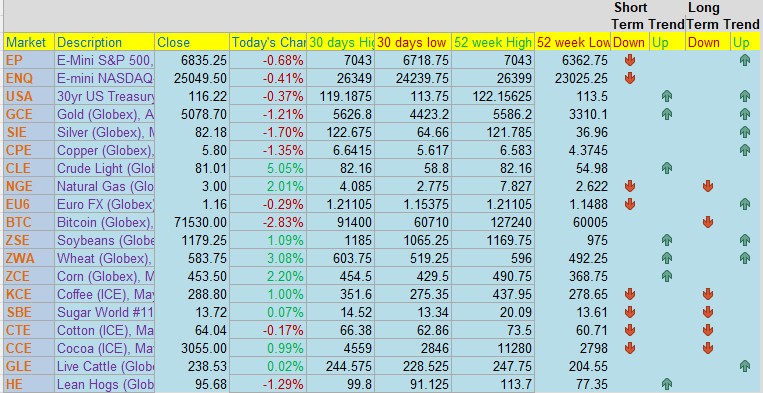
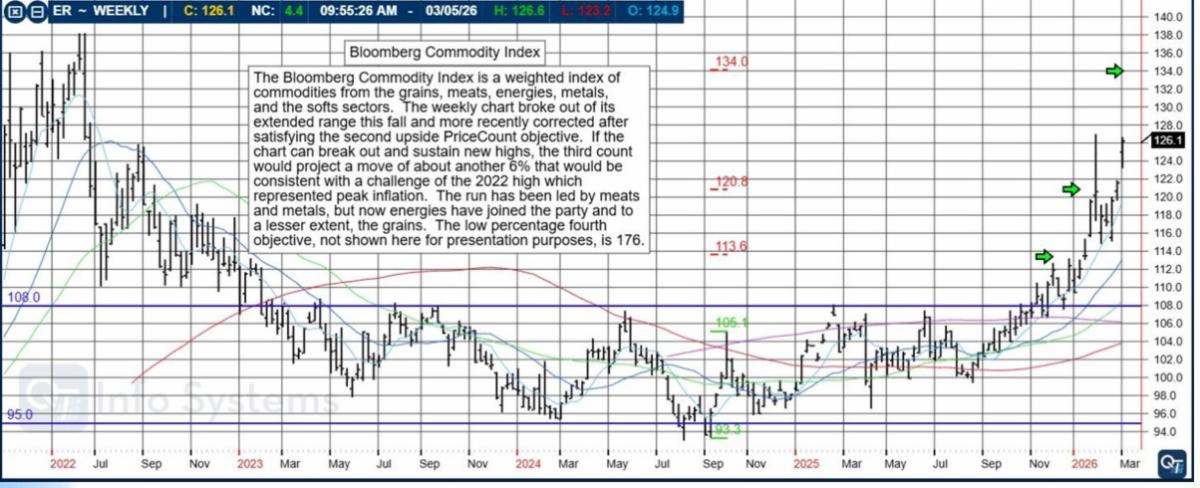
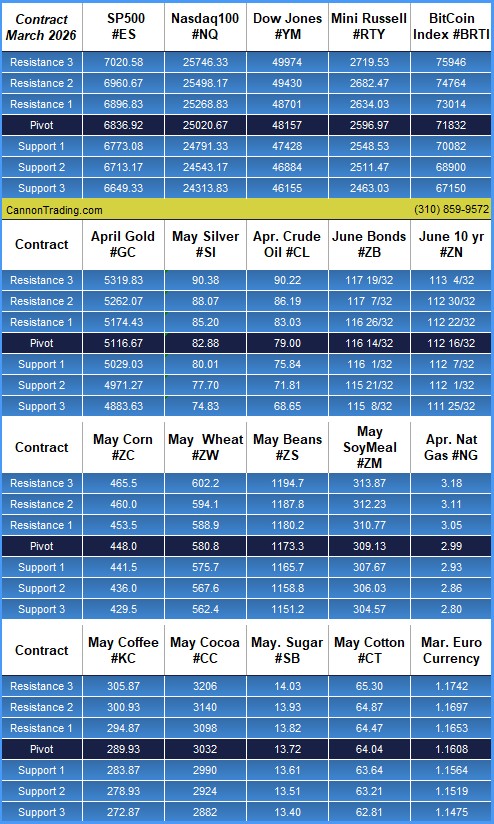
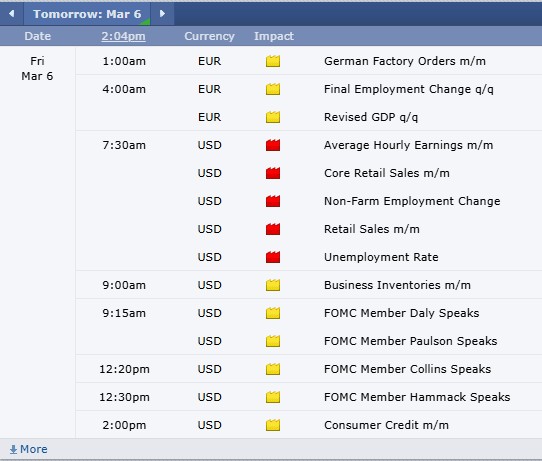
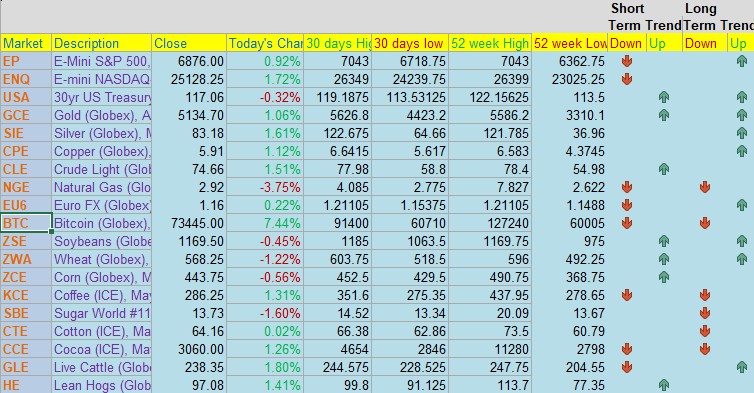
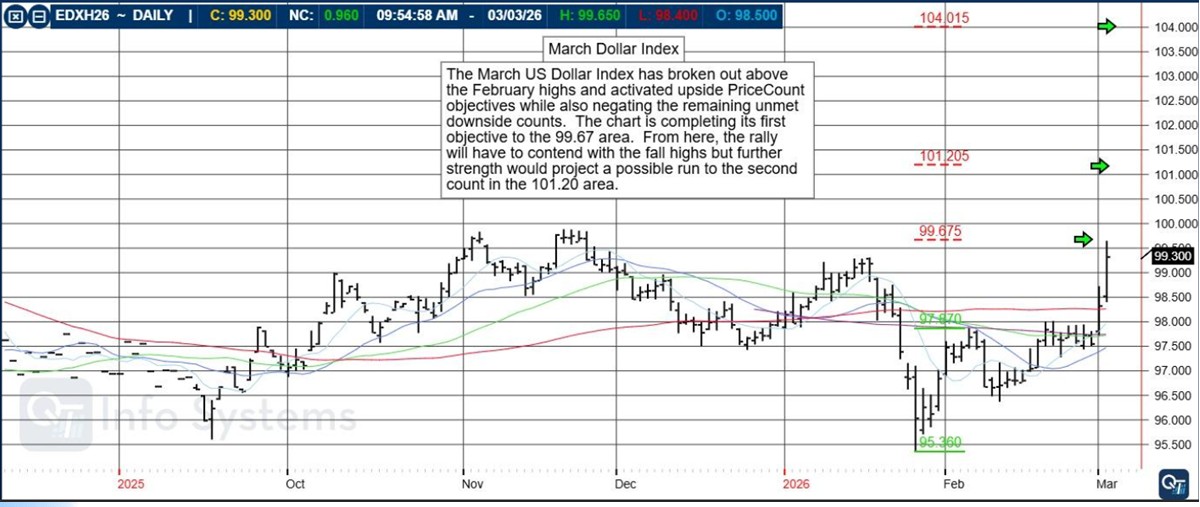
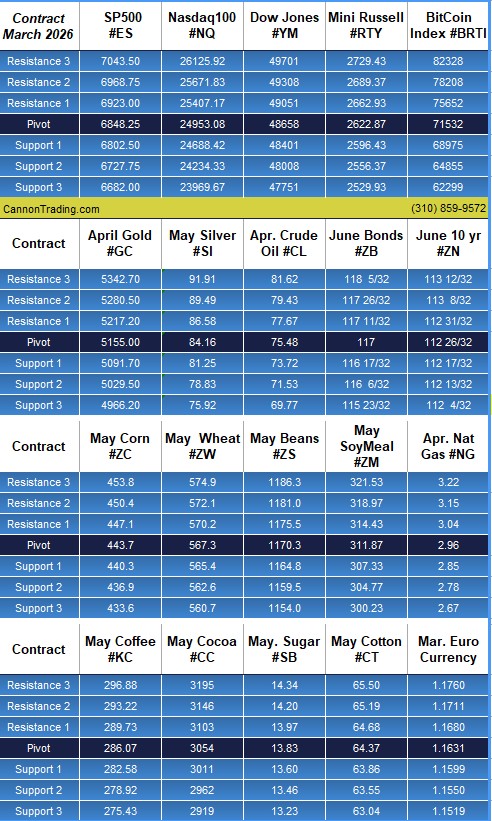
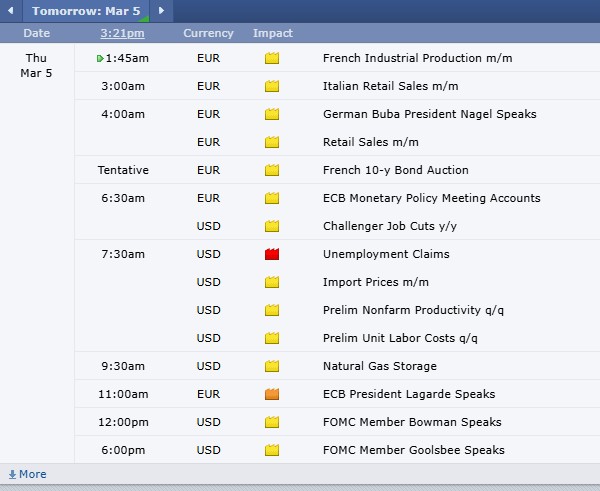
NFP; War & Unemployment PLUS: CannonEdge Snapshot, May Dollar Index, Levels, Reports; Your 5 Can’t-Miss Need-To-Knows for Trading Futures on March 5th, 2026
|
War & Unemployment; NFP hits FridayBy Mark O’Brien, Senior Broker |
|
|
||||||||||||||||||||||||||||||||||||||||||||||||||||||||||||
|
||||||||||||||||||||||||||||||||||||||||||||||||||||||||||||
|
- April 2026
- March 2026
- February 2026
- January 2026
- December 2025
- November 2025
- October 2025
- September 2025
- August 2025
- July 2025
- June 2025
- May 2025
- April 2025
- March 2025
- February 2025
- January 2025
- December 2024
- November 2024
- October 2024
- September 2024
- August 2024
- July 2024
- June 2024
- May 2024
- April 2024
- March 2024
- February 2024
- January 2024
- December 2023
- November 2023
- October 2023
- September 2023
- August 2023
- July 2023
- June 2023
- May 2023
- April 2023
- March 2023
- February 2023
- January 2023
- December 2022
- November 2022
- October 2022
- September 2022
- August 2022
- July 2022
- June 2022
- May 2022
- April 2022
- March 2022
- February 2022
- January 2022
- December 2021
- November 2021
- October 2021
- September 2021
- August 2021
- July 2021
- June 2021
- May 2021
- April 2021
- March 2021
- February 2021
- January 2021
- December 2020
- November 2020
- October 2020
- September 2020
- August 2020
- July 2020
- June 2020
- May 2020
- April 2020
- March 2020
- February 2020
- January 2020
- December 2019
- November 2019
- October 2019
- September 2019
- August 2019
- July 2019
- June 2019
- May 2019
- April 2019
- March 2019
- February 2019
- January 2019
- December 2018
- November 2018
- October 2018
- September 2018
- August 2018
- July 2018
- June 2018
- May 2018
- April 2018
- March 2018
- February 2018
- January 2018
- December 2017
- November 2017
- October 2017
- September 2017
- August 2017
- July 2017
- June 2017
- May 2017
- April 2017
- March 2017
- February 2017
- January 2017
- December 2016
- November 2016
- October 2016
- September 2016
- August 2016
- July 2016
- June 2016
- May 2016
- April 2016
- March 2016
- February 2016
- January 2016
- December 2015
- November 2015
- October 2015
- September 2015
- August 2015
- July 2015
- June 2015
- May 2015
- April 2015
- March 2015
- February 2015
- January 2015
- December 2014
- November 2014
- October 2014
- September 2014
- August 2014
- July 2014
- June 2014
- May 2014
- April 2014
- March 2014
- February 2014
- January 2014
- December 2013
- November 2013
- October 2013
- September 2013
- August 2013
- July 2013
- June 2013
- May 2013
- April 2013
- March 2013
- February 2013
- January 2013
- December 2012
- November 2012
- October 2012
- September 2012
- August 2012
- July 2012
- June 2012
- May 2012
- April 2012
- March 2012
- February 2012
- January 2012
- December 2011
- November 2011
- October 2011
- September 2011
- August 2011
- July 2011
- June 2011
- May 2011
- April 2011
- March 2011
- February 2011
- January 2011
- December 2010
- November 2010
- October 2010
- September 2010
- August 2010
- July 2010
- June 2010